Explore our premium selection of medical-grade surgical hand tools, engineered with high-efficiency German motors, precision tolerances, and complete sterilization compatibility.
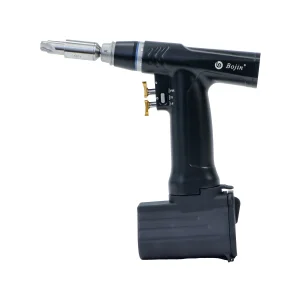
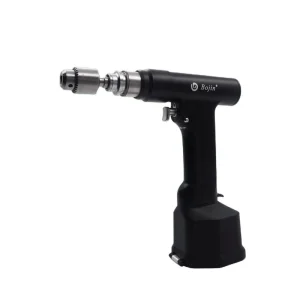
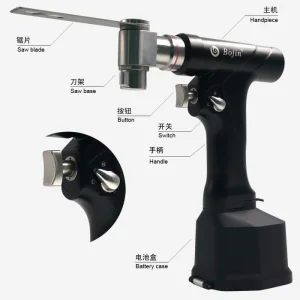
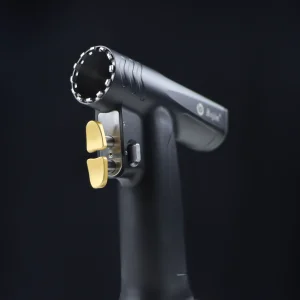
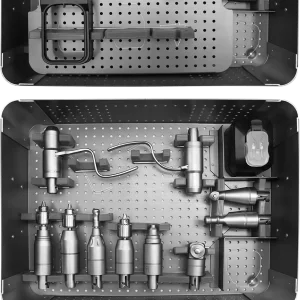
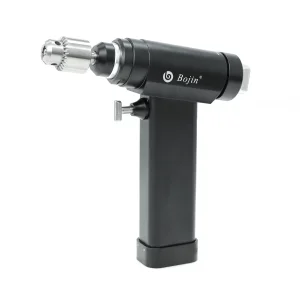
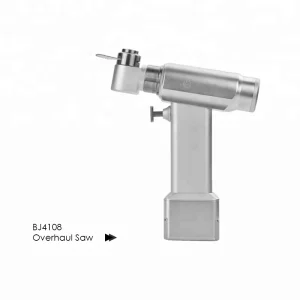
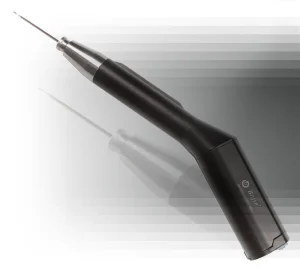
In the highly regulated arena of surgical interventions, electric hand tools have evolved far beyond basic power mechanisms. Modern clinical settings require high-torque, low-vibration, and ergonomically balanced devices capable of performing trauma reconstruction, joint replacement, and neurosurgical cranial entries with micrometer precision. Operating at the intersection of medical engineering and high-end industrial design, these tools must achieve compliance under stringent regulatory environments (such as CE MDR and FDA Class II) to guarantee safety for both surgeons and patients.
What differentiates medical-grade electric hand tools from standard high-precision industrial rotary tools is their capacity to withstand extreme thermal and chemical stresses. Autoclavable power tools must survive repetitive exposure to saturated steam at 134°C (273°F) under 2.2 bar pressure. The primary engineering bottleneck lies in the dynamic seals protecting the high-speed brushless DC motors. Our factory implements advanced Viton-based double-lip sealing assemblies combined with hermetically sealed battery contacts to prevent moisture ingress, mitigating premature motor winding failures and ensuring a longer operational lifespan.
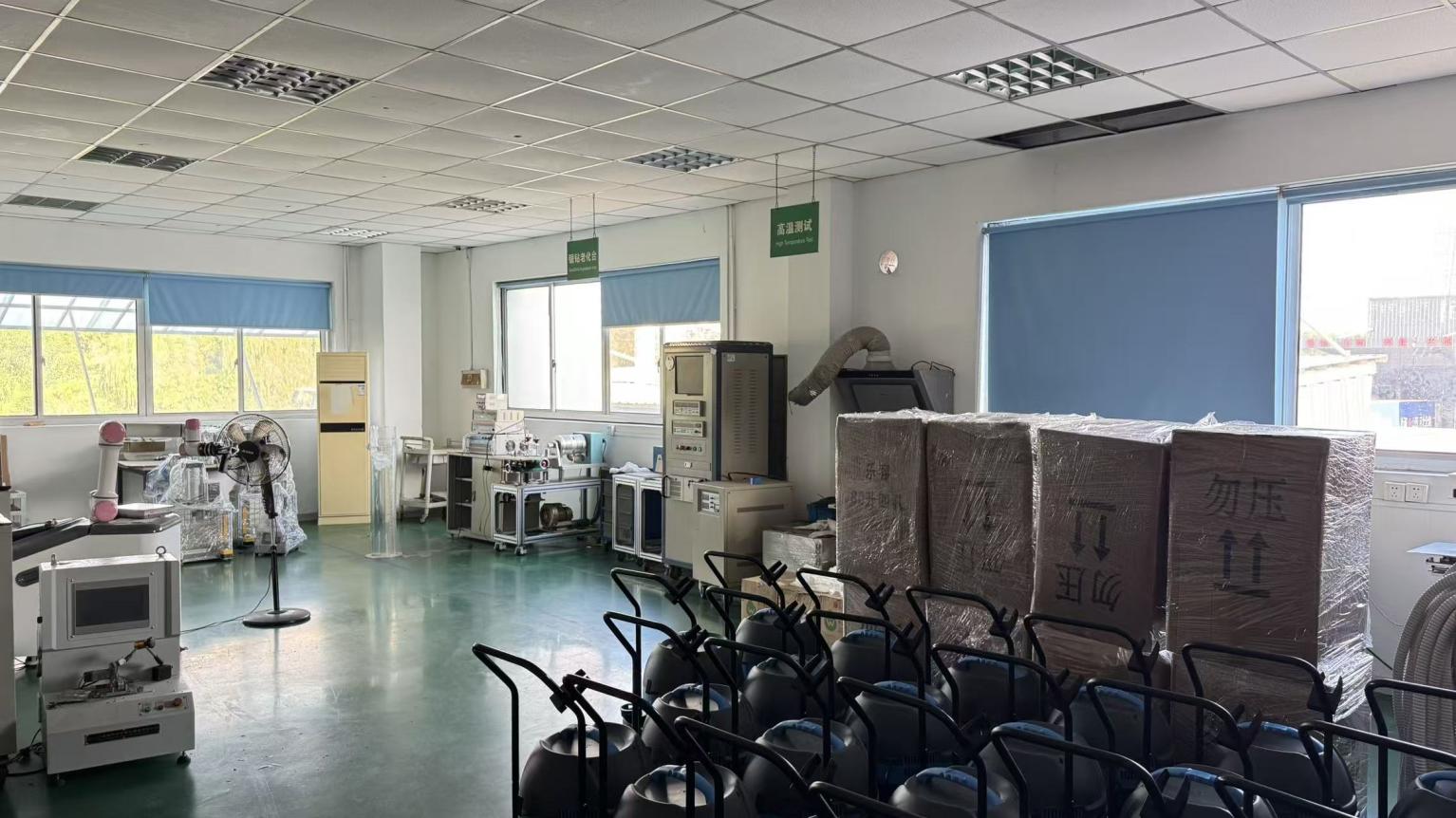
The consolidation of the precision manufacturing ecosystem in China has transformed the country into the primary sourcing hub for global orthopedic and medical electric hand tools. High-tech medical corridors like Shanghai and Suzhou have developed specialized supply chains offering instant access to raw surgical-grade materials, precision component machining, and high-performance DC motors.
Our products utilize premium biocompatible raw materials, including SUS 316L and martensitic SUS 440C stainless steel, combined with anodized aluminum alloys. These materials guarantee exceptional corrosion resistance against alkaline surgical disinfectants, biological fluids, and physiological saline solutions.
By integrating high-efficiency brushless DC motors imported from Germany, our hand tools achieve an power-to-weight ratio optimized to reduce hand fatigue for surgeons. These motors generate high rotational torque while minimizing thermal dissipation, keeping the external handpiece temperature safely below 40°C during prolonged usage.
Components such as the transmission drive shaft, planetary reduction gearboxes, and multi-functional quick-connect chucks are machined using state-of-the-art 5-axis CNC machining centers. This level of precision eliminates shaft eccentricity, reducing operational noise and physical vibration.
Expanding medical hand tool sales into highly regulated jurisdictions requires rigorous adherence to local quality standardizations. While CE (Conformité Européenne) certification serves as the baseline passport for the European Economic Area, the transition to the Medical Device Regulation (MDR 2017/745) demands deep lifecycle tracking, post-market surveillance, and comprehensive biocompatibility testing under ISO 10993 standards.
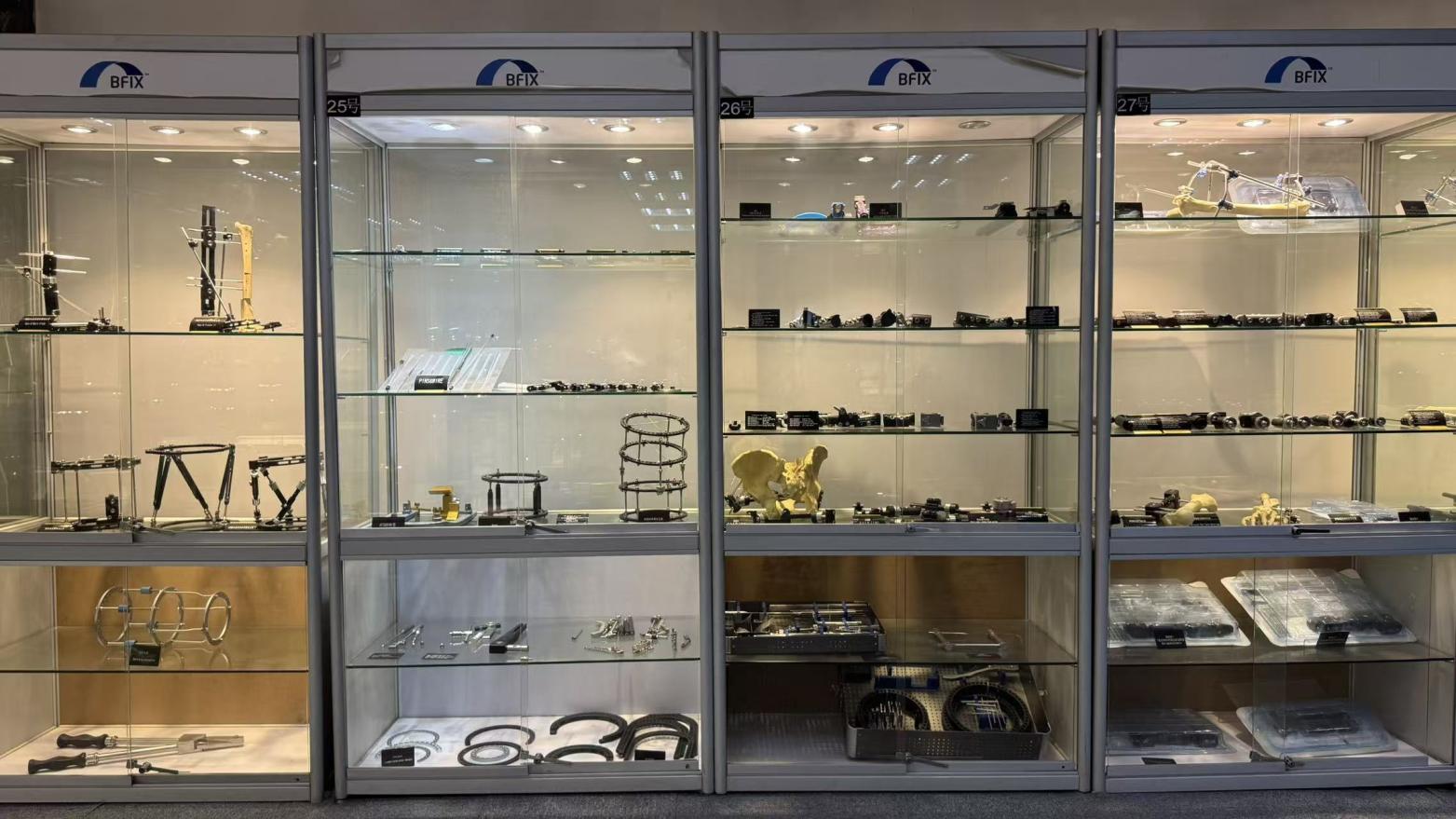
Surgical tool chargers must adapt to diverse electrical infrastructure setups across different regions. Our charging stations are equipped with universal wide-range switch-mode power supplies (SMPS) operating efficiently from 100V to 240V AC at 50/60 Hz. This design features over-current, over-voltage, and over-temperature protection circuitry, conforming to the strict safety requirements of IEC 60601-1 (Medical Electrical Equipment Safety).
Additionally, localized customer support hubs across North America, Europe, and Latin America ensure that warranty processing, component replacement, and calibration services are completed within 48 to 72 hours, reducing clinical downtime.
Hospital procurement departments and OEM distributors face complex decisions when sourcing medical electric hand tools. A key technical requirement is choosing between high-torque systems (ideal for reaming and screw-driving) and high-speed rotary systems (optimized for bone drilling and osteotomies).
During total hip or knee arthroplasty, preparation of the acetabular cup or femoral canal requires high torque at low speeds (250 to 350 RPM). Sourcing managers must specify tools utilizing planetary reduction gearboxes to multiply motor output torque without stalling, preventing thermal necrosis of the surrounding bone tissue.
Standard bone drilling requires high rotational speeds (800 to 1200 RPM) to cut cleanly through cortical bone. In this application, integrated dual-function cannulated drill attachments allow K-wires and guide rods to pass directly through the hollow drive shaft of the drill, streamlining internal fixation procedures.
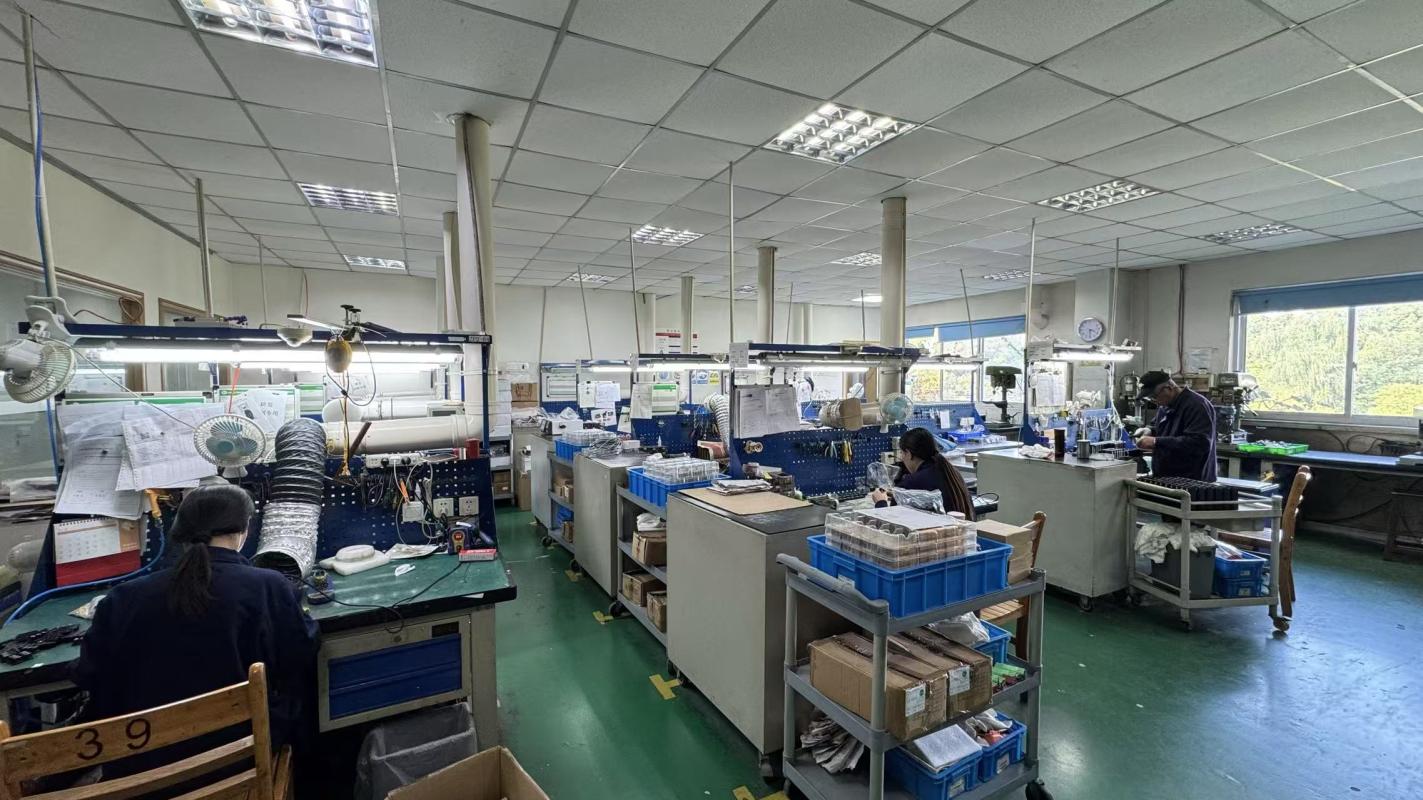
The medical electric hand tools sector is entering a digital transformation phase, driven by smart sensor technology, internet-of-things (IoT) diagnostics, and advancements in battery cells.
Next-generation surgical drills feature micro-controllers and force-feedback sensors. These systems monitor resistance in real-time, instantly reducing power when the drill bit penetrates the far cortex of the bone. This protects delicate soft tissues and vascular structures from accidental injury.
Historically, medical power tools relied on Nickel-Cadmium (NiCd) or Nickel-Metal Hydride (NiMH) batteries. Modern systems have transitioned to advanced Lithium-Iron-Phosphate (LiFePO4) and Lithium-Cobalt-Oxide (LCO) chemistries, which deliver higher energy density, consistent voltage profiles, and support up to 500 autoclave sterilization cycles without degradation.
High-end surgical tools now include Bluetooth-enabled diagnostic chips. These allow hospital bio-medical engineering departments to extract real-time data regarding sterilization counts, motor temperature cycles, battery health status, and calibration histories directly to central asset management databases.
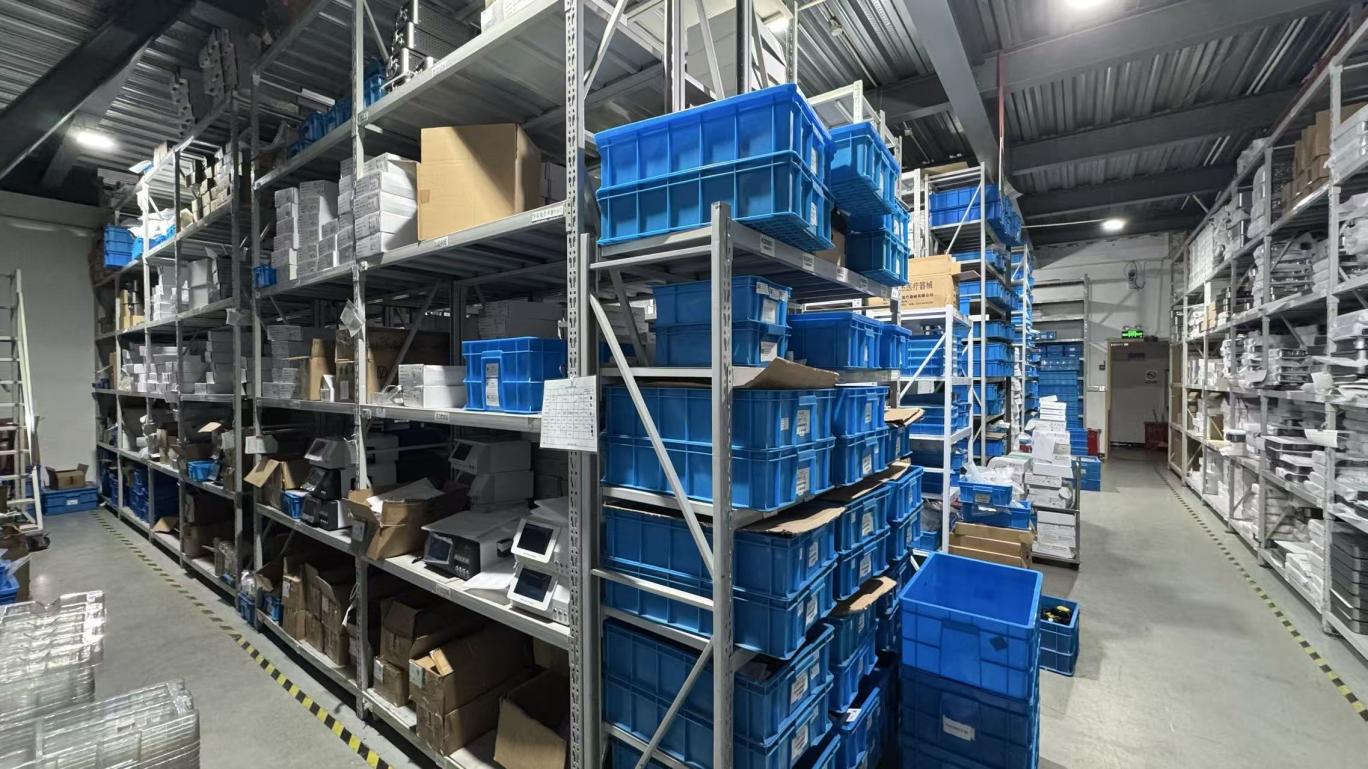
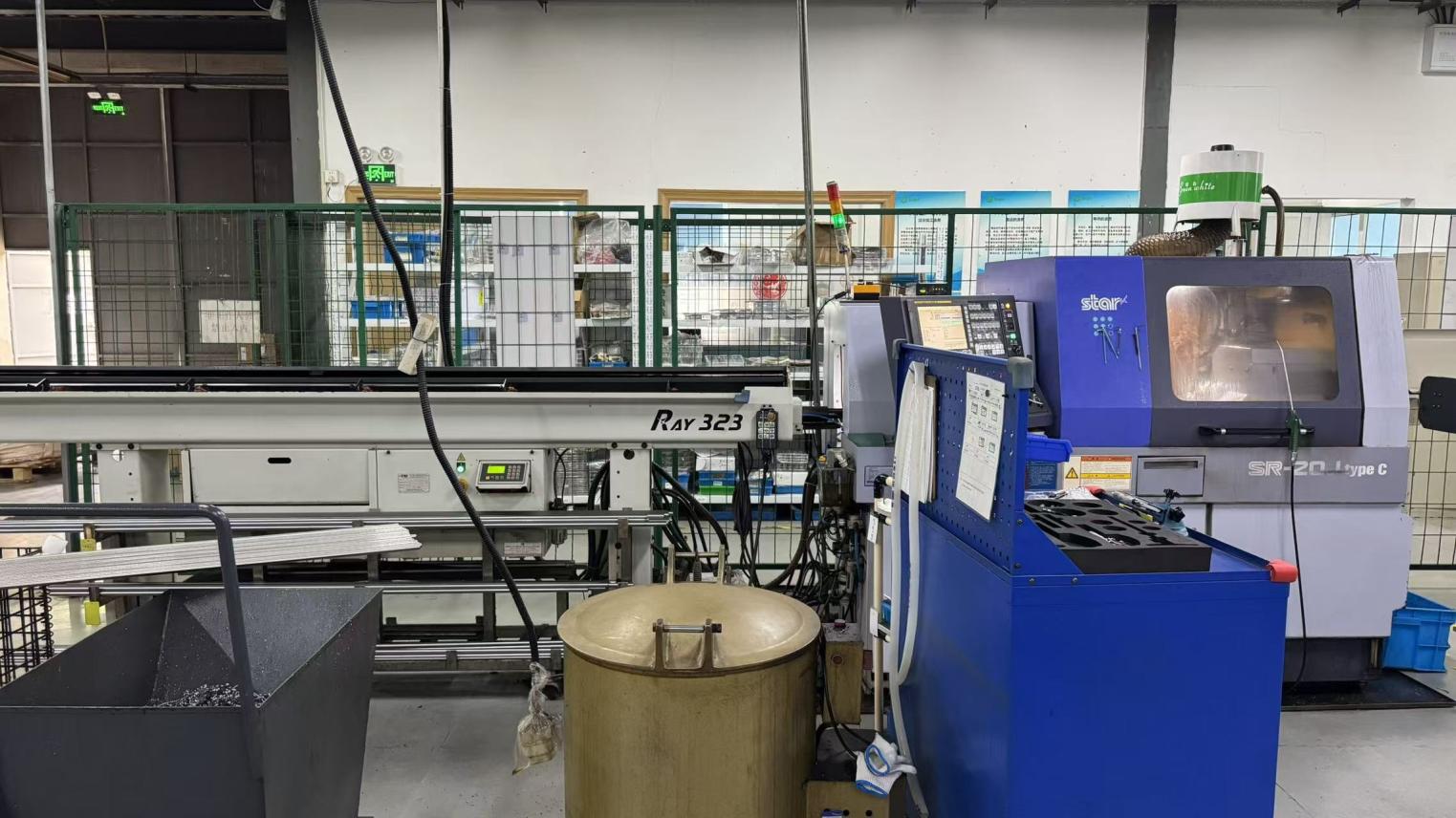
Discover our advanced orthopedic saws, high-speed drills, and specialized system components designed to deliver consistent performance in demanding operating environments.
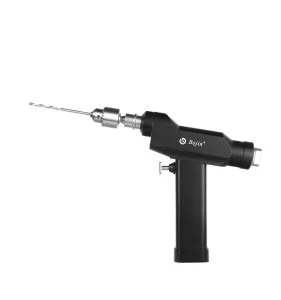
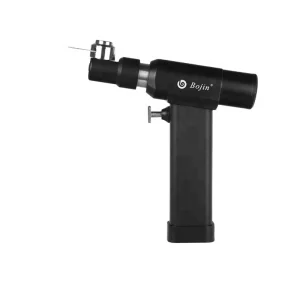
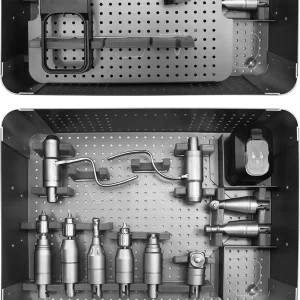
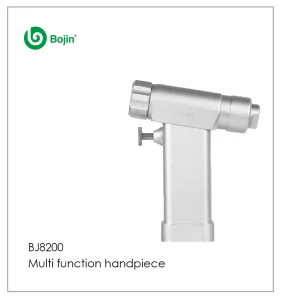
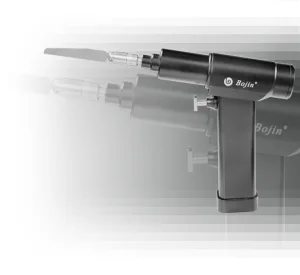
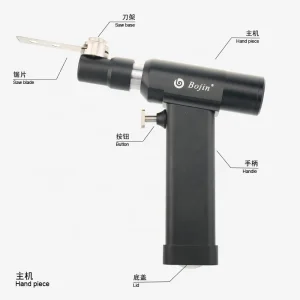
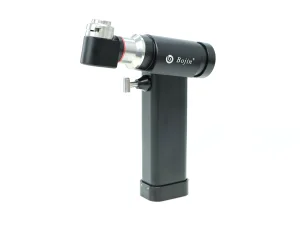
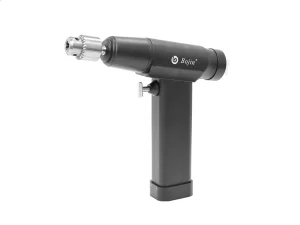
Find authoritative answers regarding certifications, regulatory compliance, factory customizations, and technical specifications for medical electric hand tools.
Our manufacturing facility is dedicated to precision engineering and medical safety, and operates under strict international medical standards. We maintain complete traceability for all raw materials, CNC machining logs, and cleanroom packaging cycles to ensure consistency across every batch.


 BD Medical