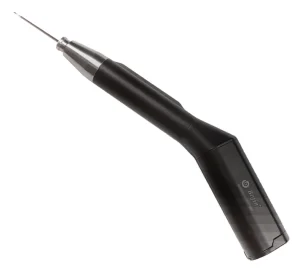
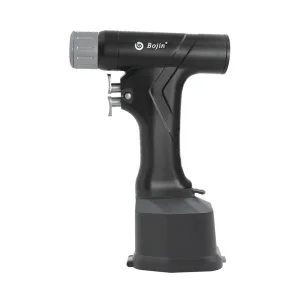
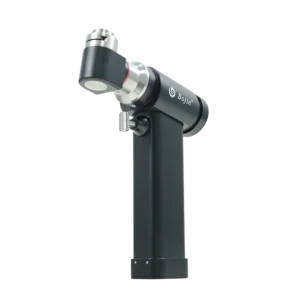
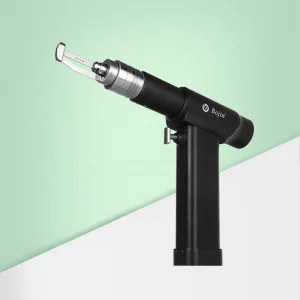
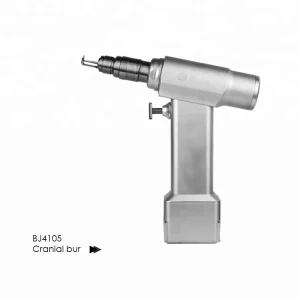
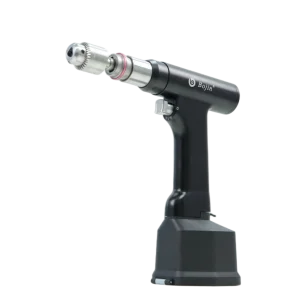
Explore our premium class single-function surgical drivers, designed specifically to deliver optimal torque, high-speed stability, and rigorous durability under autoclaving conditions.
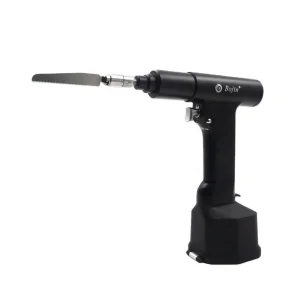
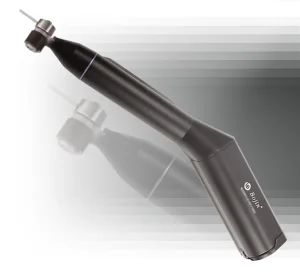
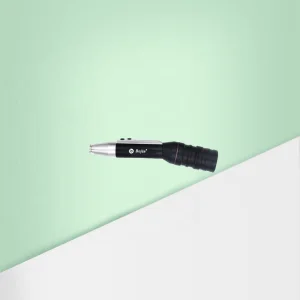
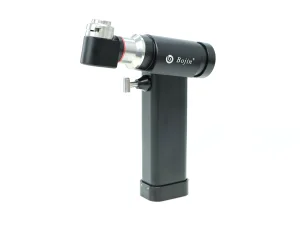
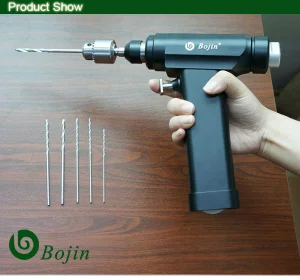
Addressing the shifting paradigm in micro-orthopedic surgery: why clinical standards mandate dedicated, single-function power instruments.
Within modern operating rooms, surgical efficiency and tool reliability are directly linked to patient outcomes. Traditionally, multi-functional modular handpieces served as a general standard. However, international clinical reviews highlight that modular adapters introduce friction, structural tolerances, and complicated sterilization paths. This has driven a shift towards Premium Level Single-Function Power Tools.
Single-function systems—such as dedicated micro-reciprocating saws or dedicated pen-shaped drivers—are engineered around a fixed, optimized gear ratio and motor profile. By removing modular locking components, manufacturers reduce physical wear and potential failure points, yielding a longer functional lifespan. This engineering methodology minimizes micro-vibrations, giving surgeons better feedback during osteotomy procedures near vital nerves and blood vessels.
"Clinical feedback confirms that single-function micro-power tools reduce handpiece fatigue by up to 22% compared to multi-tool systems, while delivering consistent torque outputs without heat build-up."
Additionally, small bone procedures (maxillofacial, extremities, and hand/foot reconstructions) require dynamic response curves rather than simple brute force. Premium-level tools feature digital motor controllers that monitor resistance in real-time, preventing bone necrosis and tool binding during high-speed actions.
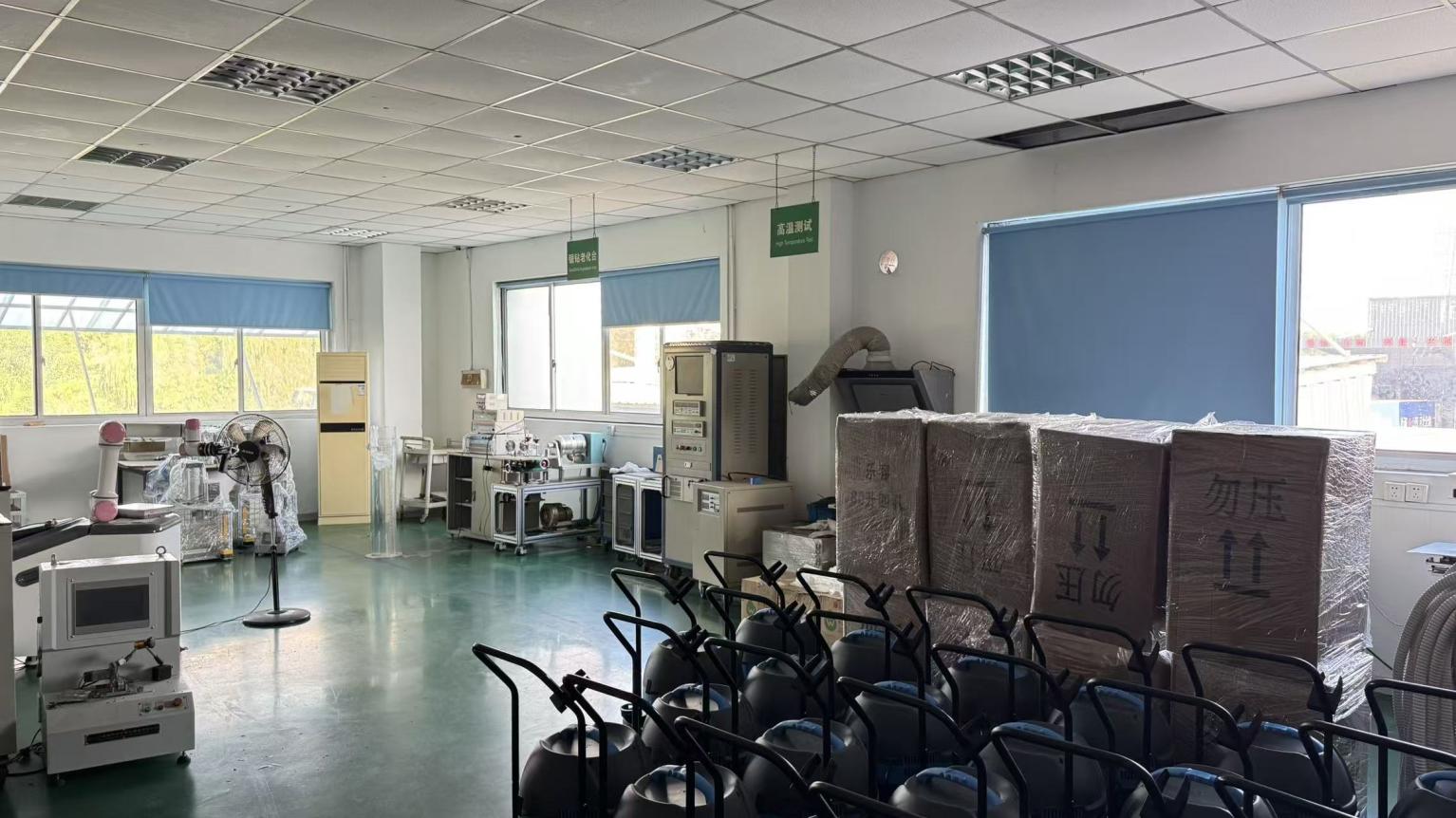
Analyzing the design parameters that distinguish premium-level surgical power tools from standard clinical models.
Utilizing brushless motor architectures imported from Germany, our handpieces offer high rotational efficiency with minimal rotor mass. This helps prevent sudden load stalling and lowers heat dissipation under continuous heavy use.
Autoclave dynamics expose tools to moisture and high pressure. Our premium handpieces use proprietary double-lip synthetic seals and laser-welded stainless housing, protecting internal components up to IPX8 liquid ingress standards.
Our handpieces are designed to keep the center of gravity balanced in the surgeon's hand. Pen-shaped profiles and low-profile triggers reduce wrist fatigue during precise, lengthy reconstructions.
Autoclave Steam Resistance
Acoustic Operating Noise Level
Standard Operating Lifespan (Hours)
Oscillating Axis Precision Deviation
The progression of our micro-surgical tool designs, emphasizing sealing, material science, and battery integration.
Integrating brushless German motors with digital feedforward controls to balance torque delivery and heat dissipation, preventing thermal necrosis.
Using titanium-aluminum alloys and surgical grade 316L stainless steel for components, reducing handpiece weight while maintaining resistance to corrosive saline and biological fluids.
Developing low-impedance power pathways and quick-release battery locking systems that withstand steam sterilization without cell damage.
Developing micro-sensor systems to monitor real-time bone density, dynamically regulating rotational speeds to help protect surrounding soft tissues.
A detailed look at our production quality, materials testing, and physical system packages.
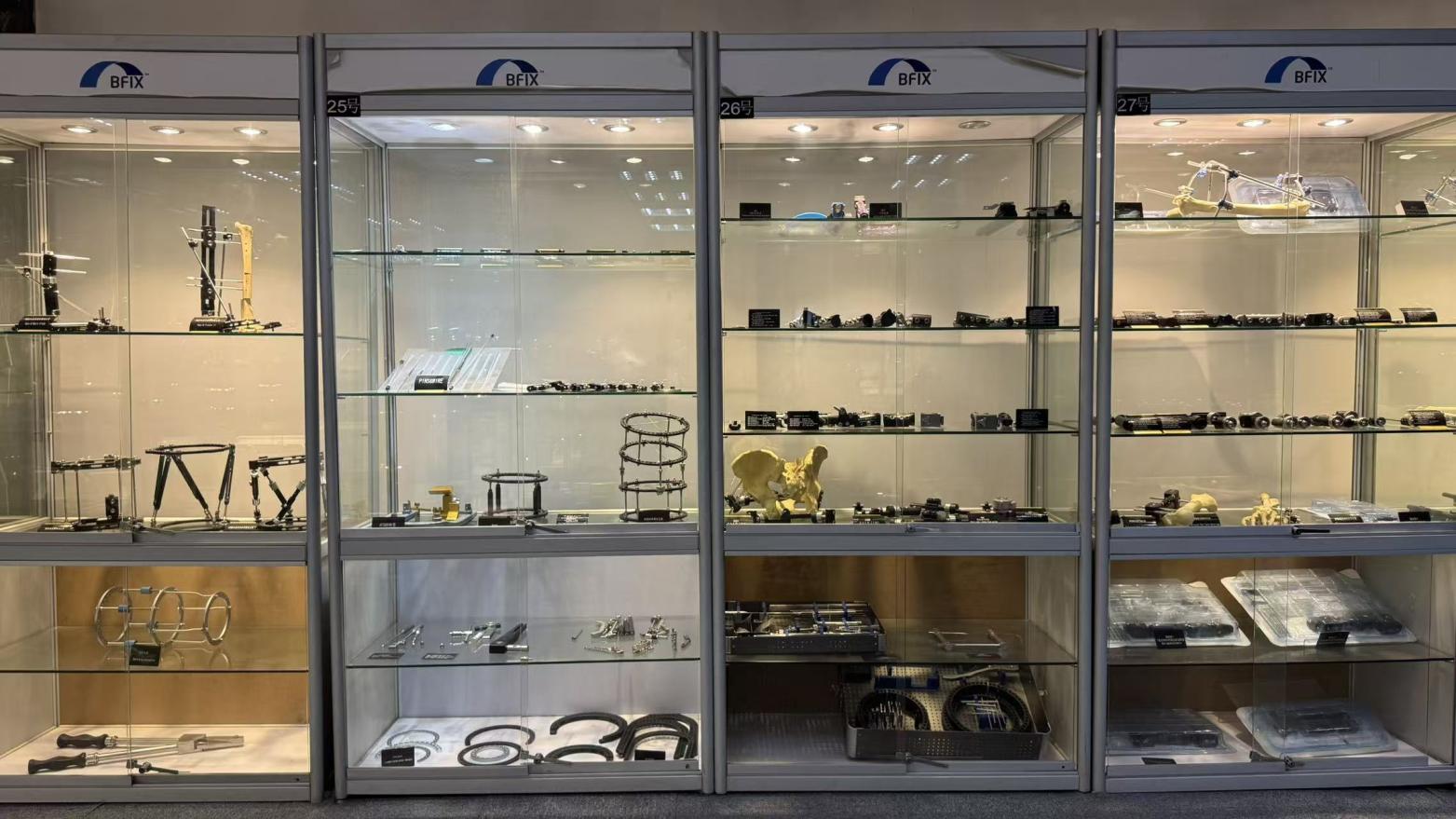
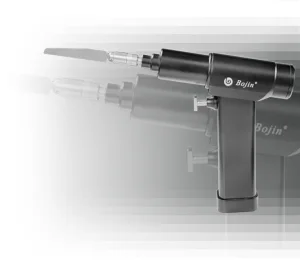
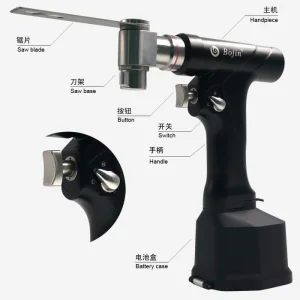
Dedicated configuration with quick-mount saw interfaces, balanced weighting, and integrated cooling channels for extremity osteotomy.
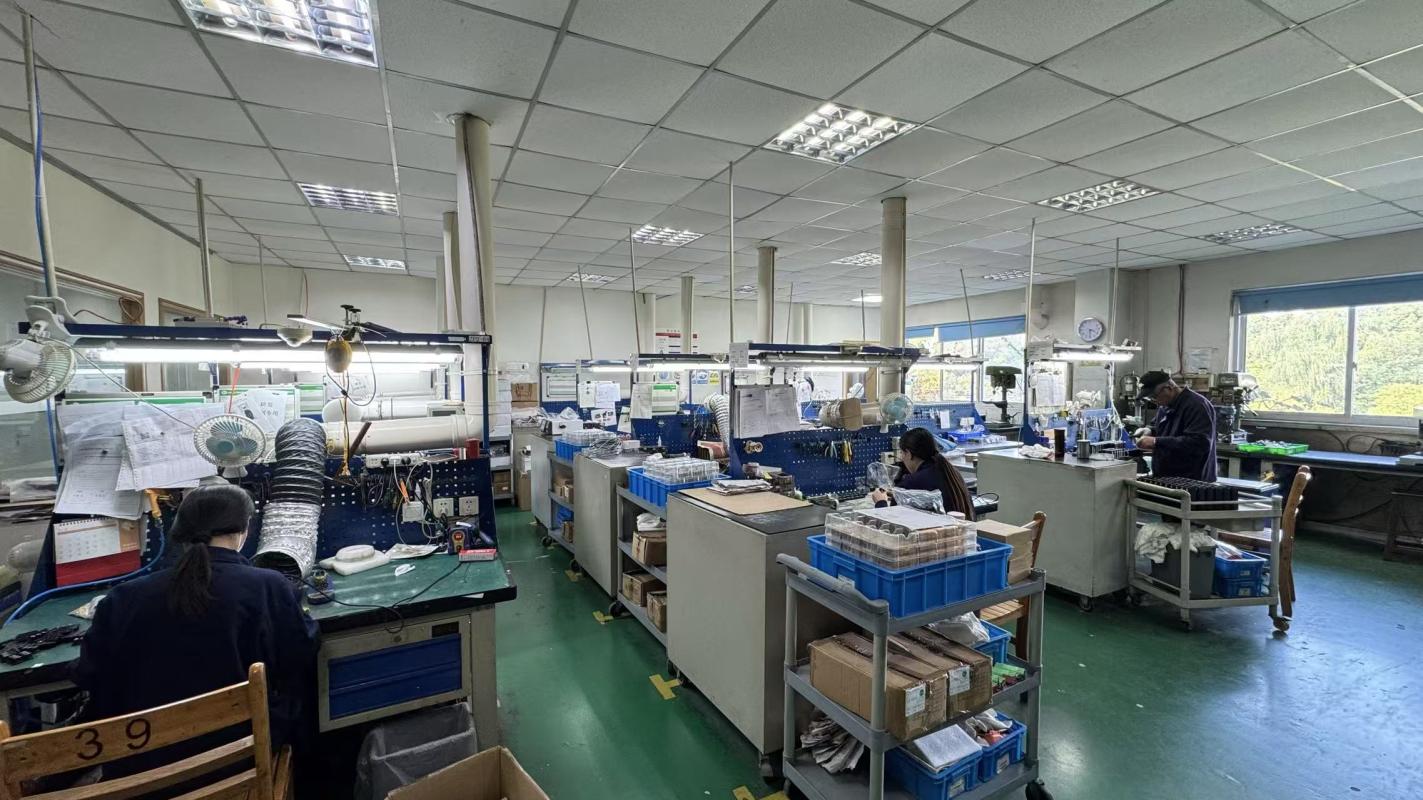
Each unit undergoes dynamic torque balancing and sealing integrity tests to guarantee performance during high-speed bone drilling.
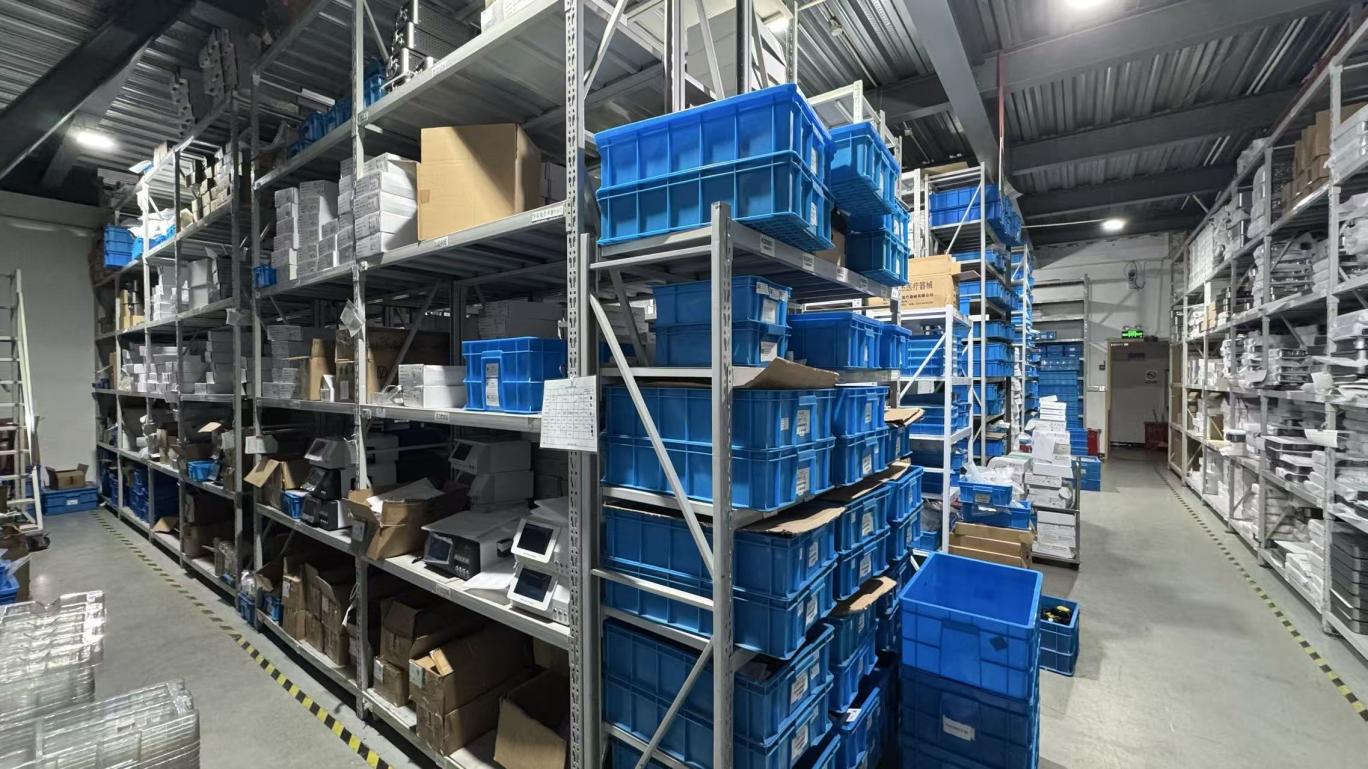
Equipped with microprocessors to monitor cell health, control temperature during charging, and maximize battery lifecycle.
Anodized aluminum storage cassettes designed for optimal steam circulation, keeping components secure and sterile.
Our manufacturing sites adhere strictly to international standards, ensuring patient safety and device traceablity.

ISO 13485
SX 2182378-1

IEC 60601
CN22QF7O 001
Our Quality Management System meets the requirements of ISO 13485:2016 for orthopedic medical devices. Product designs conform to IEC 60601-1 electrical safety guidelines, ensuring low electromagnetic interference and reliable insulation in critical surgical environments.
To support global hospital networks, we maintain regional service partners across North America, the EU, Latin America, and Southeast Asia. We supply authorized spare parts, battery maintenance kits, and calibration services to help minimize equipment downtime.
Sourcing, sterilization, and operational answers for biomedical engineers and surgical directors.
Single-function premium systems are built around a fixed gear train, direct shaft alignment, and specialized motor windings. Removing quick-change adapters eliminates mechanical tolerances, minimizes friction wear, and reduces paths for moisture ingress during cleaning. This extends the tool's operating life and delivers consistent torque control directly to the cutting tip.
Our handpieces and attachment housings withstand steam-vacuum autoclaving cycles up to 134°C - 137°C (approx. 2.2 bar pressure) for 15-20 minutes. Batteries should be sterilized using low-temperature gas plasma (such as STERRAD) or removed before autoclaving, depending on the model's instructions, to protect lithium-ion cell chemistry.
Brushless motors use electronic commutation rather than mechanical brushes, reducing internal friction, noise (under 55dB), and heat generation. This design delivers higher torque-to-weight ratios, helping prevent hand fatigue and protecting adjacent bone tissue from overheating.
ISO 13485:2016 ensures strict manufacturing and traceability controls for medical devices, while IEC 60601-1 defines electrical safety and electromagnetic standards. Having both certifications helps clinical institutions pass regulatory audits and ensures high patient safety standards.
Our medical-grade battery packs use premium lithium-ion cells that maintain over 80% capacity after 500 charge-discharge cycles. They feature built-in thermal protection to prevent overheating during both surgical use and fast-charging cycles.
Yes. The high torque-to-weight ratio and variable speed control make these tools suitable for small-animal osteotomy, spinal decompression, and veterinary trauma surgery, as well as human clinical applications.
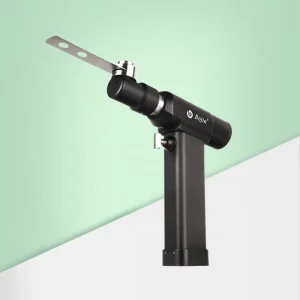
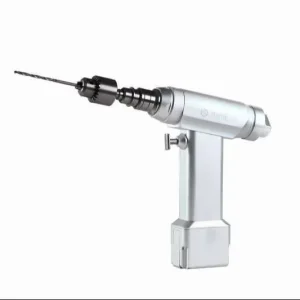
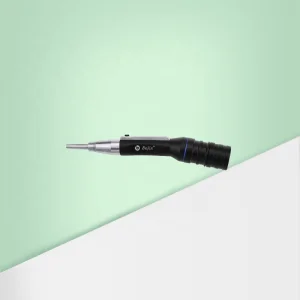
Dedicated specialty saws, drills, and reaming drivers designed for cardiothoracic, joint, and cranio-maxillofacial surgical environments.
 BD Medical