Engineered for extreme reliability, sterilization longevity, and anatomical precision in micro-surgical environments.
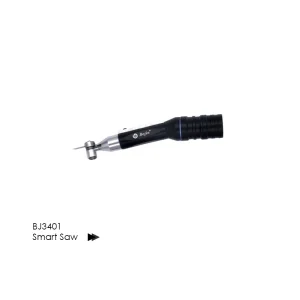
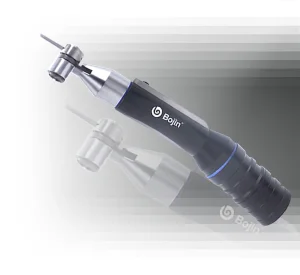
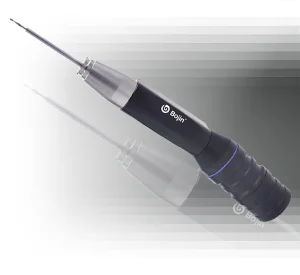
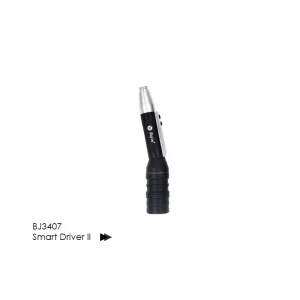
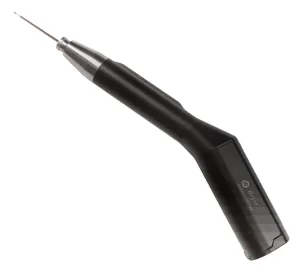
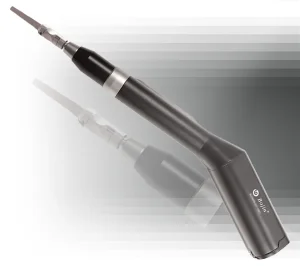
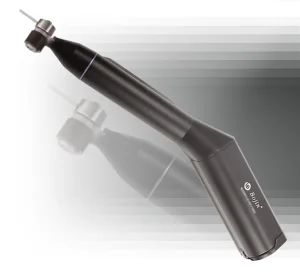
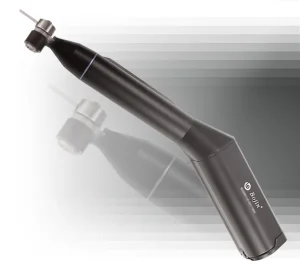
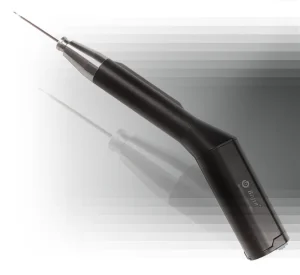
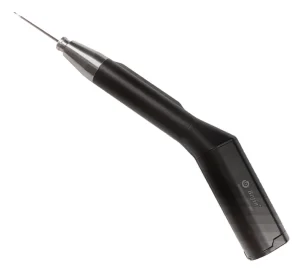
In modern micro-orthopedics and maxillofacial reconstruction, precision is not merely a preference; it is the ultimate clinical threshold. The evolution of small bone power tool pen drives—often referred to as pen-style battery-driven medical drivers—has revolutionized surgeries where spatial margins are measured in fractions of a millimeter. Unlike heavy, traditional pistol-grip orthopedic drills designed for large bone joint replacement, micro-surgical pen drives allow surgeons to maintain a pencil-like grip. This ergonomic layout dramatically reduces operator hand fatigue and enhances tactile feedback during delicate bone shaving, screw insertion, and osteotomy cuts.
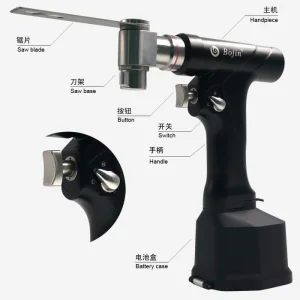
Technically, a modern pen drive surgical unit houses a high-efficiency brushless DC (BLDC) motor, custom planetary micro-gearing, and a high-density lithium-ion power cell within a hermetically sealed, autoclavable titanium or medical-grade stainless steel chassis. These systems are engineered to run cool, avoiding thermal necrosis of bone tissues while delivering high rotational speeds (up to 80,000 RPM in burring mode) and high torque profiles at lower speeds for precision screw fixation.
For medical device distributors, purchasing managers of large hospital networks, and OEM brand coordinators, sourcing reliable small bone power tools involves stringent quality audits. The global commercial landscape demands products that lower the Total Cost of Ownership (TCO) through extended sterilizing lifecycles. Traditional surgical power tools often suffer from battery degradation and fluid ingress during autoclaving. Today, global buyers prioritize the following attributes:
Safety is validated by rigid adherence to international standards. Hospital compliance protocols require suppliers to present verifiable certification credentials. Shanghai Bojin maintains global engineering trust through recognized testing pathways.

Standard for Medical Devices Quality Management Systems

Electrical Medical Equipment Safety Standards
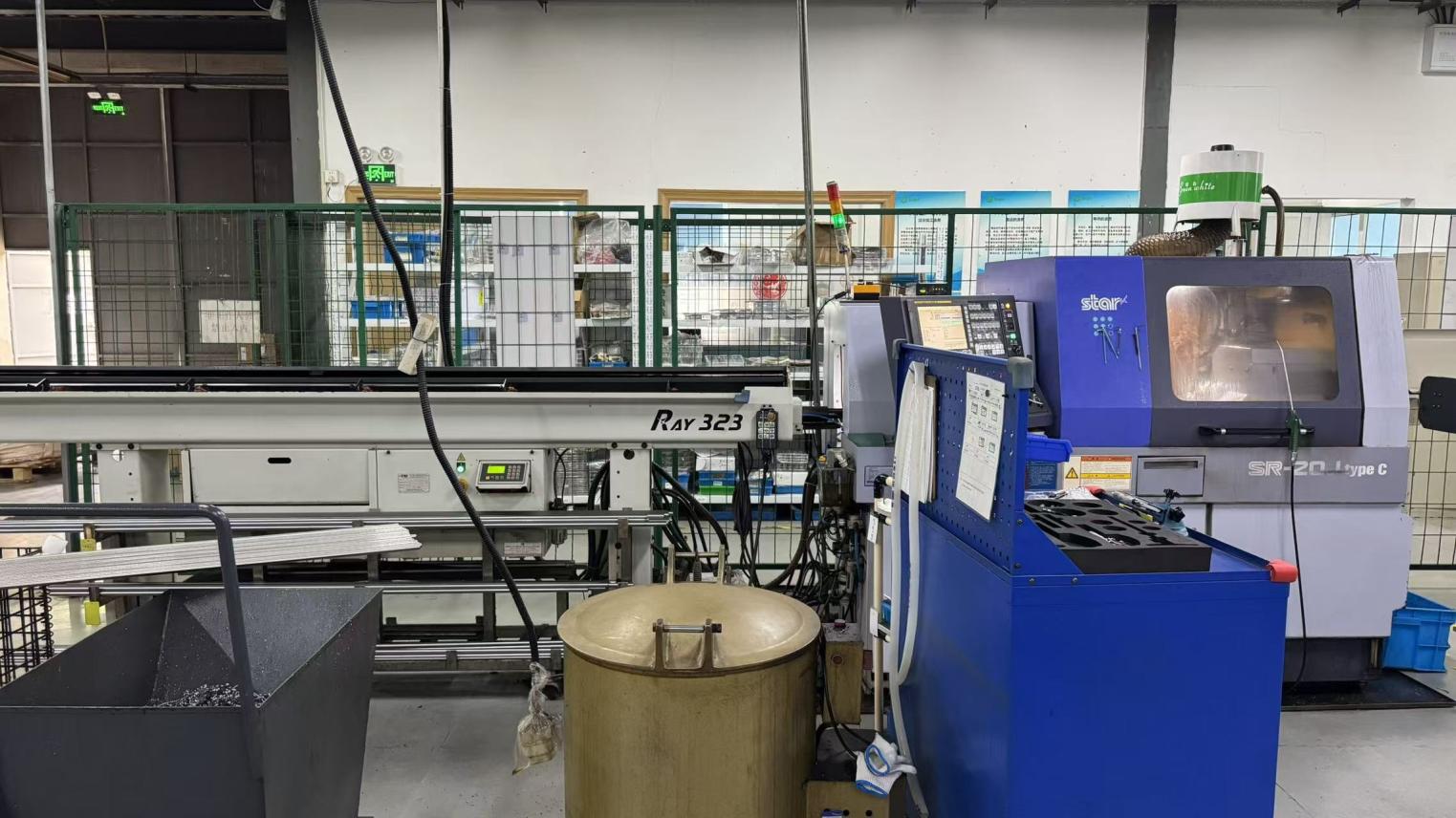
The manufacturing ecosystem of small bone power tools in China has transitioned from standard component assembly to advanced, automated Industry 4.0 smart factories. Companies like Shanghai Bojin utilize high-precision Swiss CNC machining centers, automated robotic winding for brushless motors, and AI-driven optical inspection stations. This state-of-the-art process guarantees micron-level tolerances for critical components, including rotor shafts, gearboxes, and quick-connect coupling mechanisms.
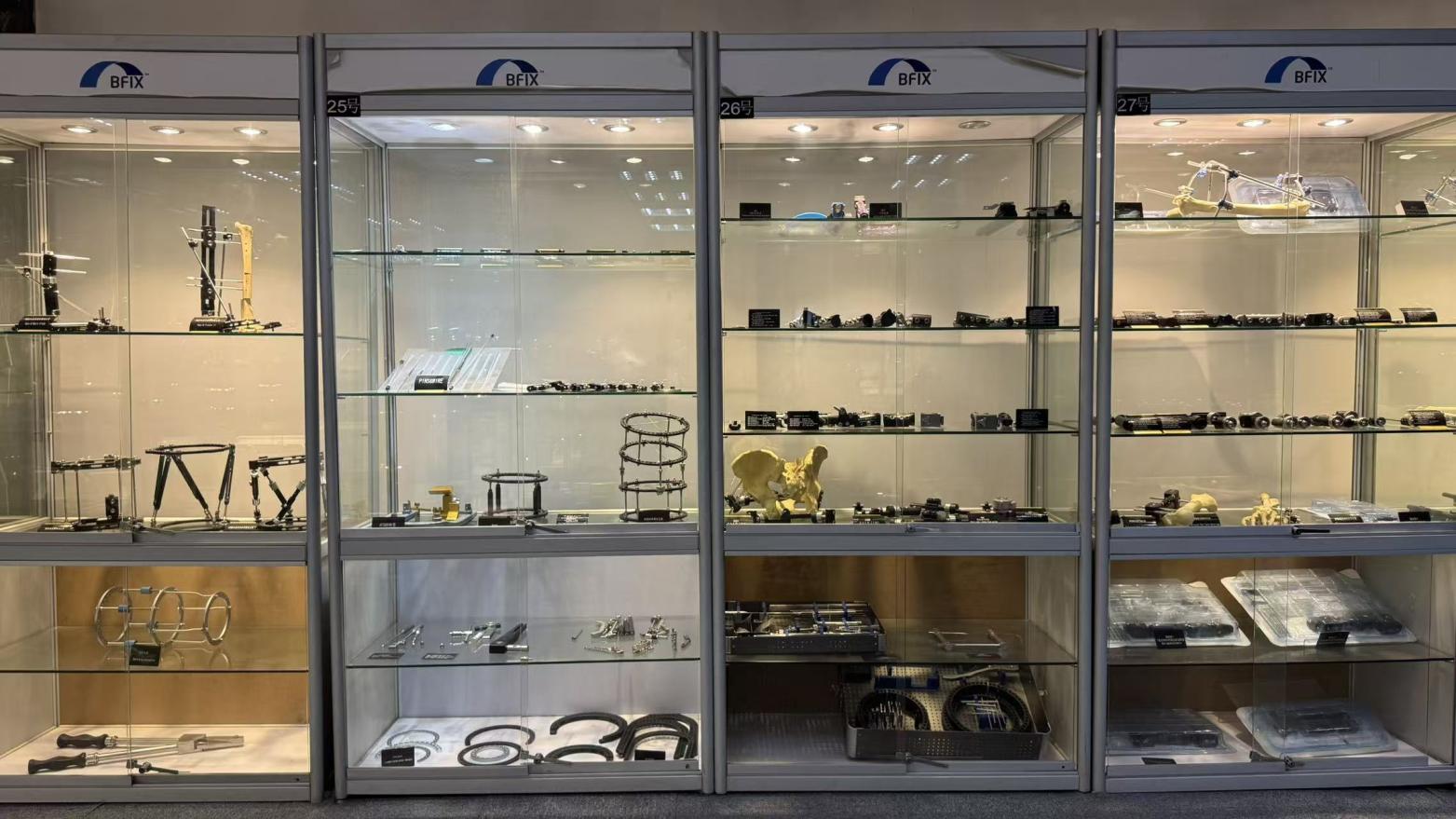
Furthermore, local supply chain integration in key industrial zones like Shanghai enables comprehensive verification testing. Every pen drive, oscillating sagittal saw, and cranial bur undergoes dyno torque output tests, thermal buildup profiling, and electrical insulation tests under load. For international buyers, this ensures consistent reliability, bypassing the common failure rates associated with lower-tier medical tool suppliers.
Understanding which tool configuration suits specific surgical interventions is crucial for clinical and commercial matching. Below is a comparative breakdown of key pen-style micro power systems:
Small bone surgical pen drives are configured differently based on the regulatory environment, local hospital capabilities, and surgical styles in various global regions:
These facilities require highly modular systems like the BOJIN SYSTEM 3401-IV. The preference is for lithium-ion battery integration which reduces overall device weight while providing extended power runtimes. Advanced sealing technology is required to withstand high-volume reprocessing cycles in central sterile services departments (CSSD).
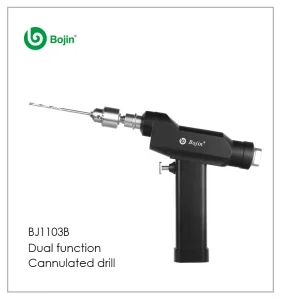
Here, value and versatile multifunctionality dominate purchasing choices. A single handpiece drive console that can swap between a sagittal saw, cannulated drill, and electric screwdriver (such as the Bojin 3402 series) reduces capital expenditure while supporting a wide array of outpatient surgeries.
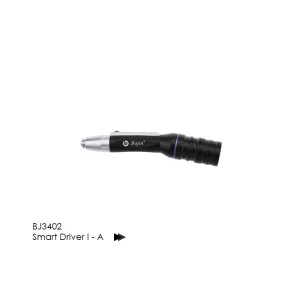
These applications demand absolute control over torque output. The BJ3402-IV smart electric screwdriver prevents damage to thin facial bone structures. Integrating variable speed controls directly into the handpiece body allows surgeons to adjust parameters instantly without relying on foot pedals.
Q1: How does the sterilization method affect the longevity of surgical pen drives?
Sterilization processes like steam autoclaving (134°C) expose medical tools to extreme heat and pressure. High-quality manufacturers use customized fluororubber O-rings and hermetic laser welding to seal the internal motor housing. This prevents steam ingress, which causes short-circuits in lower-quality tools.
Q2: What is the advantage of lithium-ion batteries over NiMH in modern small bone power tools?
Lithium-ion batteries offer higher energy density, providing consistent voltage throughout their discharge cycle. This keeps motor speed and torque steady. They are also lighter, which helps reduce hand fatigue during long surgeries, and do not suffer from the "memory effect" common in NiMH batteries.
Q3: Can these mini-sagittal saws cut through hard cortical bone without overheating?
Yes. Models like the BJ3401 are designed with specialized blade attachments and high-frequency, low-amplitude oscillation arcs. This allows clean cuts through hard cortical bone with minimal friction and thermal buildup, reducing the risk of bone necrosis.
Q4: What design features prevent hand fatigue for surgeons?
Key features include an ergonomic pen-style grip, lightweight materials like titanium alloys, and balanced weight distribution. Placing the battery pack near the back of the handpiece helps balance the tool during precise micro-surgical work.
Q5: What are the standard lead times for bulk OEM orders from Chinese factories?
For established manufacturers utilizing Industry 4.0 production lines, standard lead times for typical orders range between 4 to 6 weeks. This includes full quality control testing, matching custom attachments, and secure export packaging.
Q6: How is the torque regulated in micro-screwdriving procedures?
Modern smart drivers (like the BJ3407-IV) use electronic torque sensors and variable speed limits. Once the screw meets the preset torque threshold, the controller cuts power to the motor, preventing bone damage or screw stripping.
Q7: What certifications are required to import these devices into the European Union?
Importing into the EU requires compliance with the Medical Device Regulation (MDR 2017/745), alongside ISO 13485 certification for the production facility and IEC 60601 testing for electrical safety.
Q8: Are the attachments between different BOJIN series interchangeable?
Yes. System 3401 and 3402 use standard modular coupling connections. This allows quick swapping of attachments like drills, sagittal saws, and burrs, which helps lower the overall cost of surgical equipment.
Explore our full range of high-precision orthopedic saws, smart drivers, and specialty cranial burrs.
 BD Medical