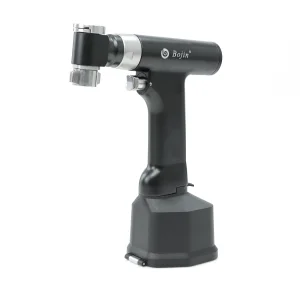
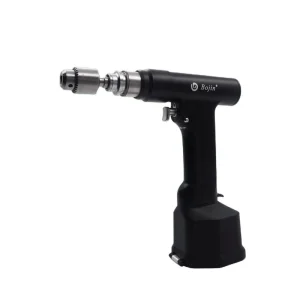
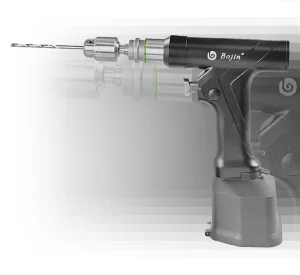
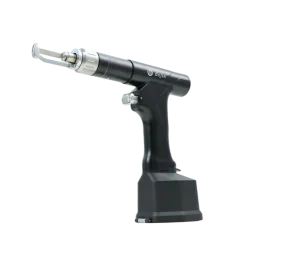
Our premier line of surgical power tools delivers industry-leading torque, autoclave endurance, and brushless motor stability. Chosen by elite medical institutes and B2B distributors across 60+ countries.
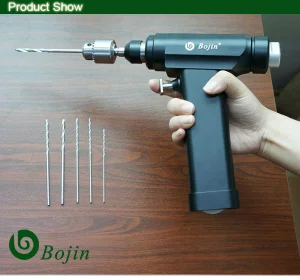
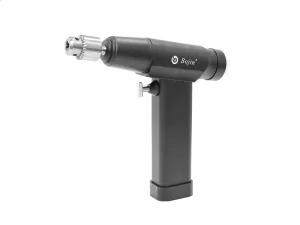
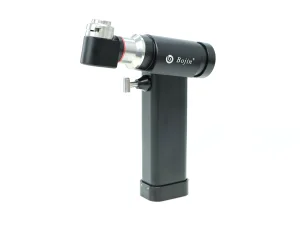
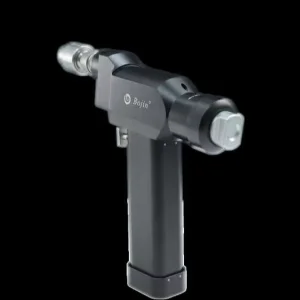
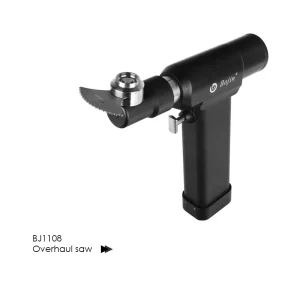
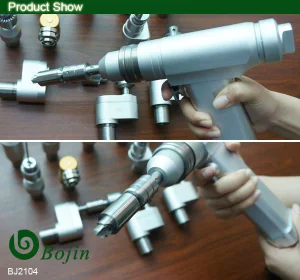
The global market for orthopedic surgical devices is undergoing a major paradigm shift. Large bone power tools—specifically designed for major surgical interventions such as Total Joint Arthroplasty (TJA), internal fixation of long bone fractures, and cardiothoracic procedures—are no longer considered basic hardware. They are high-precision bio-mechanical instruments requiring severe engineering standards.
With clinical requirements emphasizing reduced operative times and improved surgeon ergonomics, global demand has surged for lightweight yet powerful handpieces. Healthcare systems across North America, Europe, and the Asia-Pacific region are prioritizing dynamic tools that offer dual-trigger speed controls, low noise levels, and elevated safety measures to protect sensitive surrounding tissues.
"Precision bone resection, high-speed drilling, and reliable reaming systems directly impact patient recovery rates and long-term joint alignment integrity."
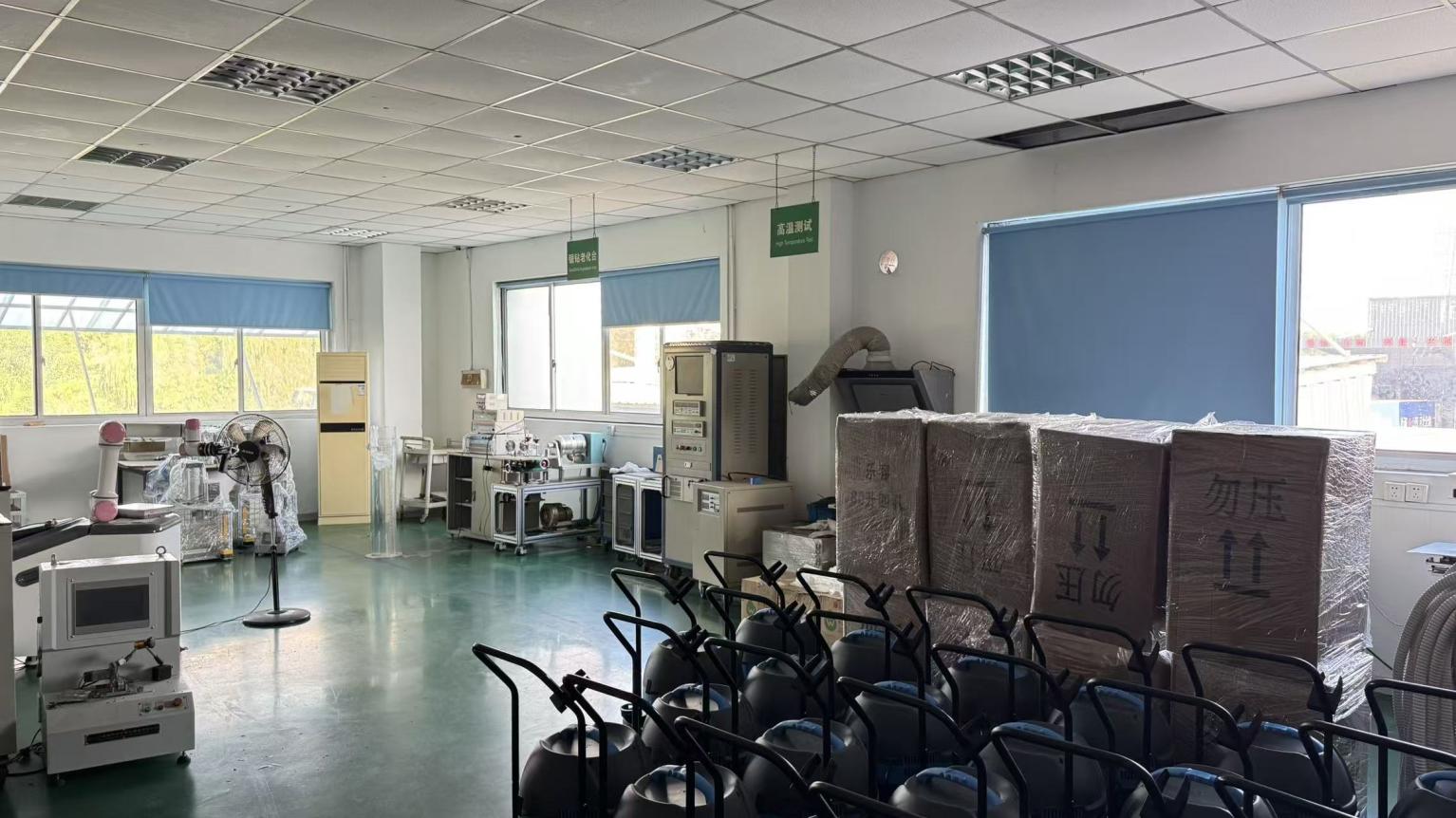
Why do leading medical brands and healthcare procurement agents source their orthopedic equipment from our Shanghai-based facilities? It comes down to structural engineering excellence, raw material sourcing dominance, and advanced manufacturing workflows.
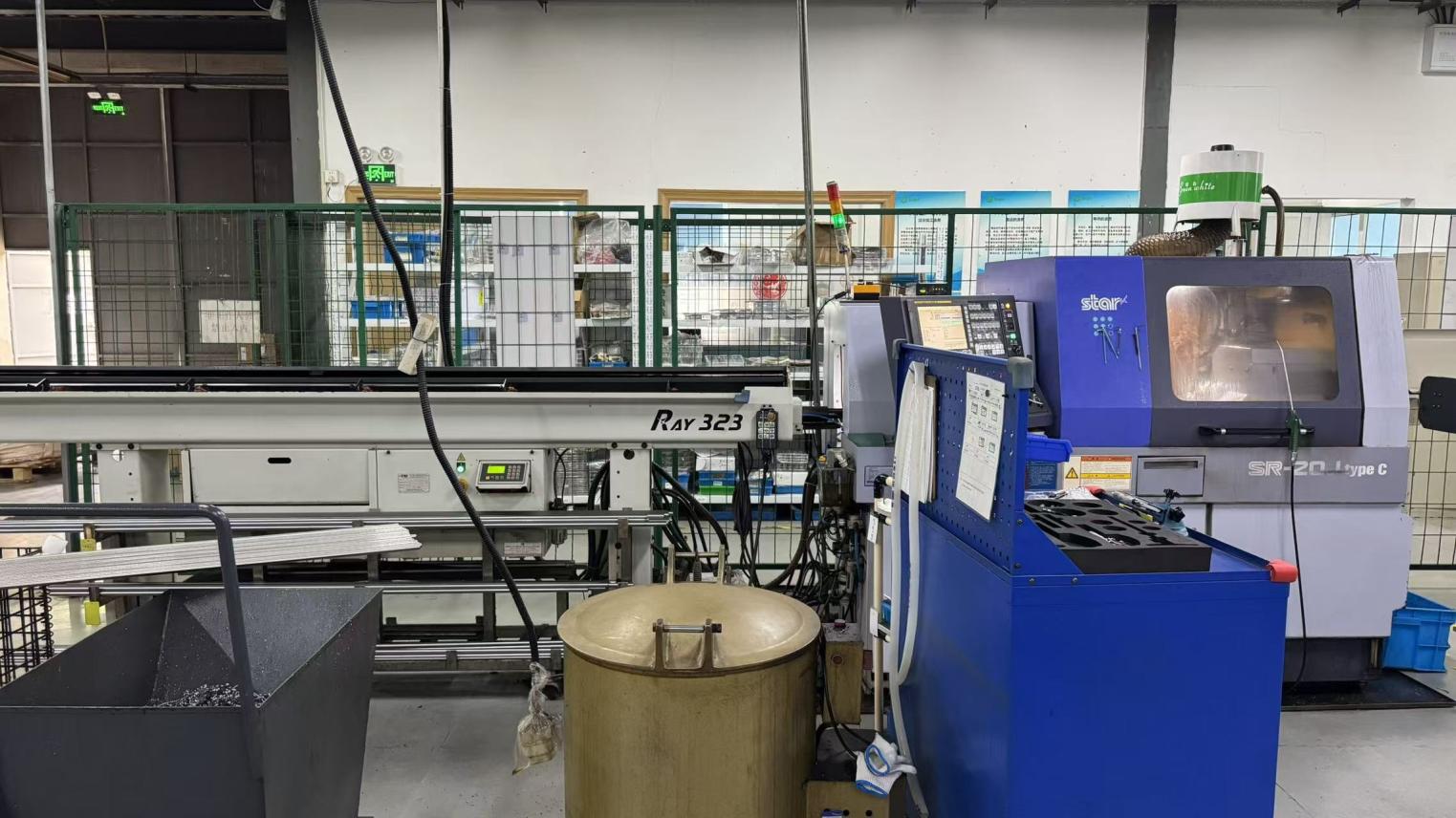
Our plants house top-tier multi-axis Swiss CNC machines. This guarantees micro-level alignment of internal components, drastically reducing vibrations and mechanical heat during intensive bone cuts.
Every handpiece, sagittal saw blade, and battery pack undergoes rigorous testing. We simulate over 500 autoclave cycles to guarantee that waterproofing and thermal resistance meet strict ISO13485 regulations.
Positioned near key global shipping corridors, we deliver fast B2B freight access and rapid customs clearance, reducing average procurement lead times by up to 25% compared to Western manufacturers.
Large bone power systems must adapt to specific surgical disciplines. Below are the key localized clinical scenarios where our equipment delivers optimal output:
| Surgical Discipline | Core Requirement | Target Range (RPM/Torque) |
|---|---|---|
| Joint Arthroplasty (TJA) | Continuous high-torque acetabulum reaming | 200 – 350 RPM / 3.5 – 5.5 N.m |
| Trauma Fixation | High-speed drilling & precise K-wire insertion | 800 – 1200 RPM / 1.2 – 2.0 N.m |
| Cardiothoracic Sternotomy | Fast sternum oscillation / clean cut surfaces | 12,000 – 18,000 CPM / High Amplitude |
| Neurosurgery (Cranial) | Safety-guided cranial access / auto-stop burrs | 600 – 900 RPM / Precise Torque Control |
Total Joint Arthroplasty (THA & TKA): Standard reaming requires exceptional, steady torque without speed degradation. If the drill stalls during reaming, bone thermal necrosis can occur. Our systems maintain constant torque outputs even under dense cortical bone load.
Cardiothoracic Care: For sternum procedures, our specialized redo saws (such as the BJ1108 and BJ5508) provide exact oscillation frequencies. The micro-oscillating motion ensures clean cuts, reducing trauma, minimizing blood loss, and speeding up sternal recovery times.
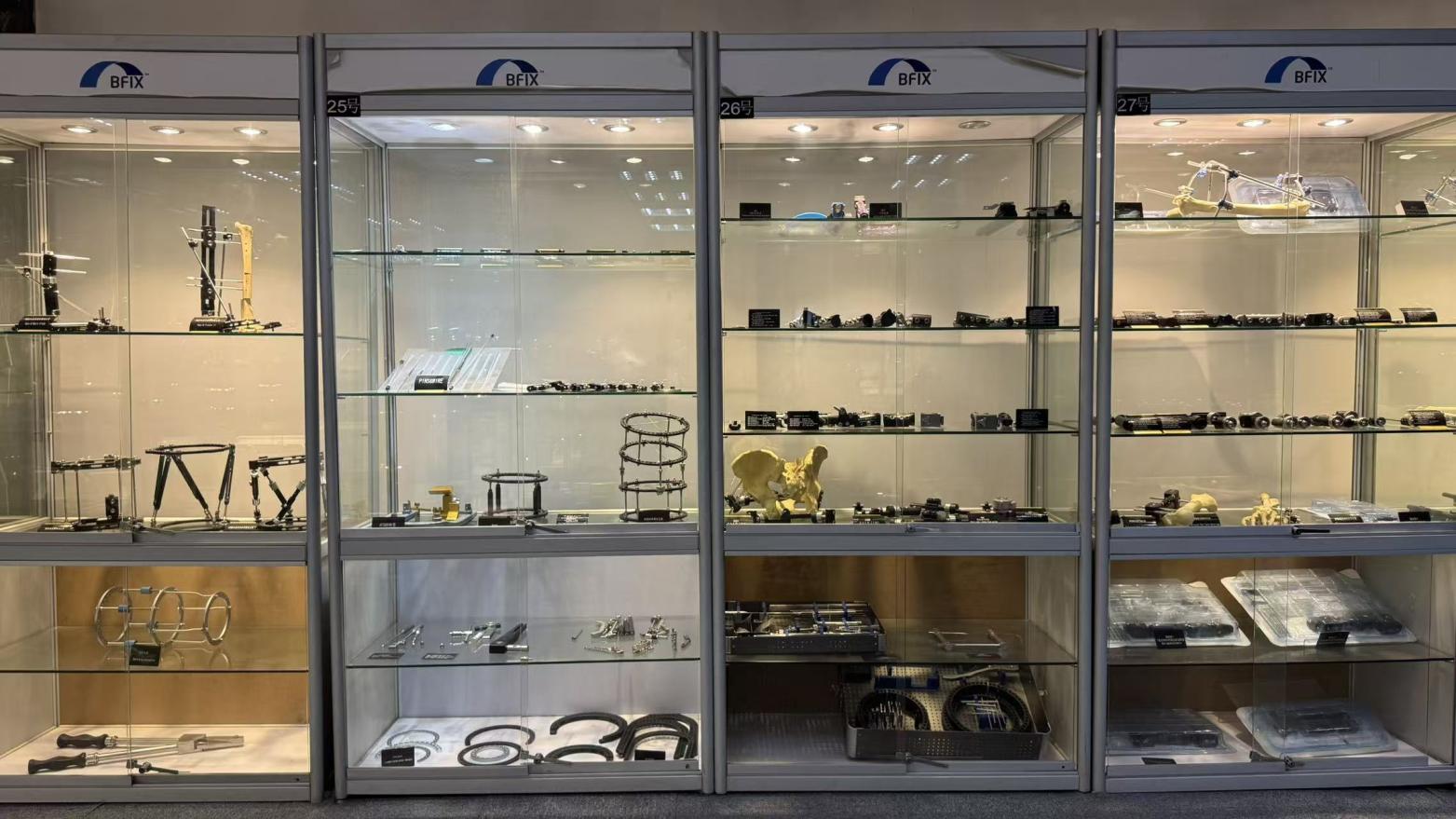
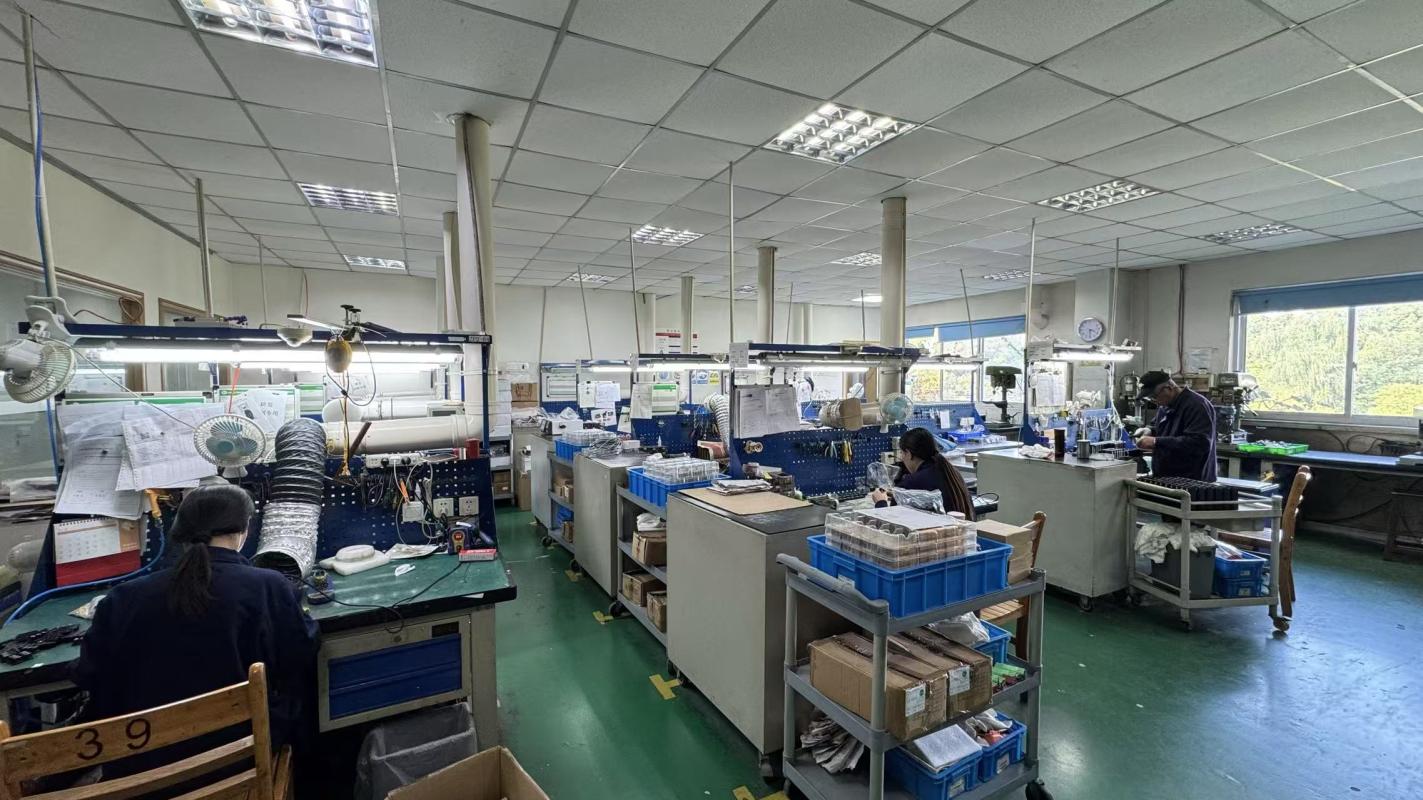
The engineering landscape of orthopedic power tools is evolving rapidly. We focus on integrating cutting-edge design concepts into our commercial products to keep our clients ahead of the competition:
Traditional brushed motors generate dust and excessive heat, leading to premature failure. Our next-generation BLDC motors minimize thermal output, optimize battery runtimes, and extend handpiece lifespan by up to 200%.
Using premium lithium-ion cells with integrated battery management systems (BMS), our battery packs offer consistent voltage delivery. This ensures power does not drop mid-procedure, preserving motor torque.
Our specialized trauma drills feature wide-inner-diameter cannulations (up to 4.2mm). This allows surgeons to effortlessly pass Kirschner wires, guide pins, and intramedullary reamers directly through the handpiece.
Procurement Trend Alert: Healthcare markets are shifting away from pneumatic systems in favor of highly mobile battery-powered platforms. Eliminating restrictive air hoses in the operating room improves clinical safety and gives surgical teams complete freedom of movement.
When it comes to surgical tools, there is no room for compromise. Our manufacturing systems comply with all major international healthcare certifications, ensuring trouble-free importation and clinical approval in demanding global jurisdictions.
We work closely with notified bodies to keep our regulatory files up to date. From material traceability of surgical steel to electrical safety testing, we manage every step of the quality process internally.


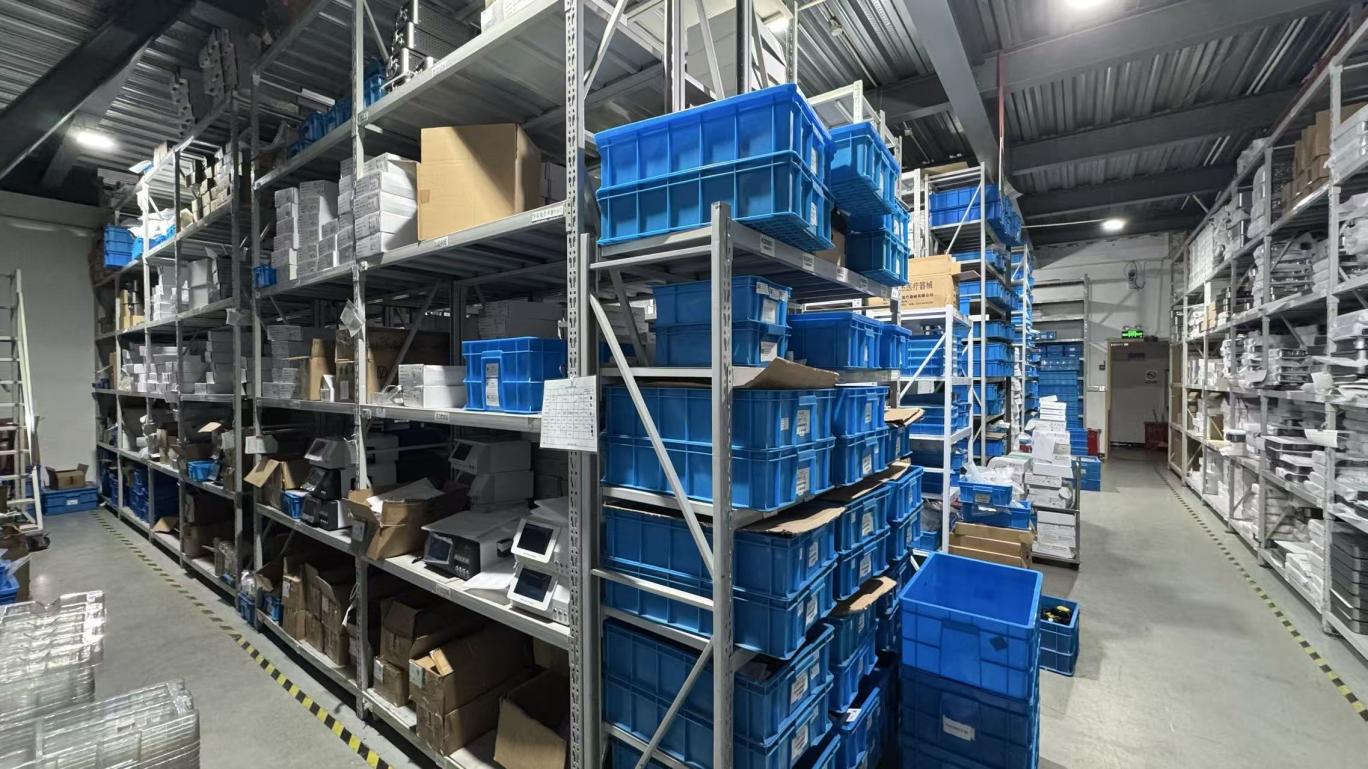
Explore our specialized range of modular surgical attachment systems, cranial burs, and heavy-duty reamers engineered for high-demand trauma centers and neurosurgical operating suites.
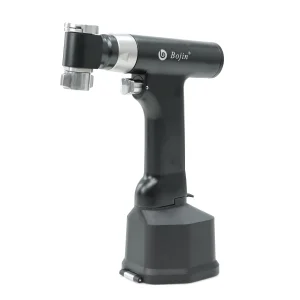
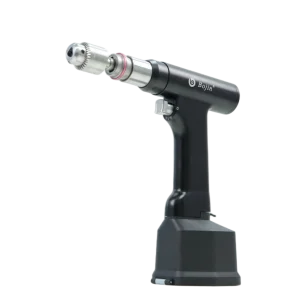
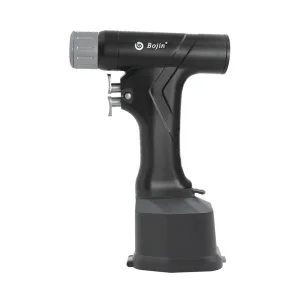
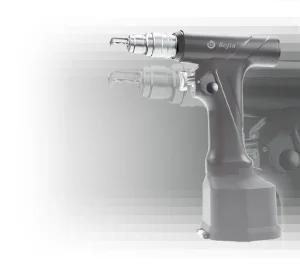
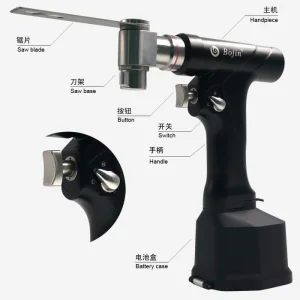
For B2B buyers, medical distributors, and hospital procurement departments, sourcing orthopedic power tools involves evaluating clinical, financial, and operational factors. Use this decision matrix to simplify your purchasing process:
Verify motor types (brushless is preferred for durability), torque capability under load, attachment mechanisms, and ergonomics to ensure the tools meet your surgeons' specific requirements.
Confirm the system can withstand autoclave processes up to 135°C (275°F). Check the waterproofing performance (IPX7 or higher) to prevent internal fluid damage during cleaning.
Ensure the manufacturer has robust ISO 13485 certification, offers reliable access to replacement parts, and provides a clear product warranty to support your operations long-term.
Get answers to common technical, manufacturing, and logistical questions about our large bone power tools.
 BD Medical