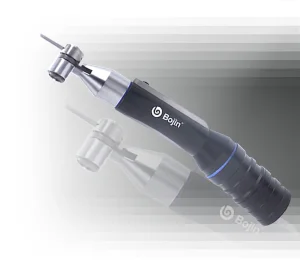
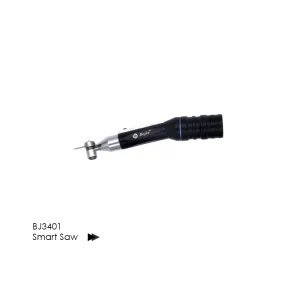
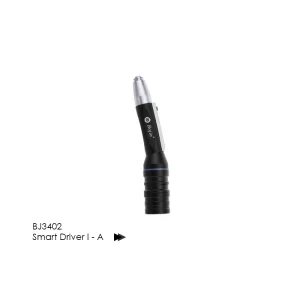
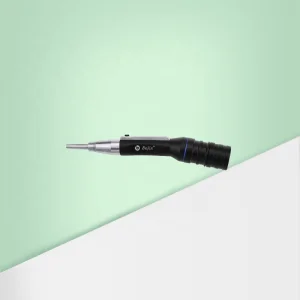
Explore our leading lithium-ion battery-powered surgical drills and smart micro sagittal saws engineered for delicate small bone surgical precision.
In modern orthopedic surgery, reconstructive micro-procedures, and cranio-maxillofacial (CMF) osteotomies, the margin for error is measured in fractions of a millimeter. Unlike large bone procedures (such as total hip or knee replacements) which require heavy, high-torque systems, small bone surgeries necessitate surgical power tools that offer a delicate balance of ergonomic sensitivity, customizable speed parameters, and compact dimensions.
As leading small bone power tool manufacturers, our engineering paradigm is designed around the biological preservation of delicate bony architectures. High-speed drilling or sawing in hand, foot, and maxillofacial regions runs the critical risk of inducing thermal necrosis—a condition where temperatures exceeding 47°C for more than a few seconds destroy osteocytes and impair postoperative healing. Through brushless DC motors and intelligent control loops, our pen-type medical tools deliver the exact torque needed while minimizing thermal transfer and mechanical vibration.
Clinical Insight: Minimizing rotational play (runout) in micro-drills prevents micro-fractures in osteoporotic patients and preserves the structural integrity of thin cortical bones in hand and foot reconstructions.
The global clinical community is experiencing a transition towards minimally invasive surgical (MIS) protocols. For hand and foot surgeries, CMF reconstructions, and pediatric orthopedics, this means smaller incisions and narrower surgical corridors. Small bone power tool manufacturers must respond by packaging immense performance into lightweight, "pen-type" formats.
Historically, surgeons relied on pneumatic power supplies, which required cumbersome hose lines that cluttered the sterile field and limited range of movement. Today, advances in sterilizable lithium-ion battery chemistries have enabled cordless, self-contained surgical power systems. However, designing battery packs that survive the harsh environment of an autoclave (moisture, high temperature, vacuum pressure) is an engineering feat that only specialized medical device manufacturers can achieve.
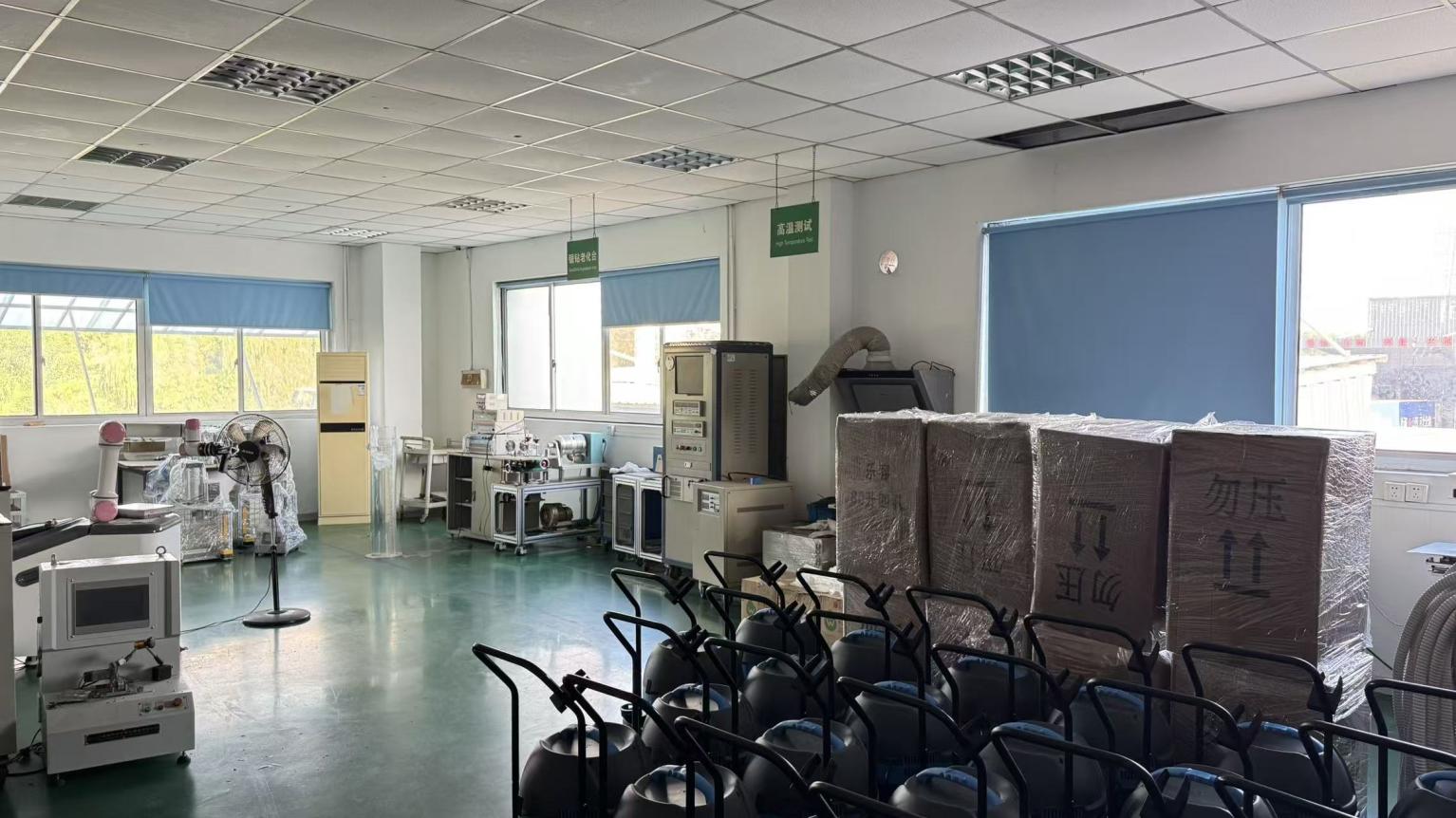
Operating as a global manufacturer requires compliance with highly stringent regulatory frameworks. In North America, Europe, and Asia-Pacific markets, surgical instrumentation must meet rigorous safety requirements. The integration of ISO 13485 (Medical devices — Quality management systems) ensures that every step of the design, sourcing, and assembly process is traceable and meets absolute safety standards.
Furthermore, electrical surgical power tools must adhere to the IEC 60601 series, particularly IEC 60601-1 (general requirements for basic safety and essential performance) and IEC 60601-1-2 (electromagnetic compatibility). These safety standards ensure that the electromagnetic waves emitted by our battery-powered drills do not interfere with anesthesia systems, cardiac monitors, or other critical operating room technologies.
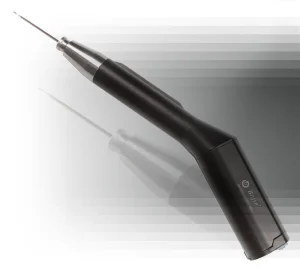
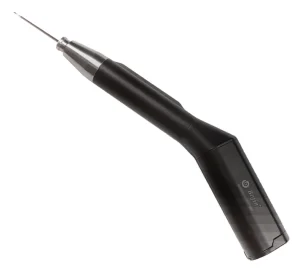
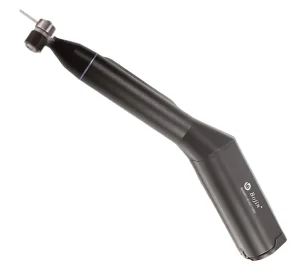
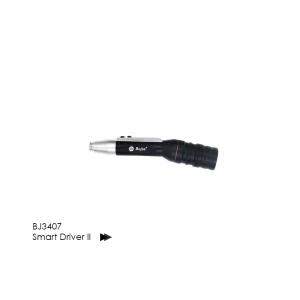
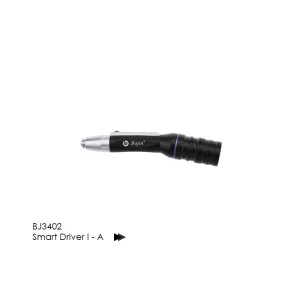
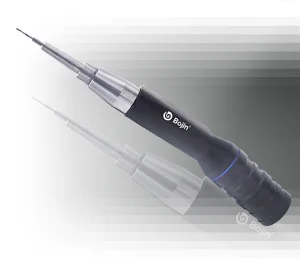
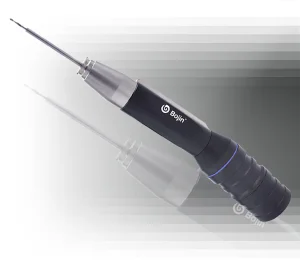
The physical environment of a modern operating suite dictates the form factor of the medical tool. For instance, in maxillofacial trauma, surgeons must work at awkward angles inside the oral cavity. A traditional pistol-grip drill is too bulky for these spaces. Therefore, pen-type surgical drivers like the BJ3407 and BJ3402 are utilized, allowing the surgeon to hold the device like a writing instrument. This maximizes tactile feedback and precision control when placing osteosynthesis screws near vital structures like dental roots and sensory nerves.
Requires ultra-compact, variable-speed pen drivers for plating and micro-screw fixation in tight anatomical spaces.
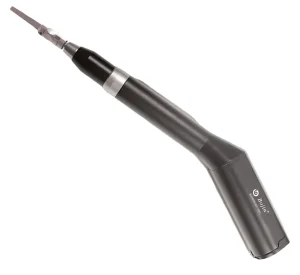
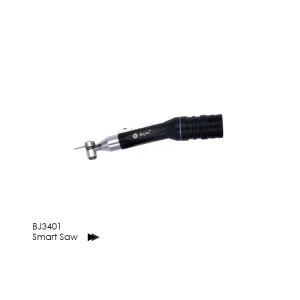
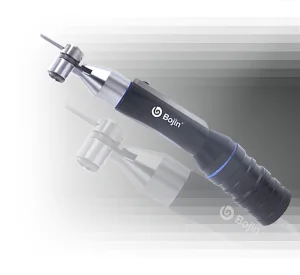
Demands quick-coupling sagittal and reciprocating saws for precise corrective osteotomies of the phalanges and metatarsals.
Utilizes dedicated mini perforator drills to safely gain cranial access while ensuring complete protection of underlying dural tissues.
The future of small bone power tools lies in smart diagnostic and interactive technologies. We are actively developing next-generation intelligent power tools that incorporate real-time torque sensing. If the drill bit penetrates the dense outer cortical bone and hits softer cancellous bone or soft tissue, the unit automatically adjusts its RPM and torque profile. This prevents accidental soft tissue wrap-arounds or plunge injuries.
In addition, material science research is paving the way for lighter carbon-fiber reinforced polyetheretherketone (PEEK) housings. This material maintains sterilization integrity at high autoclaving temperatures while shedding substantial weight compared to traditional aluminum or stainless steel housings, further reducing hand fatigue during long surgeries.
| Technical Parameter | BJ3400 Micro Series Specs | Clinical/Engineering Advantage |
|---|---|---|
| Drive Motor | Brushless DC (BLDC) | Zero carbon emissions, low heat generation, high reliability |
| Operating Voltage | 9.6V / 14.8V Lithium-Ion | Balanced weight-to-power ratio for optimal bone cutting |
| Speed Range (Drill) | 0 - 1200 RPM (Variable) | Prevents thermal bone necrosis through precise control |
| Sterilization Rating | Autoclavable up to 135°C | Quick turnaround times in busy hospital CSSD environments |
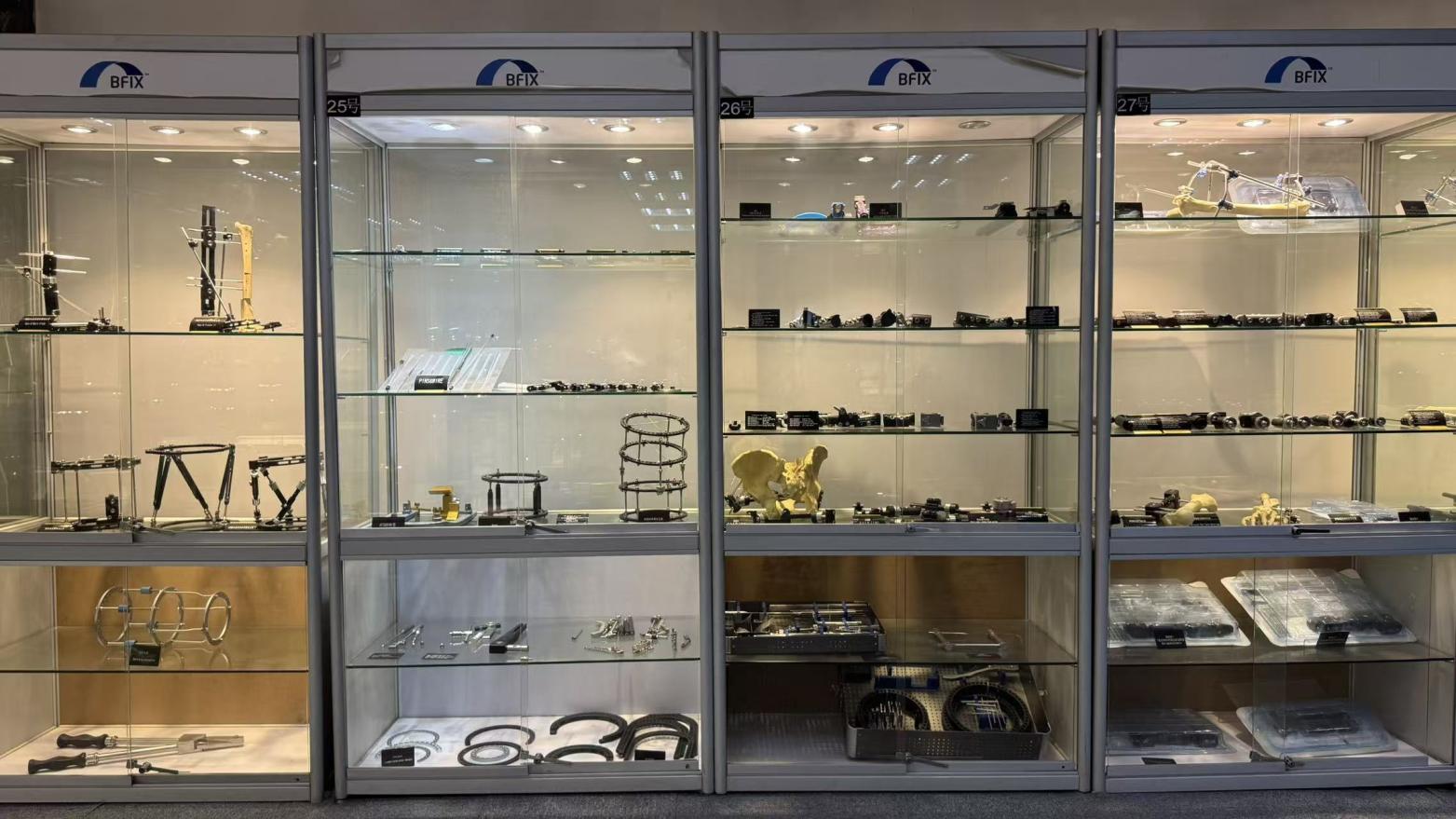
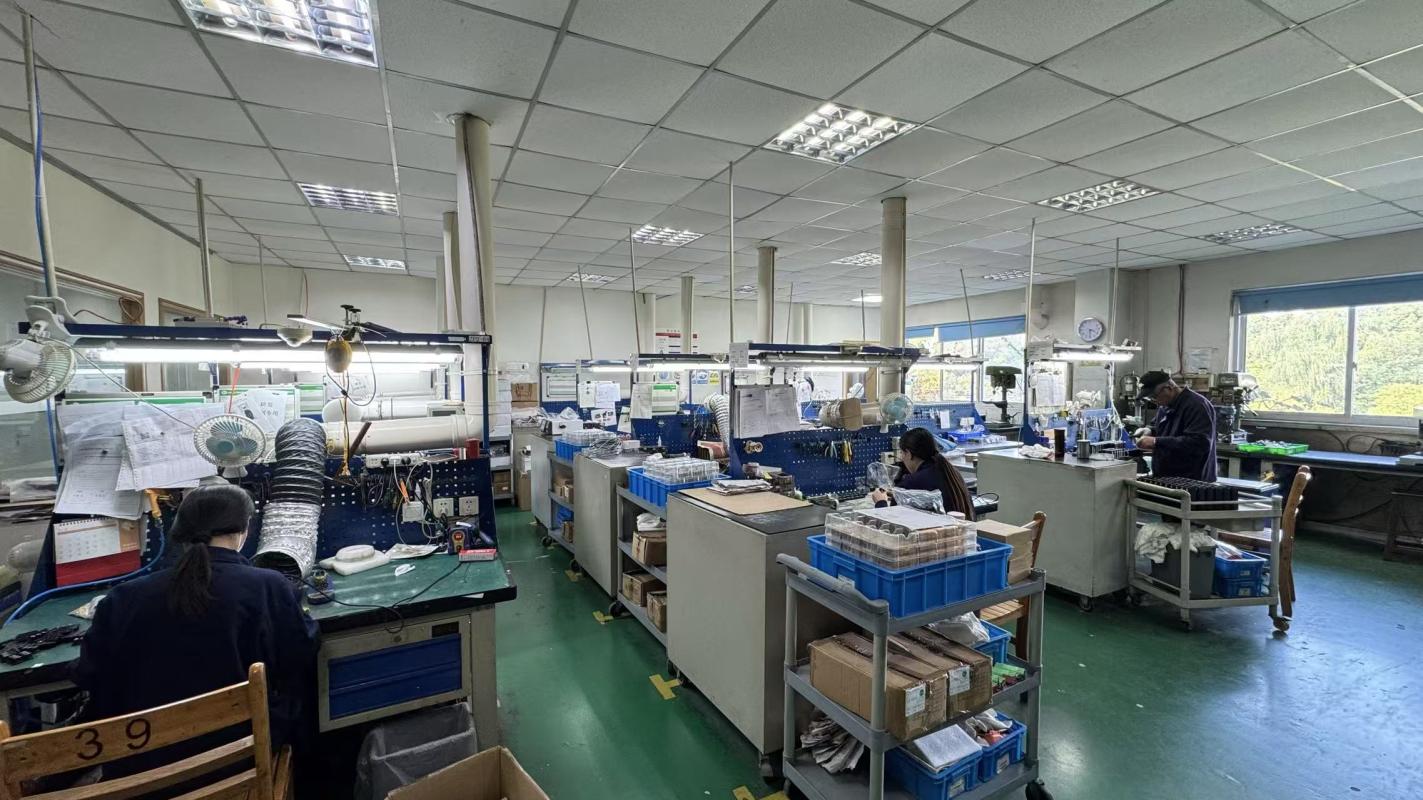
Shanghai Bojin Medical Instrument Co., Ltd. is a recognized global pioneer in the surgical power tool sector. We combine advanced mechanical manufacturing with stringent clinical quality standards.


Advanced surgical systems designed for multi-disciplinary clinical settings including neurosurgery, dental reconstructive, and hand/foot microsurgeries.
Get professional answers from our engineering team regarding certifications, autoclave protocols, and system capabilities.
Pen-type devices (such as the BOJIN 3407 and 3402 series) are specifically designed to be held between the thumb and index finger, mimicking a pencil. This allows for a significantly higher degree of rotational dexterity, crucial when working in restricted surgical fields like the inner ear, dental arches, or wrist bones. Traditional pistol-grip power tools, while providing higher raw torque, are too heavy and bulky for delicate CMF or reconstructive microsurgeries.
IEC 60601 compliance ensures that our surgical tools are electromagnetically stable. This prevents interference with other highly sensitive operating room systems (like patient monitoring and telemetry). In addition, it guarantees essential insulation barriers protect both patient and surgeon from stray electrical currents.
Our micro surgical drills and saws are built to withstand standard gravity and pre-vacuum steam sterilizations up to 134.8°C. For battery-powered tools, we recommend removing the lithium-ion batteries prior to autoclaving if the facility uses a non-sterilizable battery transfer kit. This prolongs battery cell life and maintains optimal capacity over time. For fully hermetic designs, please refer to the product manual for exact cycle parameters.
Thermal necrosis occurs when bone tissues are heated above 47°C for prolonged periods. To prevent this, Bojin power tools utilize high-efficiency brushless DC motors that generate minimal heat. Combined with precision gearboxes that reduce friction, and custom surgical blades designed for optimal chip clearance, our systems prevent excessive friction and keep localized bone temperatures well below critical thresholds.
 BD Medical