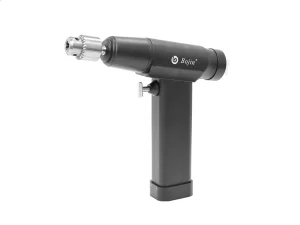
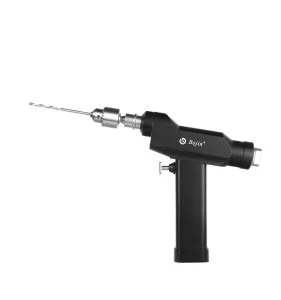
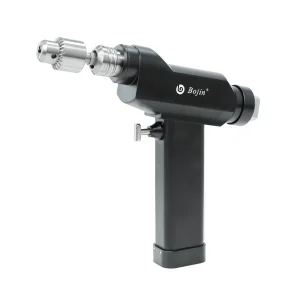
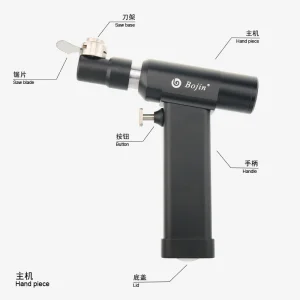
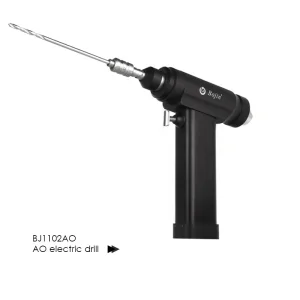
Precision-engineered single-function medical power tools optimized for Indonesian regional hospitals (RSUD) and high-volume trauma clinics.
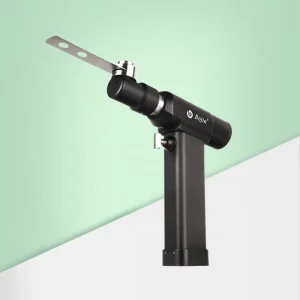
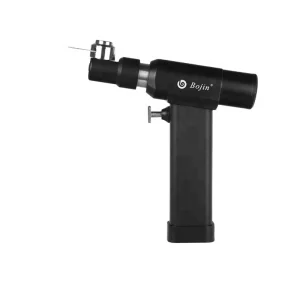
An in-depth look at regulatory compliance, clinical cost-efficiencies, and structural transitions across Southeast Asia's largest medical market.
Indonesia's healthcare ecosystem is undergoing one of the most significant structural transformations in Southeast Asia. Driven by the national universal health coverage program, BPJS Kesehatan (Badan Penyelenggara Jaminan Sosial Kesehatan), the demand for accessible, high-quality clinical interventions has grown exponentially. As regional public hospitals (Rumah Sakit Umum Daerah - RSUD) and private medical centers expand their surgical capacities from tier-1 cities like Jakarta, Surabaya, and Bandung to outer provinces like Kalimantan, Sulawesi, and Papua, medical equipment procurement strategies have shifted.
In the orthopedic and neurosurgical sectors, the choice of surgical tools is critical. Procurement directors are faced with balancing operational costs against patient safety and surgical efficacy. This is where Basic Level, Single-Function Surgical Power Tools play an indispensable role. Unlike complex, multi-attachment modular systems that incur heavy maintenance overheads and require specialized sterilization techniques, single-function tools provide dedicated performance, simplified sterilization workflows, and unparalleled structural reliability.
For Indonesian health networks, the procurement of single-function medical tools decreases the overall cost of care per surgical procedure. By avoiding the licensing, wear-and-tear, and multi-component maintenance costs of universal modular handpieces, facilities can maintain active backups, significantly reducing surgical downtime in emergency and trauma settings.
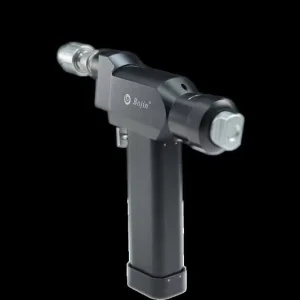
Under high-pressure environments like trauma surgery, tool failure is not an option. Single-function power systems, such as dedicated bone drills, sagittal saws, and cranial burs, are engineered around a fixed drive shaft. This design eliminates the rotational play and mechanical wear common in quick-connect modular attachments.
Engineered with high-grade German and reliable Chinese motors to support various budget tiers without compromising clinical outcomes.
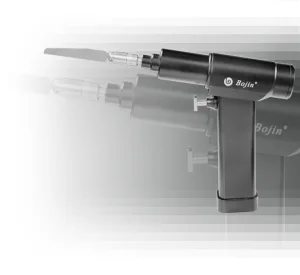
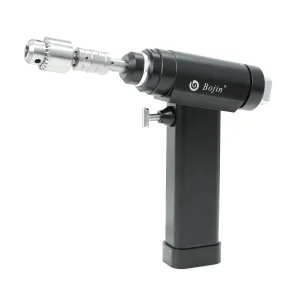
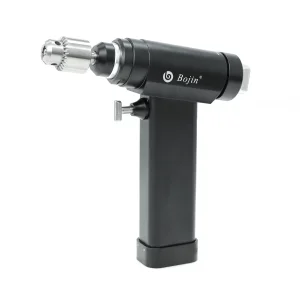


Importing medical devices into Indonesia requires strict adherence to regulations set by the Ministry of Health (Kementerian Kesehatan Republik Indonesia - Kemenkes RI). Standard requirements include obtaining a product registration number (Nomor Izin Edar - NIE) and partnering with a licensed local distributor holding an IPAK (Izin Penyalur Alat Kesehatan) license.
As a premier global factory, our entire portfolio of single-function orthopedic drills, reciprocating saws, and cranial tools is manufactured under strict quality control standards. Holding ISO 13485 for medical device manufacturing and IEC 60601 electrical safety certification, we offer a comprehensive technical documentation package (including biocompatibility reports, sterilization validations, and electromagnetic compatibility tests) to accelerate the registration process in Indonesia.
Geographical accessibility is a major consideration in Indonesia, where thousands of islands require decentralized logistics. To support our regional partners, we have established a service network offering rapid spare parts delivery and training programs for hospital biomedical engineers (Teknisi Elektromedis).
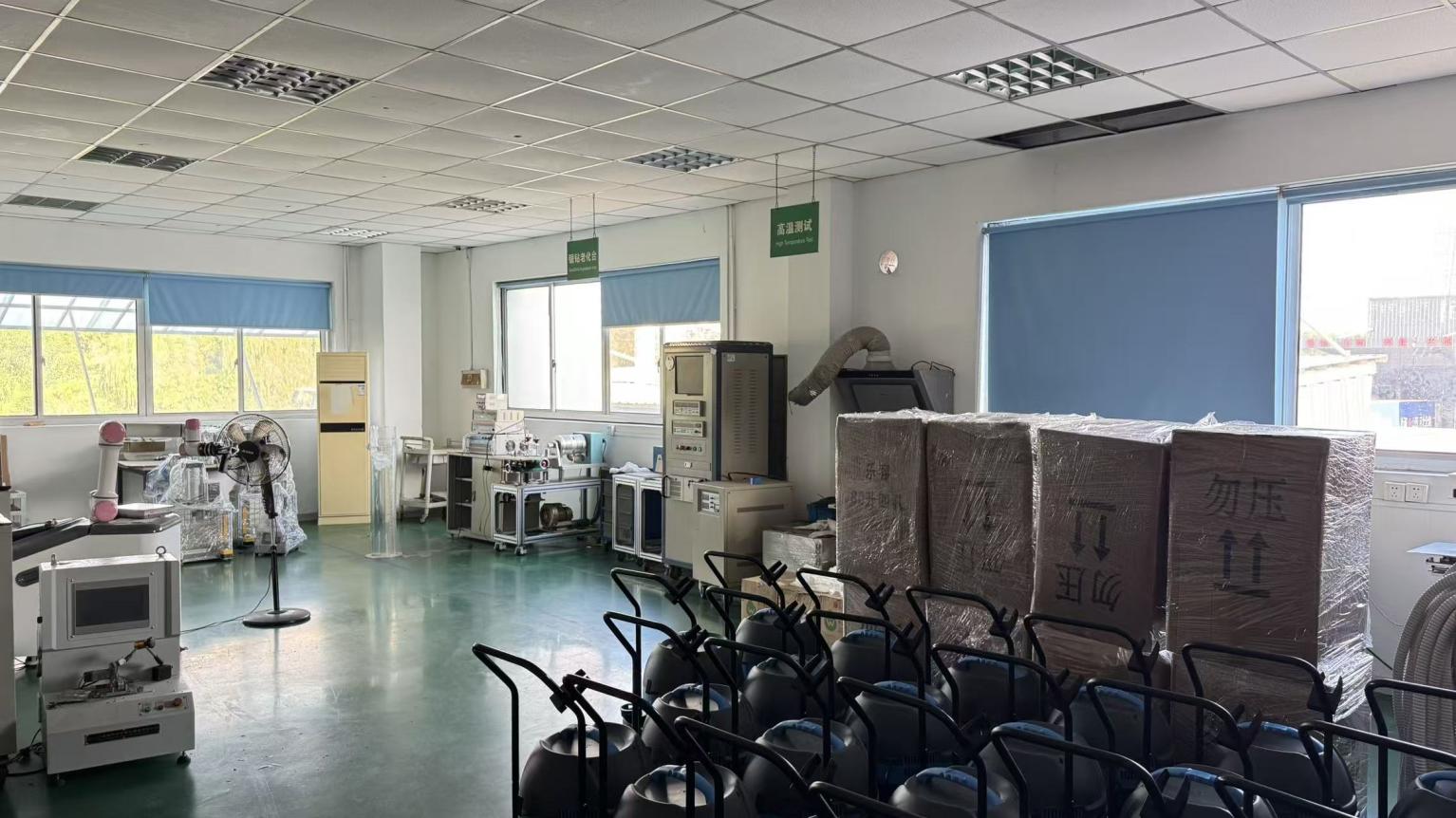
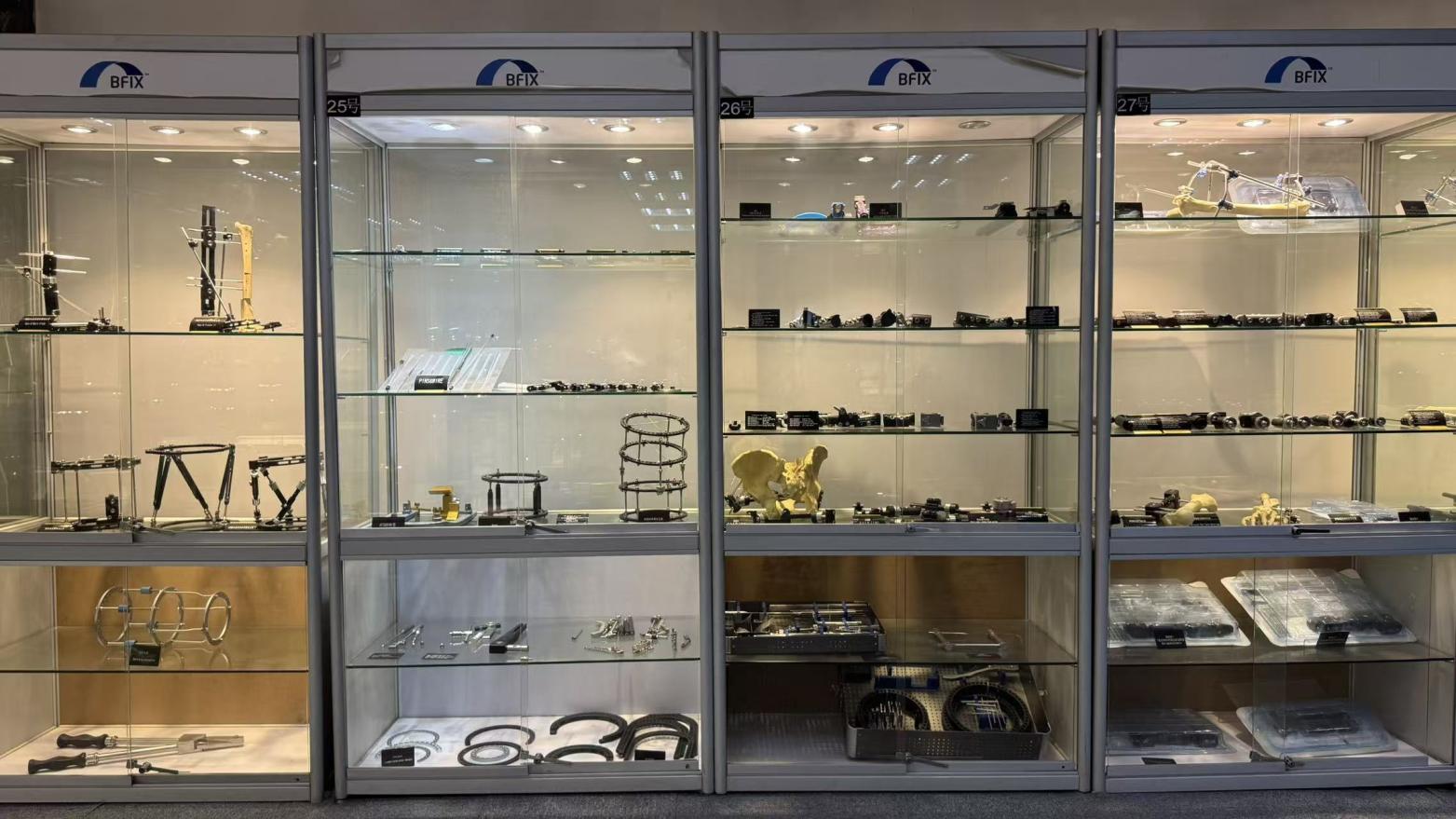
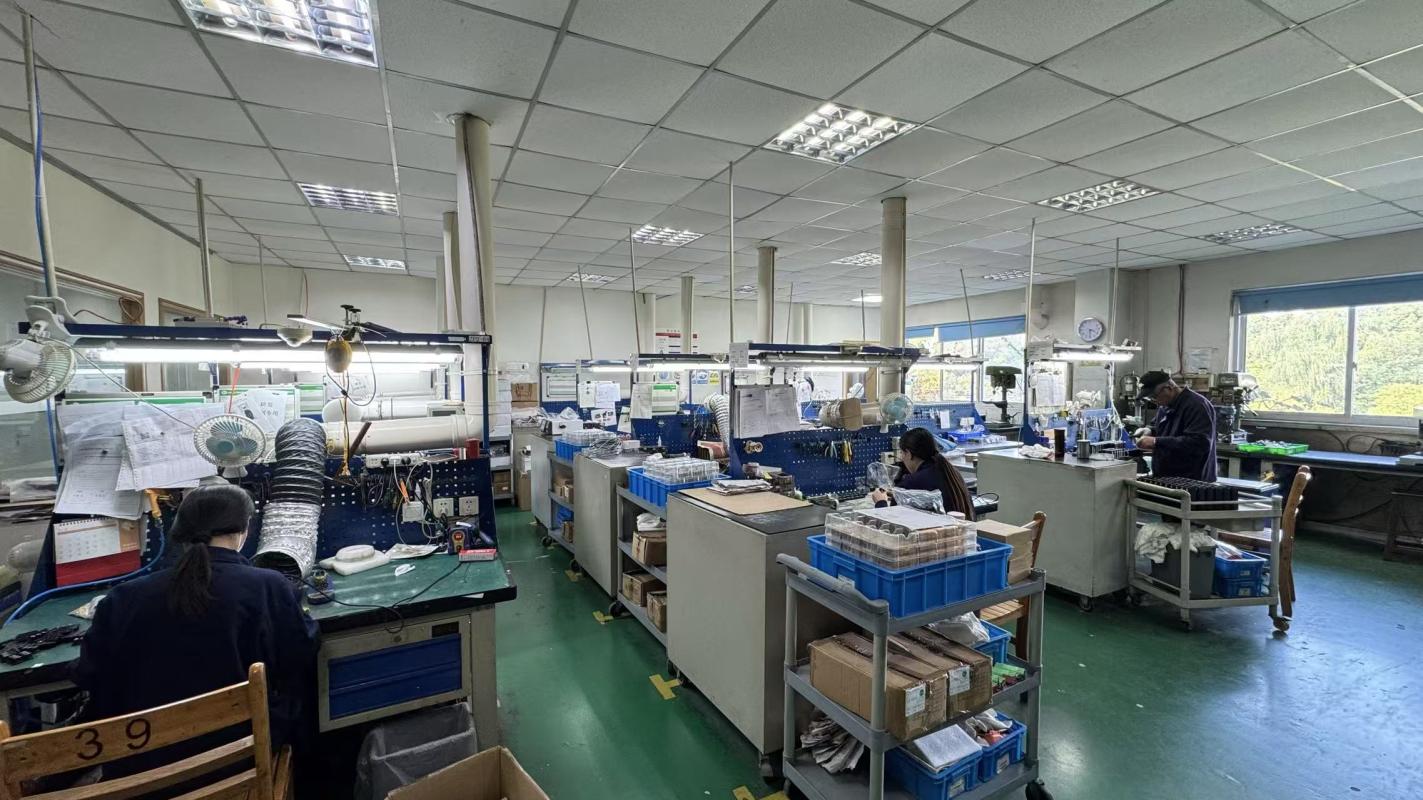
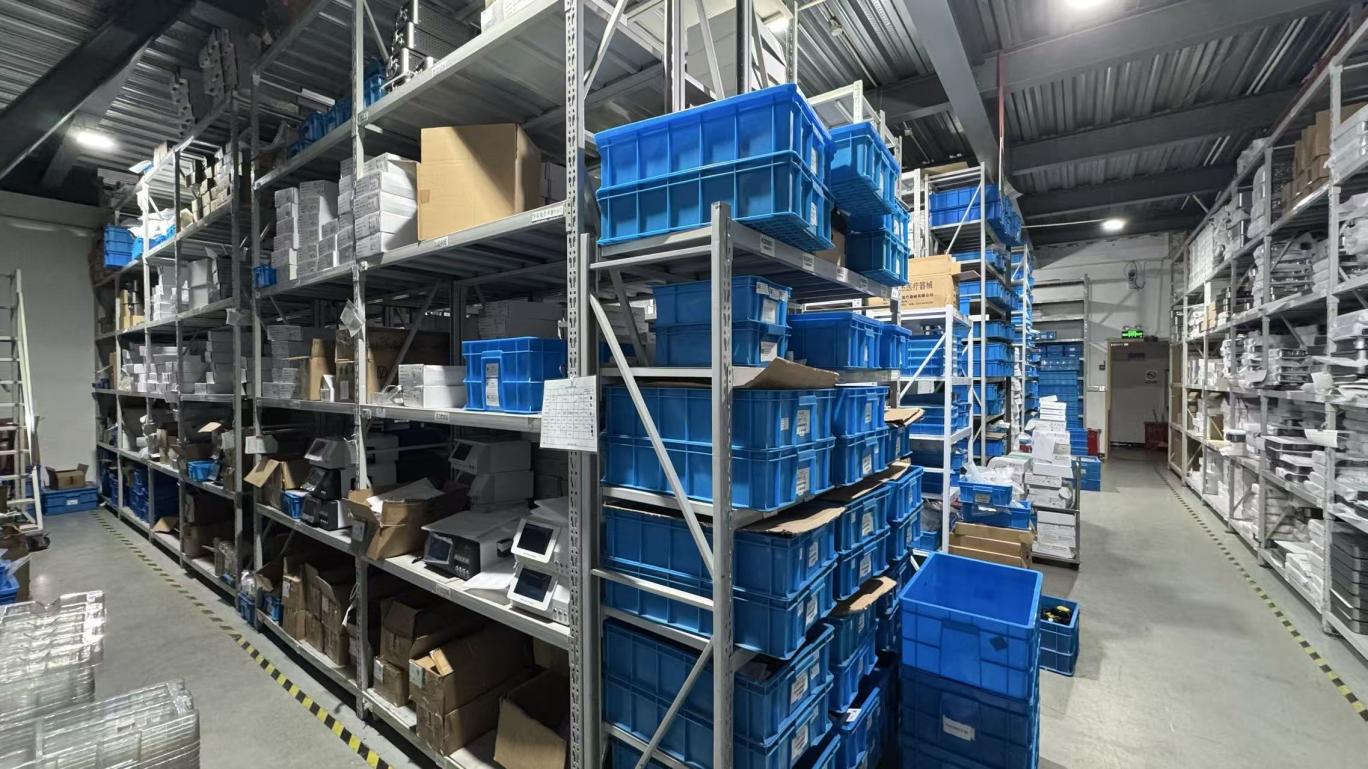
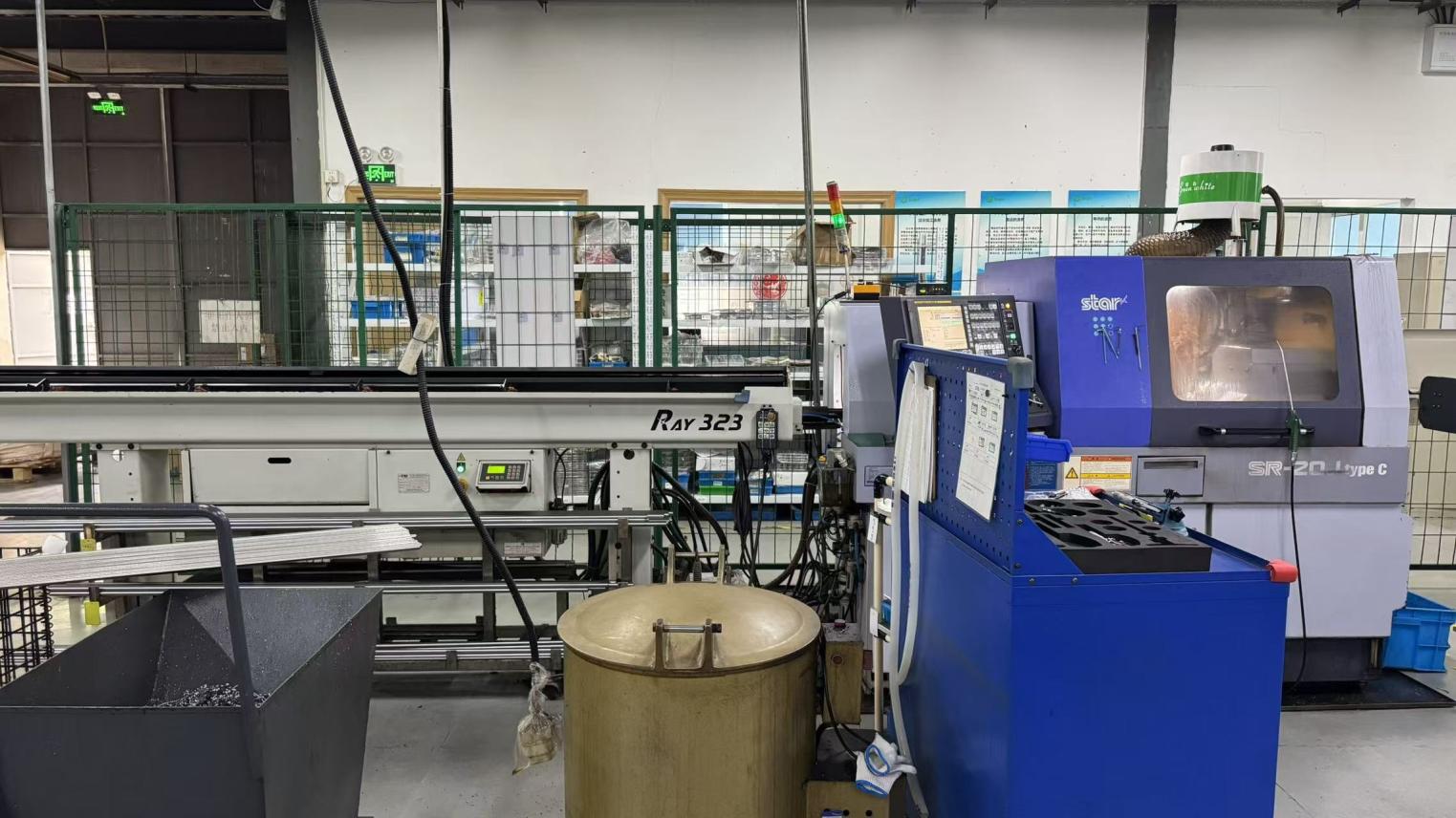
The core of our single-function power tool range is driven by premium brushless motors, including high-torque German motors for premium series (like the System 1000) and cost-optimized, high-efficiency Chinese motors for secondary series (like the System 1300).
By eliminating carbon brushes, these motors minimize friction, heat emission, and mechanical noise, improving user ergonomics and safety during extended procedures. Combined with high-drain lithium-ion battery cells that resist memory degradation, our power tools are built to last in high-throughput orthopedic units.
Explore our full line of bone drills, sagittal saws, cranial drills, and sternum saws designed for precise clinical interventions.
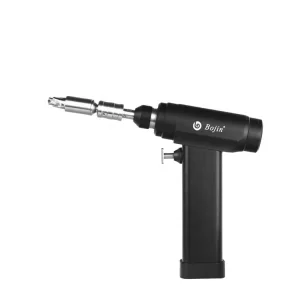
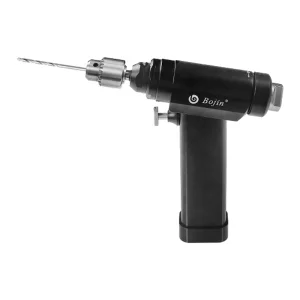
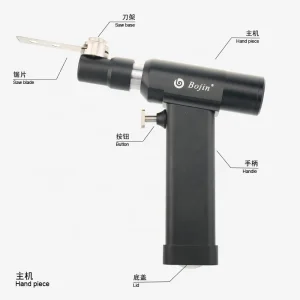
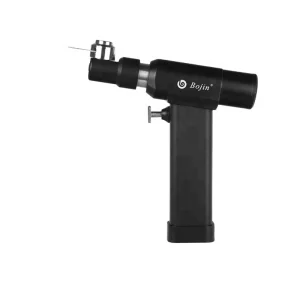
Essential answers for Indonesian procurement directors, biomedical technicians, and distribution partners.
Single-function systems have fixed drive shafts, meaning they have fewer moving parts, require simpler maintenance, and offer increased reliability in sterile processing. For hospital networks with busy operating theaters (like those in Jakarta or Surabaya), they reduce processing and turnover times.
Yes. All Bojin tools hold ISO 13485 certification and IEC 60601 electrical safety clearance. We provide the full technical dossiers needed for local IPAK holders to obtain the Kemenkes NIE registration number.
All our handpieces are designed to withstand autoclave sterilization cycles up to 135°C (275°F) at 1.6 bar pressure. Batteries, however, should be removed prior to sterilization and disinfected using recommended chemical solutions or low-temperature plasma methods.
We provide a 2-year warranty on our premium orthopedic power tools, backed by local replacement parts and support for hospital biomedical teams, ensuring minimal down-time.
 BD Medical