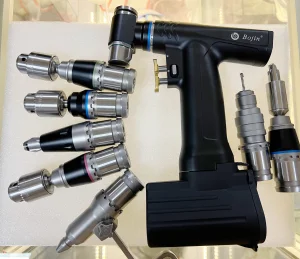
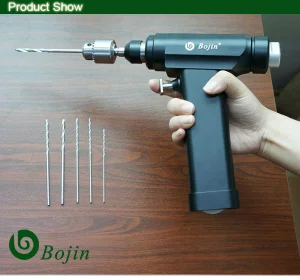
High-durability orthopedic saws and drills engineered for heavy-duty trauma care and emergency craniotomy setups across Peruvian health systems.
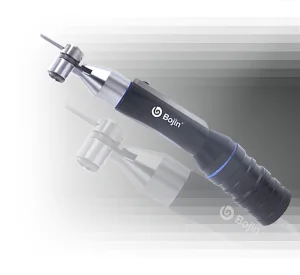
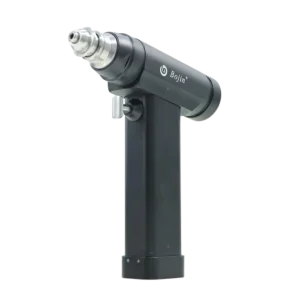
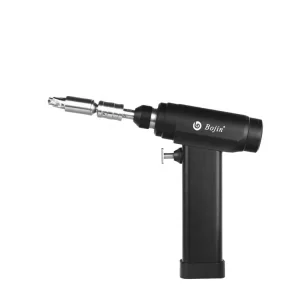
Peru’s healthcare market is undergoing a structural transition. Managed by the Ministerio de Salud (MINSA), EsSalud, and private hospital groups (such as Clínica Delgado and Anglo Americana), the demand for high-caliber medical infrastructure has surged. As public and private clinical ecosystems expand, there is a pronounced push to optimize equipment acquisition budgets while matching international clinical safety parameters. Basic-level (yet multi-functional) surgical power tools represent a strategic axis for this procurement balance.
Trauma centers in regions like Lima, Arequipa, La Libertad, and Cusco deal with complex orthopedic cases resulting from mining-related injuries, municipal traffic incidents, and recreational sports accidents. Medical facilities need surgical drills, craniotomy saws, and sagittal saws that offer quick sterilization cycles, low maintenance requirements, and reliable performance under continuous workloads.
The Peruvian orthopedics and trauma medical device market is growing at a stable compound annual rate. This growth is driven by several key developments:
Technological refinement in global surgical power tools is defined by micro-motor efficiency, ergonomic engineering, and smart lithium battery management. Modern surgery demands tools that minimize tissue trauma, control heat generation during bone drilling, and offer reliable, leak-free sealing for high-temperature autoclave processes.
1. Minimizing Thermal Necrosis: When drilling cortical bone, friction-induced heat exceeding 47°C can lead to thermal necrosis. Modern basic-level power tools manage this through stable torque transmission and responsive speed modulation, protecting nearby bone tissue during internal fixation surgeries.
2. Hermetic Sealing Against Moisture: Autoclave sterilization at 134°C exposes internal motors and gears to moisture and high pressure. Advanced seal designs prevent steam ingress, protecting internal components and reducing the risk of mid-surgery motor failure.
3. Universal Modular Attachments: Utilizing quick-change chucks, such as the Small AO coupling system, allows surgical teams to switch rapidly between drilling, reaming, and sawing, minimizing anesthesia times and improving procedural efficiency.
Our manufacturing facilities operate under advanced digital frameworks to ensure consistent quality, high precision, and competitive pricing. Through automated CNC machining, computerized quality verification, and traceability protocols, we produce orthopedic power tools that meet rigorous regulatory standards like ISO 13485.
From high-volume regional trauma departments in Arequipa to specialized neurosurgery facilities in Lima, basic-level and multi-functional power tools support a range of daily clinical operations:
Emergency orthopedic surgeons use the BJ4103B and BJ1102 bone drills for quick K-wire insertion and plating in long-bone fractures, helping manage busy operating room schedules efficiently.
In total hip and knee replacements, the BJ5107B and BJ4107D acetabular reaming drills provide the steady torque required for precise bone preparation, helping achieve correct implant alignment.
For urgent cranial access, the BJ4105 low-noise cranial bur and the BJ3401 sagittal saw offer the precise control and low vibration levels needed when operating near delicate structures.
Explore our full selection of basic and multi-function power tools, designed to meet the technical and budgetary requirements of Peruvian clinics.
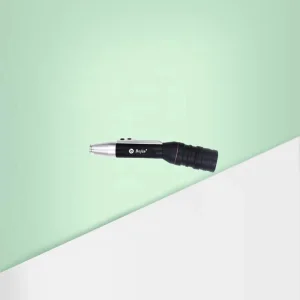
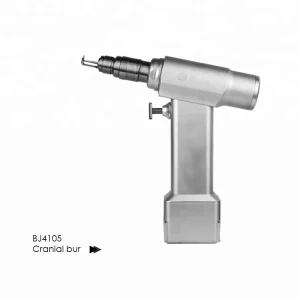
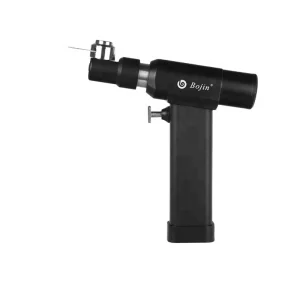
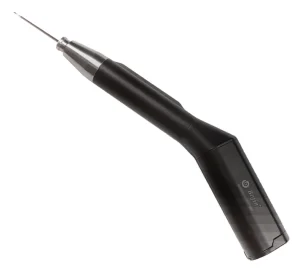
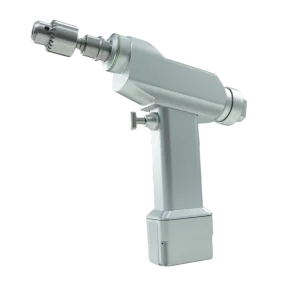
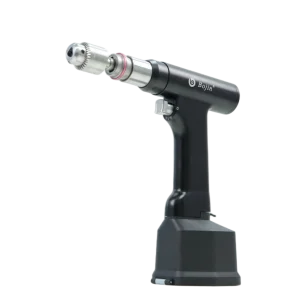
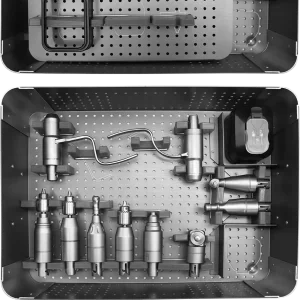
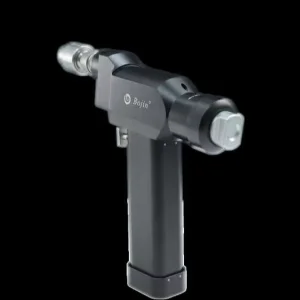
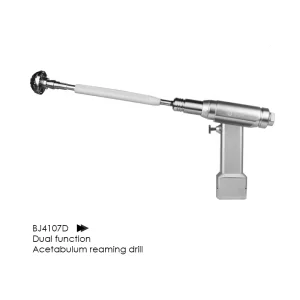
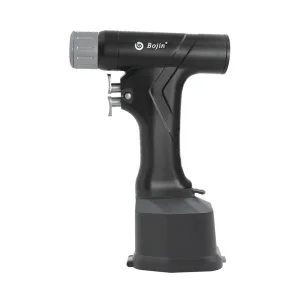
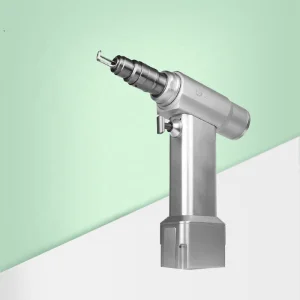
Technical drawings and component diagrams detailing the internal engineering, quick-connect couplings, and ergonomic design of our surgical handpieces.
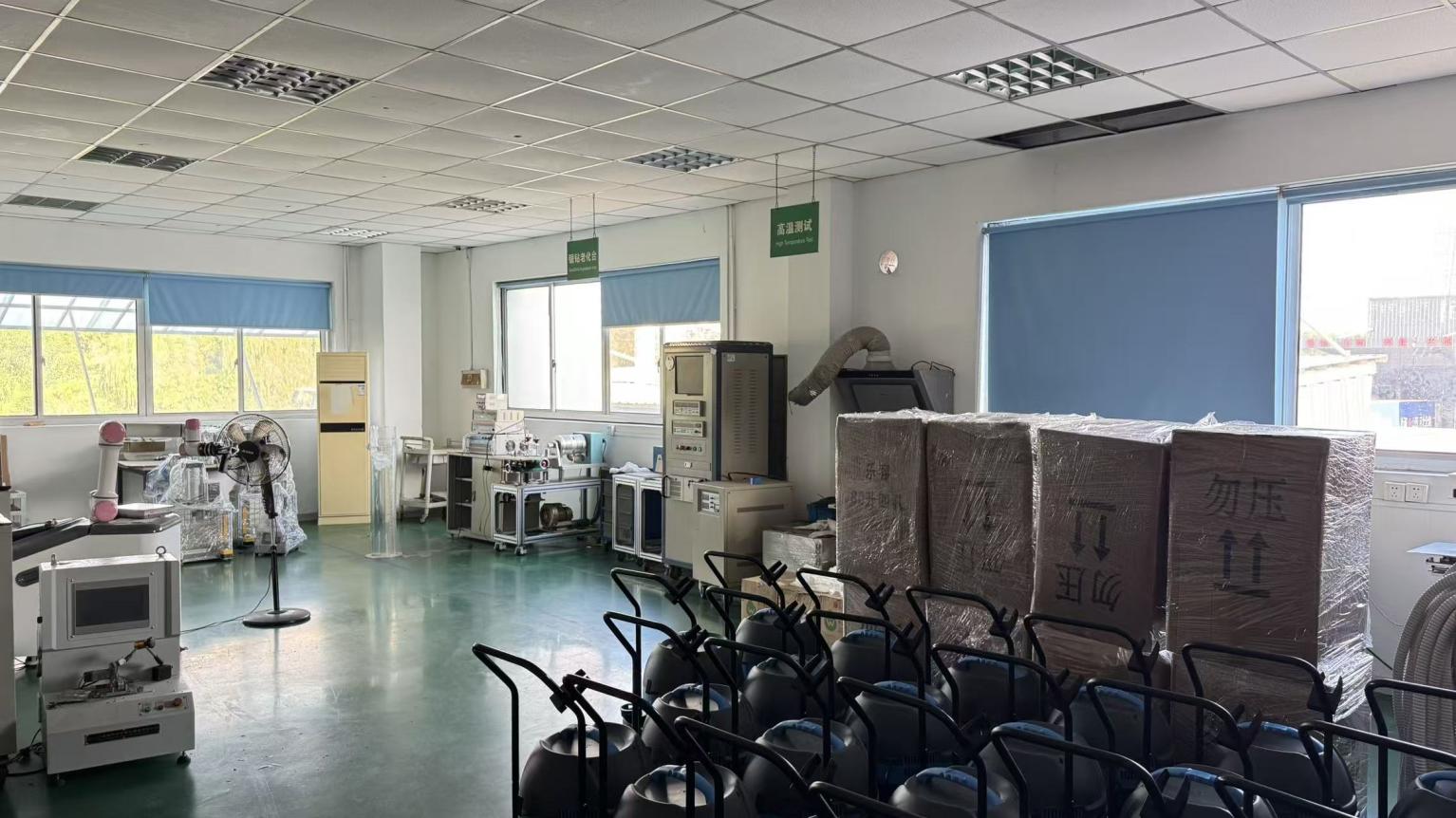
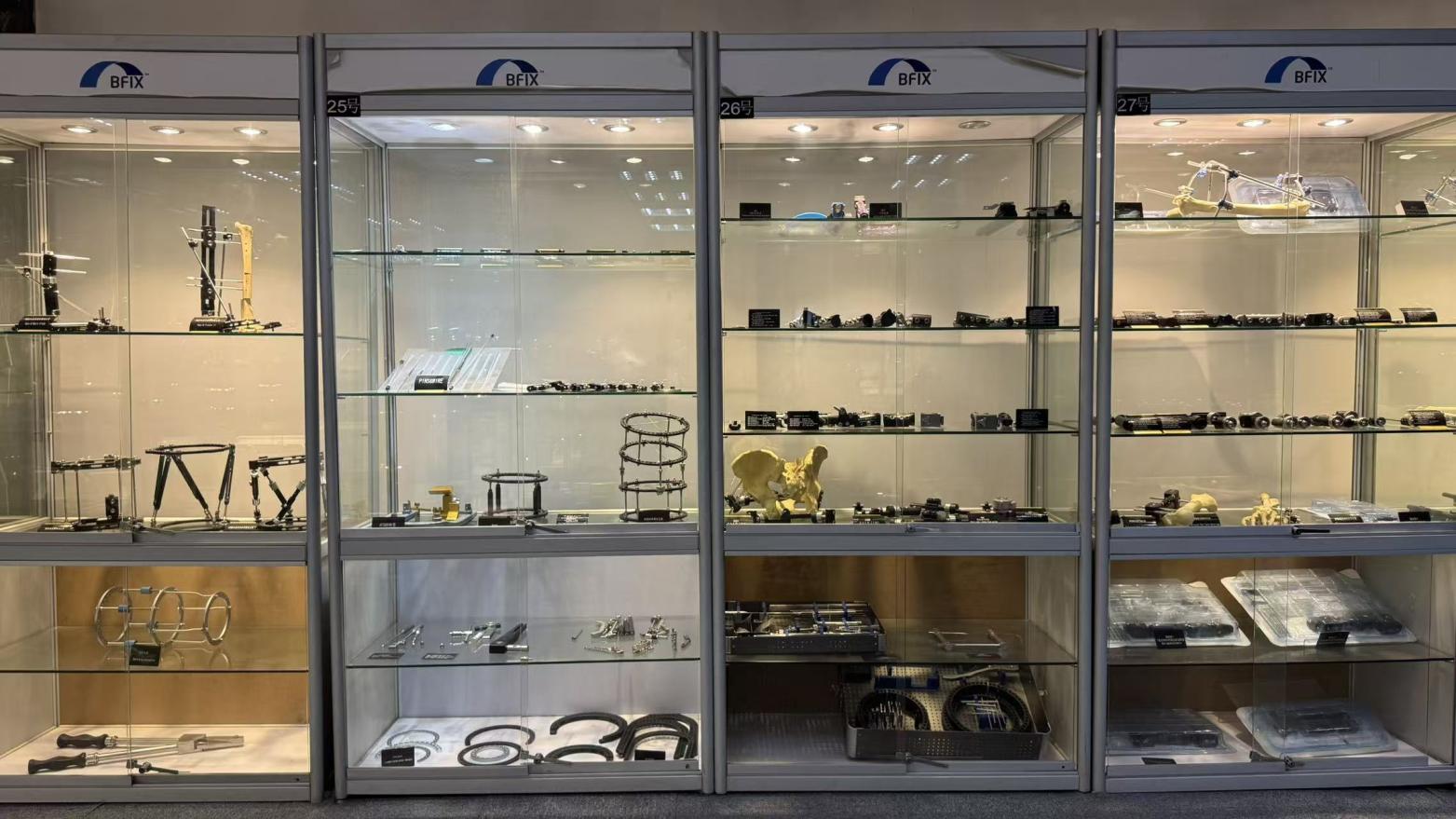
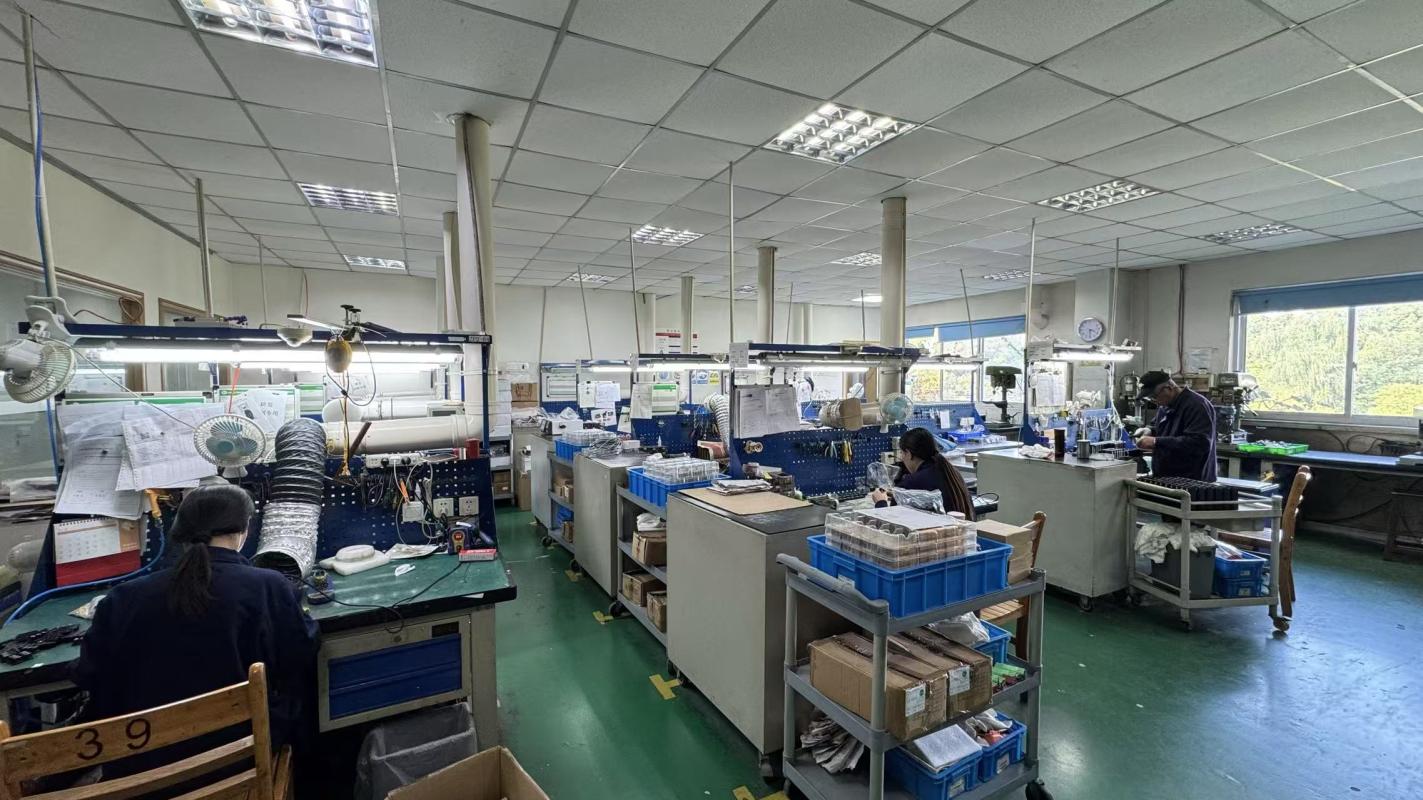
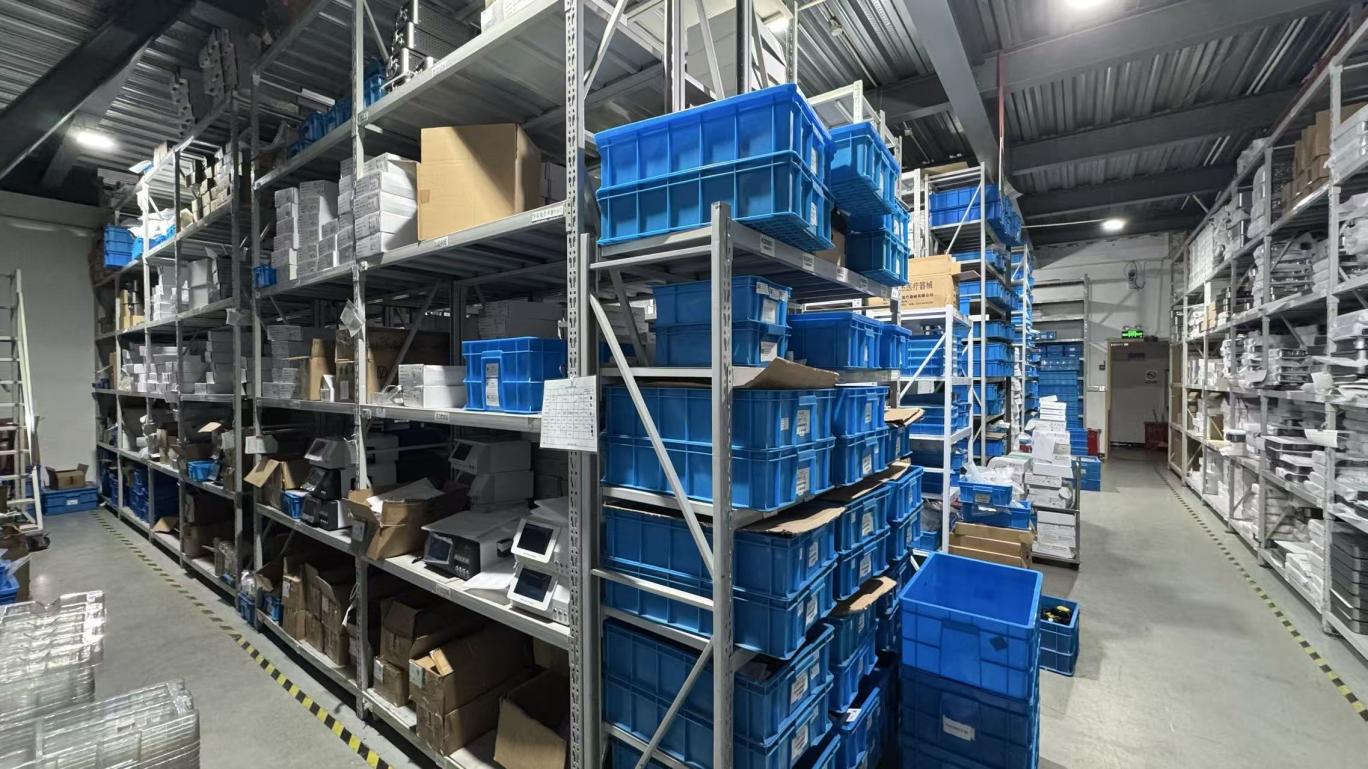
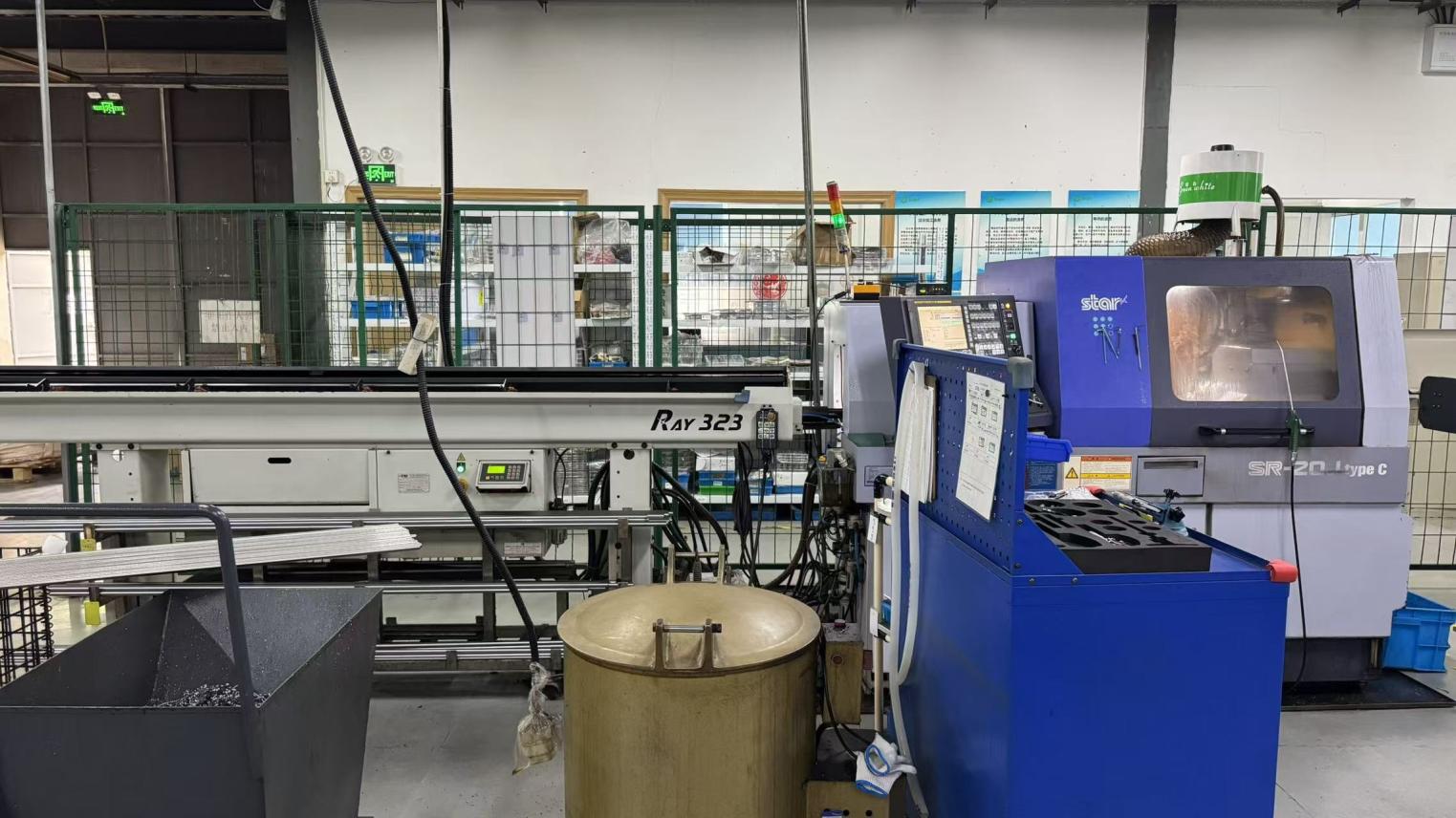
Our production lines comply with global medical manufacturing regulations, ensuring each device is fully sterilized and ready for clinical use.


Answers to common technical, logistics, and maintenance inquiries regarding our orthopedic surgical power tools for the Peruvian market.
 BD Medical