BD Medical
1 / 5
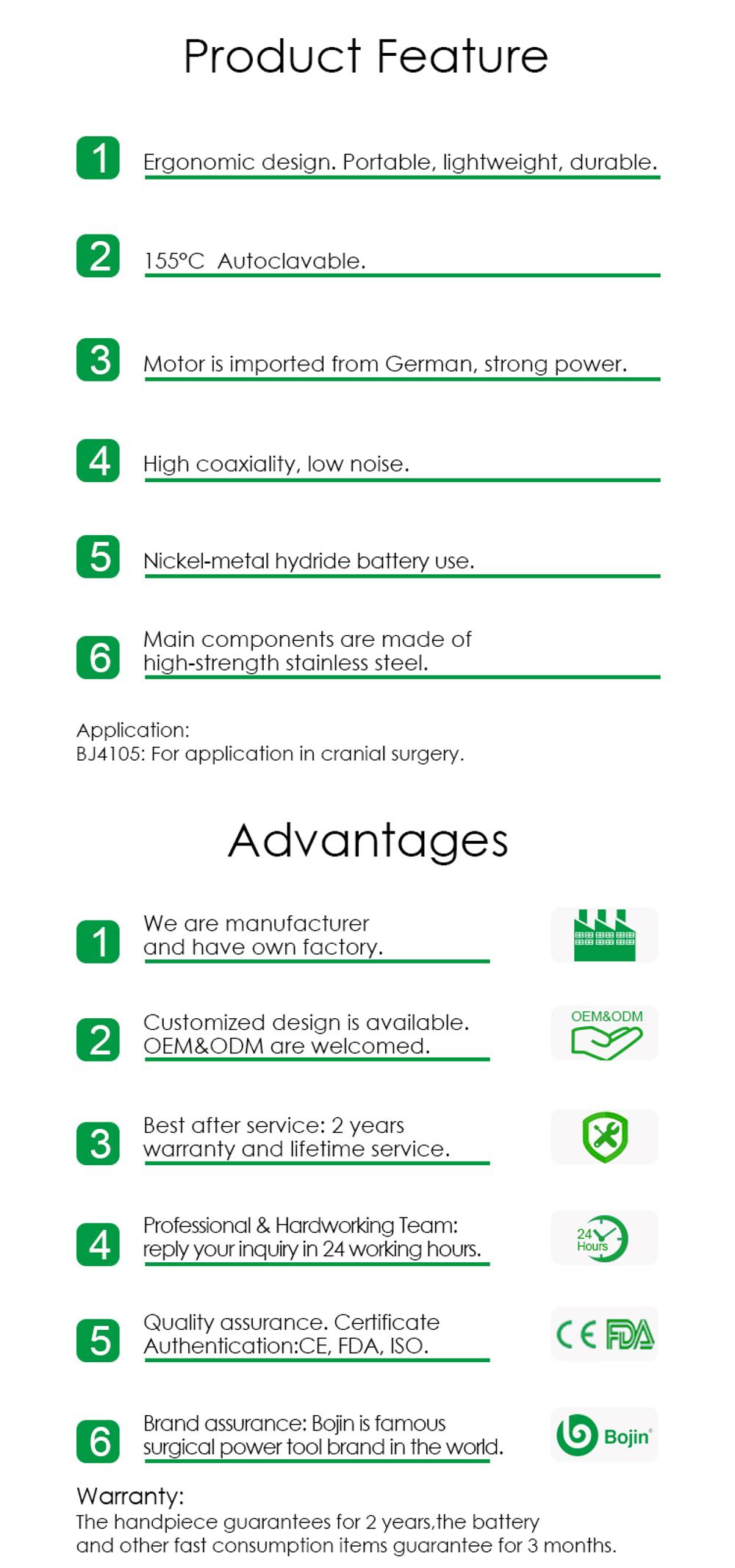
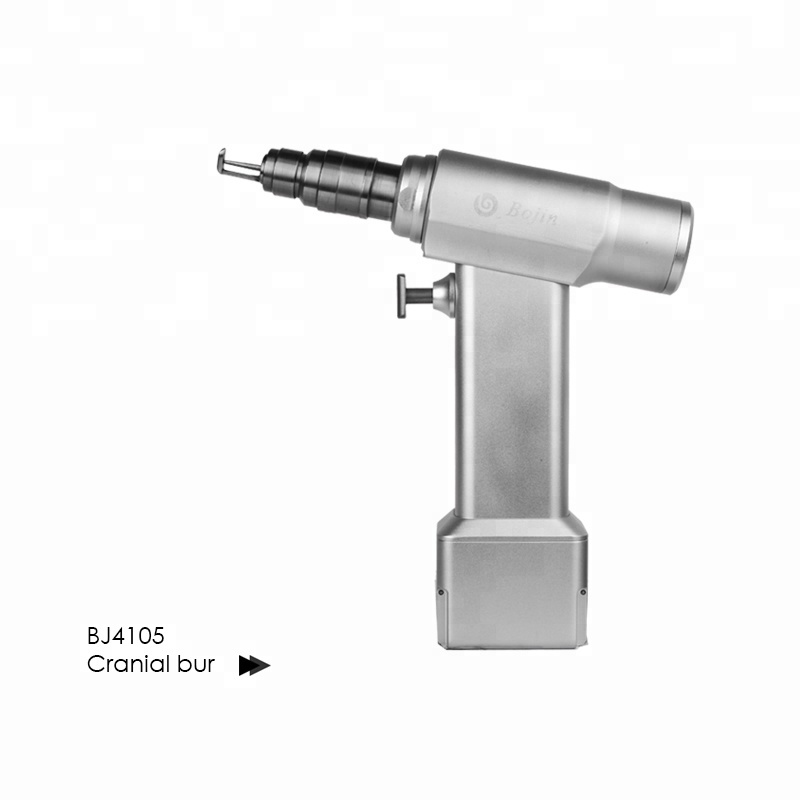
| Parameter | Value / Limit |
|---|---|
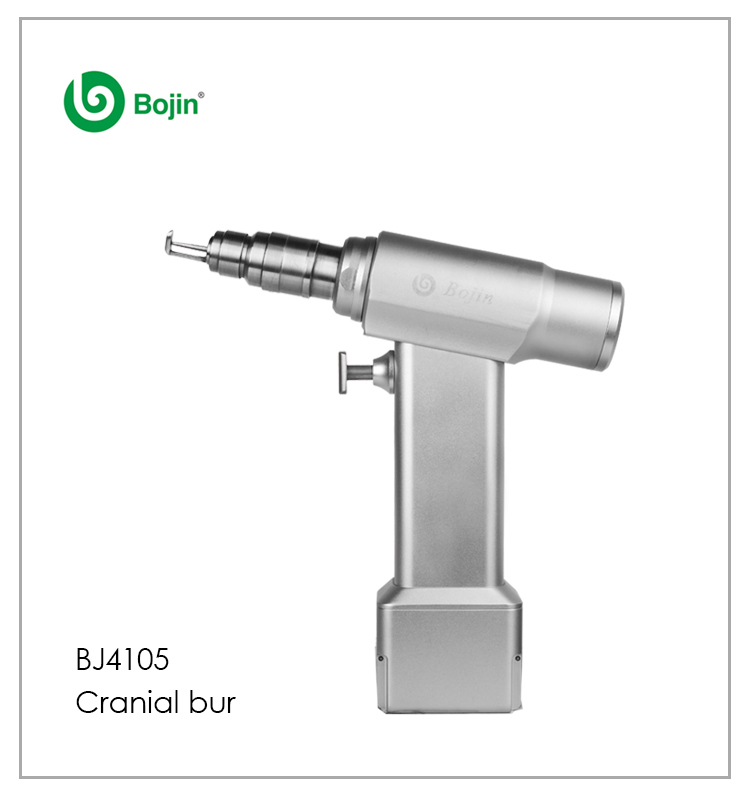
| Output power | 90W |
| Speed (r.p.m) | 0 - 60,000 |
| Oscillations (osc/min) | / |
| Torque (Nm) | / |
| Operation voltage (V) | / |
| Sterilization Temperature | 155°C |
| Swings (°) | / |
| Noise level (db) | ≤ 40 |
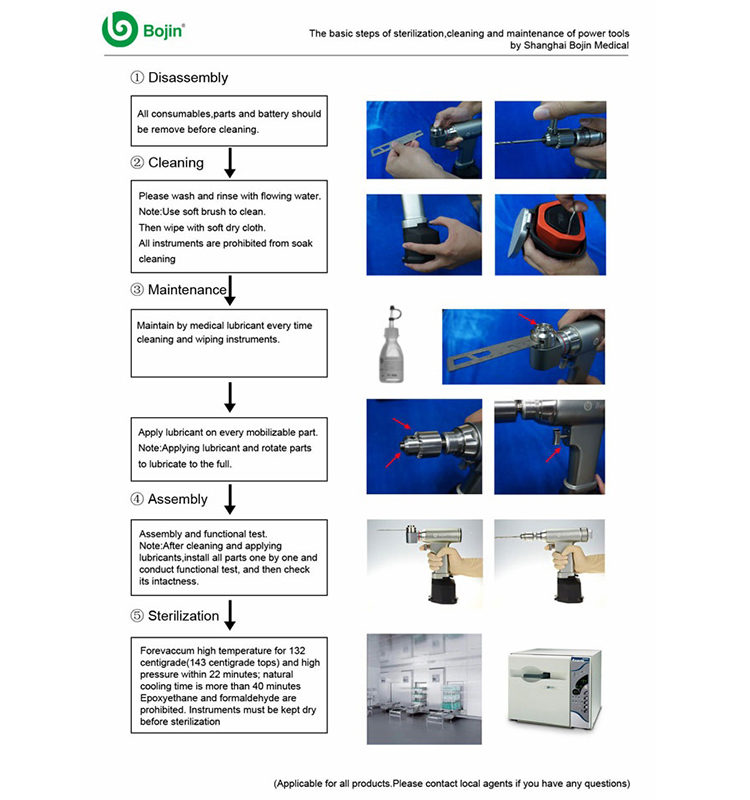

The standard sterilization temperature should not exceed 135°C. For improved types, it can safely withstand up to 155°C. Exceeding these temperatures will cause damage to the internal motor.
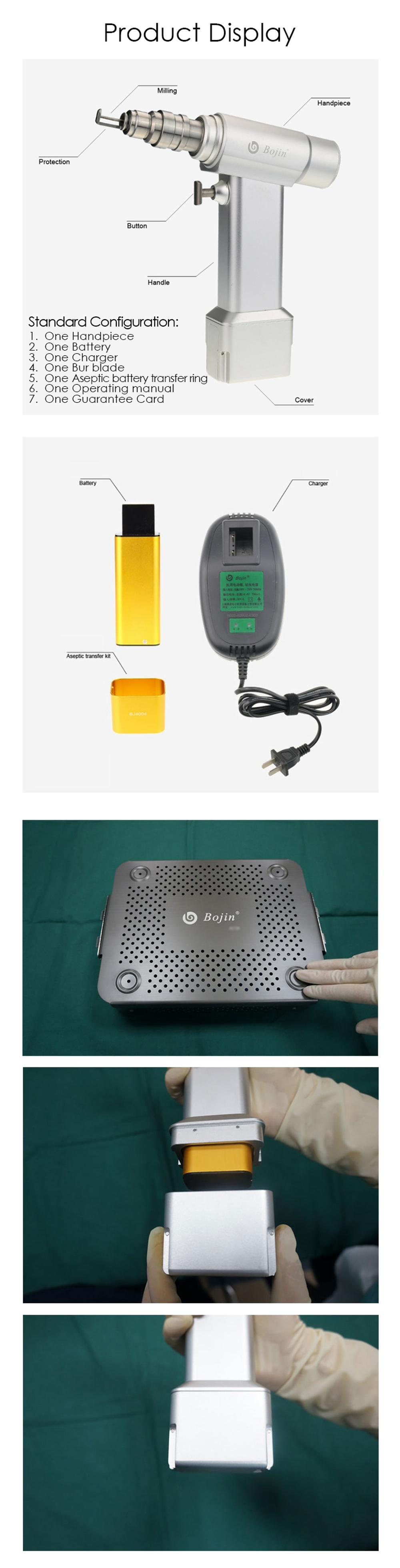
No, the battery cannot be sterilized and is not autoclavable. It must be detached from the power tool prior to any sterilization processes.
Always remove the battery from the handpiece immediately after the surgical procedure. Leaving the battery inside the tool can lead to small automatic discharges, which will shorten its overall lifespan.
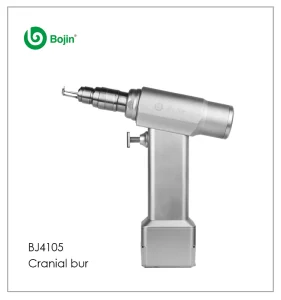
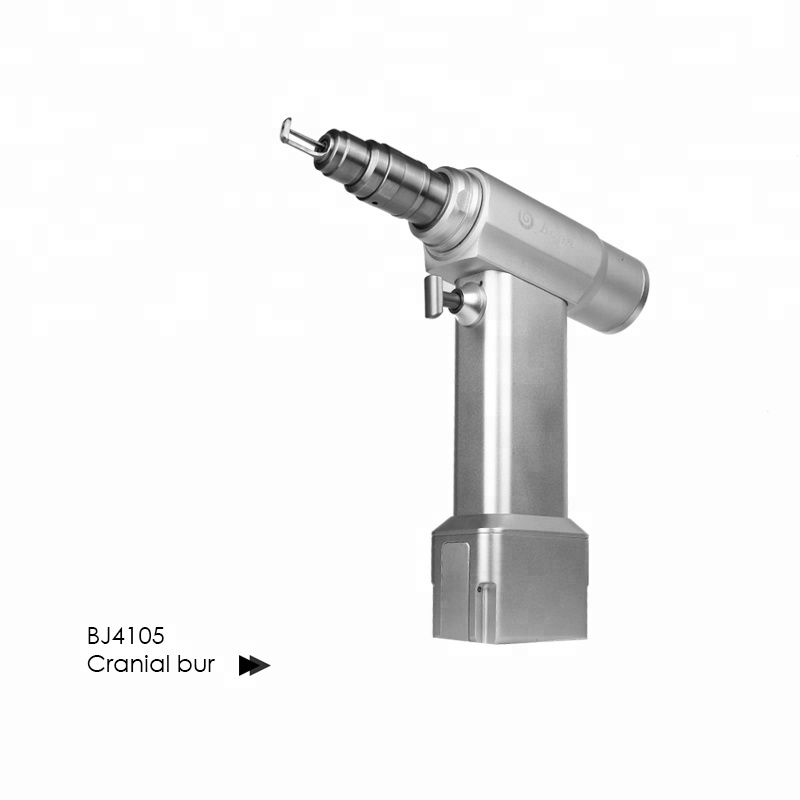
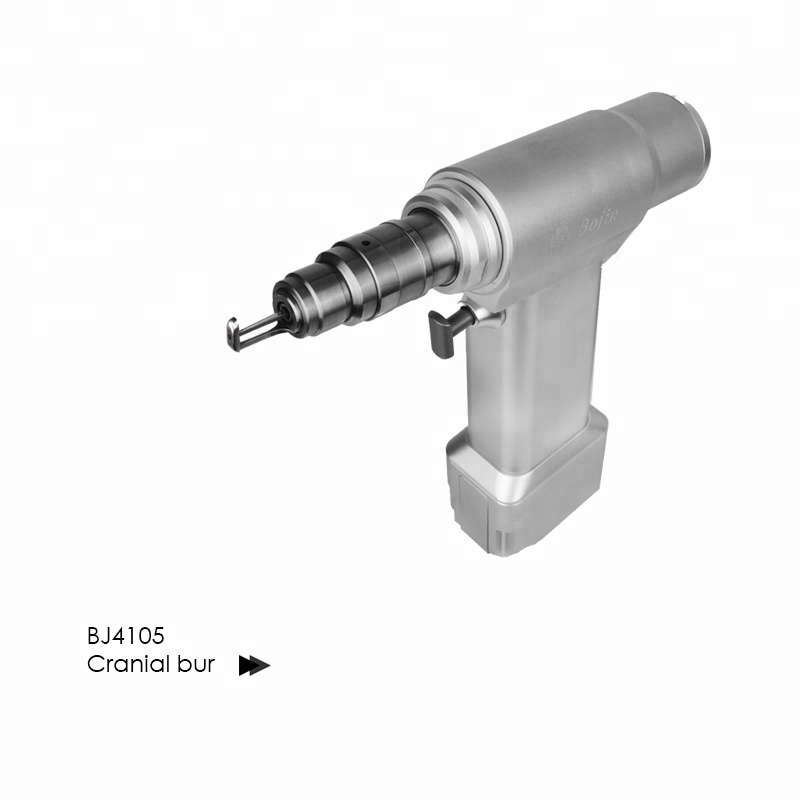
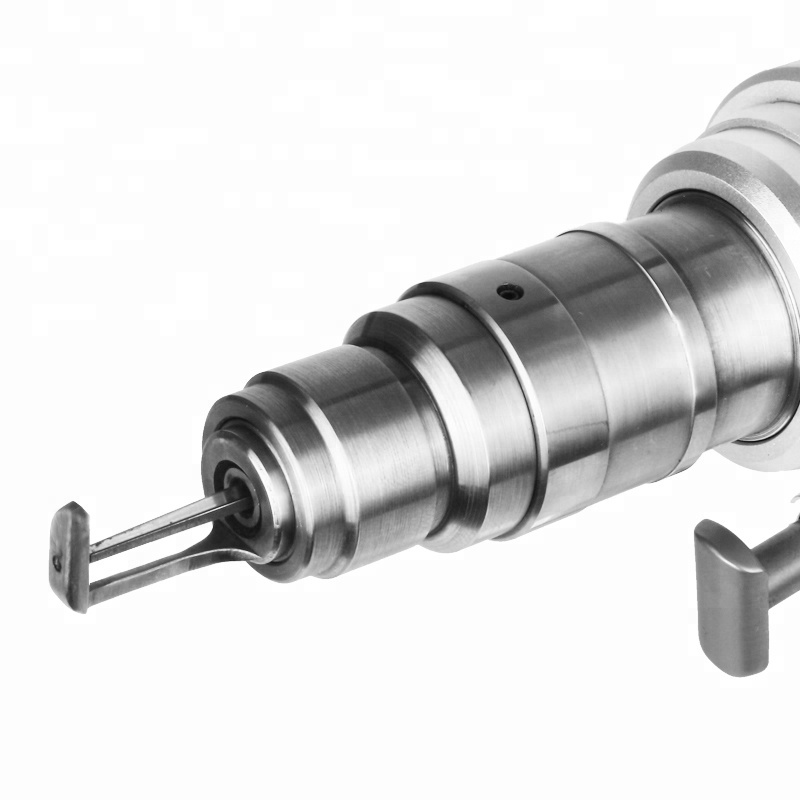
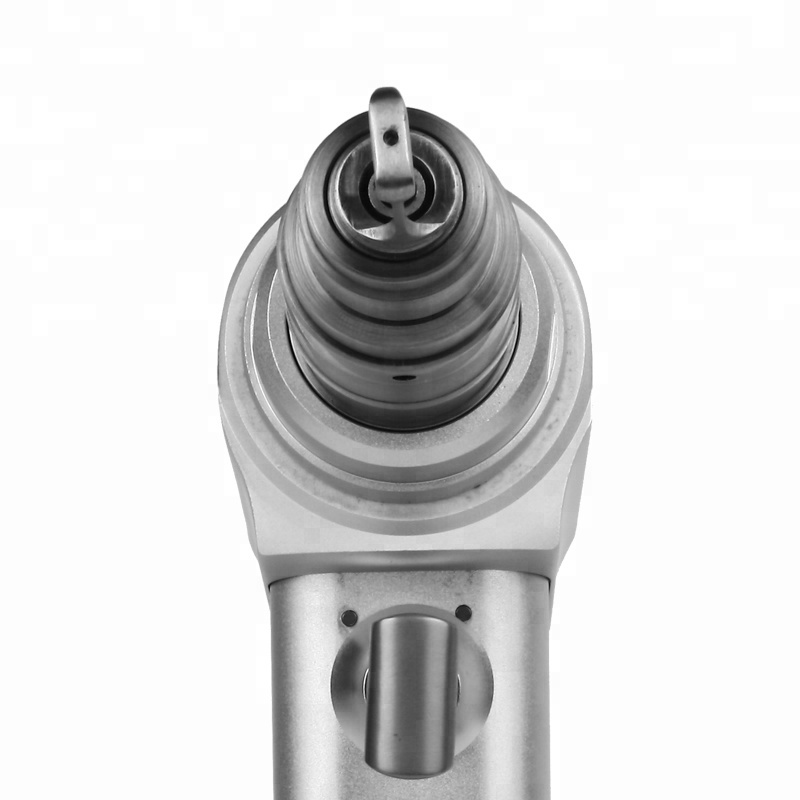
The cranial bur blade is crafted from medical stainless steel, designed to be flexible to prevent breaking during surgery. Due to this flexible nature, it is susceptible to wear, and we highly recommend replacing the blade after each surgery.
The cranial bur must be flushed and cleaned using a purger immediately after the procedure to prevent blood from coagulating and sticking inside the bur mechanism. Ensure it is completely dried after washing.
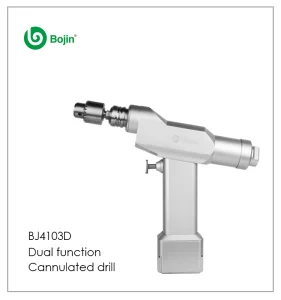
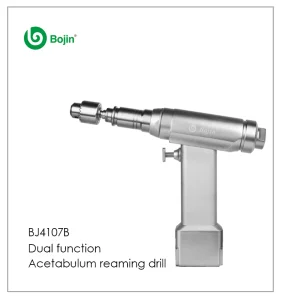
A standard bone drill handles drill bits under 6mm. For acetabulum reaming, a high torque setting at around 300 rpm is recommended, while cannulated drilling with K-wires operates best at approximately 600 rpm.