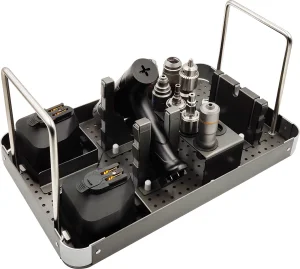
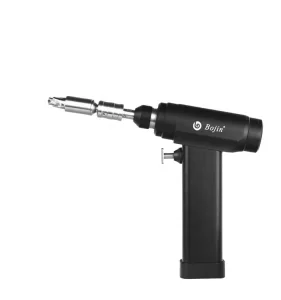
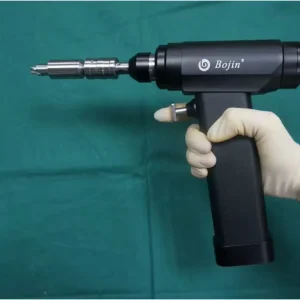
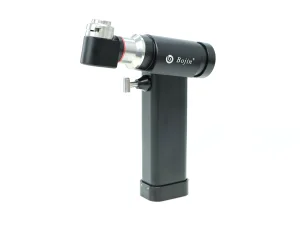
Optimized modular solutions designed to deliver maximum surgical versatility, minimizing operational overhead in modern Egyptian trauma centers.
Analyzing the intersection of market localization, demographic pushes, and clinical equipment requirements.
Egypt's healthcare architecture is undergoing its most profound transformation in decades. Guided by the government's ambitious rollout of the Universal Health Insurance System (UHIS) and a rapidly expanding demographic base reaching over 110 million citizens, healthcare institutions nationwide—from the busy tertiary centers of Cairo and Alexandria to regional clinics in Upper Egypt—are experiencing unprecedented patient loads. Traumatology, orthopedic oncology, and joint reconstruction surgeries have surged, driven primarily by high rates of road traffic accidents (RTAs) and age-related osteological degenerations.
In this dynamic, the procurement of surgical capital equipment has faced complex macroeconomic pressures. Severe currency fluctuations and foreign exchange constraints have pushed medical administrators, clinical directors, and B2B distributors to move away from excessively expensive Western brands. Instead, they are prioritizing durable, high-efficiency, Basic level (Multi-function) orthopedic power tools. The term "Basic level" does not signify a reduction in clinical efficacy; rather, it indicates a highly streamlined, robust, and cost-effective mechanical setup designed without unnecessarily complex software features. This guarantees that surgical teams have access to reliable torque, speed, and battery lifetimes while allowing hospital boards to control their capital expenditure (CAPEX).
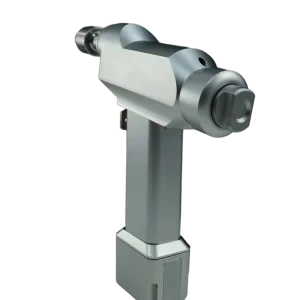
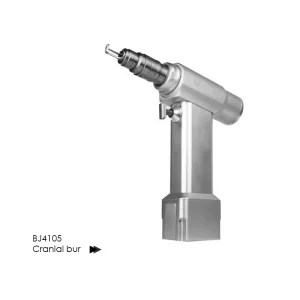
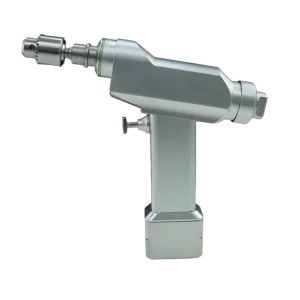
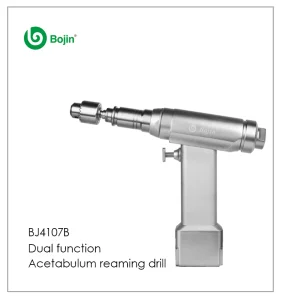
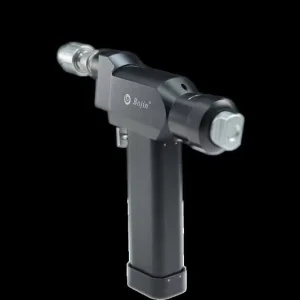
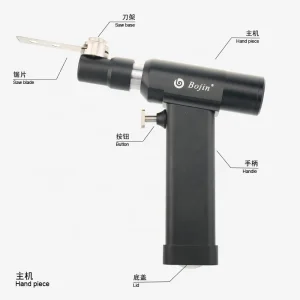
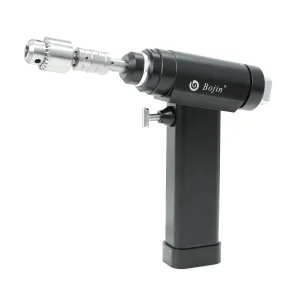
For hospitals in Egypt, deploying dedicated single-function power units for every specific orthopedic intervention is a major budget challenge. A single multi-functional handpiece, such as the BOJIN System 5600, solves this issue. It allows surgical staff to transition from bone drilling and reaming to sagittal sawing or cranial burring in seconds using quick-coupling mechanisms. This capability significantly reduces the sterilization footprint in the Central Sterile Services Department (CSSD), speeds up turnaround times between operations, and substantially reduces maintenance overhead.
Engineered for high mechanical reliability under variable voltage environments and intensive autoclave sterilization cycles.
An in-depth look at brushless motor efficiencies, battery performance, and build quality tailored for high-volume use cases.
A high-quality surgical power tool must deliver precise mechanical torque at high speeds while keeping heat generation to a minimum. The design parameters of our basic level systems focus on three core areas: motor topology, power management, and material composition.
Historically, entry-level orthopedic surgical power systems relied on brushed DC motors. While affordable to manufacture, brushes create friction, which generates heat during long procedures and leads to carbon dust release over time. This makes regular motor maintenance necessary. By using brushless DC motors (such as the German-engineered systems integrated into our Middle Level and System 5600 platforms), our tools eliminate these points of failure. Brushless designs offer a 30-40% increase in energy efficiency, allowing batteries to last longer. They also feature lower operating noise (under 63 dB) and generate minimal heat, which prevents thermal injury to bone tissue during osteotomies.
Power tools in clinical settings must operate with absolute dependability. Standard medical batteries must withstand the harsh environment of steam sterilization. Our platforms use advanced battery enclosures designed for high-temperature cycles (Class B Autoclavable up to 134°C under 2.1 bar pressure). Our NiMH (Nickel-Metal Hydride) 9.6V / 1800mAh packs provide stable voltage outputs, preventing motor speed drops during deep drilling or acetabular reaming procedures.
Surgical fatigue is a common issue during long procedures. The ergonomic profiles of the BJ5600 and BJ1300 series feature a balanced center of gravity, situated directly below the surgeon's grip. By using high-strength, lightweight aluminum alloys for the outer shell, these tools are highly resistant to impact damage from accidental drops, while keeping the overall handpiece weight under 1.1 kg.
| System Series | Motor Type | Variable Speed Range | Autoclave Compliance | Primary Application in Egypt |
|---|---|---|---|---|
| System 5600 | High-Torque Brushless | 0 – 12,000 rpm | 134°C / 18 min Full Cycle | Joint Replacement & Trauma Centers |
| System 4000 | German Precision Brushed | 0 – 1,000 rpm (Drill) | Autoclavable Handpiece | Neurosurgical Craniotomy & Burring |
| System 1300 | Economic DC Motor | 0 – 1,200 rpm | Autoclavable Handpiece | District Hospitals & General Trauma |
| System 8200 | Specialist Mini-Motor | 0 – 15,000 rpm | Autoclavable Handpiece | Hand, Foot, and Ankle Microsurgery |
Addressing supply chain risks, regulatory compliance, and equipment cost challenges.
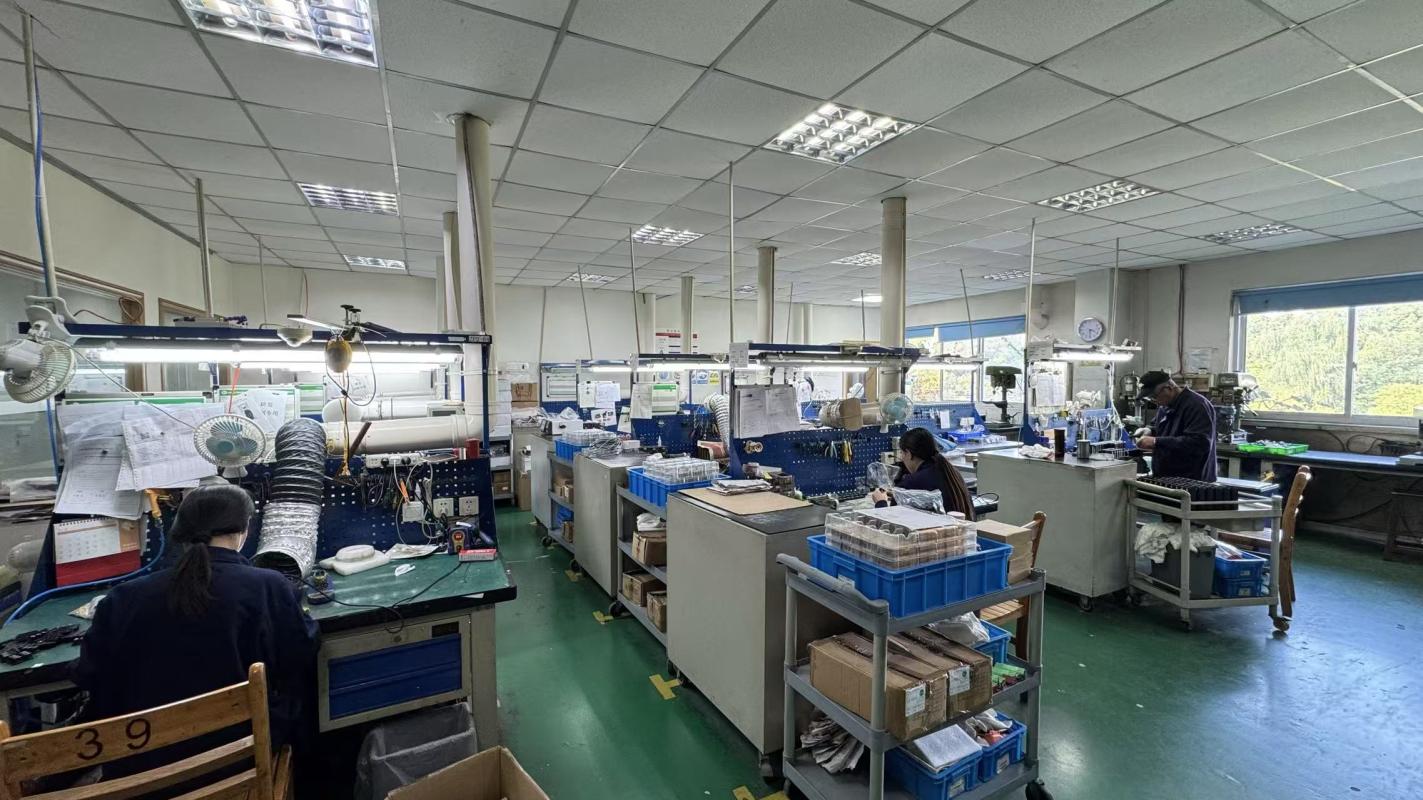
Distributors and hospital managers in Egypt face a challenging procurement landscape. Inflation, import restrictions, and the administrative steps required for registration with the Egyptian Drug Authority (EDA) create significant friction. This makes direct sourcing from established global manufacturers like Bojin Medical a strategic advantage.
Certified products that guarantee clinical safety, repeatability, and long-term durability in critical surgical settings.
Bojin platforms undergo rigorous testing to comply with international regulations. Every handpiece conforms to strict manufacturing standards, reducing the risk of mid-surgery equipment failures.


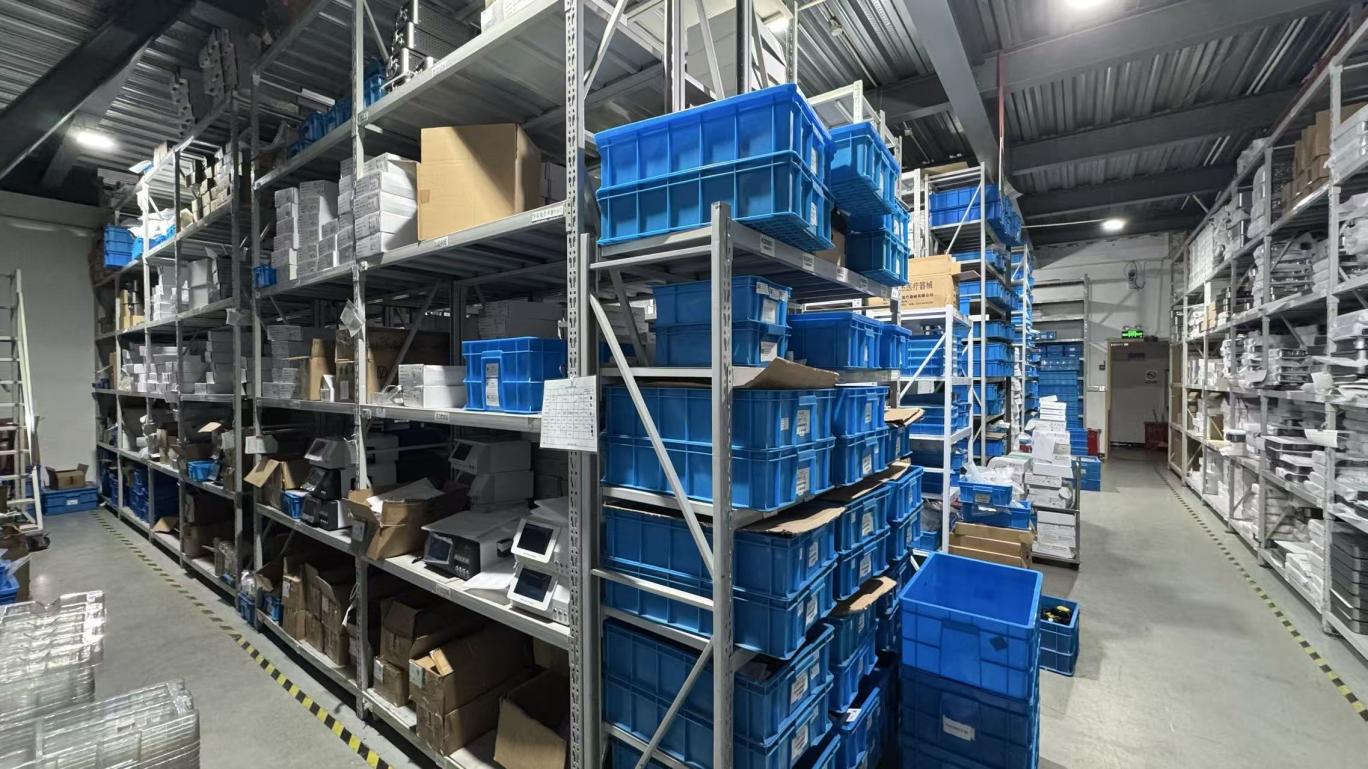
How surgical handpieces are evolving to incorporate smart features, lighter materials, and hybrid power systems.
The global development of surgical power tools points to a clear trend: making tools more intelligent, lighter, and durable. In the Egypt market, where medical tools must withstand long hours of continuous use, these technological developments are crucial for long-term clinical efficiency.
Future iterations of the System 5600 and System 4000 platforms are integrating microprocessors within the handle. These processors dynamically adjust torque according to the bone density encountered during drilling. For example, if the drill moves from cortical bone into cancellous bone, the rotation speed adjusts automatically. This prevents thermal necrosis and reduces the risk of accidental bone damage.
Research and development in metallurgy are introducing titanium-magnesium alloys to surgical handpieces. Replacing aluminum alloys with these composites reduces the tool's weight by up to 25%, while increasing its resistance to cleaning chemicals and the high temperatures of autoclaves.
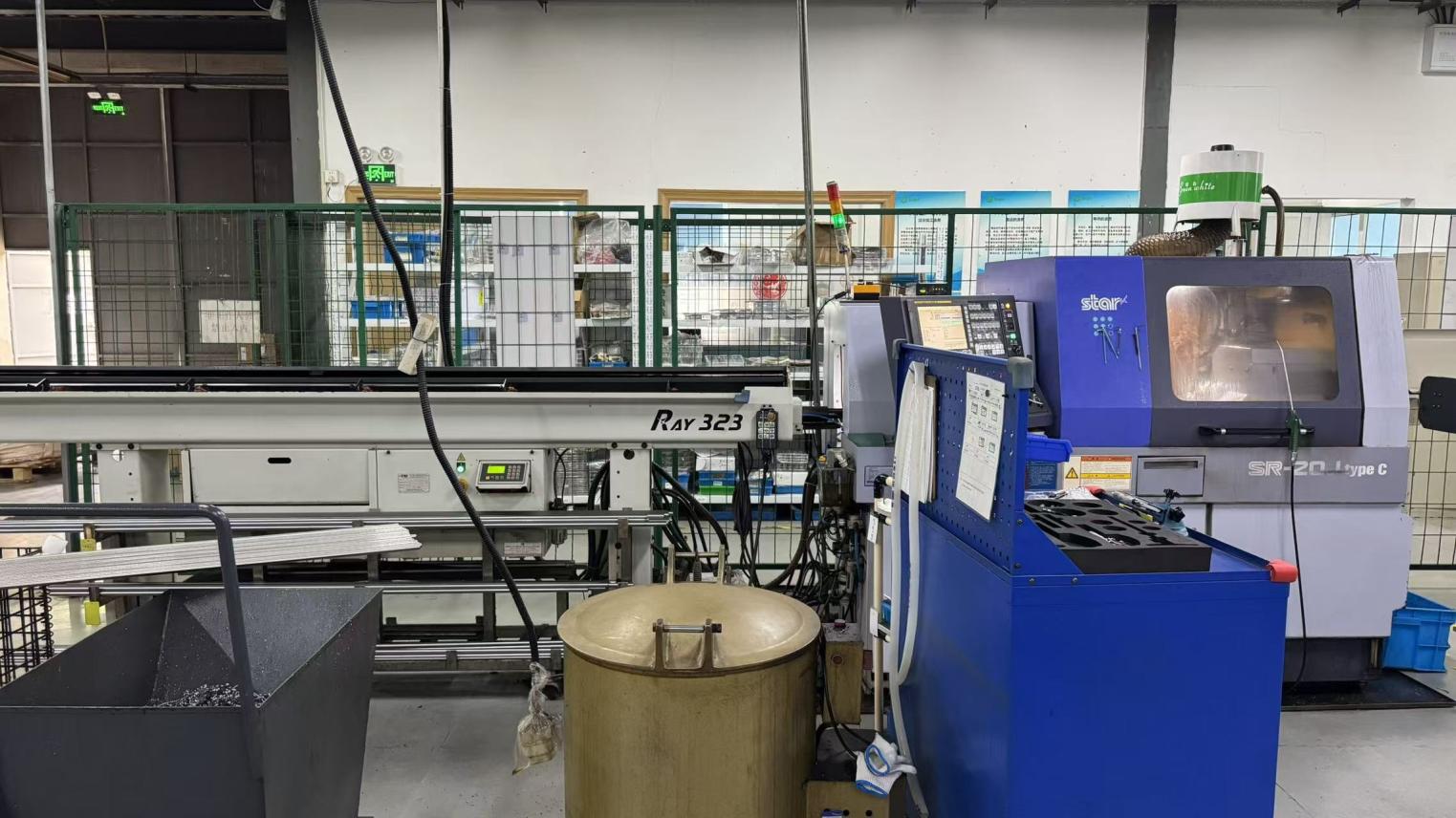
In high-pressure clinical settings, quick turnaround times are essential. Next-generation chargers feature fast-charging capabilities, restoring a depleted battery pack to 100% capacity in under 40 minutes. They also use intelligent charging profiles to extend battery life, reducing replacement costs for hospitals.
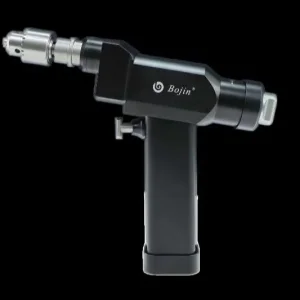
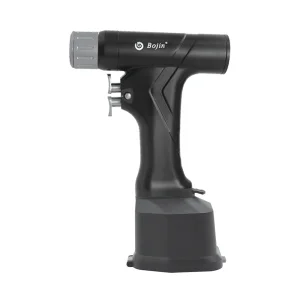
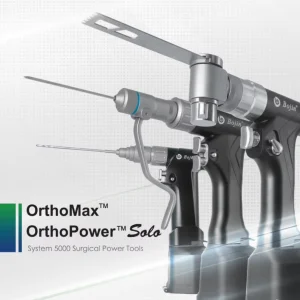
A comprehensive selection of orthopedic drills, sagittal saws, and cranial burring systems designed for different clinical requirements.
Answering common technical, regulatory, and shipping questions for hospital administrators and medical buyers in Egypt.
Contact our global sales coordinators to receive a tailored quotation, obtain technical data sheets, or begin the procurement process for your facility.
 BD Medical