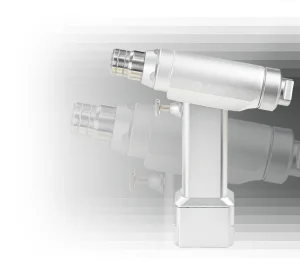
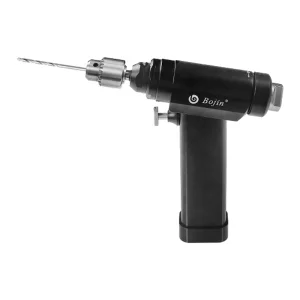
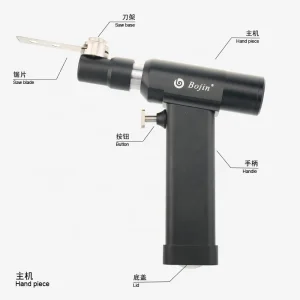
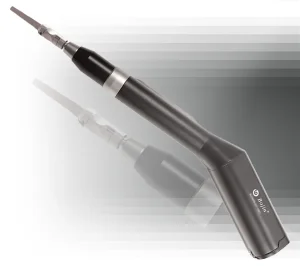
Engineered for unparalleled clinical safety, heat management, and durability under mechanical stress.
Analyzing the strict regulatory, design, and engineering parameters that define modern medical hardware exporters.
In high-stakes clinical ecosystems such as operating theatres and trauma units, surgical power tools serve as vital safety gear. Just as traditional heavy industries mandate structural, visual, and respiratory protective apparatuses, surgical disciplines require mechanical gear that protects both the patient and the surgical team. Precision drilling, bone sawing, and acetabulum reaming require specialized safety mechanisms. A failure during surgery—such as thermal necrosis from motor friction, hardware binding, or particulate contamination—poses direct biological threats.
The global demand for high-performance surgical safety implements has surged, driven by an aging demographic, the rising incidence of complex joint replacements, and a global commitment to improving postoperative outcomes. Today, elite manufacturers are evaluated not only on pure mechanical torque, but also on their integration of biocompatible sealing technologies, electromagnetic compliance (EMC), ergonomic balance, and thermal dissipation systems. This whitepaper analyzes these performance vectors, providing global hospital procurement departments and medical device distributors with a standard for evaluating quality and reliability.
Prolonged contact between bone tissue and a surgical drill generates frictional heat. If bone temperatures exceed 47°C for more than 10 seconds, osteocytic necrosis occurs, which can lead to implant loosening. High-tier bone drills incorporate smart sensor relays and optimized speed-to-torque profiles to maintain structural integrity.
Autoclaving surgical equipment requires exposure to pressurized steam at 134°C (273°F). Advanced surgical tools utilize double-barrier silicone and viton seals to prevent liquid ingress, protecting internal brushless motors from chemical corrosion during sterilization.
Repetitive hand-arm vibration can lead to physical fatigue for surgeons during long operations. Modern handpieces feature balanced rotational masses, dynamic damping components, and ergonomic profiles to minimize surgeon fatigue and support precise incisions.
Autoclavable Sterilization Threshold
Ultra-Low Noise Operation Limit
Stable DC Output Range
Liquid Ingress Protection Grade
A breakdown of the strict international certifications that govern the export of high-grade surgical power tools.
For medical devices and operating room safety systems, international certifications serve as the primary indicator of reliability. Bojin devices are engineered in accordance with rigorous safety frameworks to ensure safety and clinical performance.


These certifications verify that every batch of surgical bone drills, sagittal saws, and acetabulum reamers complies with international manufacturing and patient-safety standards:

How surgical power tools function as life-safety equipment across different clinical departments.
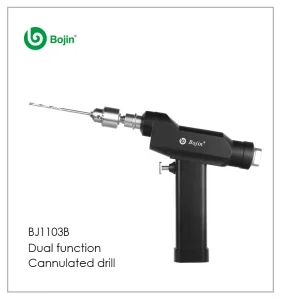
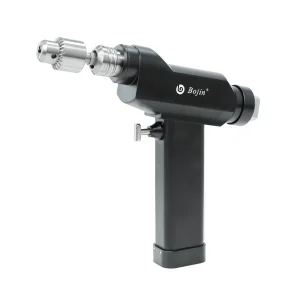
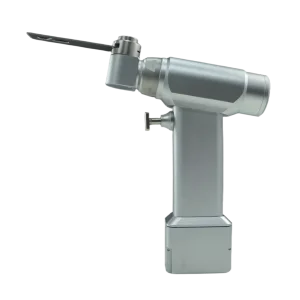
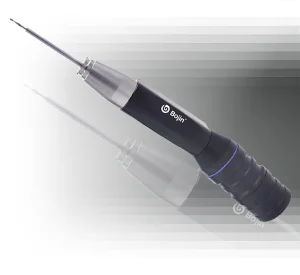
In emergency orthopedic surgery, time is a critical factor for patient safety. Cannulated bone drills (such as the Bojin BJ1103D or BJ1102) allow surgeons to insert guide wires and stabilize compound fractures quickly. Rapid-lock keyless chucks enable swift transitions, reducing surgical times and reducing exposure to infection.
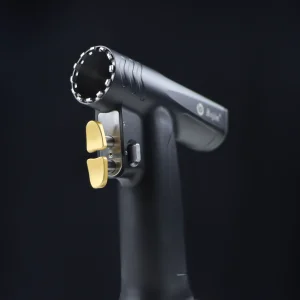
Total hip arthroplasty requires precise socket preparation. The BJ5107B Acetabulum Reaming Drill operates at high torque and low speeds, preventing structural thermal damage to the surrounding bone while creating a precise geometry for implant insertion. This supports long-term implant stability and patient recovery.
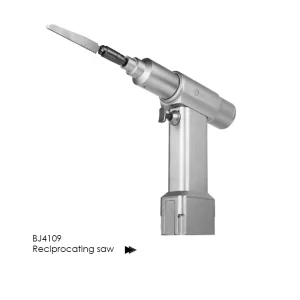
During open-heart surgery, split-second precision is required to access the thoracic cavity. The BJ1108 Overhaul Saw provides steady, low-vibration cuts through the sternum, helping prevent micro-fracturing of the bone and protecting the underlying tissues.
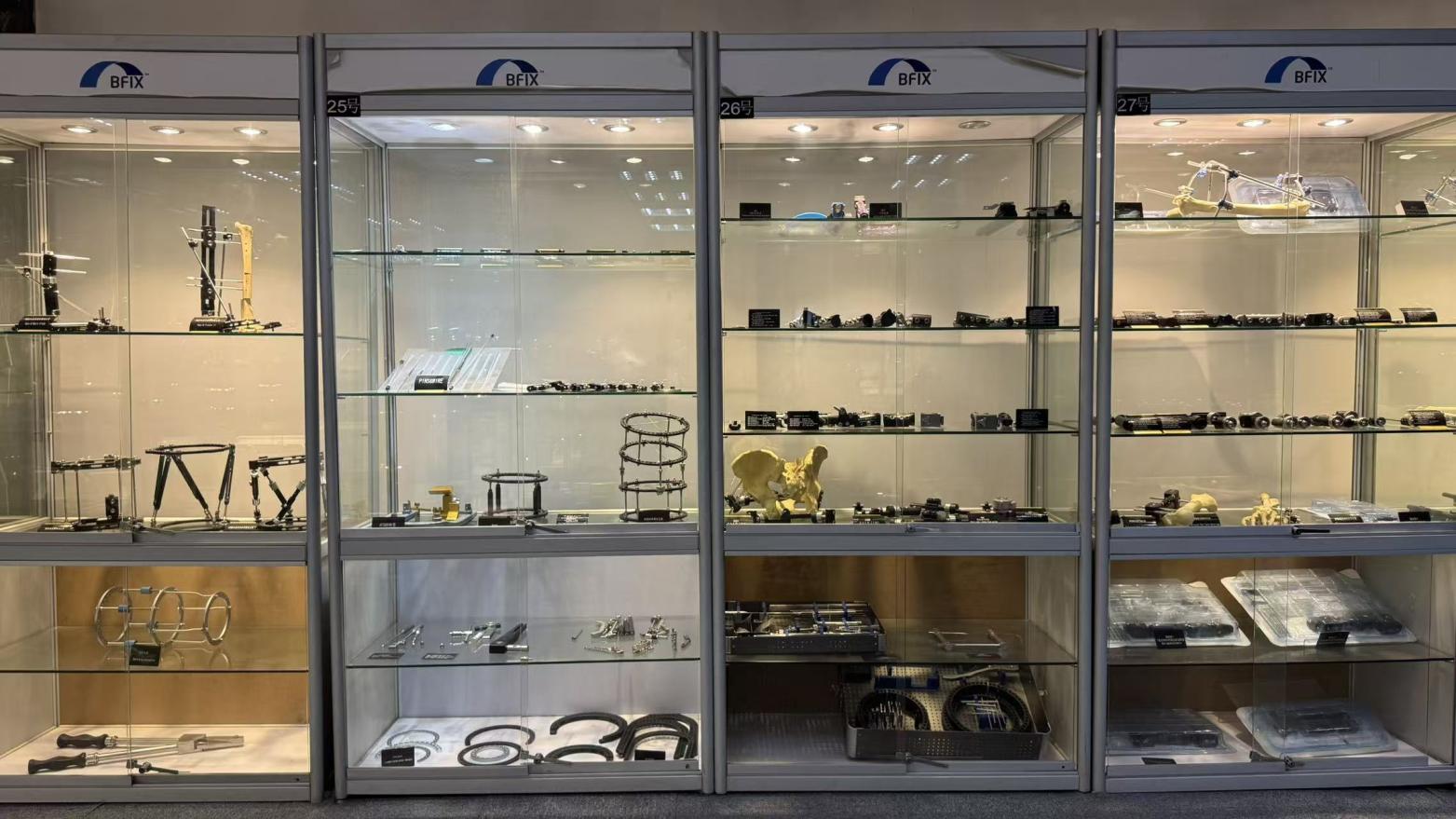
Future development pathways for high-reliability medical tools and surgical power systems.
Transitioning our core handpiece configurations to advanced German brushless motors. Eliminating physical brushes reduces internal mechanical wear, minimizes electromagnetic emissions, and limits operational noise to under 55dB.
Developing lightweight Lithium-Ion battery modules with integrated cell balancing. These systems provide consistent voltage throughout the surgical procedure, preventing power drops during deep-bone drilling.
Integrating micro-sensors in the handpieces to detect bone density variations. The tool automatically adjusts speed and torque to minimize thermal output and prevent overshoot.

Engineered for high performance, stability, and compatibility across various medical applications.
Evaluating mechanical heat transfer and operational safety standards during orthopedic procedures.
Developing high-quality surgical safety gear involves managing complex thermodynamic and mechanical trade-offs. During bone dissection or reaming, physical energy is converted into heat. If unmanaged, this heat can damage local bone tissue, delaying osseointegration and potentially affecting long-term recovery.
To address this, Bojin systems utilize optimized gear ratios alongside high-efficiency motors. This design delivers the required torque at lower rotational speeds, helping maintain bone temperatures below critical levels. Our tools also feature quick-change chuck adaptors to allow smooth transitions between different surgical attachments, helping reduce the time the patient is under anesthesia.

In addition, modern lithium-ion and nickel-metal hydride (NiMH) battery technologies (such as the 9.6V 1800mAh BJ5400) are built with sealed casing assemblies. These housings prevent liquid ingress during sterilization while protecting the sensitive battery cells inside, providing a reliable source of power throughout the procedure.
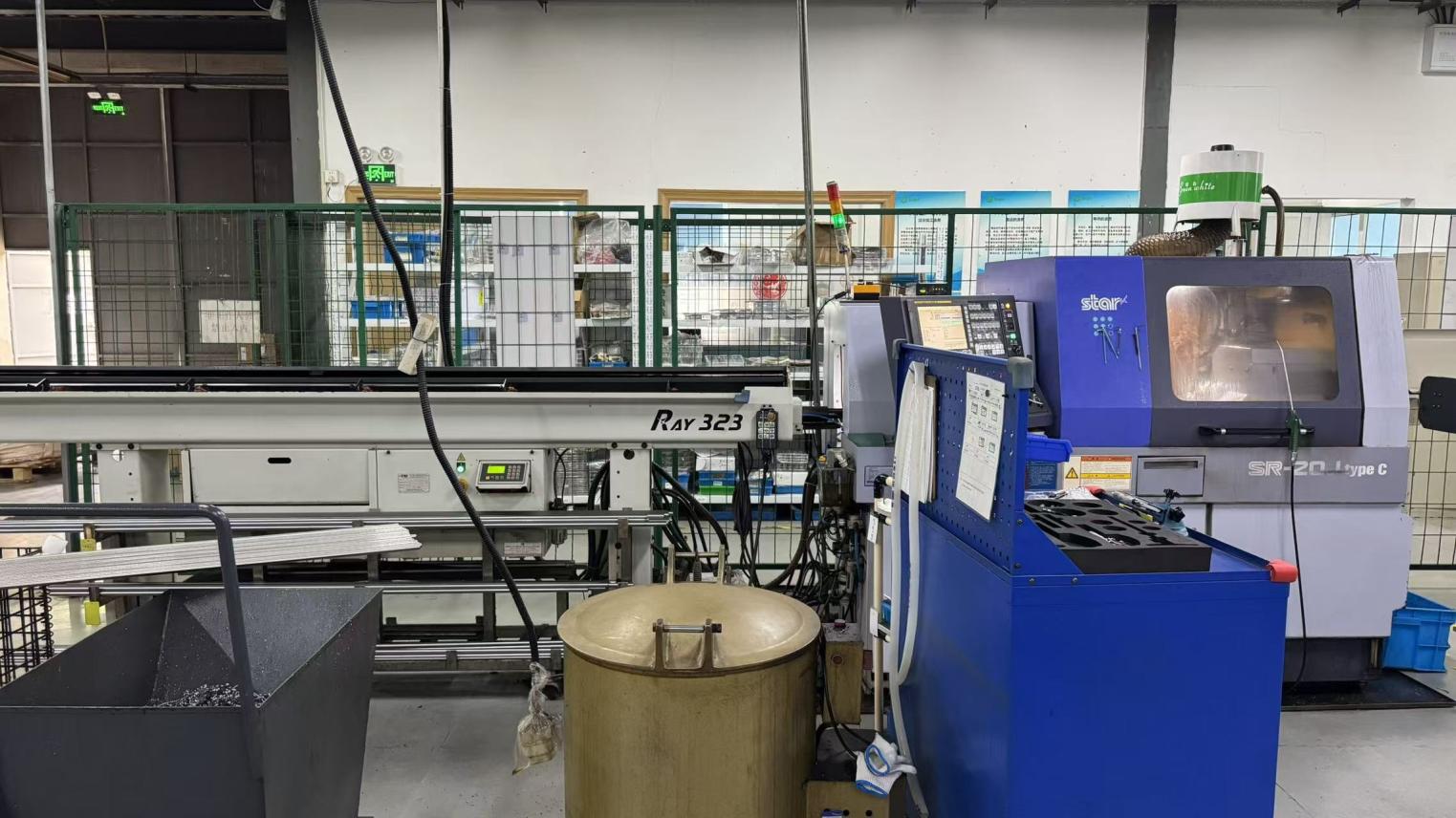
Detailed technical answers regarding certifications, clinical use, and maintenance of Bojin surgical tools.
 BD Medical