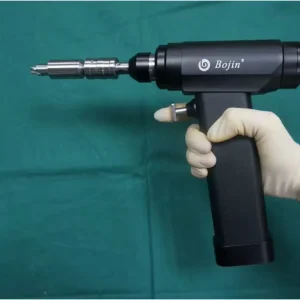
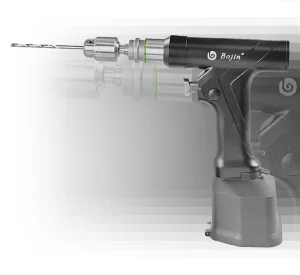
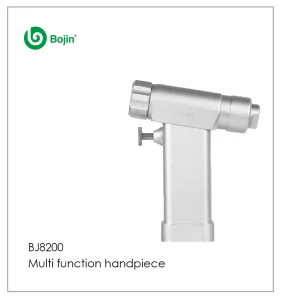
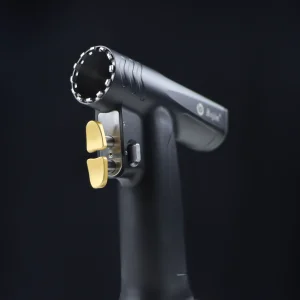
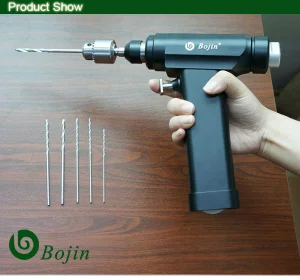
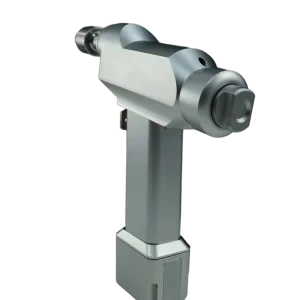
Explore our precision-engineered, hospital-grade bone drills, sternum saws, and micro-surgical power tools powered by German motor technology.
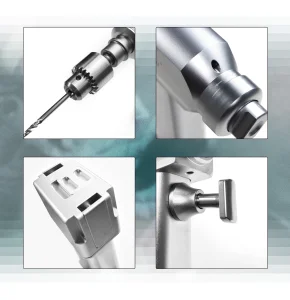
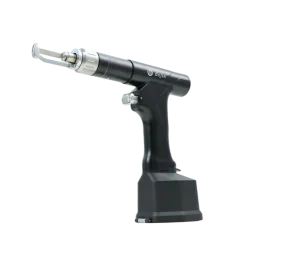
Decoding the strategic, operational, and regulatory shifts driving high-precision industrial machinery procurement in the healthcare sector.
In the modern era of automated manufacturing and medical technologies, the procurement of industrial medical machinery stands as one of the most demanding processes in B2B supply chains. Unlike standard consumer goods or general-purpose hardware, medical machinery—specifically surgical power tools such as cranial burrs, oscillating saws, and cannulated drills—must conform to strict requirements that leave zero margin for error. Global B2B buyers, medical distributors, and hospital procurement departments look for manufacturing partners that can provide both reliability and precision.
Critical concerns in B2B machinery sourcing include micro-engineering tolerances, motor efficiency under thermal load, and long-term durability. For instance, surgical power tools must withstand hundreds of high-pressure autoclave sterilization cycles (typically 135°C at 1.6 bar) while maintaining precise torque, minimal noise, and zero fluid ingress. Consequently, finding a dedicated exporter from China who acts not just as a trading entity, but as a direct manufacturer with ISO-certified production lines, becomes a key priority for supply chain managers globally.
Translating industrial scale into micro-precision engineering through advanced CNC systems and integrated German motor technologies.
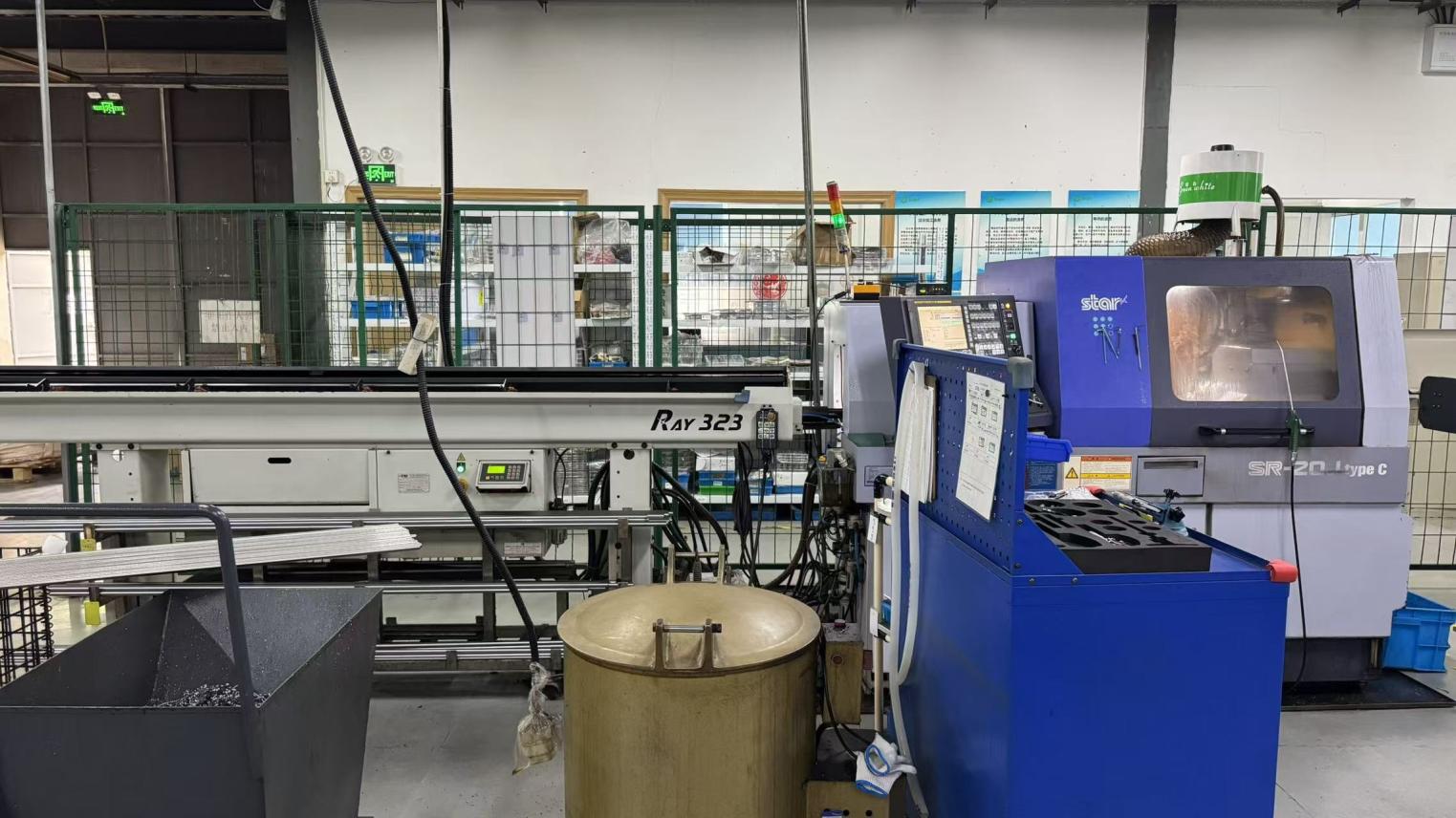
The division between heavy industrial machinery and high-precision medical devices has narrowed. Modern surgical power tool manufacturing uses the same high-end multi-axis CNC machines and automated milling centers that drive aerospace manufacturing. This ensures that gearboxes, drive shafts, and outer housings are fabricated from medical-grade surgical steel (316L/titanium alloys) to prevent corrosion during operations.
Furthermore, the integration of German brushless motors in systems like the Bojin 6600 and System 4000 series provides a major performance upgrade over brushed alternatives. Brushless designs eliminate friction-induced wear, minimize thermal output, and lower acoustic signatures below 45dB, reducing fatigue for surgeons during long surgical procedures.
By combining these German-engineered motors with advanced lithium-ion battery management, our machinery provides consistent torque output even when drilling through high-density cortical bone, ensuring user safety and surgical accuracy.
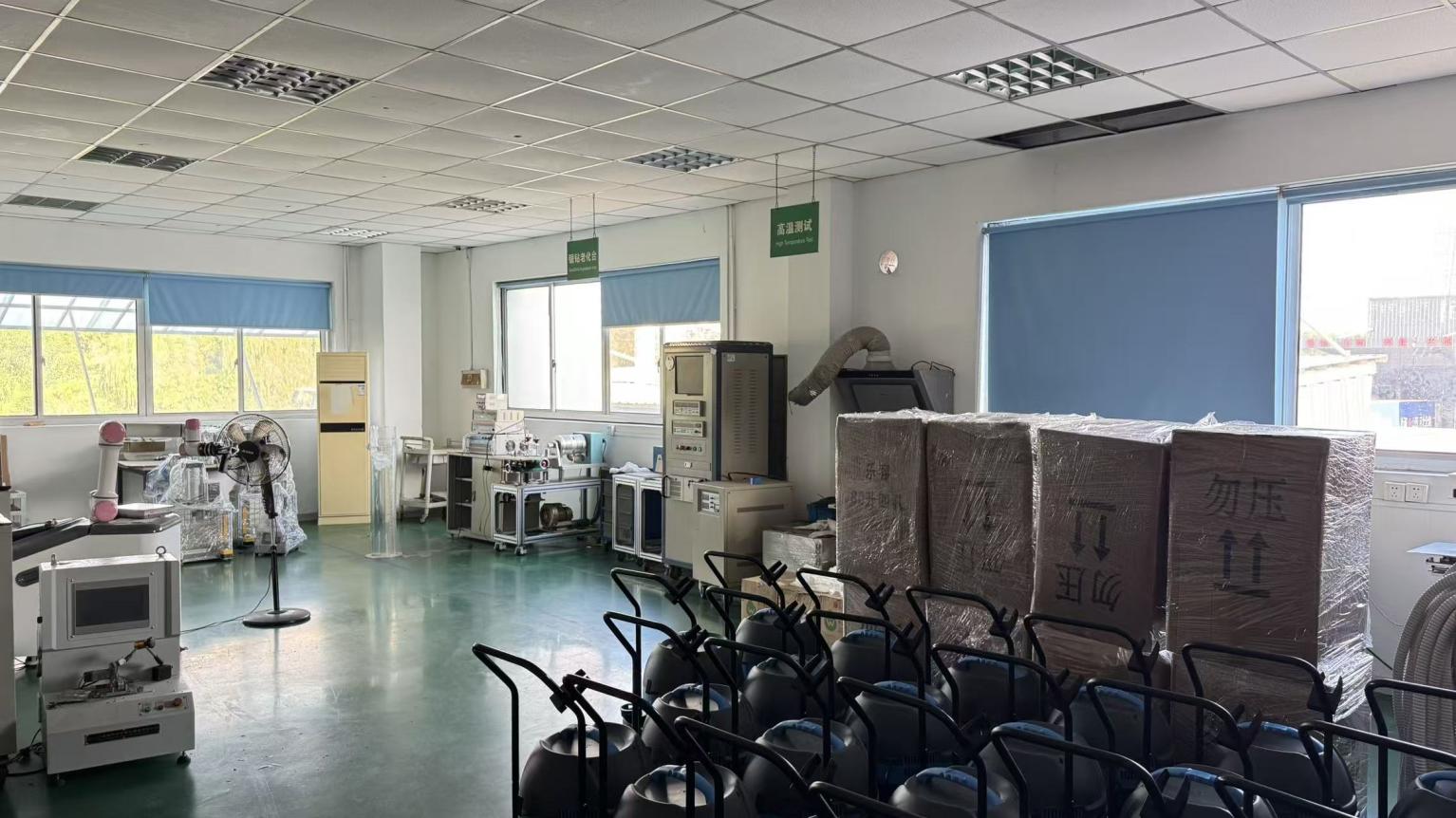
Pioneering the next generation of smart power systems, robotic integration, and ergonomic handpiece configurations.
Integrating real-time force sensing. When a drill breaches the far cortex of a bone, the system automatically slows down to prevent injury to surrounding soft tissues.
Designing modular handpieces with digital communication APIs, allowing them to interface directly with robotic end-effectors for autonomous orthopedic procedures.
Moving away from exposed battery terminals. Wireless charging loops sealed inside autoclavable housings eliminate contact erosion from saline solutions.
Leveraging additive manufacturing (3D printing) to customize handpiece weight distribution, reducing muscle strain during complex reconstructive surgeries.
The future of surgical power tools lies in connected, digital technology. Surgical systems will no longer be isolated hand tools; they are evolving into smart nodes on the hospital network. By recording data on runtimes, sterilization counts, and torque trends, proactive maintenance alerts can warn operators *before* a mechanical failure occurs. Our R&D team is actively pursuing these innovations to keep our global partners at the forefront of surgical technology.
Analyzing market indicators, regulatory frameworks, and export-import trends for surgical equipment.
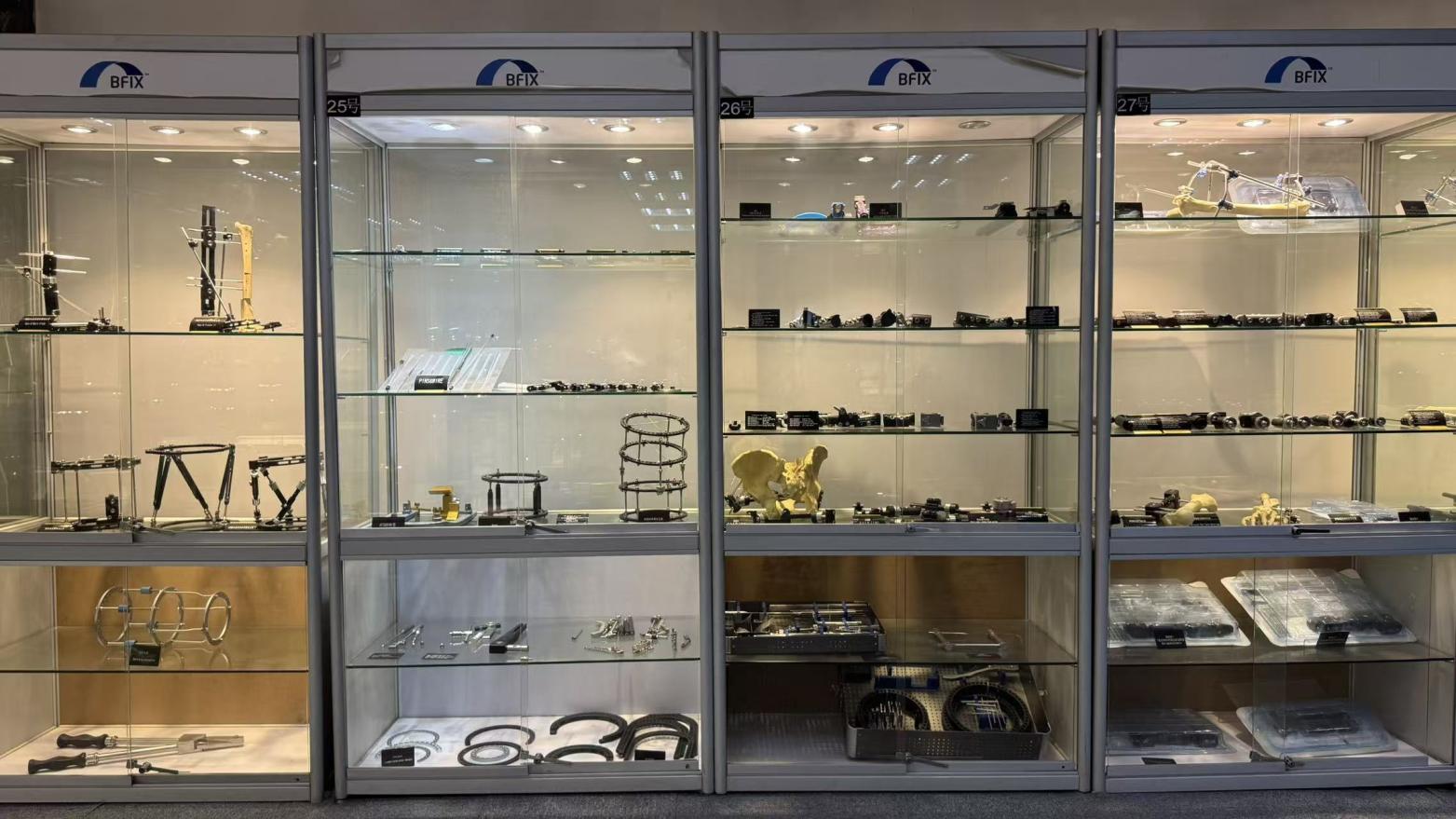
The global market for orthopedic surgical power tools is experiencing strong growth, driven by aging populations, an increase in joint replacement surgeries, and rising trauma cases globally. Historically dominated by Western OEMs, the market has shifted toward high-quality, cost-efficient alternatives manufactured in China.
B2B buyers in emerging markets (including Latin America, Southeast Asia, and the Middle East) and established regions like Europe are looking for manufacturers who can maintain technical standards without the high markups of traditional brands. By combining components like German-sourced motors with China's cost-effective assembly ecosystems, Chinese exporters can deliver premium-tier products at highly competitive price points.
This shift has changed supply chain dynamics, making dual-sourcing strategies standard practice for major medical device distributors worldwide.
Navigating global regulatory barriers, local hospital certifications, and offering OEM/ODM customization services.
Navigating regulatory requirements is a critical challenge in exporting medical machinery. Every region has its own set of rules, whether it's local Ministry of Health registrations, EU MDR declarations, or FDA approvals. A professional exporter must support partners through these regulatory processes.
We support our global clients by providing complete documentation packages, including raw material biocompatibility certificates, electrical safety testing records (IEC 60601-1), and validated sterilization instructions. Additionally, our comprehensive OEM/ODM program allows distributors to customize handpiece dimensions, laser-etch corporate branding, and adjust torque-to-speed settings to align with local clinical preferences.


A visual tour of our precision machining, testing laboratory, clean-room packaging, and warehouse facilities.
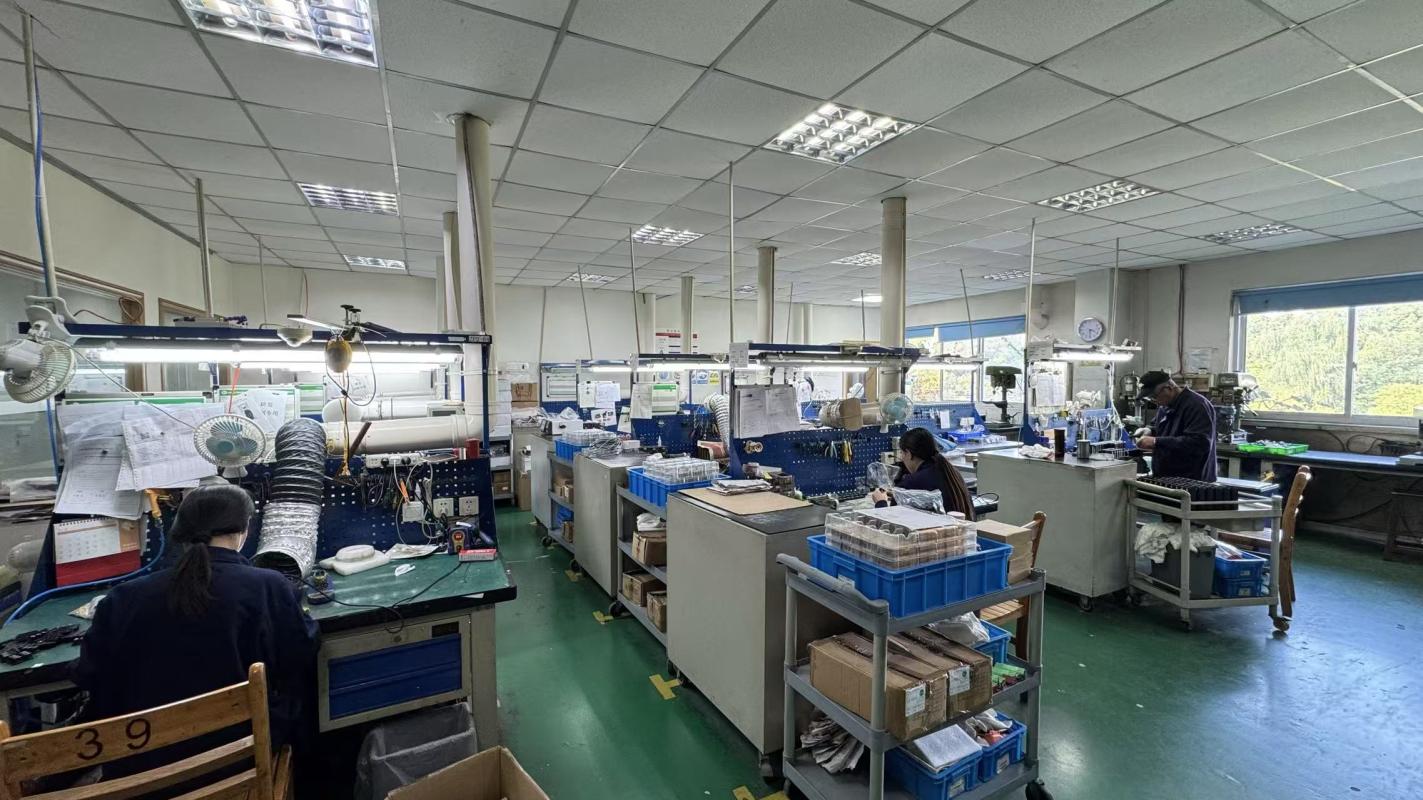
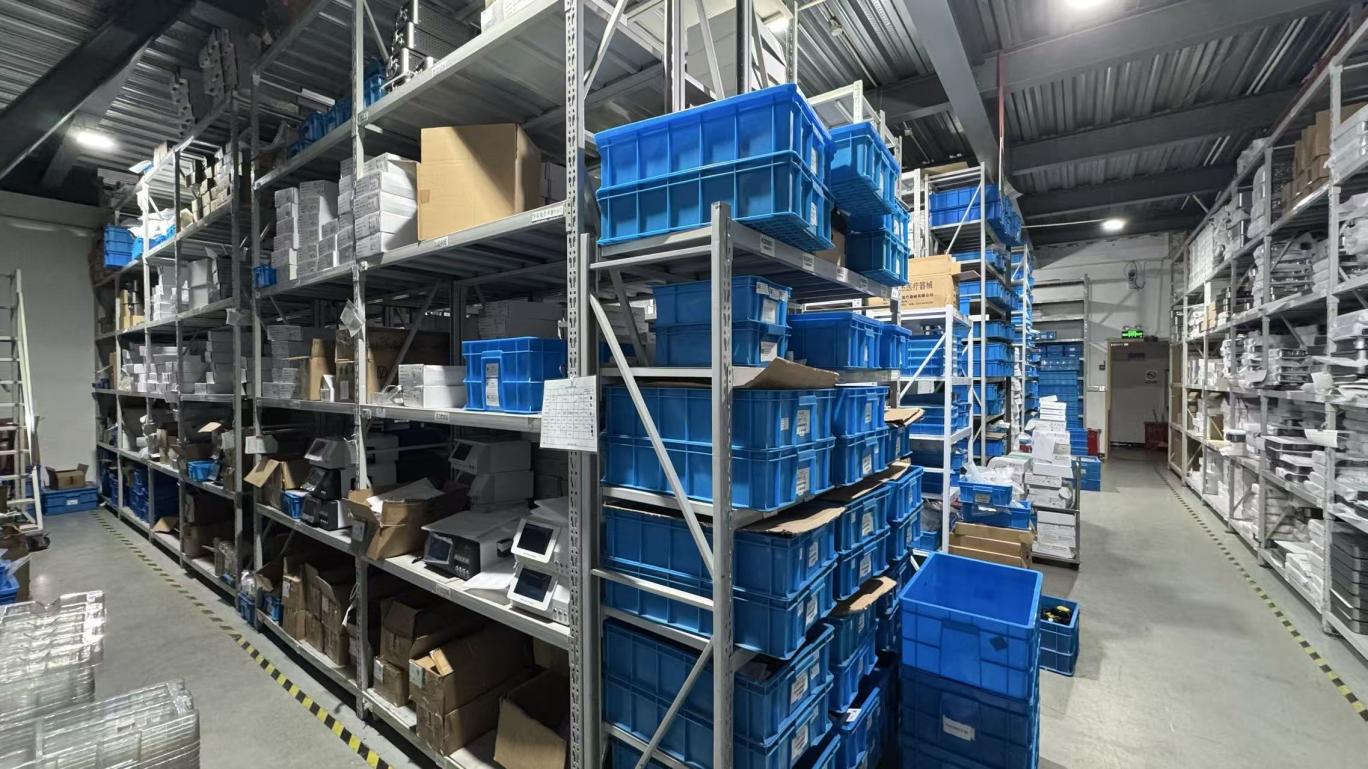
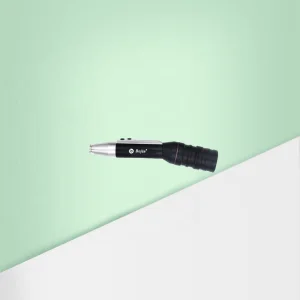
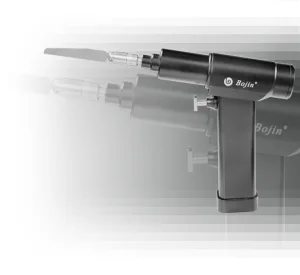
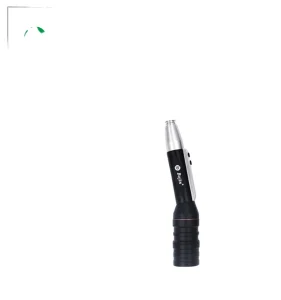
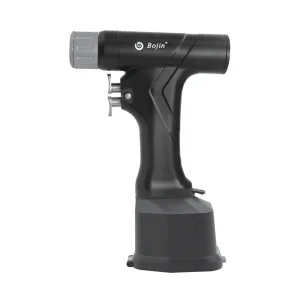
Discover our specialized micro-power tools, reciprocating bone cutting systems, and high-capacity Li-ion battery solutions.
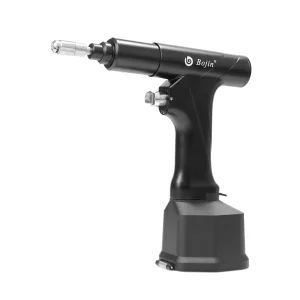
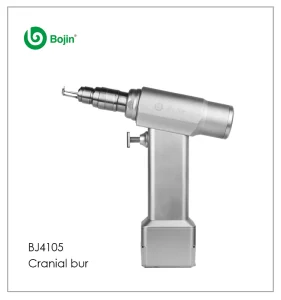
Common questions regarding customization, certification, performance under load, and global logistics for BOJIN surgical systems.
 BD Medical