High-reliability surgical power configurations engineered for bone resection, trauma, and joint arthroplasty procedures.
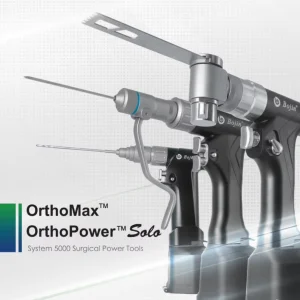
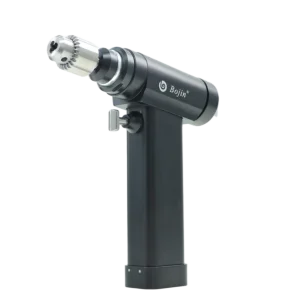
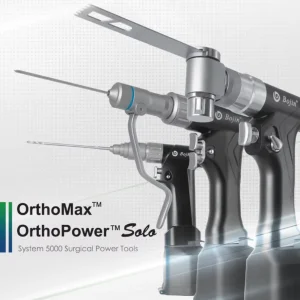
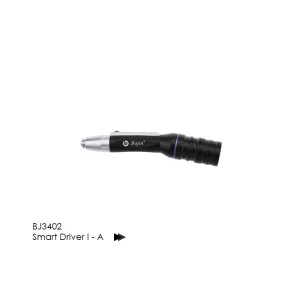
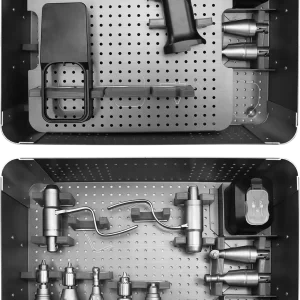
Procurement departments in modern healthcare organizations face critical tasks when choosing medical power tools. In trauma surgery, orthopedic reconstruction, and joint revision, clinical outcome precision directly correlates with tool operational capability. Standard industrial specifications do not translate to sterile surgical suites; instead, instruments must offer autoclavability, robust thermal limits, bio-compatibility, and fine-tuned control dynamics.
Key pain points globally center on product longevity and operational stability. Selecting a multi-functional saw factory in China requires searching beyond baseline metrics. Leading procurement agencies evaluate motor reliability under prolonged continuous load, weight balancing to minimize surgeon muscle fatigue, and battery chemistry architecture capable of resisting recurrent 134°C sterilization cycles without sudden capacity decay.
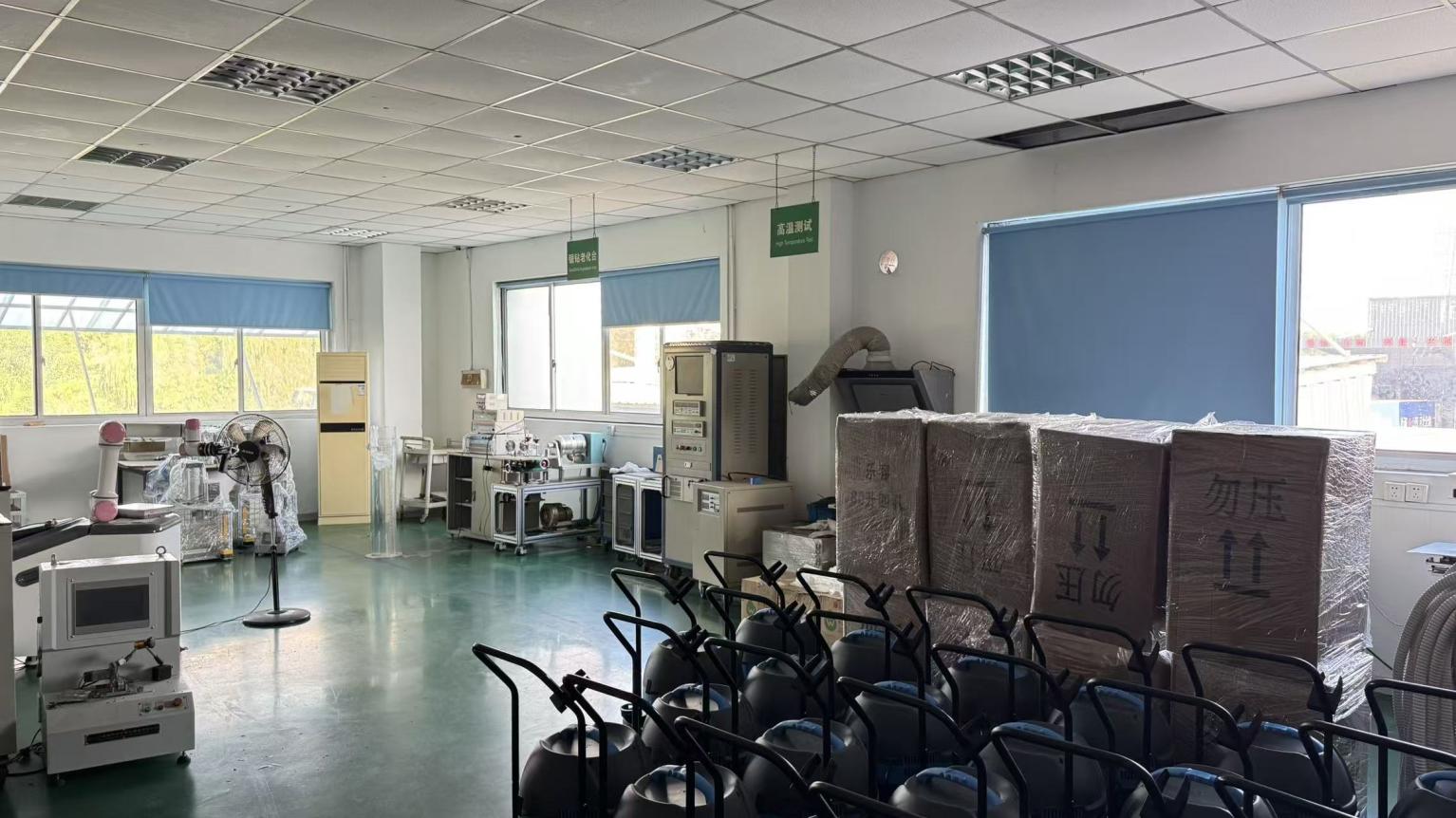
Engineered to support clinical safety parameters through verified laboratory performance indicators.
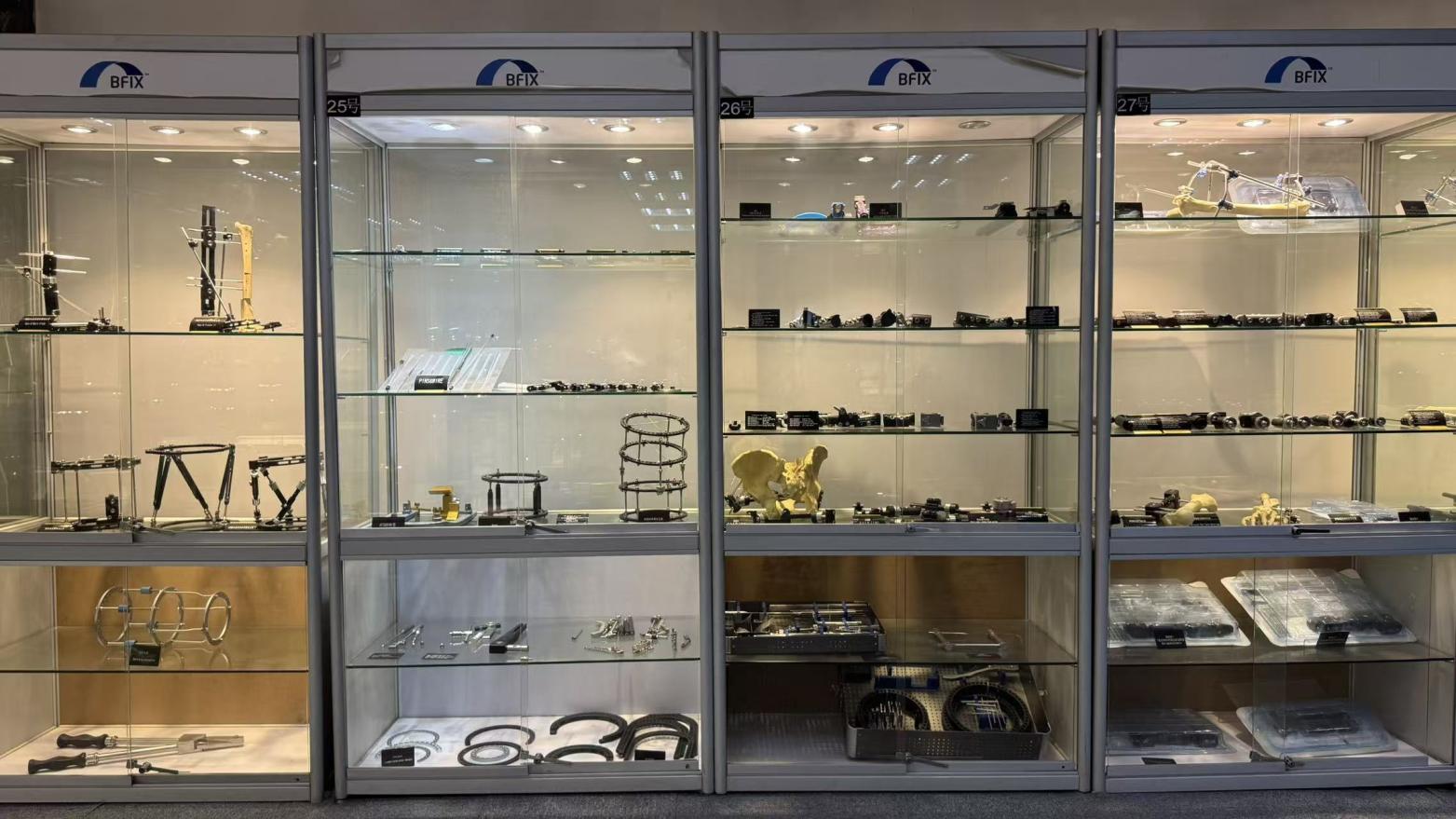
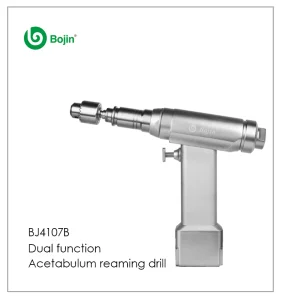
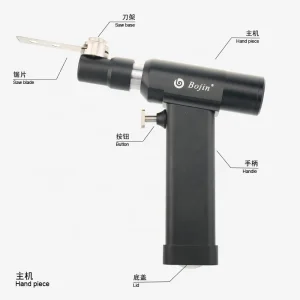
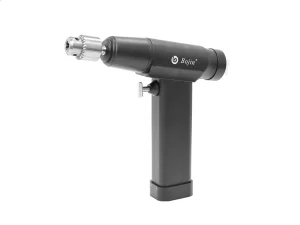
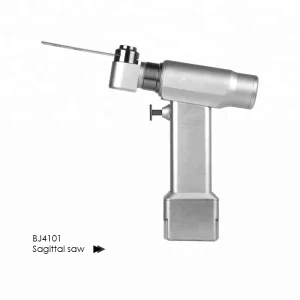
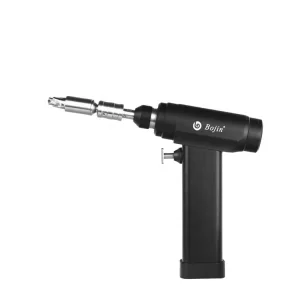
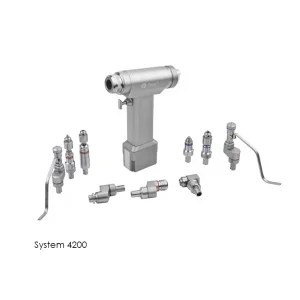
Global healthcare markets are divided between high-income regions prioritizing state-of-the-art smart driving instruments and emerging medical sectors requiring long-term operational durability. As a result, factories in China must provide scale-adaptable platforms. Medical device solutions rely on modular system architectures where a single battery housing can accommodate drills, sagittal saws, craniotomy routers, and acetabulum reamers.
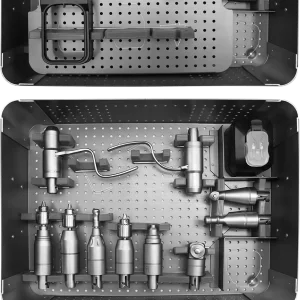
By designing modular tools, manufacturing centers reduce capital equipment budgets for international hospitals. Clinical staff transition between trauma stabilization and joint replacement workflows quickly, minimizing the number of individual power units requiring processing, reducing clean-room preparation footprints, and streamlining inventory control profiles.
To address these diverse demands, manufacturers offer customized solutions such as NiMH battery configurations for highly stable voltage output, alongside lithium-ion power cells designed for rapid power draws. This ensures surgeons have the exact tools they need, tailored to the demands of their specific patients.
A breakdown of our manufacturing framework, outlining materials, electronics, and micro-mechanical design advancements.
| Performance Feature | Standard Parameters | Advanced Series Capability | Clinical Significance |
|---|---|---|---|
| Motor Operation Speed | 12,000 RPM | 16,000 RPM (Variable control) | Enables clean bone osteotomy cuts without inducing thermal bone necrosis. |
| Autoclavable Limit | 130°C / 15 Mins | 135°C / 20 Mins (Pressure < 0.22MPa) | Meets modern hospital infection control and sterilization standards. |
| Total Noise Emission | < 75 dB | < 60 dB | Improves concentration and communication in the operating room. |
| Attachment Interface | Standard Thread Coupling | Quick-Connect Modular Quick-Lock | Reduces setup times during multi-stage trauma surgery procedures. |
Precision execution during bone resection requires tight micro-mechanical tolerances. Operating room saws cannot tolerate wobble, rotational eccentricity, or high vibrations. Our factory works to achieve near-zero axis run-out, ensuring cut path accuracy matches preoperative plans.
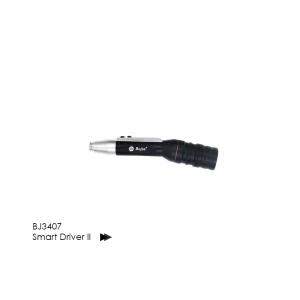
In addition to mechanical alignment, optimizing driver interfaces is essential. Digital torque sensing loops automatically adjust current delivery based on resistive load. If a drill bit or reamer meets high density cortical bone, current output adjusts to maintain constant operational speeds, preventing blade stalling and protecting patient soft tissues.
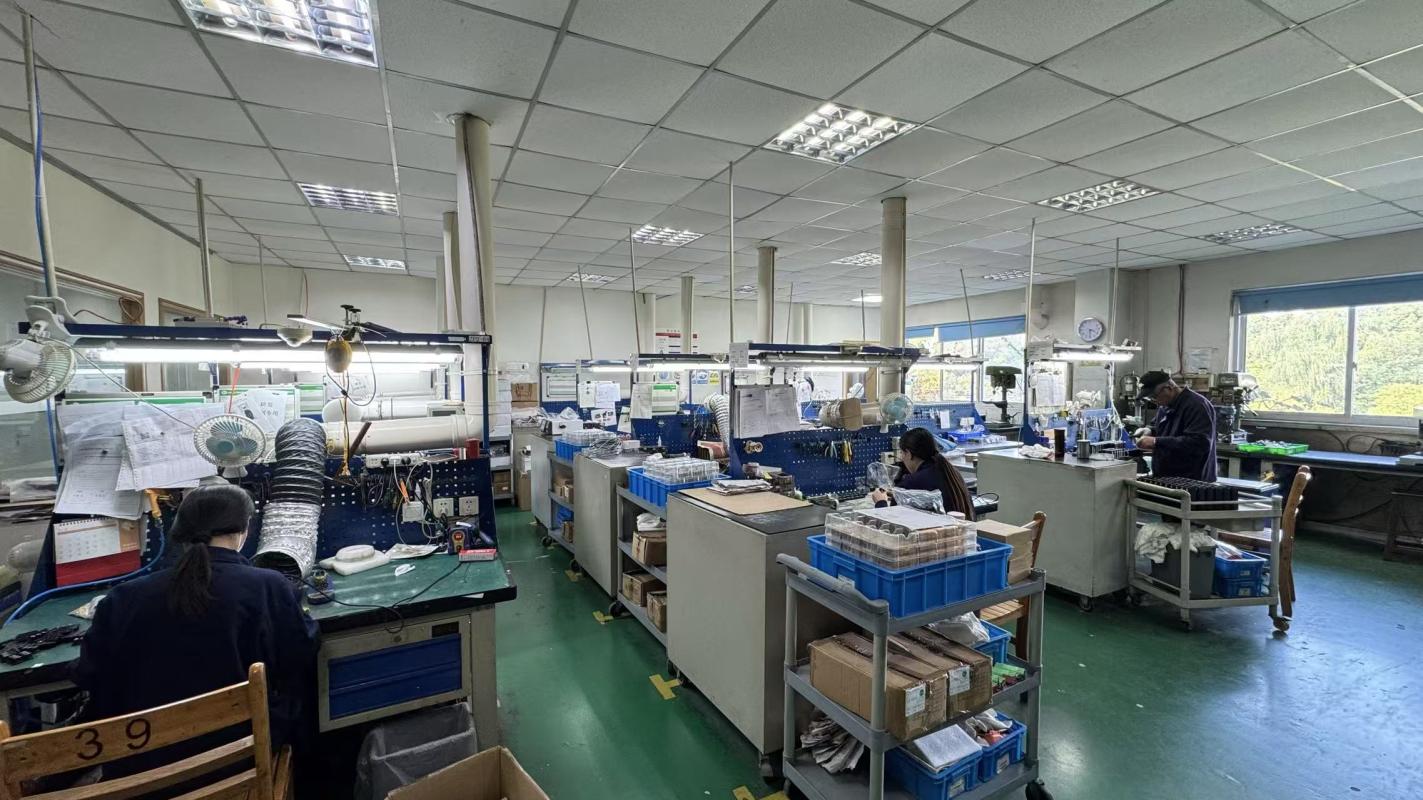
Manufacturing plants adhere to strict quality systems, ensuring trace-ability and compliance across global markets.
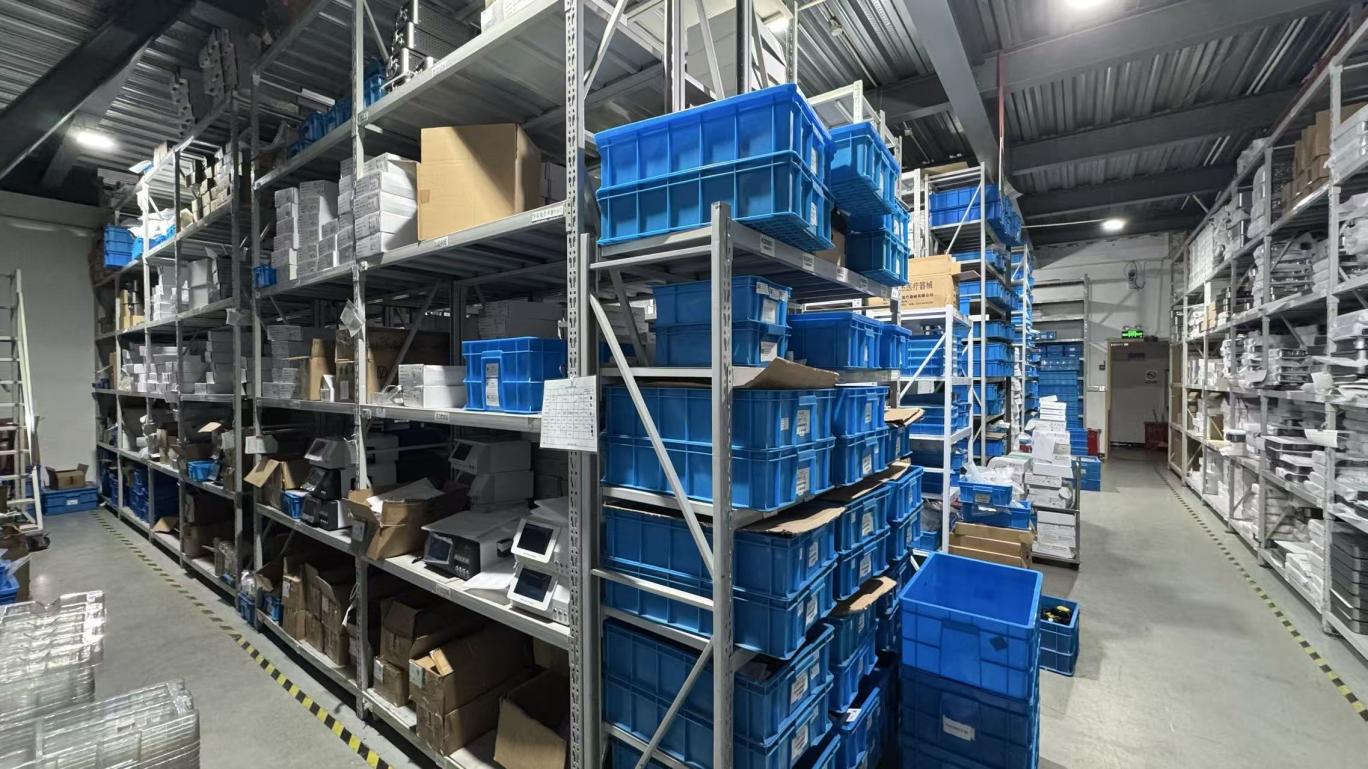
Manufacturing medical-grade surgical equipment requires comprehensive quality management systems. Our factory operates specialized cleaning and dust-free packaging setups, maintaining clean production environments that meet strict regulatory benchmarks.
Every product batch goes through thorough automated testing procedures. Devices are evaluated for electrical isolation, leakage currents, housing heat limits, and operational noise thresholds. Advanced vibration analysis machines monitor each system configuration, correcting dynamic imbalance before final packaging. This consistent level of verification keeps our failure rates significantly below standard market benchmarks.


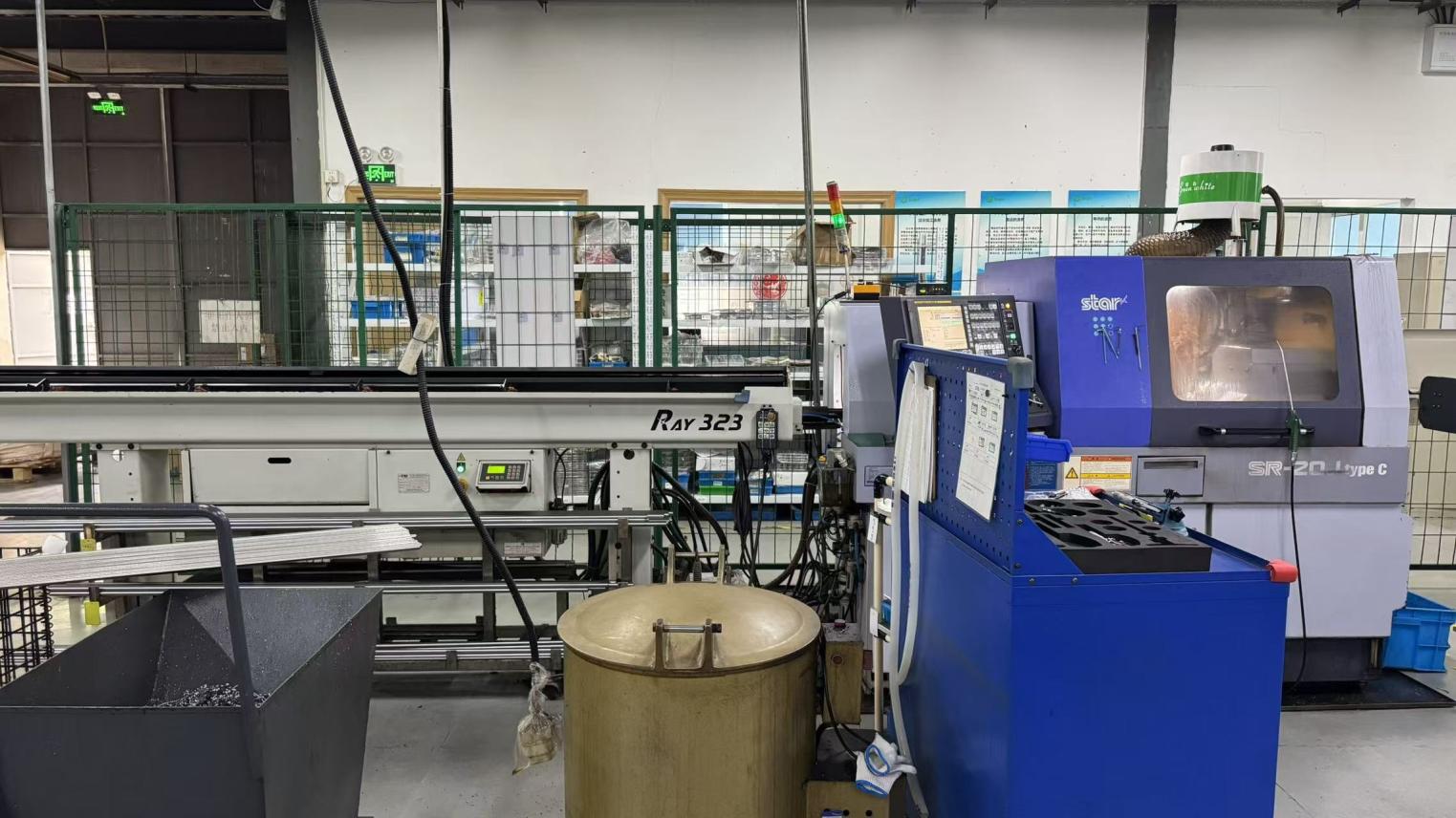
Modern CNC manufacturing systems perform micro-milling on surgical tool attachments. This automation ensures high dimensional consistency across manufacturing runs, allowing attachments and driver gears to fit cleanly without mechanical play.
Our factory team works with advanced manufacturing specialists to source raw alloy bars, which are processed, heat-treated, polished, and finished on-site. Controlling the production path from start to finish helps protect supply chains from raw material variations, giving global distributors reliable delivery timelines and product consistency.
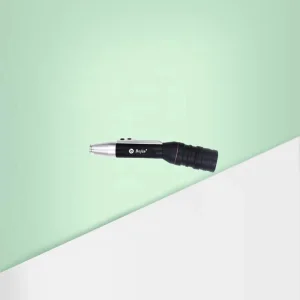
Specialized power tools engineered to meet the high precision requirements of cranial, maxillofacial, and dental surgeries.
Get answers to technical and procedural questions regarding sourcing orthopedic power systems from China.
 BD Medical