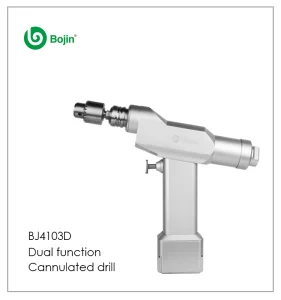
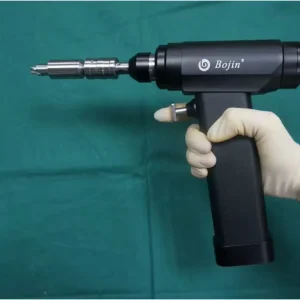
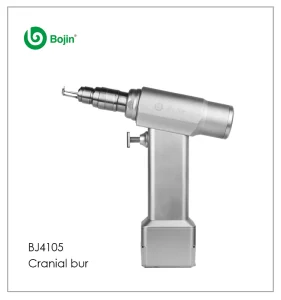
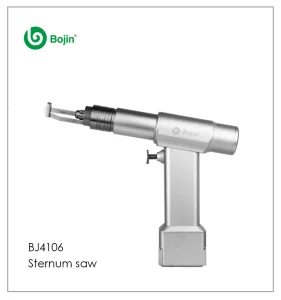
Premium Single-Function Surgical Power Tools

Authorized Manufacturer & Supplier Serving Canada’s Advanced Healthcare Networks

Canada's Evolving Orthopedic & Trauma Surgical Infrastructure

The Canadian healthcare sector is undergoing a profound paradigm shift. Regional health authorities—ranging from Ontario Health and Alberta Health Services (AHS) to the BC Ministry of Health—are actively targeting surgical backlogs caused by shifting demographics and post-pandemic recovery plans. With the volume of total hip arthroplasty (THA) and total knee arthroplasty (TKA) procedures projected to grow by over 18% nationwide by 2030, operating rooms require medical devices that guarantee zero downtime, absolute sterility compliance, and maximum cost efficiency.

In public procurement frameworks (regulated under Group Purchasing Organizations or GPOs like HealthPRO and Medbuy), reliability is the ultimate metric. Hospital sterile processing departments (SPD) require surgical power tools that can withstand high-turnaround autoclave sterilization cycles (prevacuum steam sterilization at 132°C to 134°C) without degradation of motor seals or lithium battery chemistry. Our premium level (single function) product lines are engineered to solve these exact logistical and clinical pain points.

134°C
Autoclave Sterilization Validated
<0.05%
Annual Clinical Failure Rate
Class II
Health Canada Device Compliance
100%
Traceable Surgical-Grade Alloys

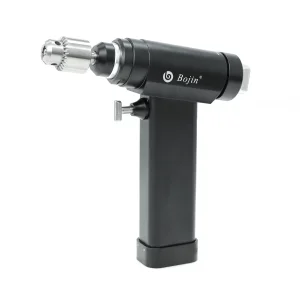
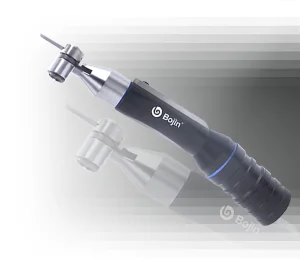
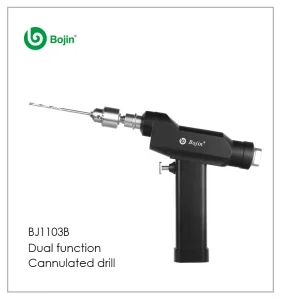
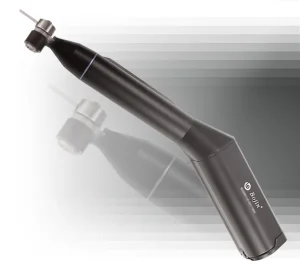
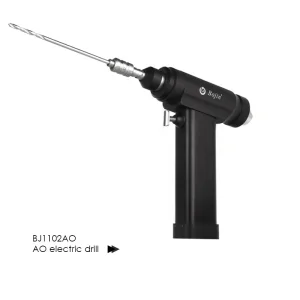
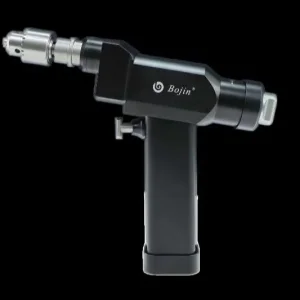
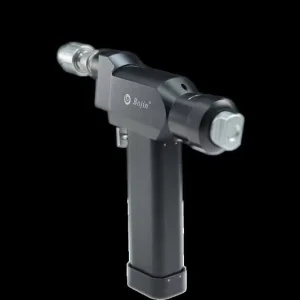
By isolating functions into dedicated instruments (e.g., dedicated bone drills, dedicated sagittal saws, dedicated reamers), clinical staff eliminate the risk of mechanical fatigue associated with modular multi-tool attachments. This single-function approach guarantees optimal torque delivery, minimizes intraoperative tool switches, and dramatically decreases cleaning complexity for reprocessing technicians.

Specialty Cranial & High-Speed Microsurgery Instruments

Delivering high torque densities and microscopic control systems for neurosurgical, cardiothoracic, and maxillofacial procedures.

Technical Analysis: Single-Function vs. Modular Power Systems

While modular platforms offer versatility on paper, high-volume surgical units often experience critical operational bottlenecks due to attachment wear, interface contamination, and torque transmission loss. Single-function power systems resolve these structural limitations through dedicated engineering design:
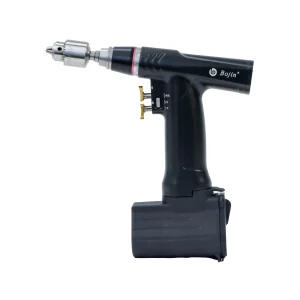
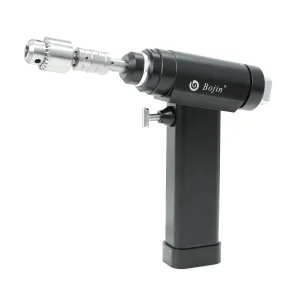
  • Direct Torque Transfer: Elimination of modular adapters reduces mechanical lag and backlash, offering orthopedic surgeons immediate tactile feedback during high-torque reaming (e.g., acetabular reaming) and bone drilling.
  • Optimized Weight Distribution: Each handpiece is dynamically balanced for its specific function, reducing wrist strain during prolonged surgeries.
  • Sterile Processing Efficiency: Without internal interface cavities where organic debris can accumulate, single-function systems reduce the pre-cleaning and ultrasonic cleaning time, directly supporting SPD throughput.
  • Thermal Control: Advanced housing design isolates heat dissipation from brushless DC motors, ensuring the surface temperature of the instrument never exceeds critical physiological limits (41°C) during sustained contact.
Surgical Power Tool Ergonomics & Internal Mechanical Seal Layout
Fig 1. Motor Seals & Structural Layout for Advanced Fluid Ingress Protection
Autoclave Steam Flow & Battery Placement Schematics
Fig 2. Sterilization Venting & Thermal Deflection Engineering Schematics

Imported German Motors & Material Science Core

At the heart of our premium line is the integration of premium brushless DC motors sourced directly from leading manufacturers in Germany. These micro-motors deliver exceptional power density and efficiency, running cooler and longer than standard carbon-brush motors.

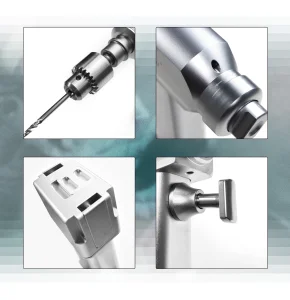
Structurally, the chassis are machined from medical-grade 316L stainless steel and high-tensile anodized aluminum alloys. The bearings are manufactured using ultra-hard ceramic compounds that resist corrosion under exposure to alkaline enzymatic detergents and saline environments. Double-lip mechanical shaft seals guarantee IPX8 protection ratings, preventing fluid ingress into the motor and electronic control boards during high-pressure washdowns or surgical cleanups.

E-E-A-T Quality Standards & Health Canada Regulatory Alignment

Compliance is non-negotiable within the Canadian healthcare ecosystem. Under the Medical Devices Regulations (SOR/98-282), medical device manufacturers must prove a rigorous adherence to quality management systems. Our production lines maintain continuous certification with ISO 13485 (Medical Devices — Quality Management Systems), ensuring that every step of the supply chain—from raw bar stock metal sourcing to final electromagnetic compatibility testing—is fully documented and audited.

Furthermore, our electrical designs conform strictly to IEC 60601-1 (Medical Electrical Equipment — Part 1: General Requirements for Basic Safety and Essential Performance) and IEC 60601-1-2 (Electromagnetic Compatibility). This limits high-frequency electrical emissions that could interfere with ultra-sensitive diagnostic devices such as intraoperative MRIs, modern electrosurgical units, and anesthesia monitors.


ISO 13485 Certification Badge
ISO 13485 Certificate No. SX 2182378-1
IEC 60601 Certification Badge
IEC 60601 Certificate No. CN22QF7O 001
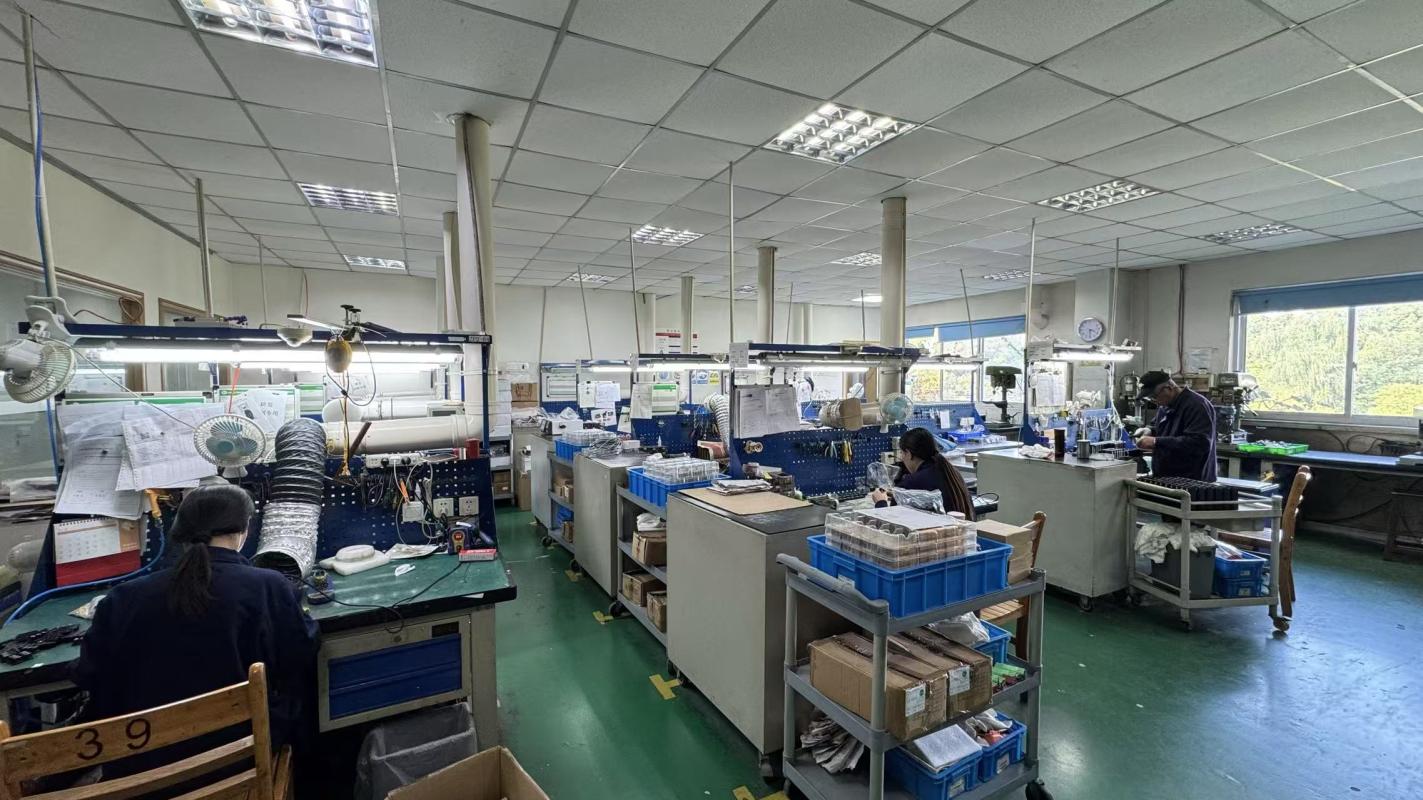
Clinical Assembly & Testing of Surgical Power Tools
Fig 3. Precision Engineering Tolerances & Cleanroom Quality Controls
Sterile Field Application & Modular Battery Shroud Alignment
Fig 4. Intended Operating Room Setup and Sterile Transfer Shields

Localized Canadian Distribution, Support & Maintenance Depots

Capital equipment is only as good as the post-sale support network that stands behind it. Recognizing the strict service-level agreements (SLAs) required by Canadian hospitals, we offer localized maintenance depots and replacement part networks across Ontario, Quebec, and British Columbia.
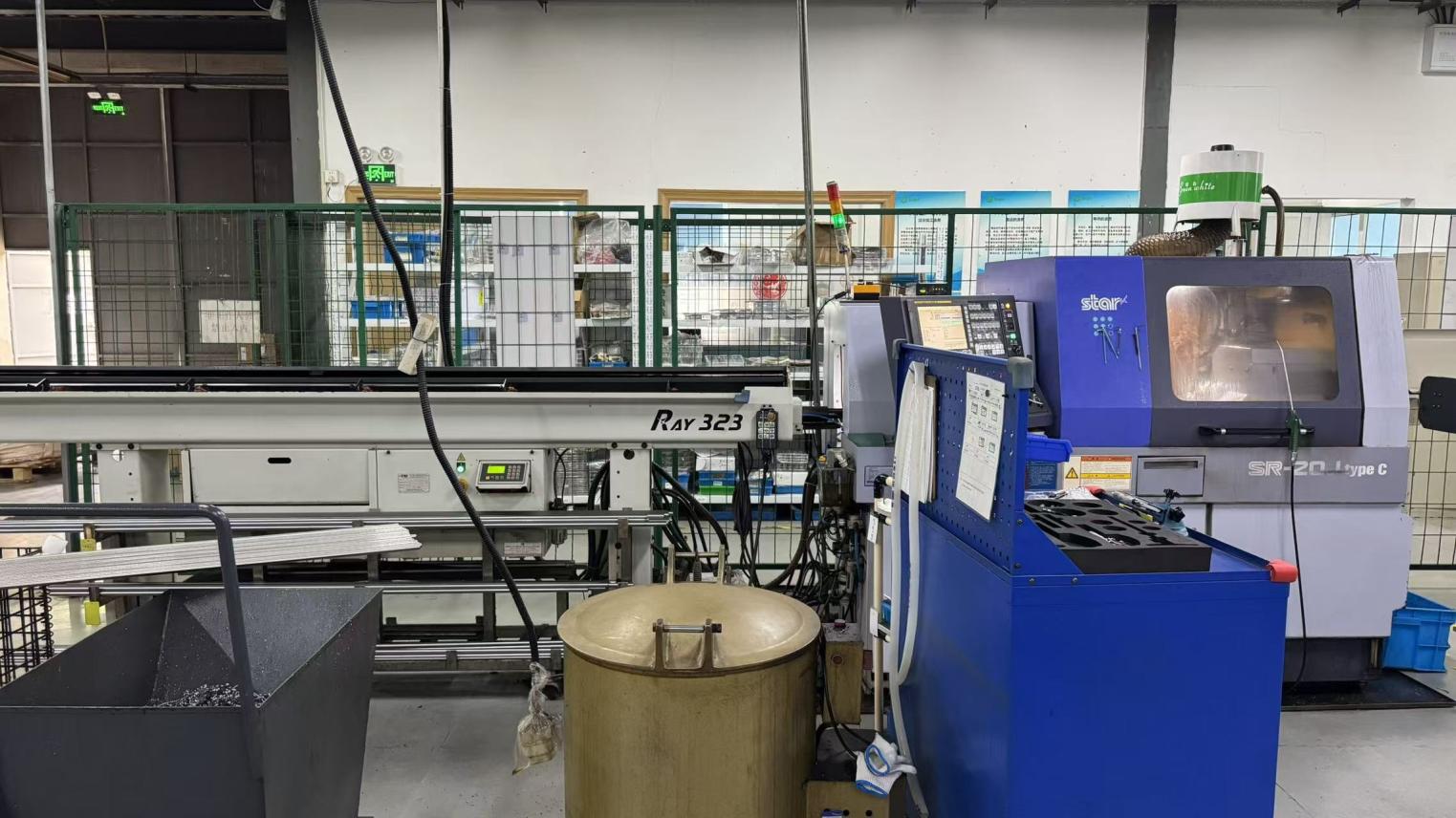
  • 24/48-Hour Loaner Program: Should a handpiece require scheduled calibration or rebuild, a certified clinical-grade loaner is shipped overnight to prevent OR downtime.
  • Preventative Calibration: Offering annual motor and seal validation checks, ensuring that internal pressures, rotational torque, and vibration remain within design tolerances.
  • Sterile Services Consultation: On-site and remote training for local reprocessing staff regarding dry time curves, optimal enzymatic agents, and autoclave tray organization to prolong battery and handpiece longevity.
Surgical Case Autoclave Sterility Trays for Hospital Transportation
Fig 5. Sterilization Tray Configurations Validated for Prevacuum Autoclave Protocols

Technical Roadmap: Next-Gen Surgical Power Systems

The next generation of our premium orthopedic instruments focuses heavily on surgical digitization and battery chemistry advancements. In the near term, we are rolling out real-time telemetry systems integrated directly into the handpieces. This telemetry will log motor temp profiles, runtime, and sterilization cycle exposures, transmitting data to hospital biomedical departments via secure protocols.

Simultaneously, we are implementing high-capacity, low-weight solid-state battery technology. These upcoming power units will offer a 40% reduction in weight while increasing continuous surgical runtimes by 25%. This will provide thoracic and trauma surgeons with unmatched reliability during complex multi-hour procedures.

Expert Q&A: Technical & Regulatory Directives

Review standard technical protocols, sterilization parameters, and regulatory answers for Canadian clinical operators.

Q1: What specific autoclave sterilization protocols are validated for these single-function handpieces?
Our premium handpieces are validated for prevacuum steam sterilization cycles at 134°C (273°F) for a minimum exposure time of 4 minutes, followed by a minimum dry time of 20 to 30 minutes. Always follow medical device manufacturer guidelines and ensure batteries are removed from the handpiece before sterilization. Batteries must be processed separately using specialized low-temperature protocols or sterilized via validated containment systems.
Q2: Are the quick-connect couplings compatible with standard Canadian and US-manufactured AO or Stryker style drill bits?
Yes. Our quick-connect chuck assemblies and adapters are fully standardized. They support standard AO attachments, Zimmer-style reamers, Hudson fittings, and Stryker-compatible interfaces, allowing hospital systems to integrate our power tools seamlessly into their existing surgical instrument portfolios without replacing legacy tools or drill bits.
Q3: How do the German brushless DC motors enhance clinical outcomes compared to standard motors?
German brushless DC motors provide high power-to-weight ratios and stable torque curves. Unlike brushed motors, they generate minimal friction, meaning they run significantly cooler and have no internal carbon brushes to wear down or release particulates. This dramatically reduces thermal transfer to bone surfaces, preventing cellular necrosis during drilling and reaming.
Q4: What is the average lifespan of the Li-ion battery pack, and how is it managed?
Our premium Li-ion battery cells are rated for approximately 500 to 800 charge-recharge cycles before capacity declines below 80%. We offer intelligent charger consoles that run diagnostics on battery cell health, warning surgical staff before a pack becomes sub-optimal or exhibits memory effects.
Q5: Do these products comply with Health Canada Class II Medical Device regulations?
Yes, our manufacturing systems conform directly to Health Canada Class II medical device requirements. Our ISO 13485 certifications and technical documentation files are prepared for seamless procurement and importation reviews by Canadian healthcare distributors and hospital legal compliance teams.
Q6: How do we initiate repair and replacement processes under the Canadian warranty system?
Under our Canadian SLA, hospitals can contact our localized customer service portal. Upon verification of serial numbers, we issue an RMA and immediately ship out a validated loaner handpiece. The defective unit is repaired, re-calibrated, and returned with a detailed biomedical processing report.
Q7: What features protect the internal electronics from water/fluid ingress during surgery and cleaning?
Our tools feature advanced mechanical, triple-redundant fluororubber shaft seals and hermetically sealed switch housings. This ensures an IPX8 protection rating, allowing the tool to withstand immersion and active washing procedures without structural deterioration or internal short circuits.