BD Medical
Manila Orthopedic & Trauma Care Market Analysis
Understanding the clinical demand patterns and import parameters within the National Capital Region of the Philippines.
The Metropolitan Manila area (NCR), housing over 14 million residents, represents the most critical hub for advanced medical services in the Philippines. In recent years, hospitals such as the Philippine General Hospital (PGH), St. Luke's Medical Center, The Medical City, and the Philippine Orthopedic Center (POC) have experienced unprecedented patient volumes, particularly in trauma care and orthopedic reconstruction. This growth is fueled by a dual demographic dynamic: a rising aging population vulnerable to degenerative bone diseases and a high incidence of motor vehicle collisions and industrial accidents.
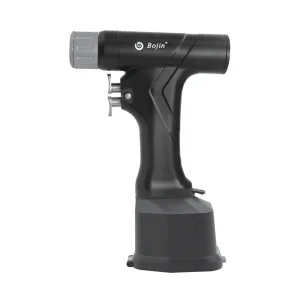
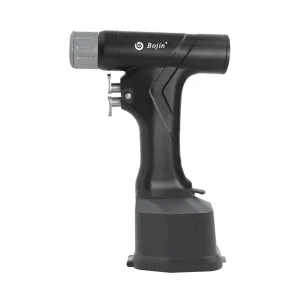
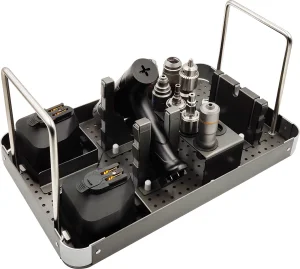
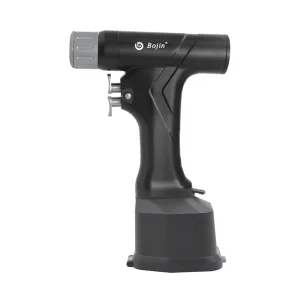
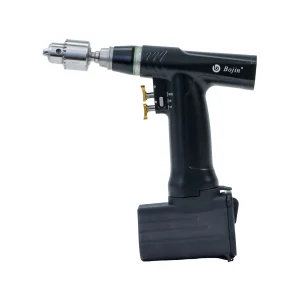
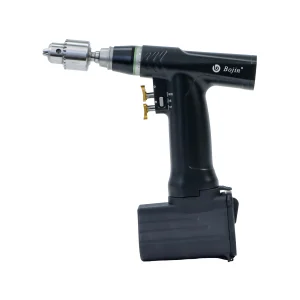
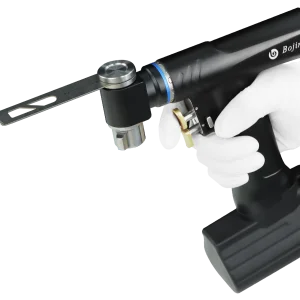
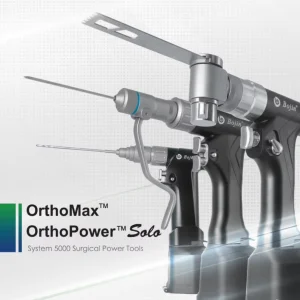
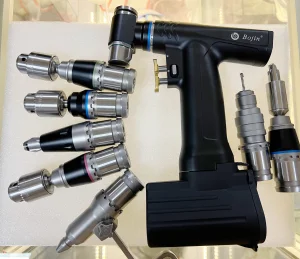
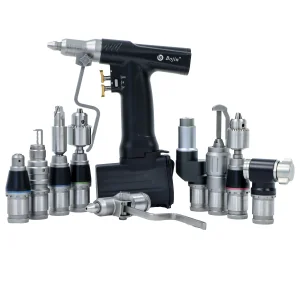
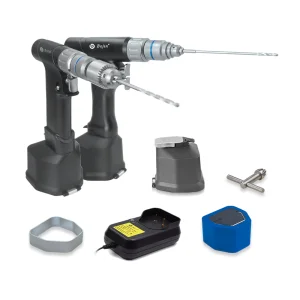
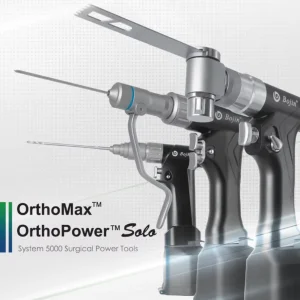
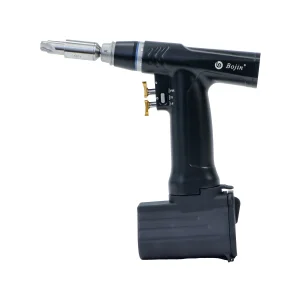
Consequently, the demand for high-reliability, autoclavable orthopedic power tools has shifted. Hospital procurement departments no longer look for entry-level single-purpose equipment. There is a decisive transition towards Premium Level, Multi-Function Systems that offer modular attachment swaps (sagittal sawing, acetabular reaming, cranial drilling, and standard bone drilling) within a single handpiece. This approach significantly reduces sterilization cycle times, limits capital expenditure, and optimizes space within busy sterile processing departments (SPD).
Why Modular System Procurement is Dominated by Manila Hospitals:
- ROI Optimization: Single-handpiece platforms with multiple quick-change attachments minimize overall procurement cost by up to 40% compared to buying dedicated single-function tools.
- Reduced Operating Room Footprint: Smaller console size and minimal battery footprints fit ideally inside tight-spaced city operating theatres.
- Sterilization Efficiency: Modular systems allow rapid turnover. While the attachments are autoclaved, the primary brushless motor handpiece can be safely prepared under fast cycle standards.
Metro Manila Market Statistics & Operational Indicators
Additionally, the climatic conditions of the Philippines (characterized by high humidity levels and ambient temperatures) place extreme physical demands on electronic surgical instruments. Devices constructed with low-grade metal alloys are prone to premature corrosion and structural wear during steam-sterilization cycles. As a premium manufacturer, our surgical platforms are built using specialized medical-grade stainless steel (316L) and aeronautical-grade anodized aluminum. This structural configuration mitigates oxidative stress during autoclaving and prevents saline corrosion during continuous surgical exposures.