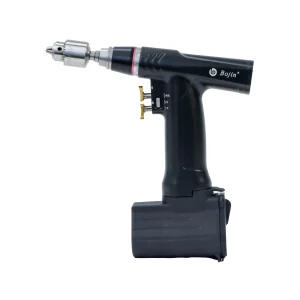
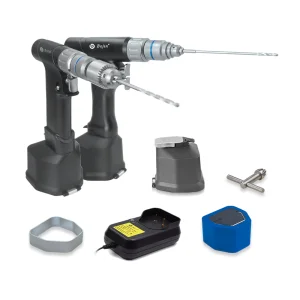
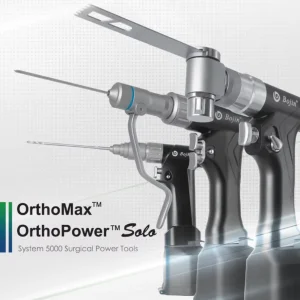
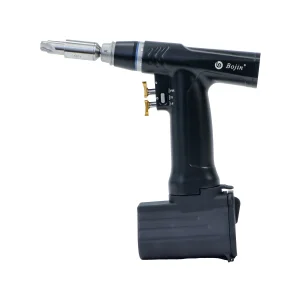
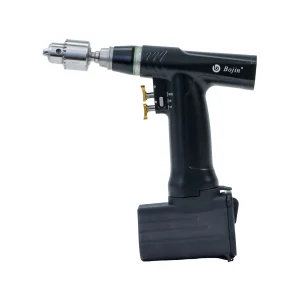
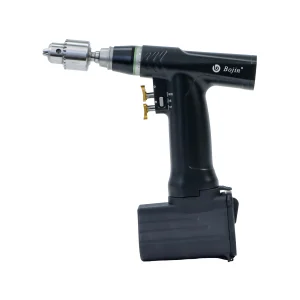
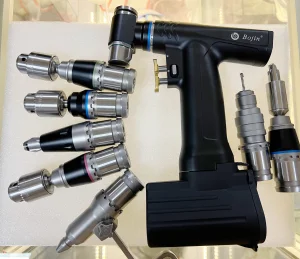
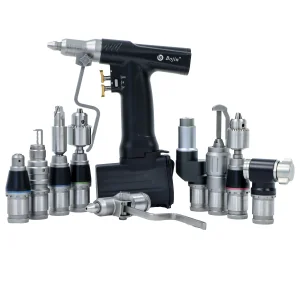
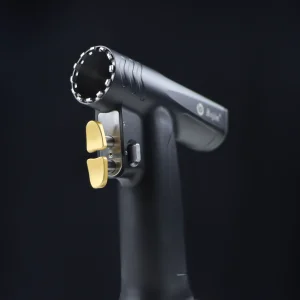
Discover our leading multi-function orthopedic handpieces engineered with premium German brushless motors and advanced lithium-ion cells, optimized for high-intensity clinical applications in São Paulo, Rio de Janeiro, and nationwide.
An analytical overview of Brazil's complex healthcare segments and the critical transition toward high-efficiency medical technologies.
The Brazilian orthopedic devices and surgical instrument market (mercado brasileiro de dispositivos médicos e ortopédicos) is undergoing an unprecedented modernization phase. Driven by a combined public-private delivery system, healthcare providers are prioritizing multi-functionality, durability, and stringent regulatory safety profiles. According to recent public health data from the Sistema Único de Saúde (SUS) and private sector providers represented by ANAHP (Associação Nacional de Hospitais Privados), orthopedic procedures constitute one of the highest expenses in specialized care. From high-energy motor vehicle trauma interventions in metropolitan areas like Greater São Paulo to joint reconstruction surgeries in advanced private centers like Hospital Albert Einstein, clinical workflows require surgical drills and saws that are both robust and highly adaptable.
For Brazilian distributors (distribuidores de material médico-hospitalar) and hospital procurement boards, purchasing decisions are no longer guided solely by capital cost. Total Cost of Ownership (TCO), speed of sterilization cycles, and cross-compatibility of attachments are the key factors driving high-level acquisitions. A single Premium level (Multi-function) handpiece capable of shifting rapidly from sagittal sawing to cannulated drilling and acetabular reaming saves thousands of Reais (BRL) in instrument sterilizing cycles, maximizes operating room throughput, and reduces instrument management overhead.
Why multi-function systems represent the pinnacle of modern surgical engineering.
Traditional carbon brush motors rely on physical contact to transfer electrical currents, resulting in friction, internal heat buildup, debris generation, and eventual mechanical failure. Our premium-level surgical power systems utilize advanced German-designed brushless DC motors. Operating without mechanical contacts, these motors maximize efficiency, minimize heat dissipation (crucial to preventing thermal necrosis of the bone during long procedures), and significantly reduce acoustic pollution in the operating theater. This translates into reliable torque delivery even when encountering dense cortical bone in large-joint arthroplasties.
A surgical power tool is only as reliable as its energy storage system. In Brazil, where regional temperatures can be high and humidity variations are severe, battery management is critical. We supply dual power options to match every hospital’s internal infrastructure:
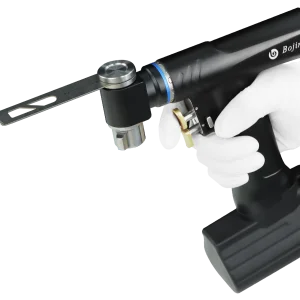
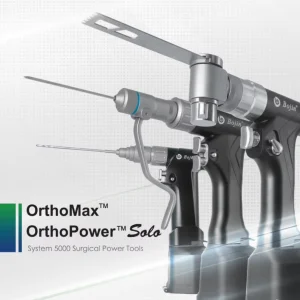
Our premium system’s core asset is its adaptability. Through a rapid-coupling interface, a single handpiece can act as a:
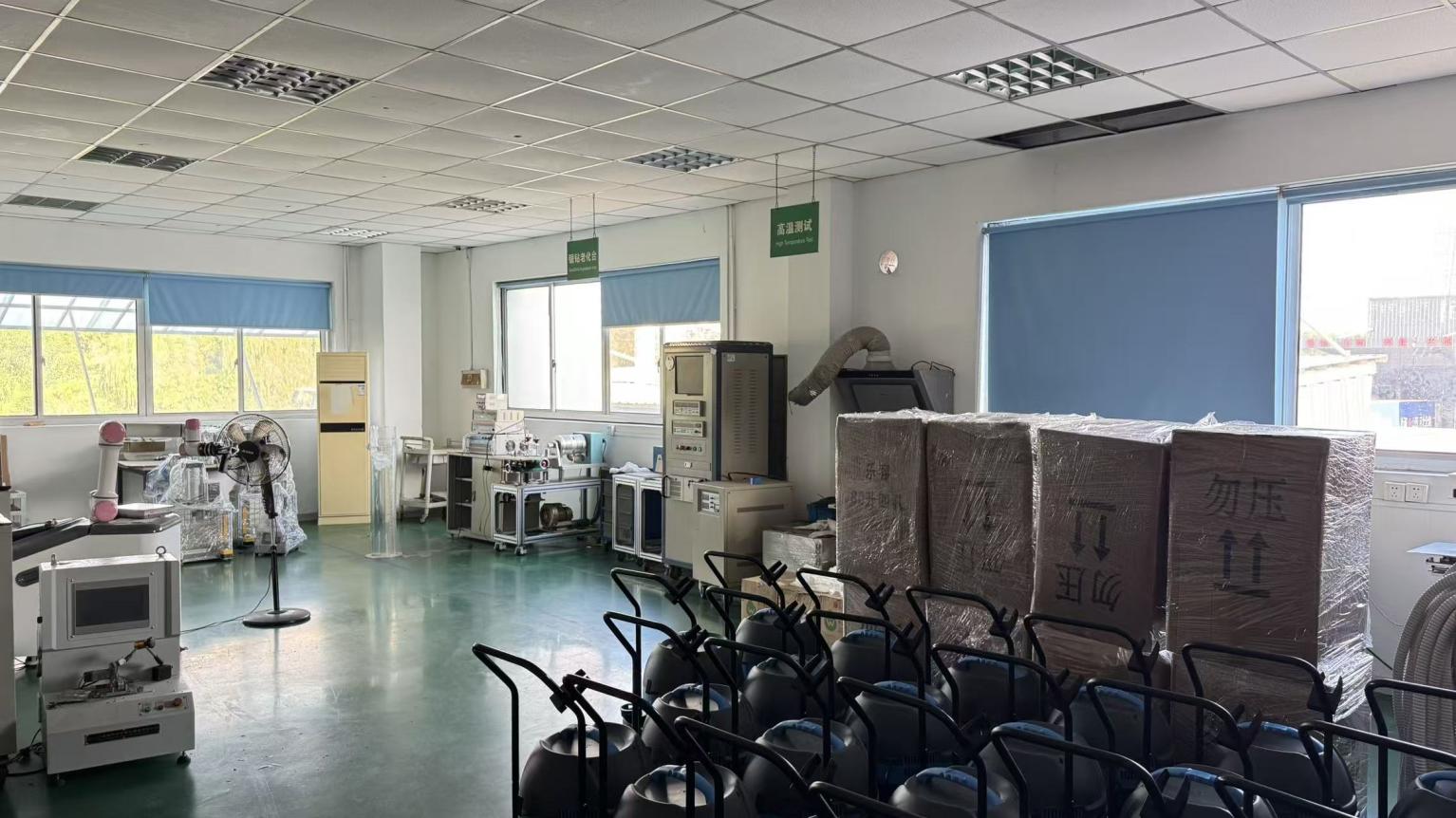
Optimized to meet the strict legal, financial, and clinical criteria of the Mercosur region.
All devices conform to ISO 13485 and IEC 60601 electrical safety requirements, simplifying local ANVISA registration processes for our Brazilian distribution partners.
Advanced battery casing and cell selection prevent degradation during sterilization and storage under tropical conditions commonly found in Northern and Central Brazil.
High reliability and versatility position our tools ideally for public health tenders (licitações públicas) as well as private hospital network upgrades.
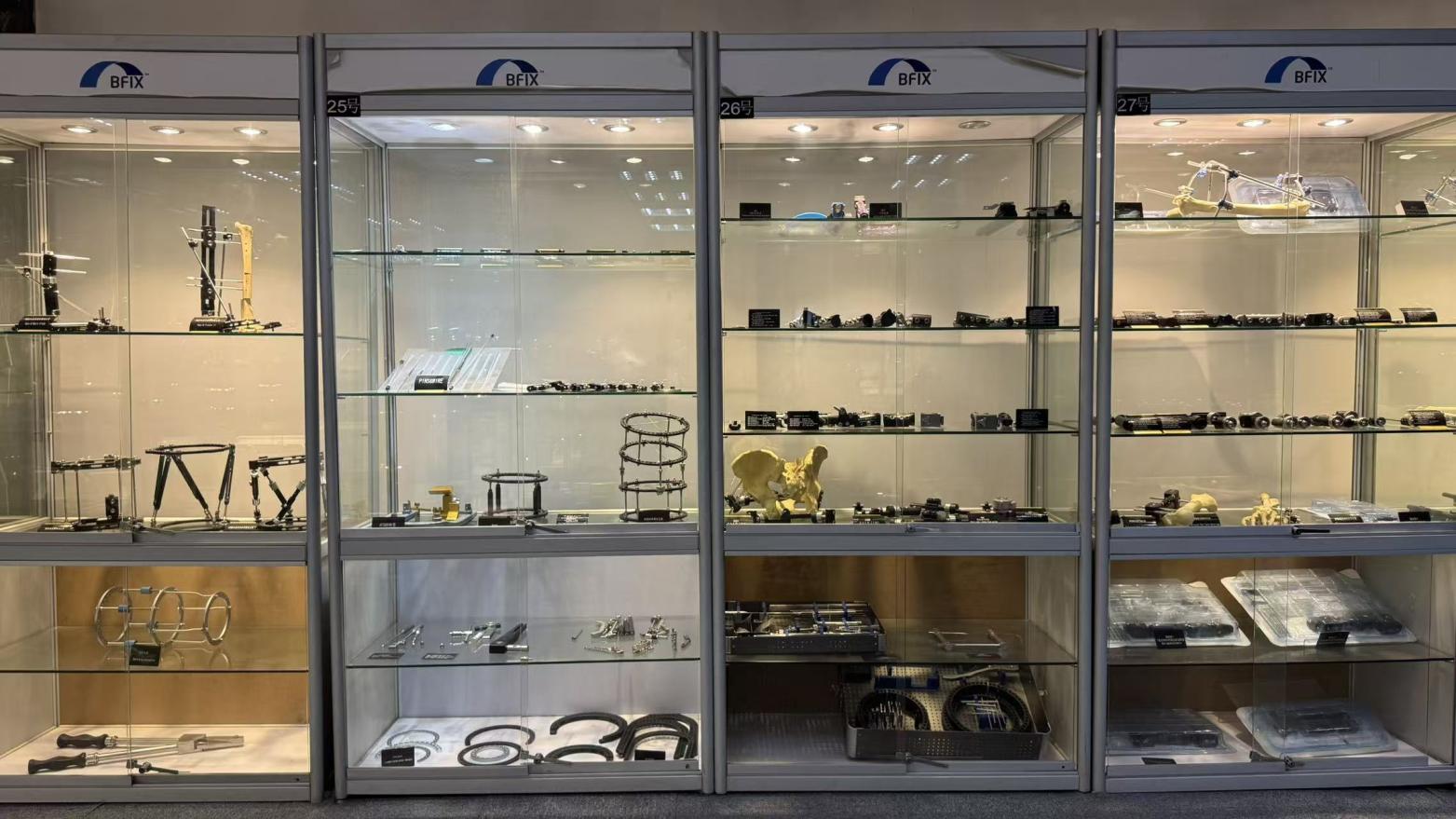
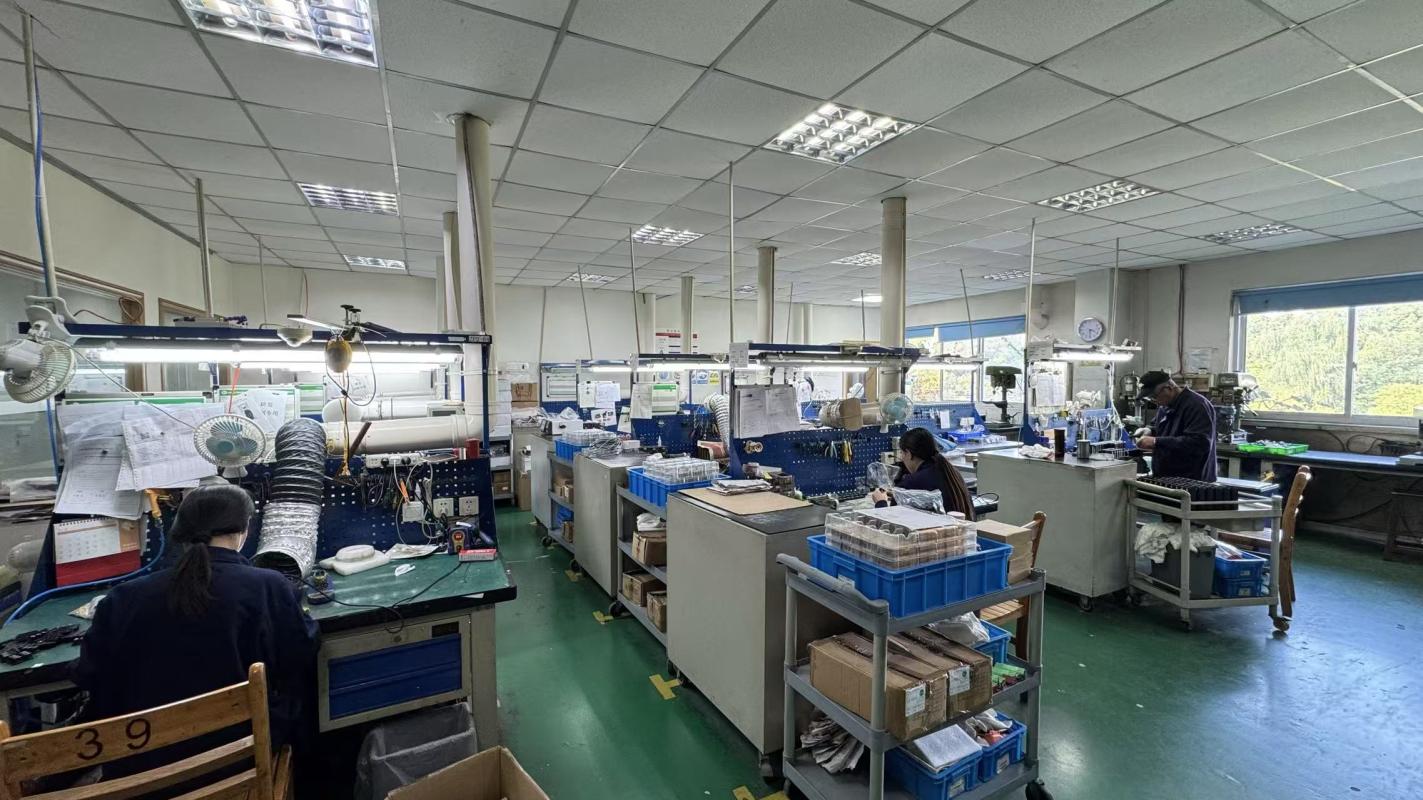
Solving real-world clinical and structural challenges in Brazilian surgical environments.
In municipal hospitals located in Rio de Janeiro, São Paulo, and Belo Horizonte, emergency operating rooms handle continuous trauma cases involving long-bone fractures. These centers require power tools that can run continuously without overheating and undergo rapid autoclave sterilization. The BJ6600 Cannulated Drill and BJ5601 Sagittal Saw are designed to withstand back-to-back surgeries, maintaining torque accuracy and safe operating temperatures under continuous load.
In remote regions of Brazil, such as the Amazonian or Nordeste interiors, surgical departments often operate with limited instrument reserves and restricted budgets. Transporting devices for external servicing is costly and time-consuming. The multi-function systems (such as the Bojin 6600 Handpiece with modular heads) allow surgeons to perform craniotomies, hip replacements, and distal radial fixations using a single power console. This redundancy reduction lowers the initial capital expenditure and minimizes maintenance and spare parts inventory.
Highly specialized orthopedists in private clinics require micro-precision and ergonomic handpieces that reduce surgeon fatigue during multi-hour reconstructive surgeries. Our premium ergonomic profiles, lightweight materials, and low-vibration characteristics ensure precise bone cuts, clean margins, and improved patient recovery outcomes.
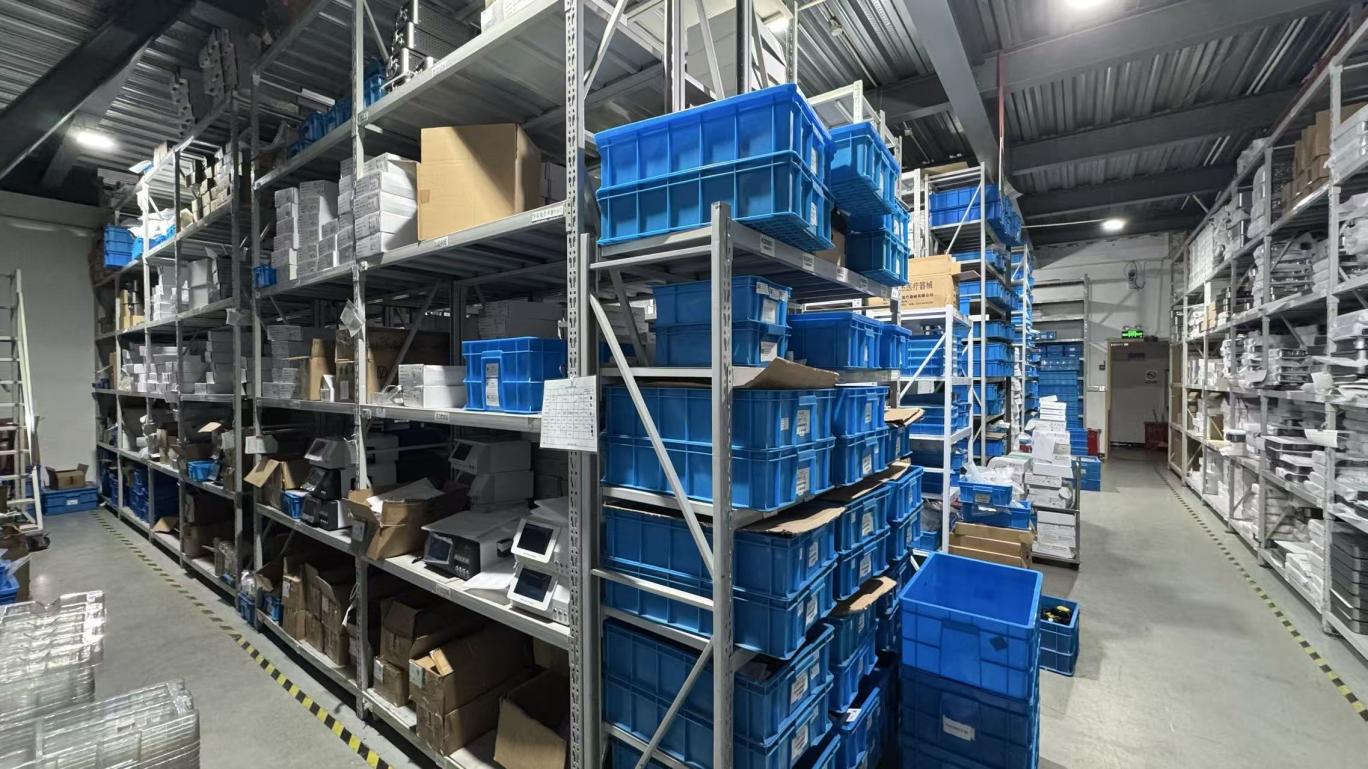
Manufactured in facilities utilizing strict automated testing rigs, ensuring complete adherence to international medical device protocols.
 ISO 13485
Certificate No: SX 2182378-1
ISO 13485
Certificate No: SX 2182378-1
 IEC 60601
Certificate No: CN22QF7O 001
IEC 60601
Certificate No: CN22QF7O 001
*Note: These quality certificates represent compliance with safety standards required for importing medical devices into Brazil. Registration documentation, test reports, and factory clearance records are available upon request.
How Bojin is steering surgical power tool engineering into the next decade.
The next generation of surgical power tools is moving beyond mechanical reliability toward digital integration. Our development path focuses on three main technological goals:
Explore our full selection of heavy-duty, battery-driven systems and quick-release surgical attachments.
Essential answers to support your technical evaluation and import logistics into Brazil.
 BD Medical