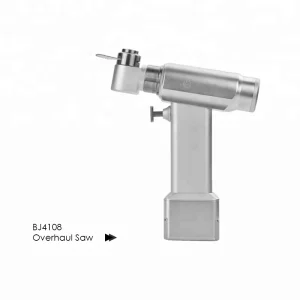
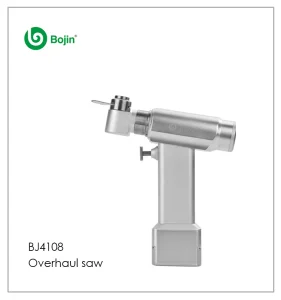
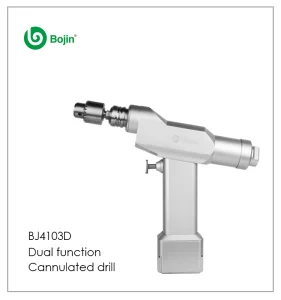
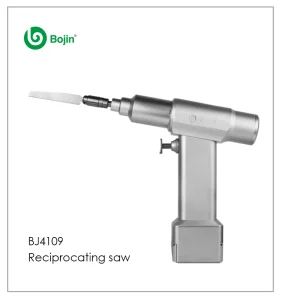
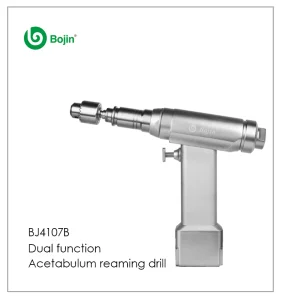
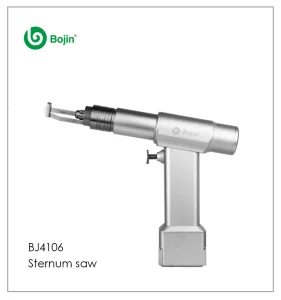
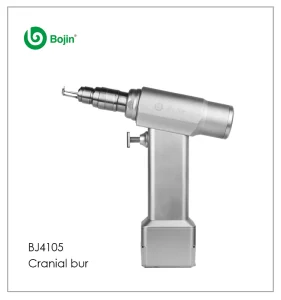
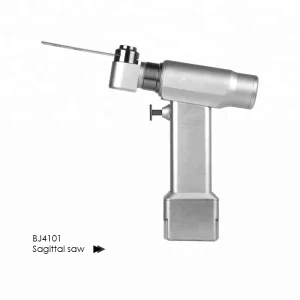
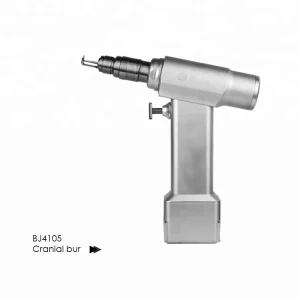
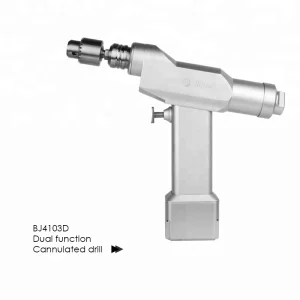
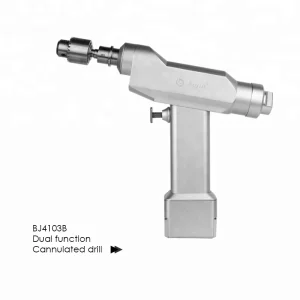
Discover our highly requested, single-function orthopedic and thoracic surgical systems optimized for immediate clinical integration.
The landscape of medical device manufacturing in India is undergoing a profound paradigm shift. Historically, surgical centers across the subcontinent relied heavily on either premium-tier, cost-prohibitive imported modular systems or lower-grade, non-certified options. Today, the rise of the "Make in India" initiative alongside substantial regulatory reforms by the Central Drugs Standard Control Organisation (CDSCO) has created a robust local ecosystem.
In this evolving framework, Mid-level (single function) manufacturers have emerged as the crucial backbone of modern healthcare infrastructure. Unlike complex multi-functional consoles that require frequent attachment changes and carry high risks of cross-contamination, dedicated single-function tools—such as sagittal saws, cranial drills, and sternotomy systems—are built for single, high-load medical procedures. This focus provides unparalleled mechanical reliability, simplified sterilization validation, and a lower total cost of ownership.
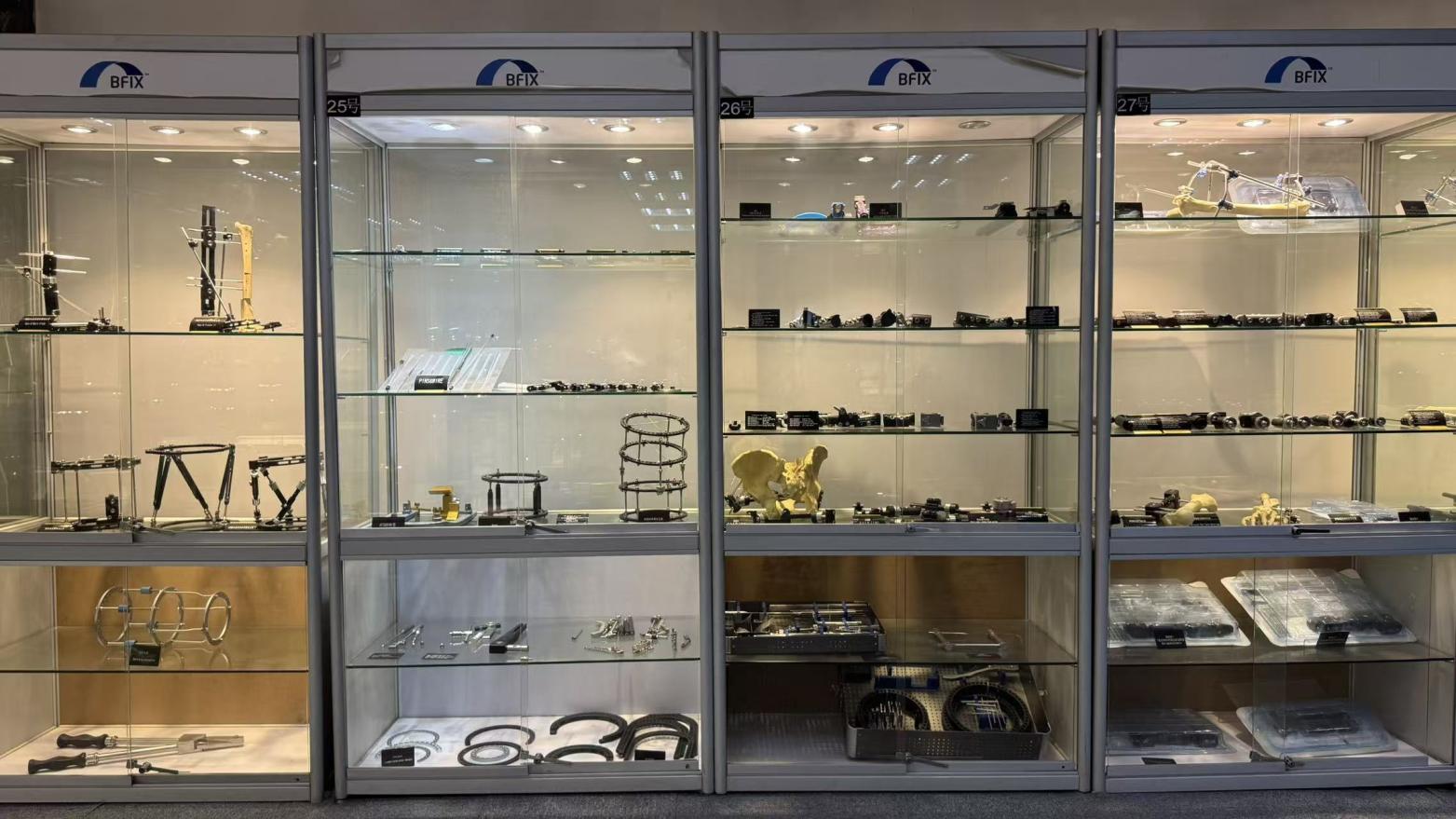
Biomedical and orthopedic surgeons are increasingly prioritizing single-function units over multi-tool systems due to clinical efficiency:
India represents one of the fastest-growing medical device markets globally. The rapid expansion of private healthcare giants (such as Apollo Hospitals, Fortis Healthcare, and Max Healthcare) alongside massive public health initiatives like the Ayushman Bharat PM-JAY scheme has dramatically spiked the demand for cost-effective, high-durability surgical equipment.
Furthermore, India has established specialized medical device parks in regions like Gujarat, Andhra Pradesh (AMTZ), and Tamil Nadu. These zones feature shared testing laboratories, radiation sterilization facilities, and rapid prototyping centers, allowing mid-level manufacturers to build surgical tools that match Western standards at a fraction of the traditional manufacturing cost.
International procurement officers from Europe, Latin America, and the Middle East are actively diversifying their supply chains. The search for reliable OEM/ODM partners has moved beyond traditional hubs. India's advantage lies in its pool of English-speaking design engineers, strict compliance with intellectual property laws, and adherence to international standardizations like ISO 13485 and IEC 60601-1.
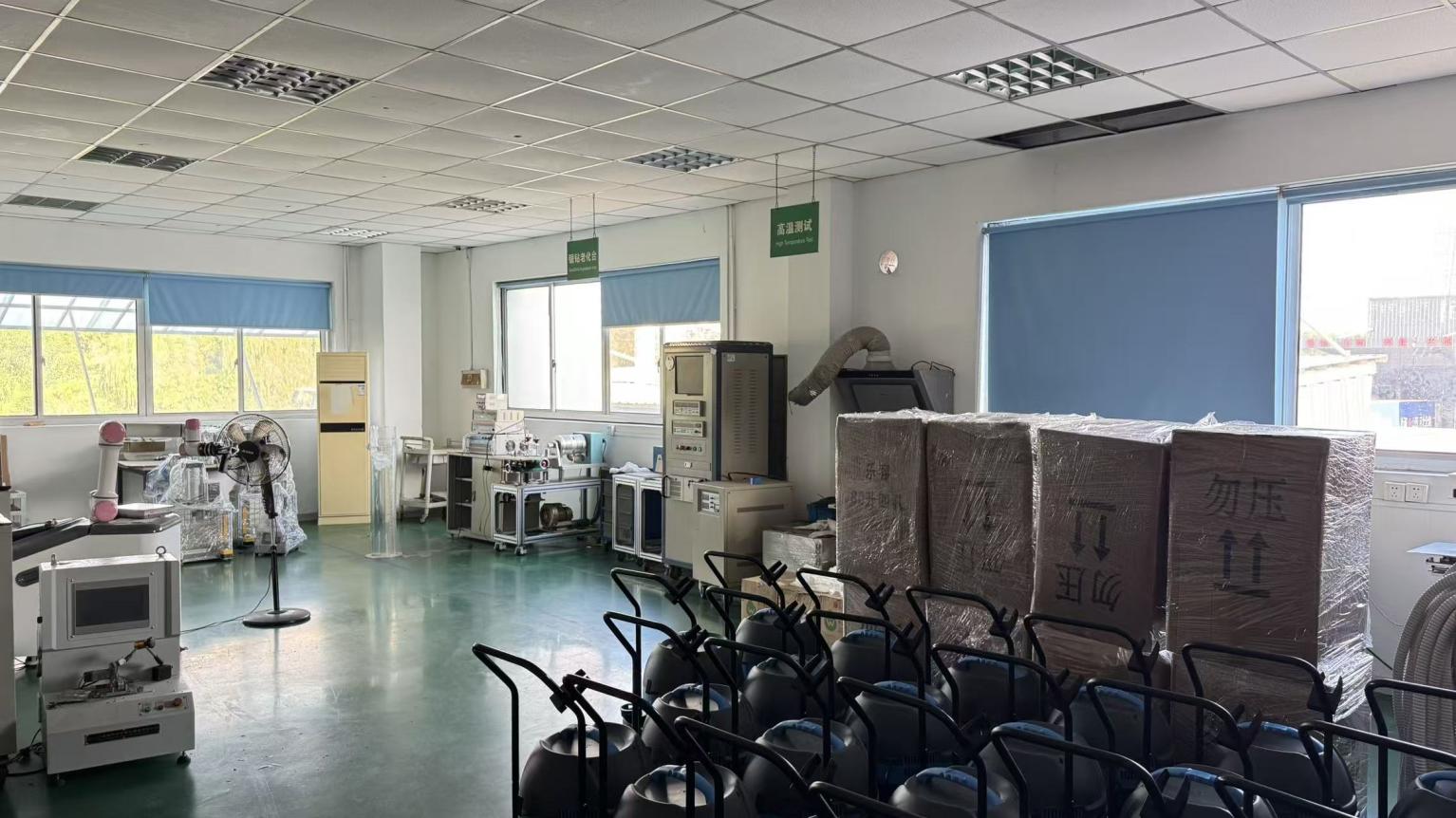
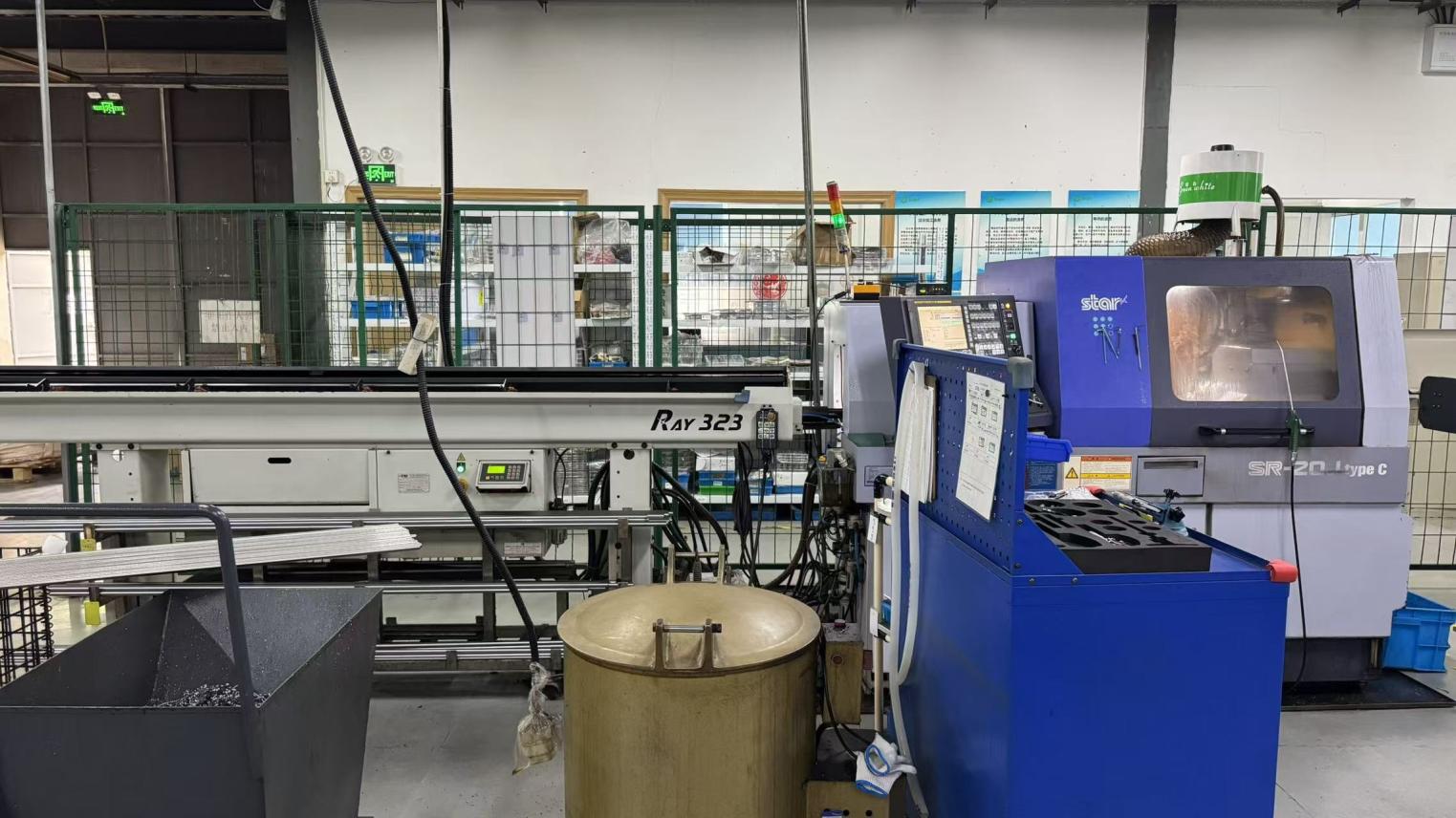
Our manufacturing facility fuses state-of-the-art Japanese CNC machining centers with rigorous German-engineered testing protocols. Every surgical bone drill, sagittal saw, and cranial bur undergoes intense dynamic load testing prior to sterile packaging.
We utilize biocompatible SUS316L and SUS440C stainless steel coupled with PEEK high-performance polymers to ensure long-term resistance to harsh alkaline detergents and repeated autoclave steam cycles.
At the heart of our System 4000 series is a customized German coreless motor, delivering stable torque curves, minimal thermal emissions, and highly regulated acoustic signatures.
Every component, from the micro-gears to the battery management system (BMS), is subjected to rigorous testing, including insulation resistance, vibration analysis, and battery discharge curves.
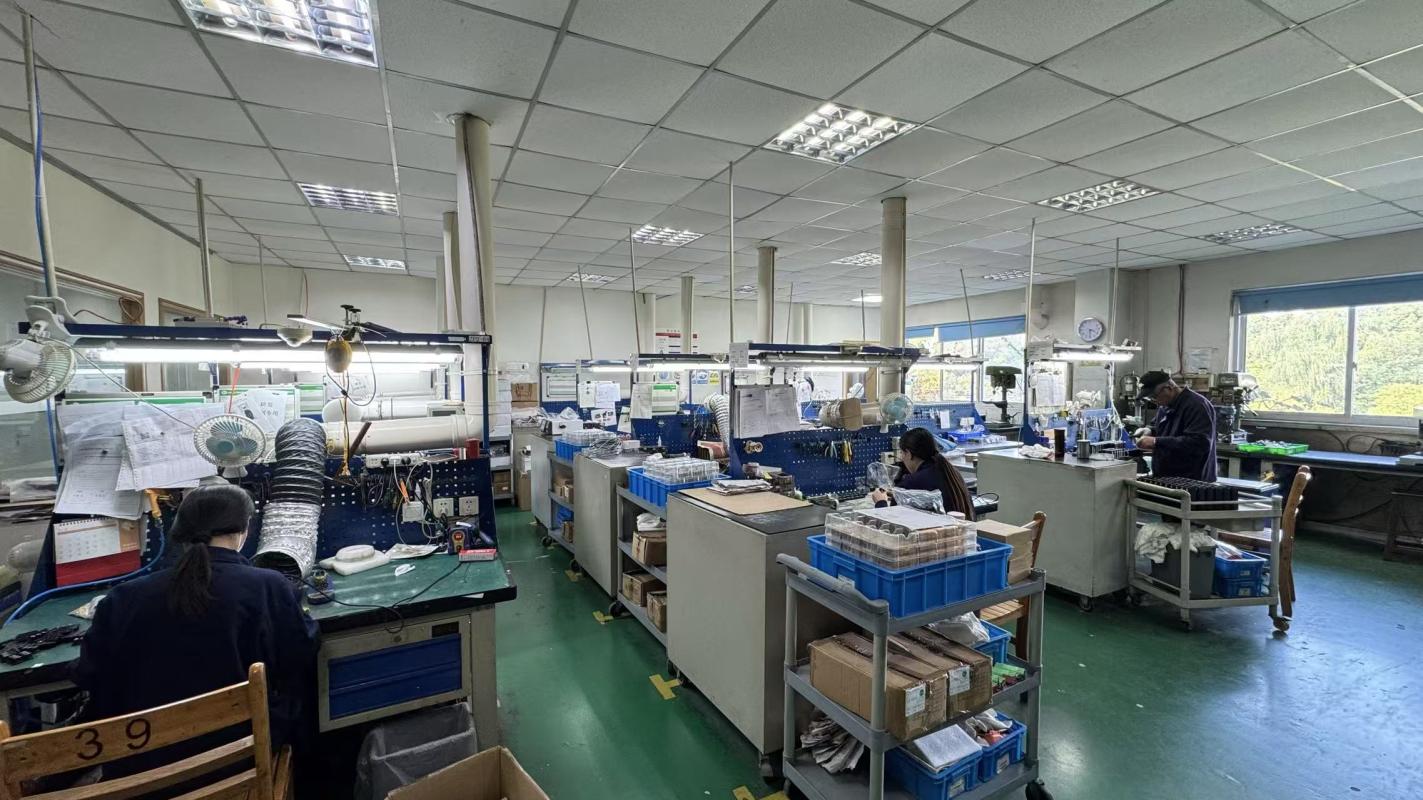
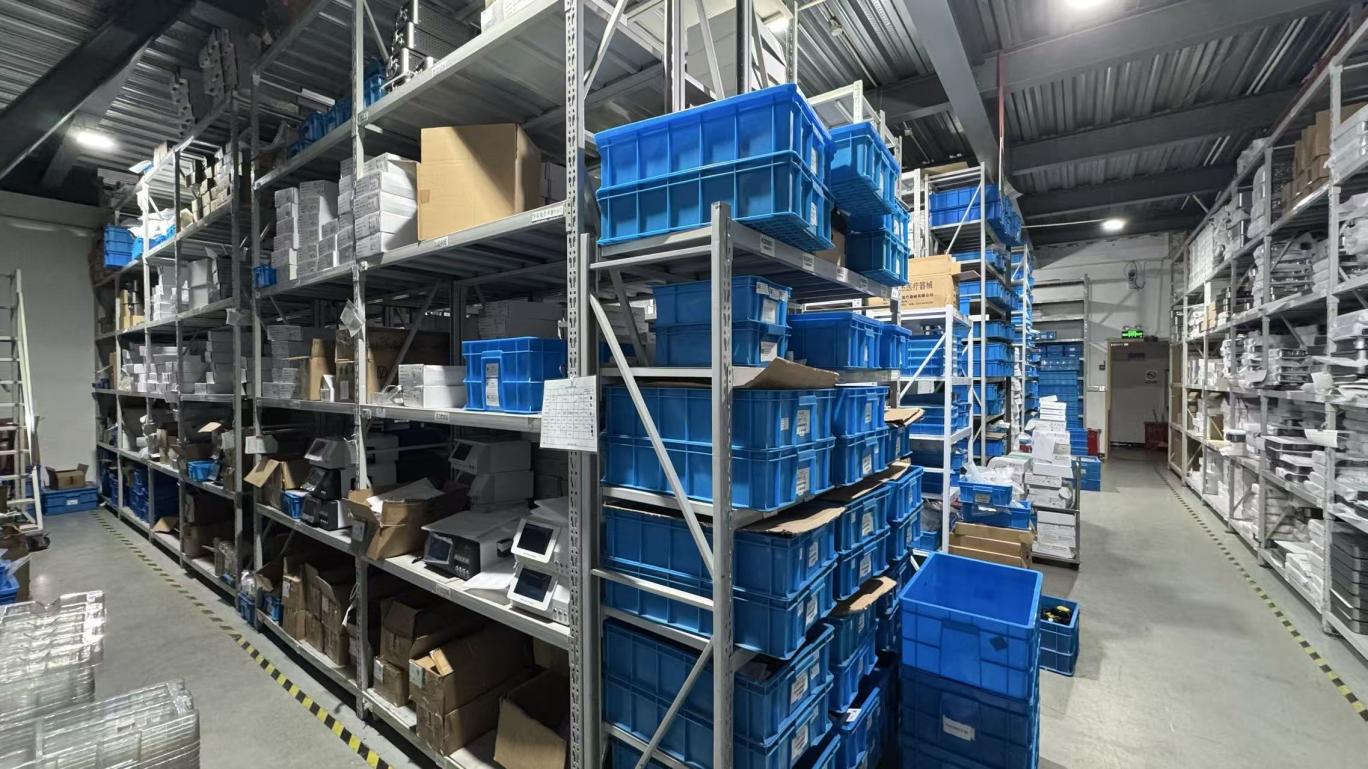
Compliance is non-negotiable in critical medical manufacturing. Our operations run on a certified Quality Management System that strictly fulfills European MDR (Medical Device Regulation) standards and has successfully achieved international clearances.


Indian hospitals operate under unique stress factors, balancing high daily patient throughput with strict budget ceilings. Our mid-level specialized product lines solve these challenges:
Explore our specialized selection of cranial drills, acetabular reamers, and battery-powered orthopedic handpieces designed for durable hospital performance.
Essential insights for clinical procurement managers, biomedical engineers, and orthopedic distributors in the Indian medical sector.
Ready to consult with our local product experts? Get custom OEM quotes and bulk institutional pricing.
Request Quotation & Tech Datasheet BD Medical