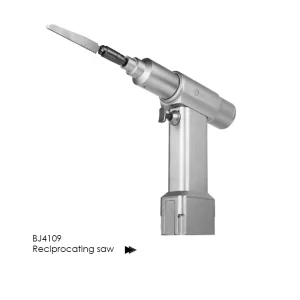
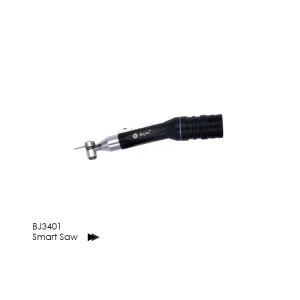
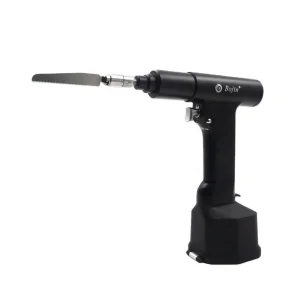
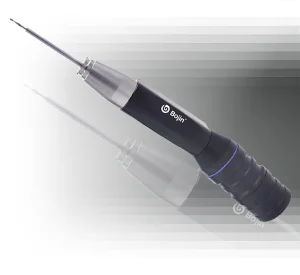
Engineered for versatility, these multi-functional and dedicated systems provide precise torque delivery and long-term reliability in clinical environments.
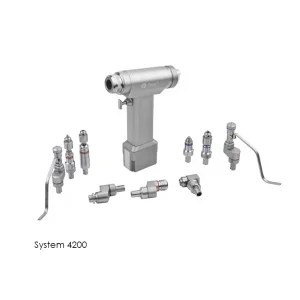
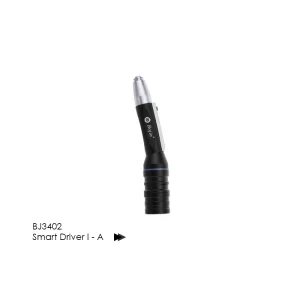
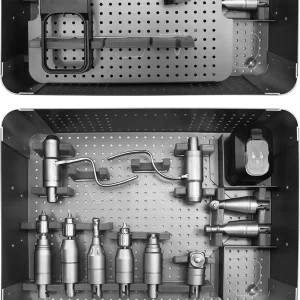
In modern surgical theaters across the United Kingdom and globally, the choice of medical instrumentation is governed by a balance of clinical efficiency, sterile reliability, and cost-effectiveness. Mid-level, multi-function surgical power systems have emerged as a vital infrastructure asset. Unlike highly specialized single-use instrumentation, multi-function power systems allow surgical teams to seamlessly switch between drilling, sawing, reaming, and driving tasks by simply changing modular attachments on a single, universal handpiece.
This modular capability dramatically minimizes the footprint of surgical trays inside the operating theater, lowers the capital requirements for sterile services departments (SSD), and reduces the complexity of maintenance. In the UK, where the National Health Service (NHS) and private hospital groups continuously balance clinical safety with strict budget allocations, mid-level power tools represent a strategic choice for high-volume trauma, orthopaedic, and maxillofacial units.
For UK healthcare providers and distributors, sourcing medical instruments requires absolute compliance with national regulatory frameworks. Following the UK's departure from the European Union, the transition from the CE mark to the UKCA (UK Conformity Assessed) mark has become a vital compliance factor for orthopaedic surgical systems. The Medicines and Healthcare products Regulatory Agency (MHRA) sets strict criteria for Class IIa medical devices, including medical power equipment and sterilizable battery packs.
In addition, UK procurement channels—such as the NHS Supply Chain framework—evaluate suppliers based on the total cost of ownership (TCO). Sourcing decisions are not based solely on initial purchasing cost; they depend heavily on reliability under aggressive autoclave sterilization cycles (typically 134°C at high pressure), battery lifespan, and the availability of replacement attachments. High-performing multi-function manufacturers must prove compliance with ISO 13485 standards and demonstrate comprehensive electromagnetic compatibility and electrical safety under IEC 60601-1 standards.
Medical procurement agencies and international OEMs face continuous challenges, including unstable logistics, rising raw material costs, and demanding component validation schedules. In the orthopedic sector, the performance of the motor determines the clinical success of the instrument. Sourcing managers seek products with reliable German-manufactured brushless motors, advanced sealing technologies to prevent fluid ingress during high-pressure cleaning, and reliable battery chemistry that retains charge over hundreds of sterile processing runs.
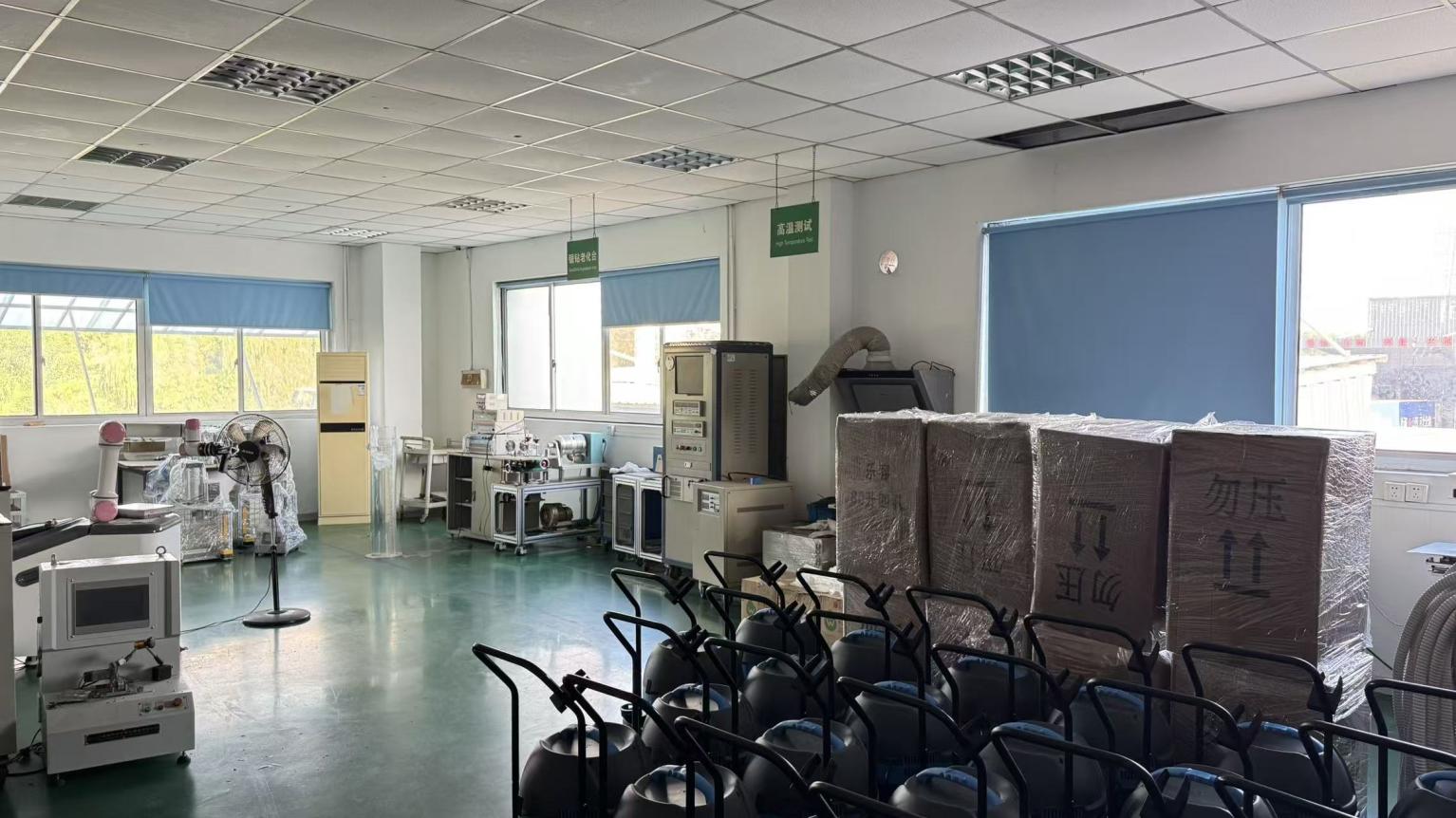
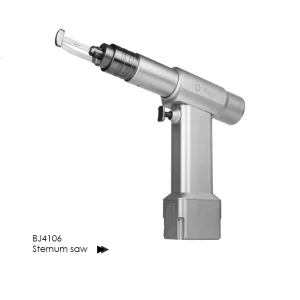
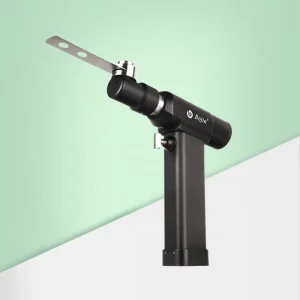
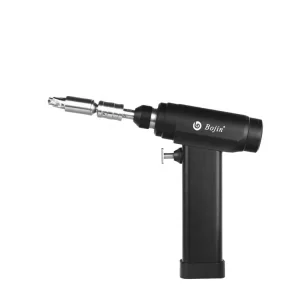
To meet these requirements, manufacturers must employ precise quality control methods, including CNC precision machining, laser welding, dynamic balance testing of high-speed rotors, and rigorous sealing tests. This ensures that every surgical drill, cranial burr, or sternum saw delivers consistent torque and minimal vibration, directly protecting patient safety during delicate surgical procedures.
The surgical power tool industry is transitioning towards smart, connected systems. Future advancements focus on integrating micro-sensors within the handpiece to monitor bone density, torque spikes, and heat generation during osteotomies in real time. If a drill touches delicate soft tissues, the system automatically slows down to prevent injury.
Furthermore, battery chemistry is evolving from standard nickel-cadmium structures to advanced lithium-iron-phosphate (LFP) and high-density polymer systems. These next-generation cells withstand autoclave heat without requiring heavy thermal protective cases, resulting in lighter, more ergonomic handpieces that reduce fatigue for surgeons during long surgical procedures.
Real-time sensory feedback adjustments protect surrounding tissue structures and prevent thermal necrosis during cortical bone drilling.
Double-hermetic seals protect internal electronics and motor windings during vacuum-steam autoclave sterilization cycles.
High-efficiency German brushless motors reduce friction and wear, significantly extending the service life of the instrument.
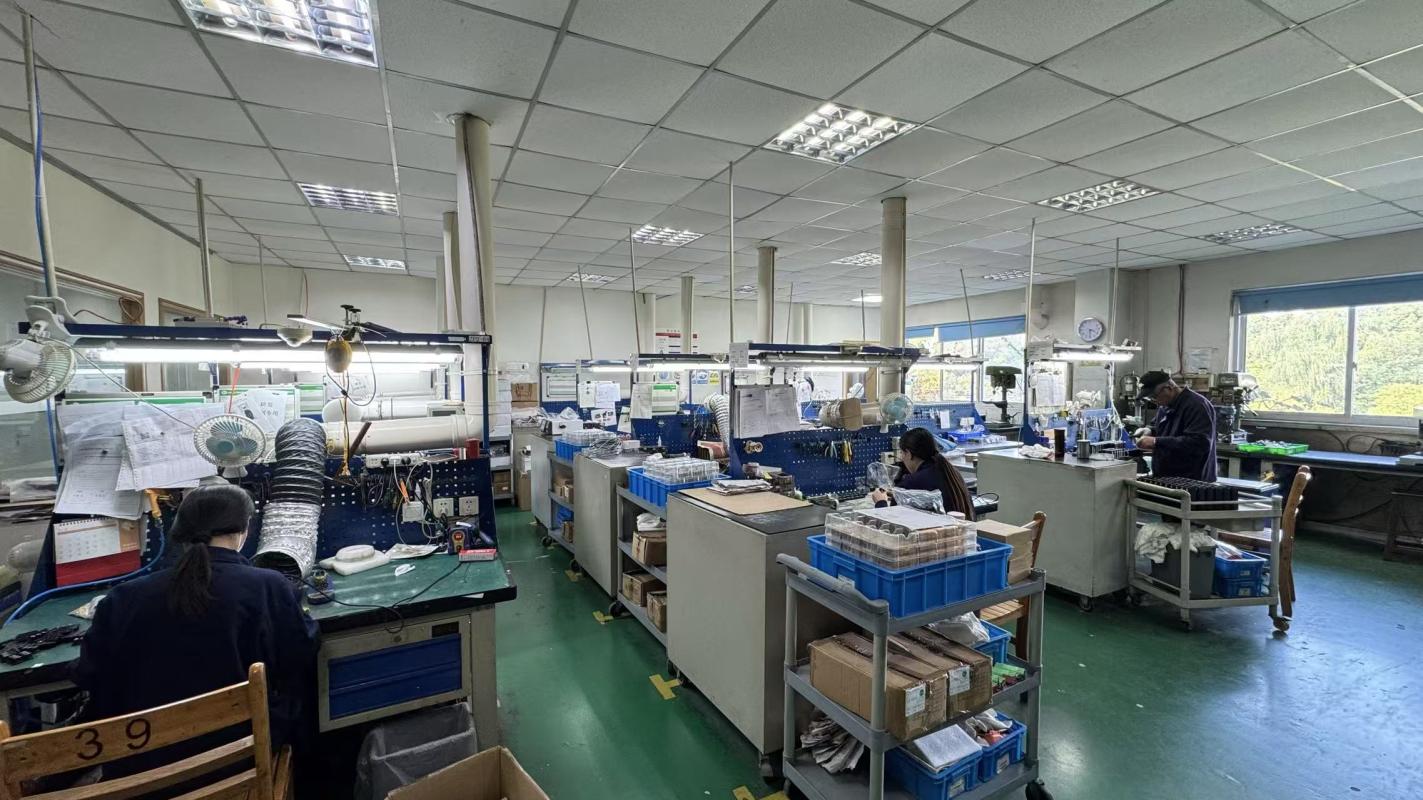
Surgical power tools must perform reliably across a wide range of specialized medical disciplines:
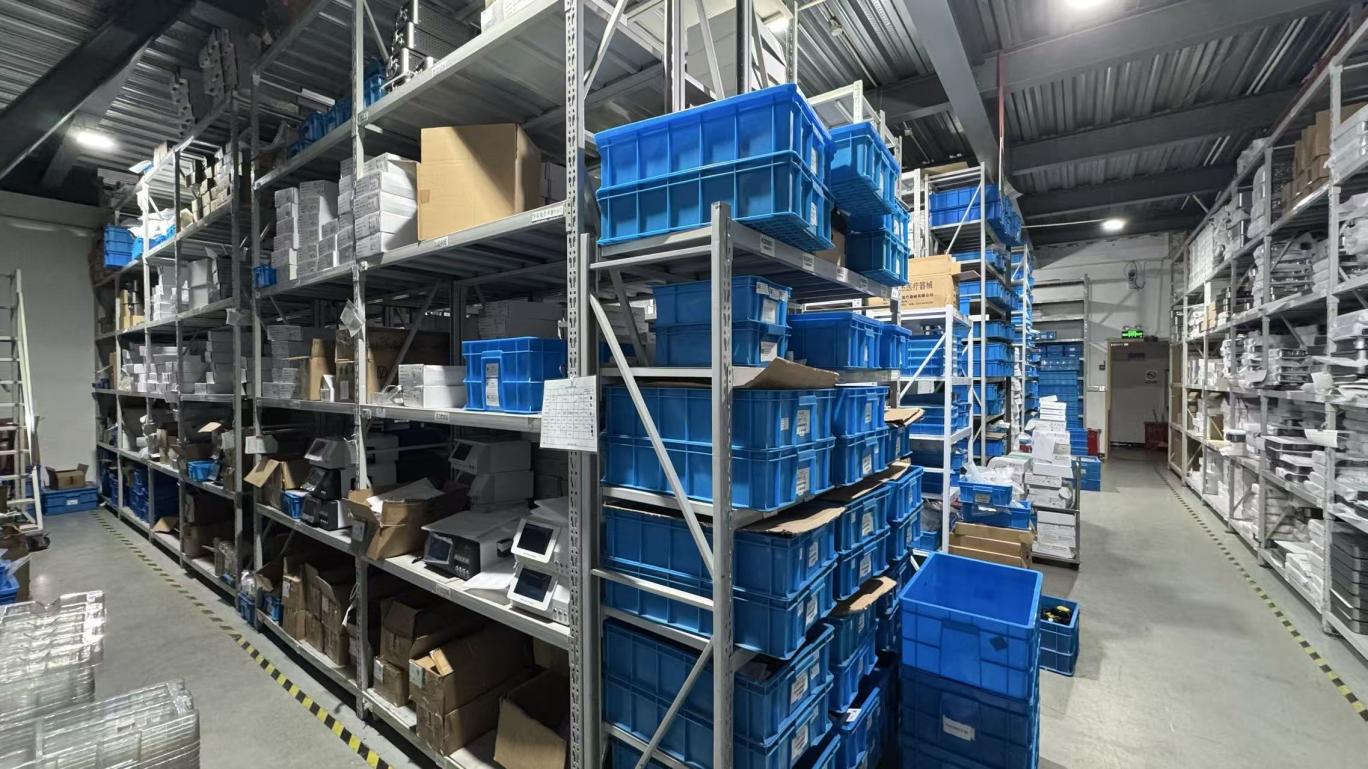
We back our medical power tool engineering with verified regulatory certifications. Every system is manufactured under ISO 13485 quality systems and thoroughly tested for electromagnetic compatibility and electrical safety, ensuring compliance with IEC 60601 clinical standards.


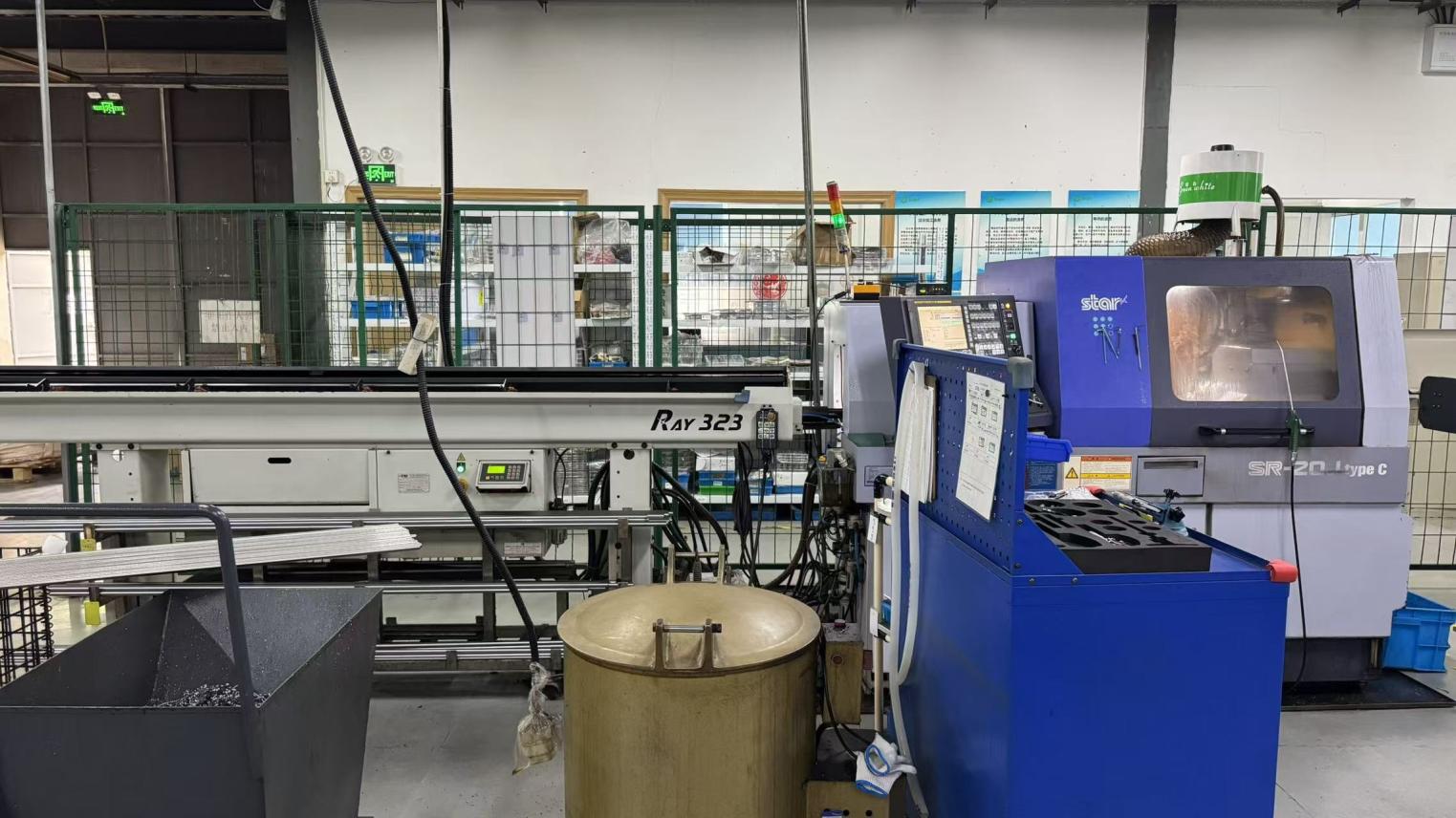
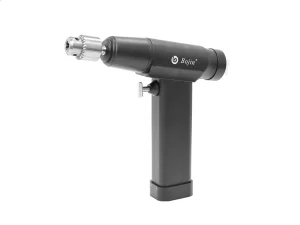
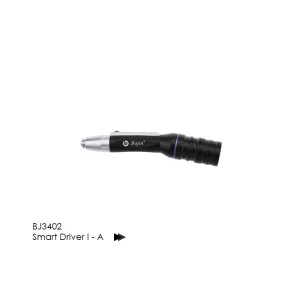
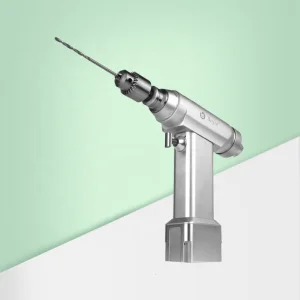
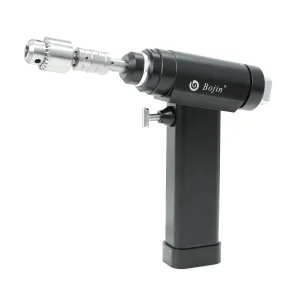
Explore our complete range of clinical power tools, including heavy-duty orthopedic drills and high-precision micro-surgical drivers.
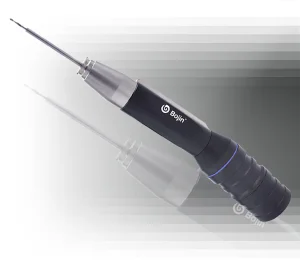
Expert answers regarding our manufacturing processes, regulatory compliance, and support for United Kingdom and global procurement networks.
Get in touch with our commercial engineering team to discuss technical specifications, secure volume pricing, or request demo units for evaluation in your hospital.
Contact Sourcing Directors BD Medical