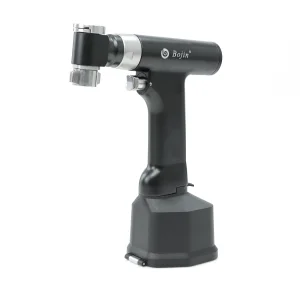
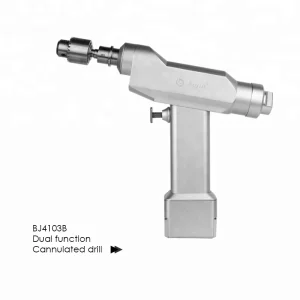
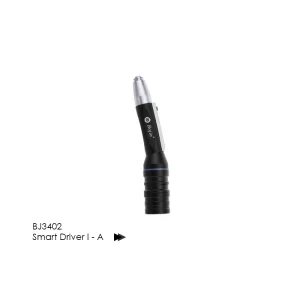
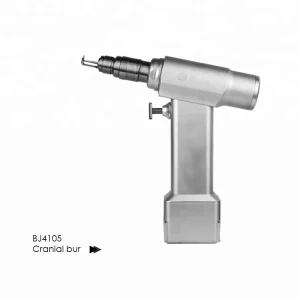
Highly adaptable surgical drive units custom-engineered for Austria's premier trauma centers and university hospitals.
Austria's medical infrastructure is renowned for its uncompromising safety requirements, governed strictly by the Austrian Medical Devices Act (Medizinproduktegesetz - MPG) and the overarching European Medical Device Regulation (MDR 2017/745). For clinical procurement managers at hospital networks such as the Wiener Gesundheitsverbund or regional holding entities like KAGes in Styria and SALK in Salzburg, selecting drive systems involves a rigorous balance of clinical performance, continuous duty-cycle endurance, and fiscal pragmatism.
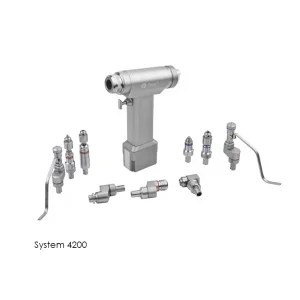
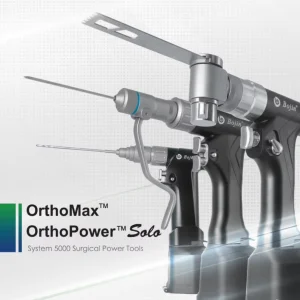
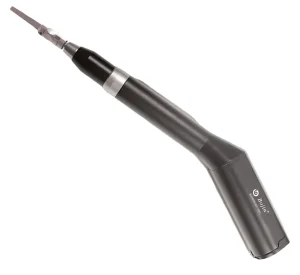
This is where mid-level, multi-function surgical power tools occupy a vital strategic niche. Traditionally, hospitals faced a binary choice: premium, single-function systems carrying prohibitive capital expenditure (CAPEX), or low-cost alternatives lacking sufficient sterilization endurance and material certification. Our modular solutions provide an optimal middle path. By consolidating drilling, reaming, sawing, and pinning interfaces into a single, high-performance handpiece powered by advanced brushless motors, we allow Austrian day clinics (Tageskliniken) and trauma hubs to maximize device utilization and significantly lower maintenance overheads.


For any export-oriented manufacturer, compatibility with European central sterilization procedures (AEMP) is crucial. Austrian guidelines demand that instruments withstand rigorous thermal disinfection and vacuum steam sterilization at 134°C for holding times of up to 18 minutes. Our mid-level platforms utilize high-grade, biocompatible aluminum alloys and specialized PEEK polymer seals. This combination guarantees that sterilization heat does not degrade inner dynamic gear assemblies, assuring clinical engineers of long-term reliability and minimal runout drift over hundreds of autoclaving cycles.
The transformation of modern orthopedics hinges on surgical instrument efficiency. We align our manufacturing processes with the technological expectations of clinical operators across Austria, Germany, and Switzerland (DACH region). Our technical roadmap focuses on three main engineering fronts:
Direct factory communication and documentation support for Austrian distributors and hospital procurement boards looking for reliable surgical drive equipment.
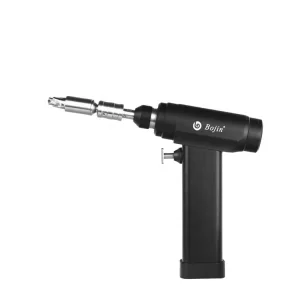
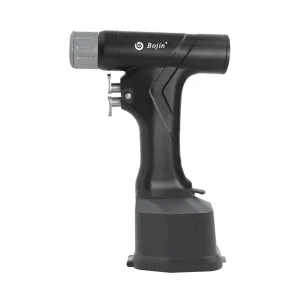
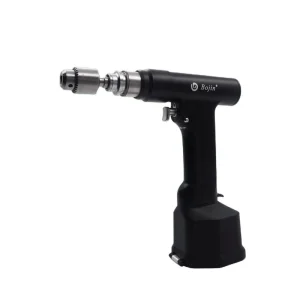
Send Inquiry NowStandardizing on a multi-functional handpiece system allows hospitals to run operations more fluidly. A single quick-connect system like our BJ5400 can transition from a high-speed sagittal saw for total knee arthroplasty to a high-torque cannulated drill for trauma fixation in under ten seconds. This versatility simplifies training for surgical nurses and decreases the inventory of backup equipment required in sterile processing departments, realizing significant lifecycle cost savings.
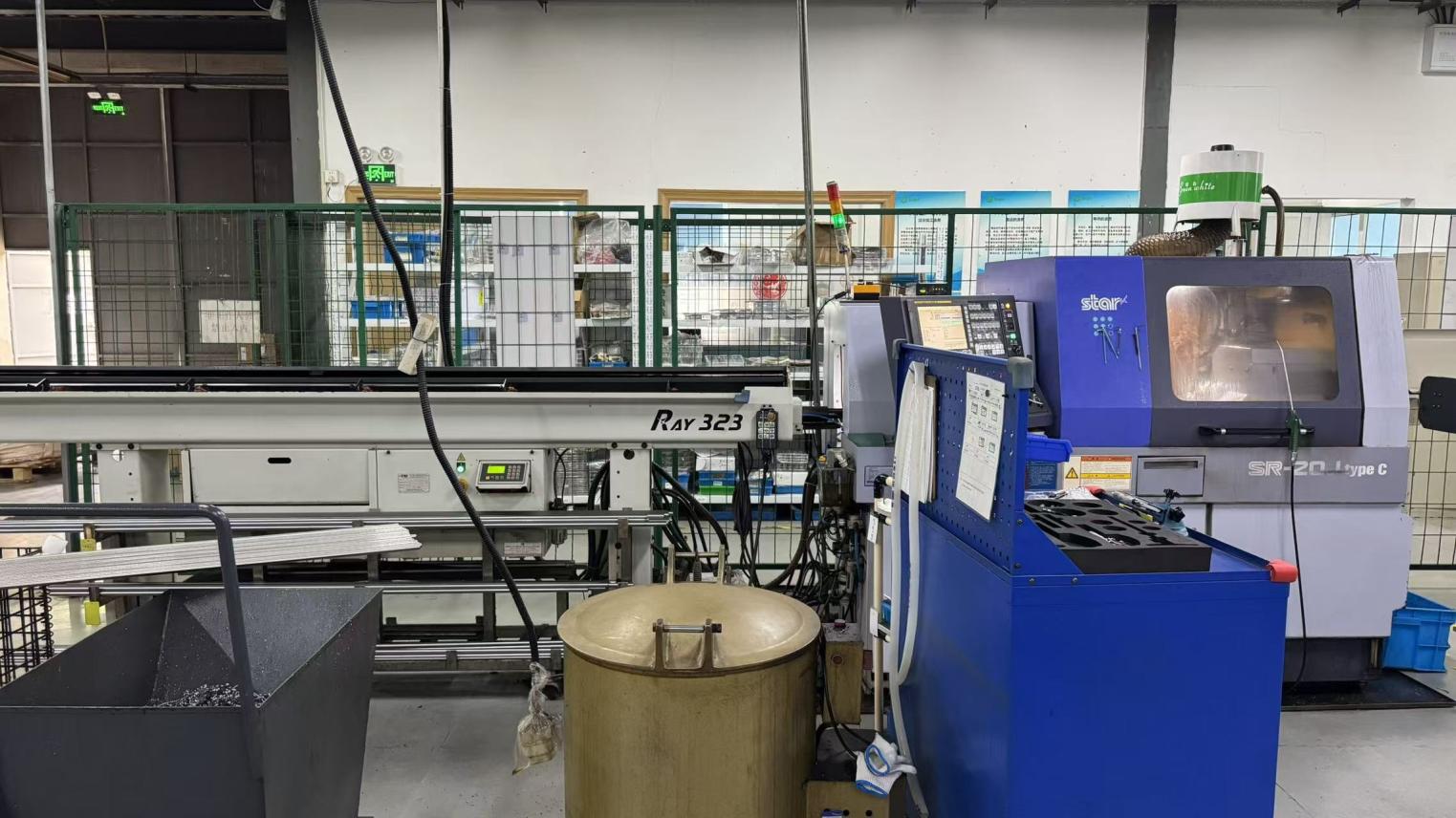
Insights into our advanced component machining, assembly quality control, and rigorous physical testing chambers.
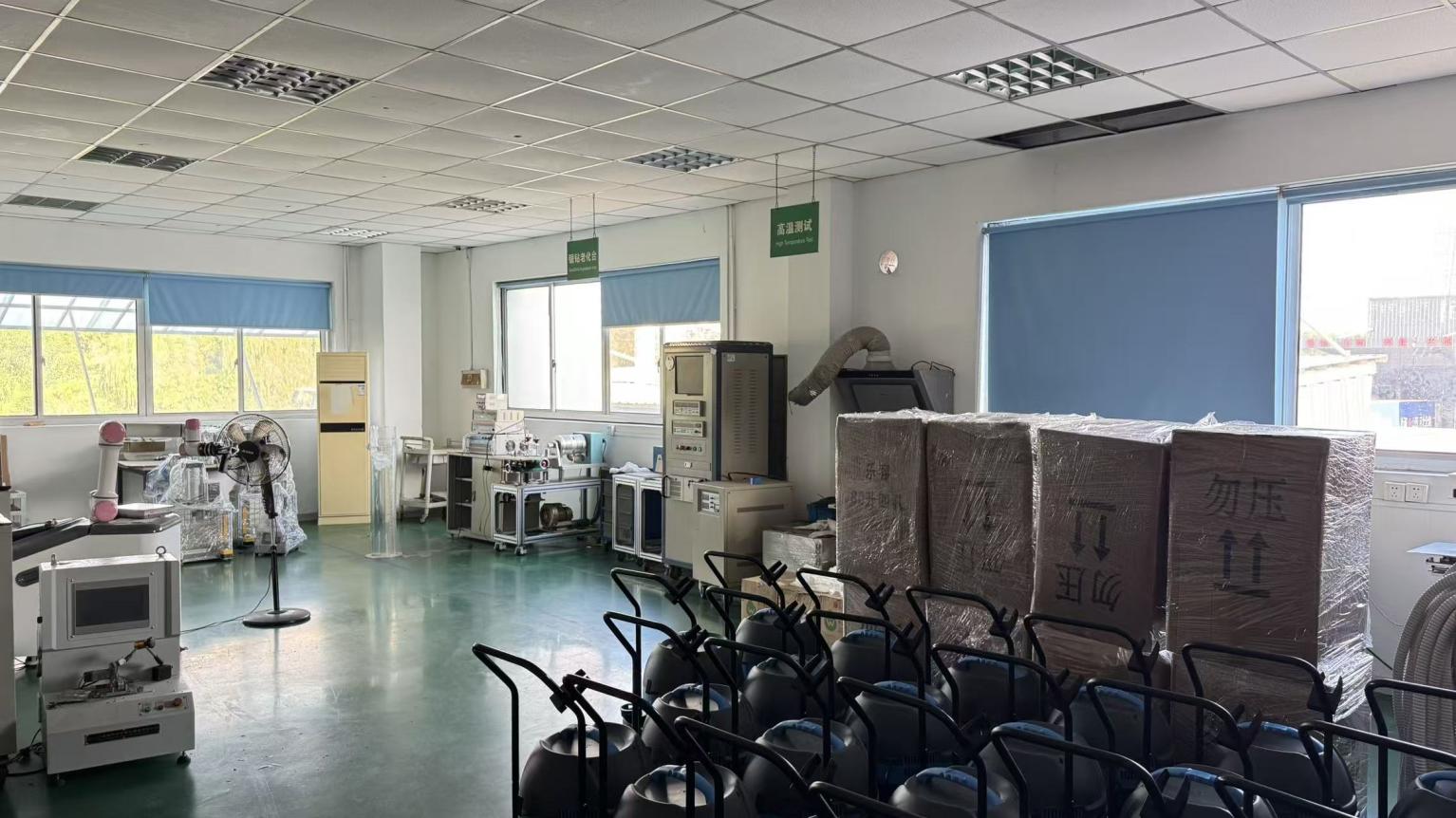
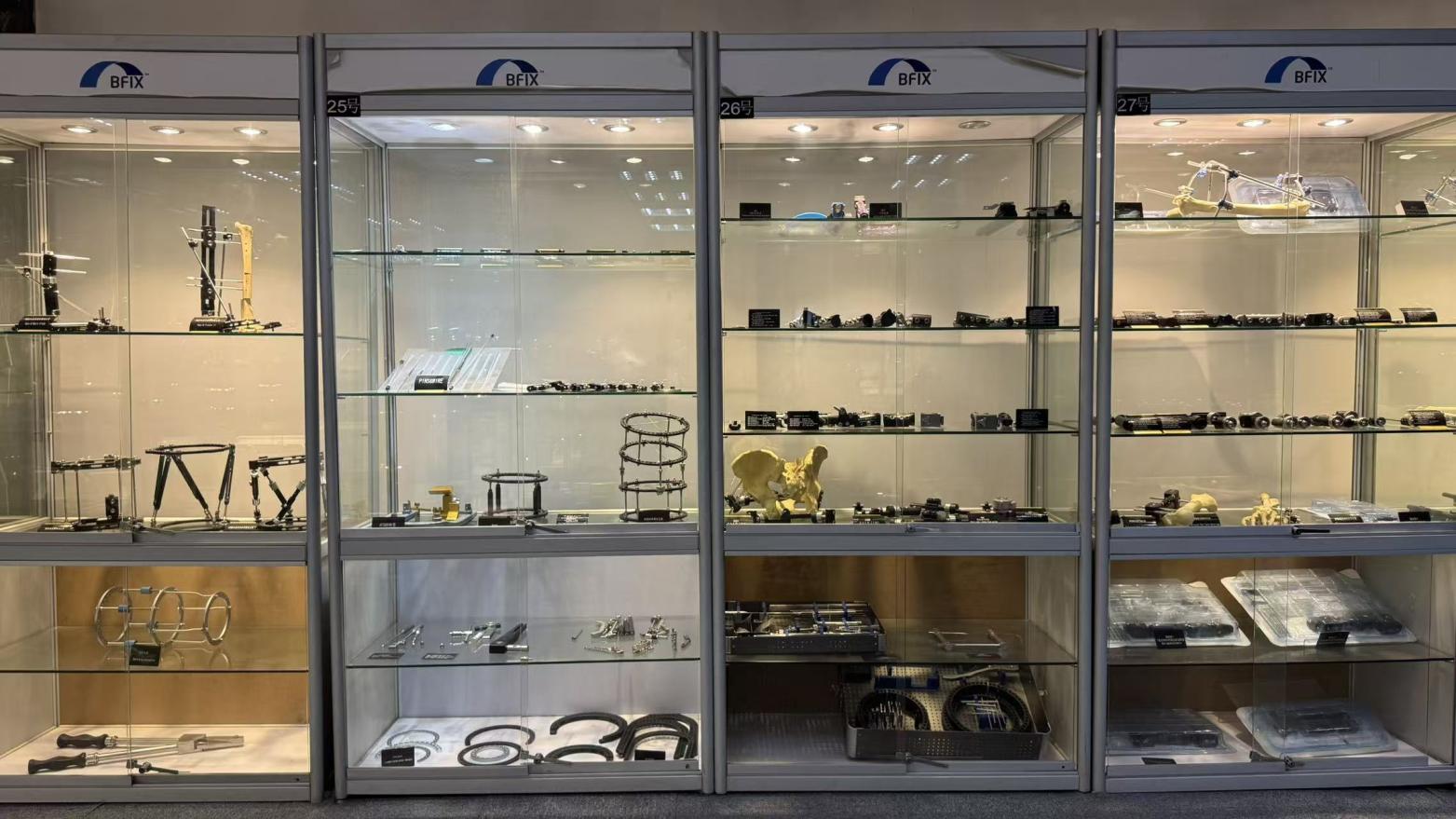
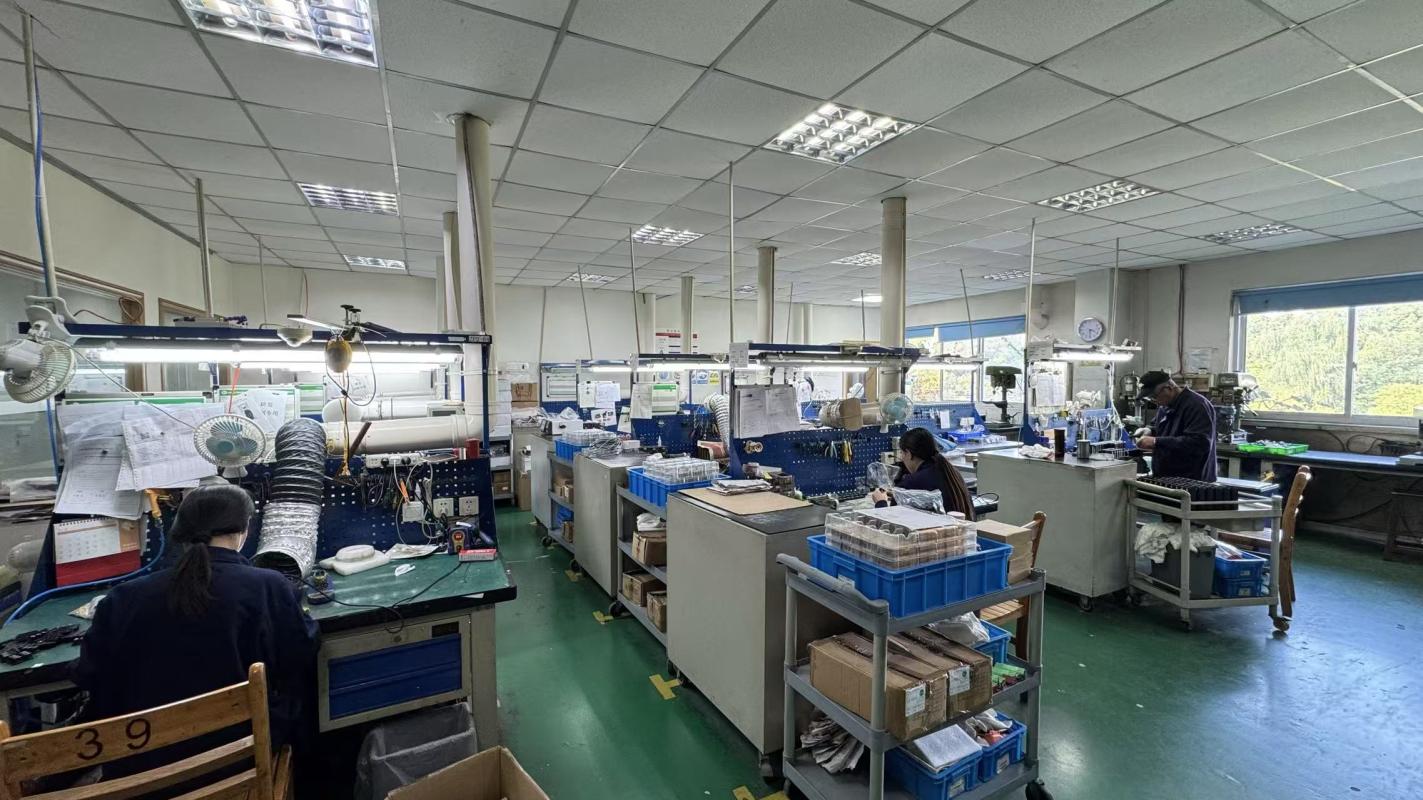
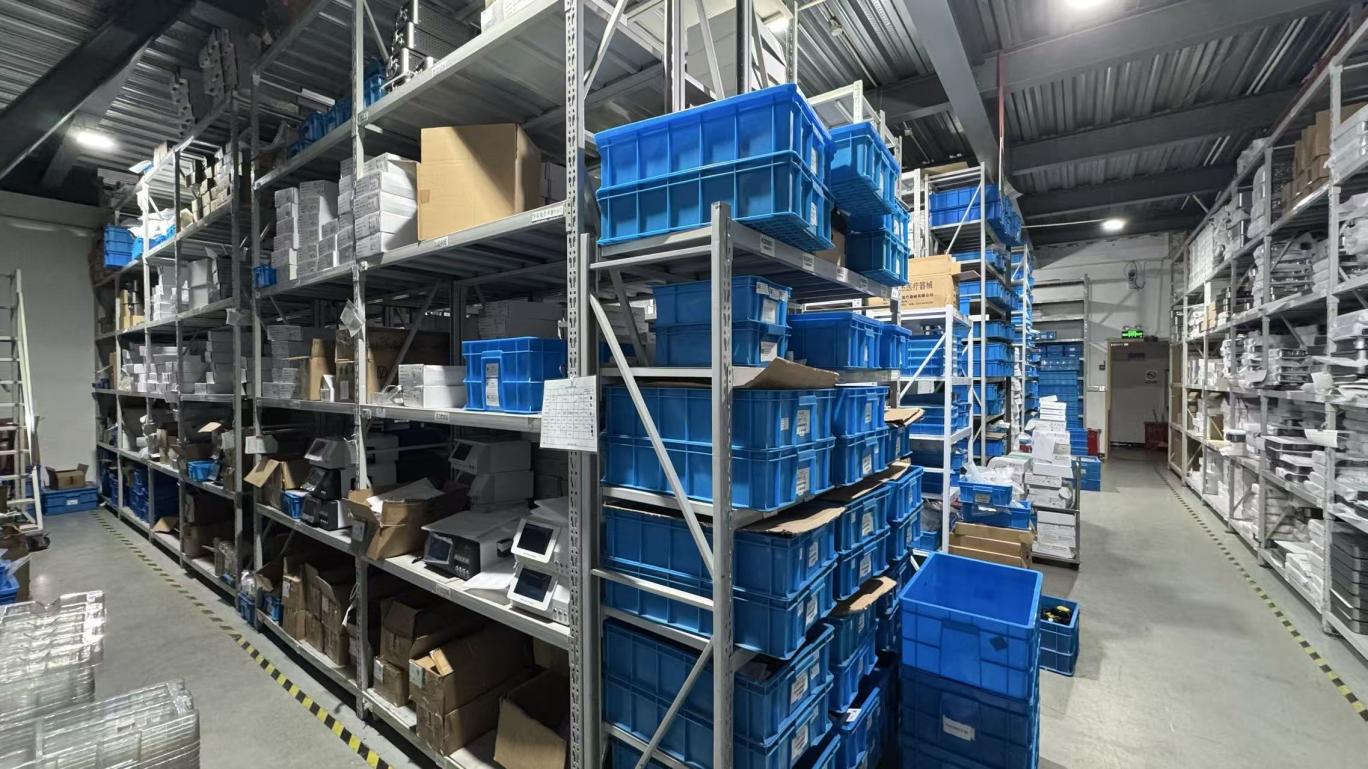
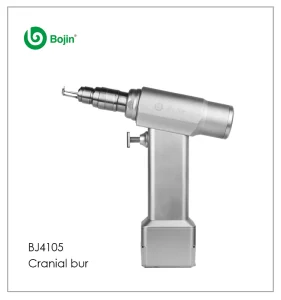
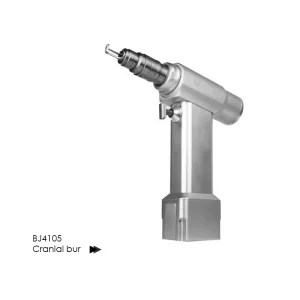
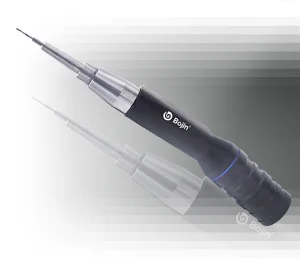
Explore our broad range of high-efficiency cranial burs, micro pen drivers, and trauma drill systems designed for European distribution.
Entering the Austrian B2B medical trade environment requires strict compliance with Central European trade logistics. The import of medical electronics and orthopedic tools must pass seamlessly through EU customs borders. As an established exporter, we streamline this process through structured trade documentation, ensuring all components have proper TARIC classifications, and that shipping manifests clearly state conformity with EU health, safety, and environmental protection standards.
We work closely with localized freight forwarders servicing major Austrian logistics junctions—including Vienna International Airport (VIE), Linz Airport (LNZ), and the central intermodal cargo terminals in Graz and Enns. Our shipping configurations are designed to maintain physical barrier protection. Individual motor assemblies and battery packs are shipped in temperature-controlled, ESD-shielded shock-absorbent protective cases, ensuring they arrive ready for direct inspection and calibration by hospital biomedical engineers (Medizintechniker).
To comply with tender requirements in Austria (Bundesvergabegesetz - BVergG), exporters must provide detailed service agreements. We support local distribution partners by providing comprehensive service manuals, warranty spare parts, and diagnostic calibration equipment. This enables rapid response times for preventative maintenance, electrical safety inspections (according to ÖVE/ÖNORM EN 62353 standards), and emergency instrument repairs, preventing downtime in busy clinical theaters.
Direct answers to technical, regulatory, and logistical questions commonly raised by Austrian clinical engineering committees.
Contact our clinical export division to discuss local distribution partnerships, arrange evaluation units for clinical trials, or request direct price quotations.
Send Inquiry Now BD Medical