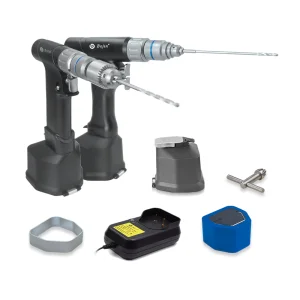
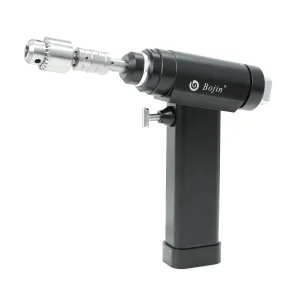
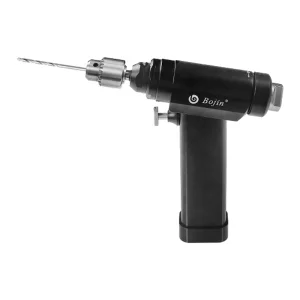
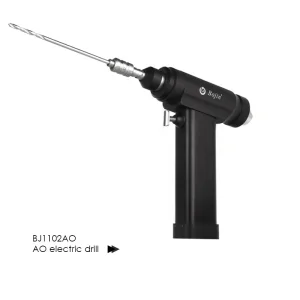
Engineered for high patient-load hospitals requiring dual-functional versatility, exceptional thermal performance, and compliance with global standards.
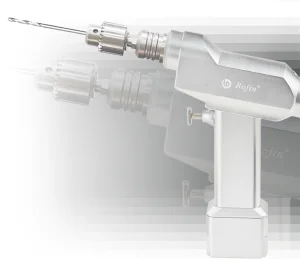
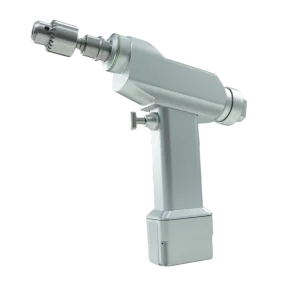
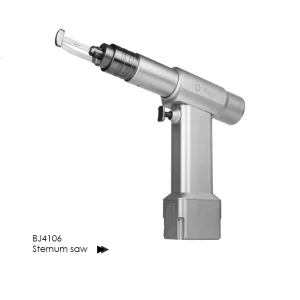
Ho Chi Minh City, as the primary economic hub of Vietnam, is undergoing an unprecedented modernization of its healthcare system. With premier municipal and national institutions like Cho Ray Hospital, the HCMC Hospital for Traumatology and Orthopedics, and People's Hospital 115 experiencing high daily trauma patient inflows, there is an escalating demand for reliable medical power tools. Statistics indicate that vehicular accidents and industrial development in southern Vietnam account for a high percentage of reconstructive and trauma orthopedic procedures.
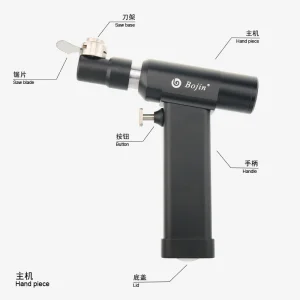
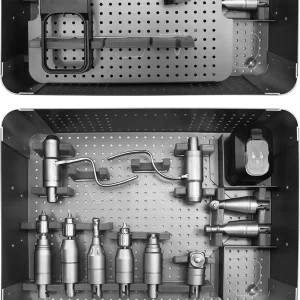
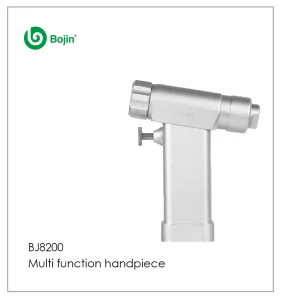
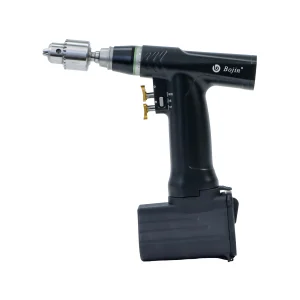
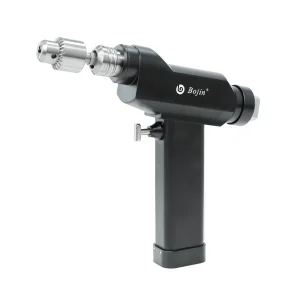
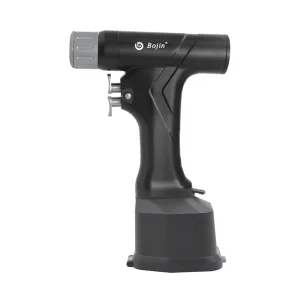
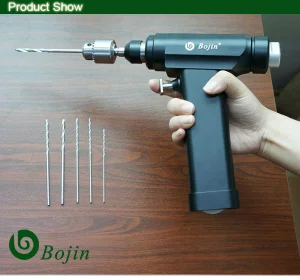
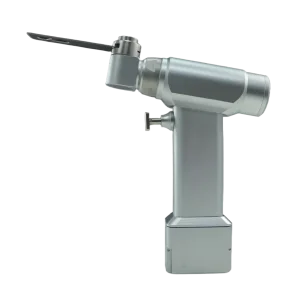
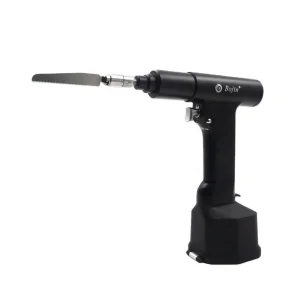
In this local ecosystem, municipal and private hospitals require high-efficiency bone drills and reciprocating sagittal saws that minimize operating theater downtime. Rather than investing in hyper-specialized single-procedure systems which escalate capital expenditures (CAPEX), HCMC medical purchasing directories actively prioritize Basic Level (Multi-function) systems. These tools offer rapid coupling attachments—interchangeable between high-speed drilling, reaming, sagittal sawing, and wire driving—saving valuable procurement capital without compromising clinical performance.
On a global scale, the orthopedic power tools market is expected to compound at an annual growth rate (CAGR) of over 5.8% through 2032. The market expansion is driven by a global aging population, sports injuries, and emerging pediatric orthopedic interventions. While Western markets skew toward high-CAPEX, disposable, or single-use battery-driven systems, emerging markets across Southeast Asia, Latin America, and Eastern Europe favor reusable, autoclave-tolerant, and versatile multi-functional power systems.
Manufacturers supplying countries within the ASEAN region are adapting to this demand by integrating premium components, such as German brushless motors and long-life lithium-ion or robust Ni-MH batteries, into "Basic" or "Mid-level" catalog configurations. The terminology "Basic Level" refers not to inferior quality, but to optimized operational workflows that provide core mechanical outputs (high torque, variable control, and reliable sterilization) without cost-prohibitive digital tracking features.
The mechanical core of modern orthopedic tools rests upon motor efficiency. The transition from legacy brushed DC motors to German-engineered brushless DC (BLDC) motors has transformed tool reliability. Brushed motors generate carbon dust and friction, lowering tool lifespans and increasing heat buildup—a risk factor during tissue cutting. In contrast, brushless systems eliminate physical contact, mitigating internal heat generation and safeguarding soft tissue from thermal necrosis.
Furthermore, surgical instruments must endure rigorous decontamination and sterilization protocols. Standard medical settings rely on steam sterilization (autoclaving) at 134°C at 2.2 bar pressure. The integration of high-grade seals, corrosion-resistant stainless-steel housings, and hermetically sealed electronics ensures our equipment maintains structural integrity over hundreds of autoclave cycles, significantly lowering the total cost of ownership (TCO) for local trauma centers in Ho Chi Minh City.
Our multi-functional power systems are tailored to handle specific operational constraints encountered in Vietnamese operating theaters:
How clinical infrastructure integrates versatile orthopedic power supplies:
Exporting medical hardware to Southeast Asian markets requires stringent compliance alignment. Our production facilities maintain internationally recognized medical production standards to guarantee safety, biological compatibility, and electrical insulation integrity during long-duration surgeries.


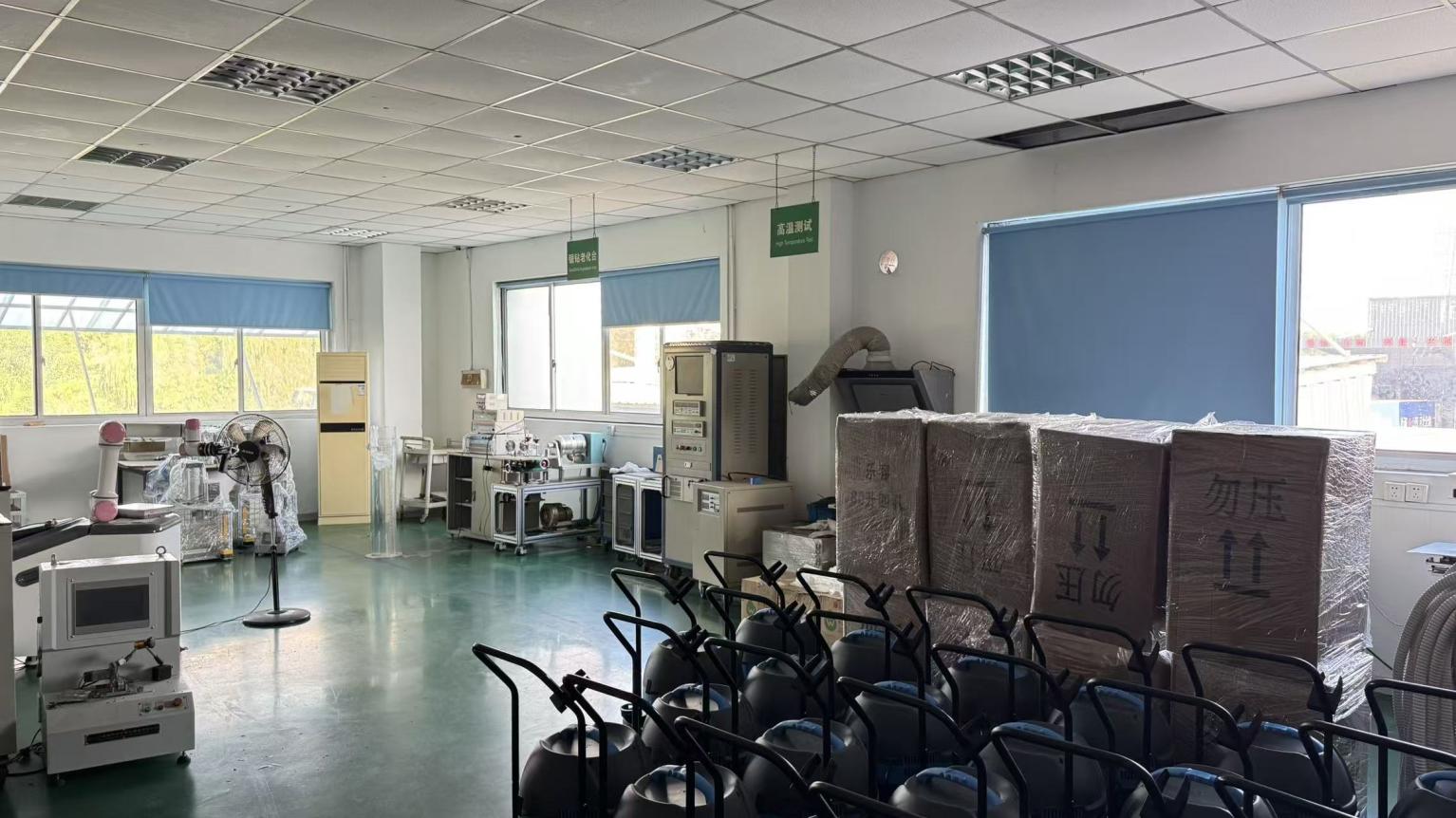
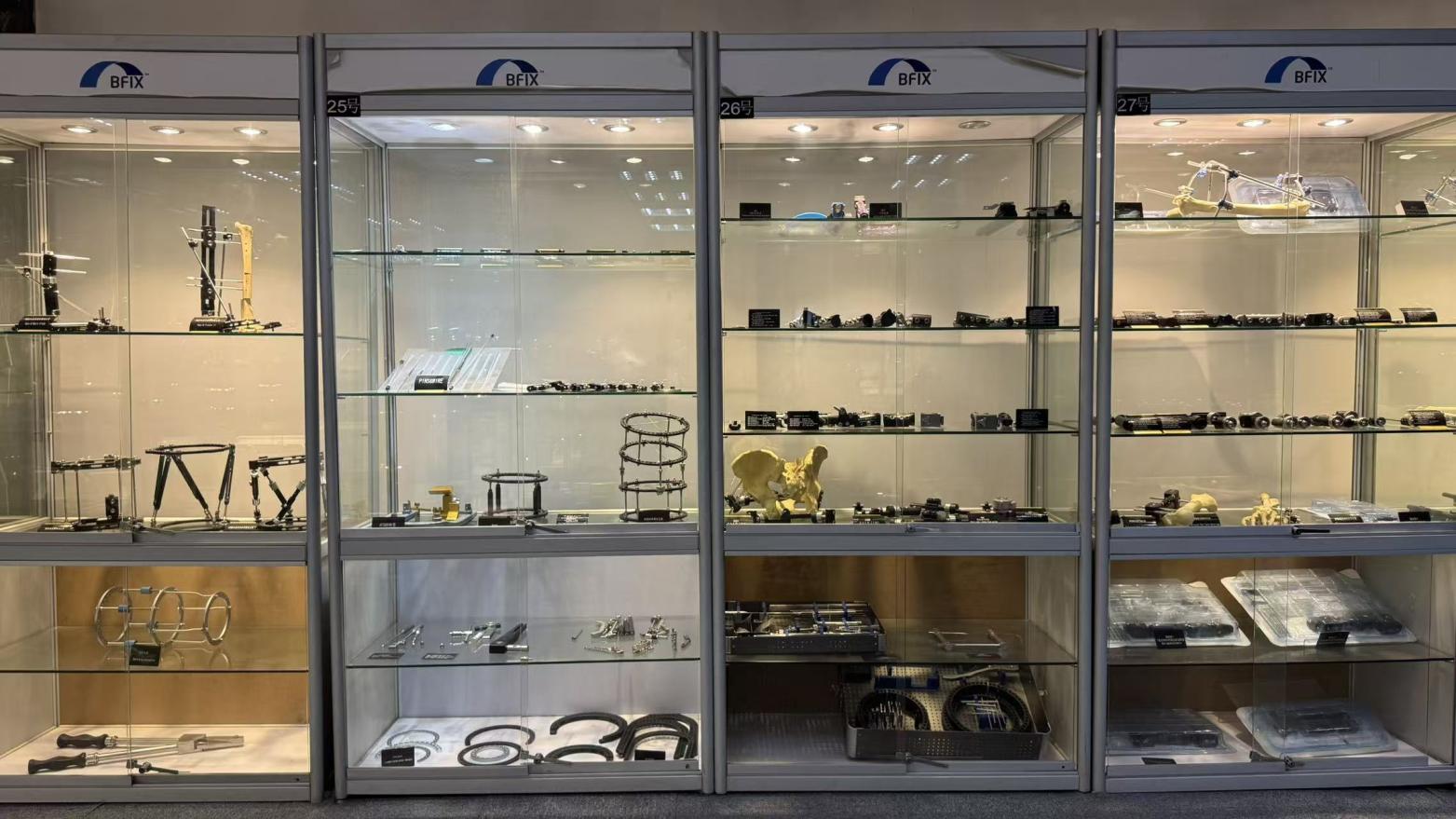
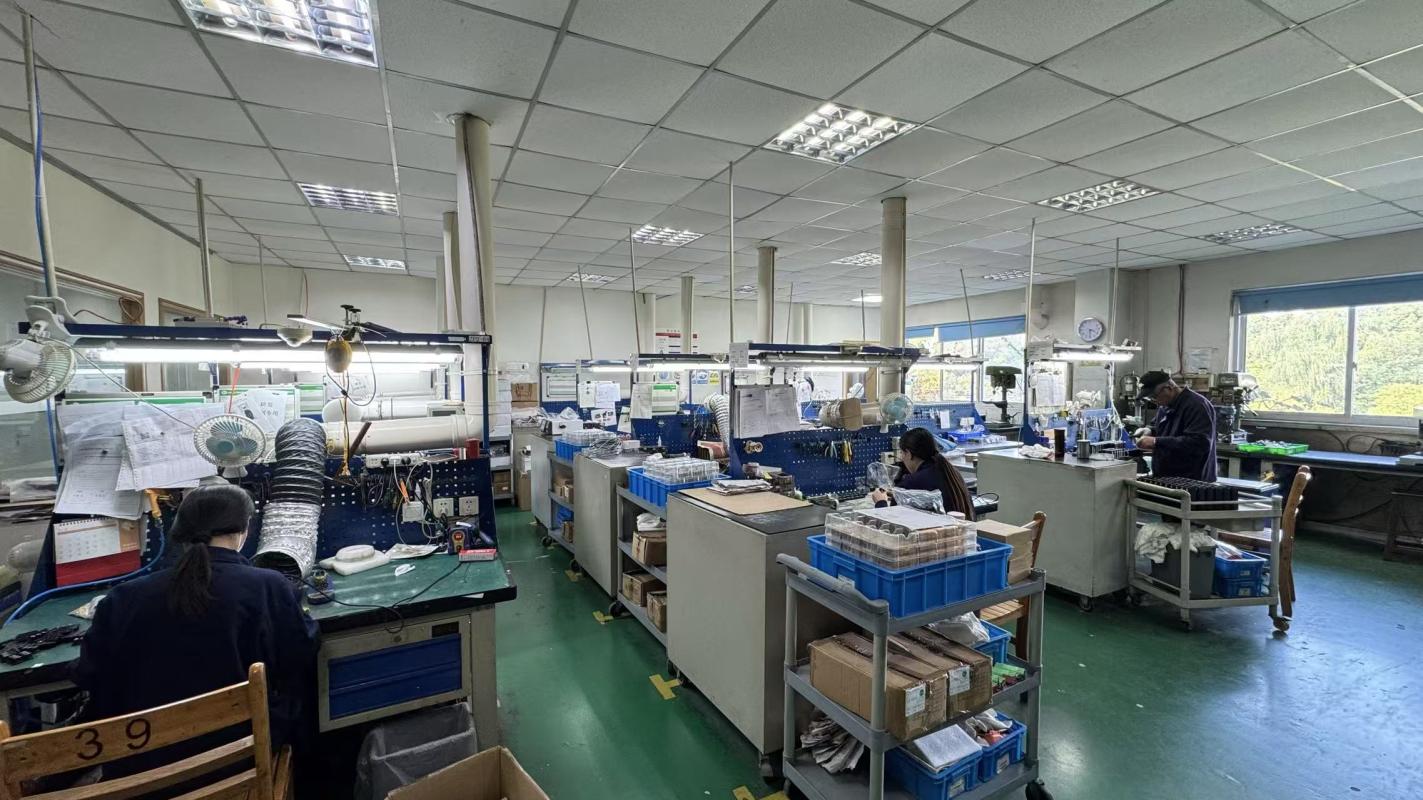
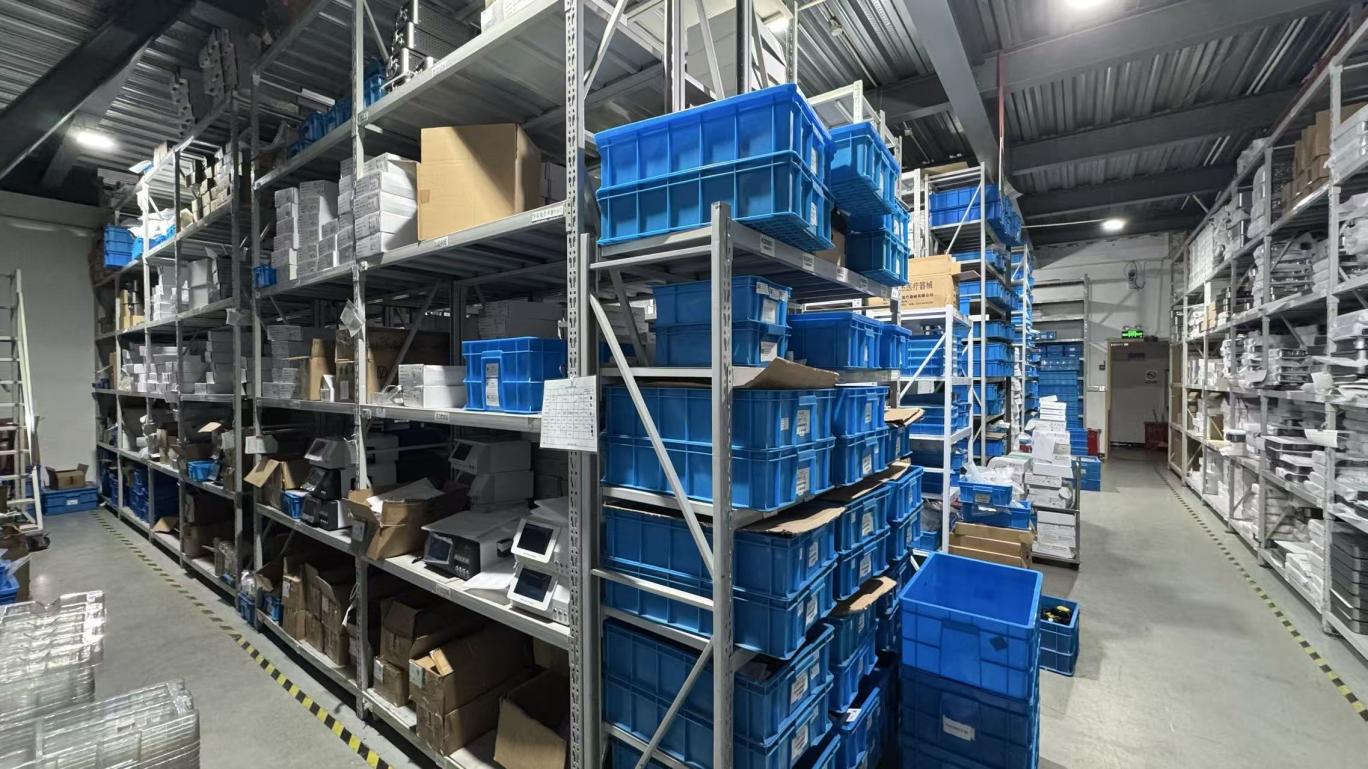
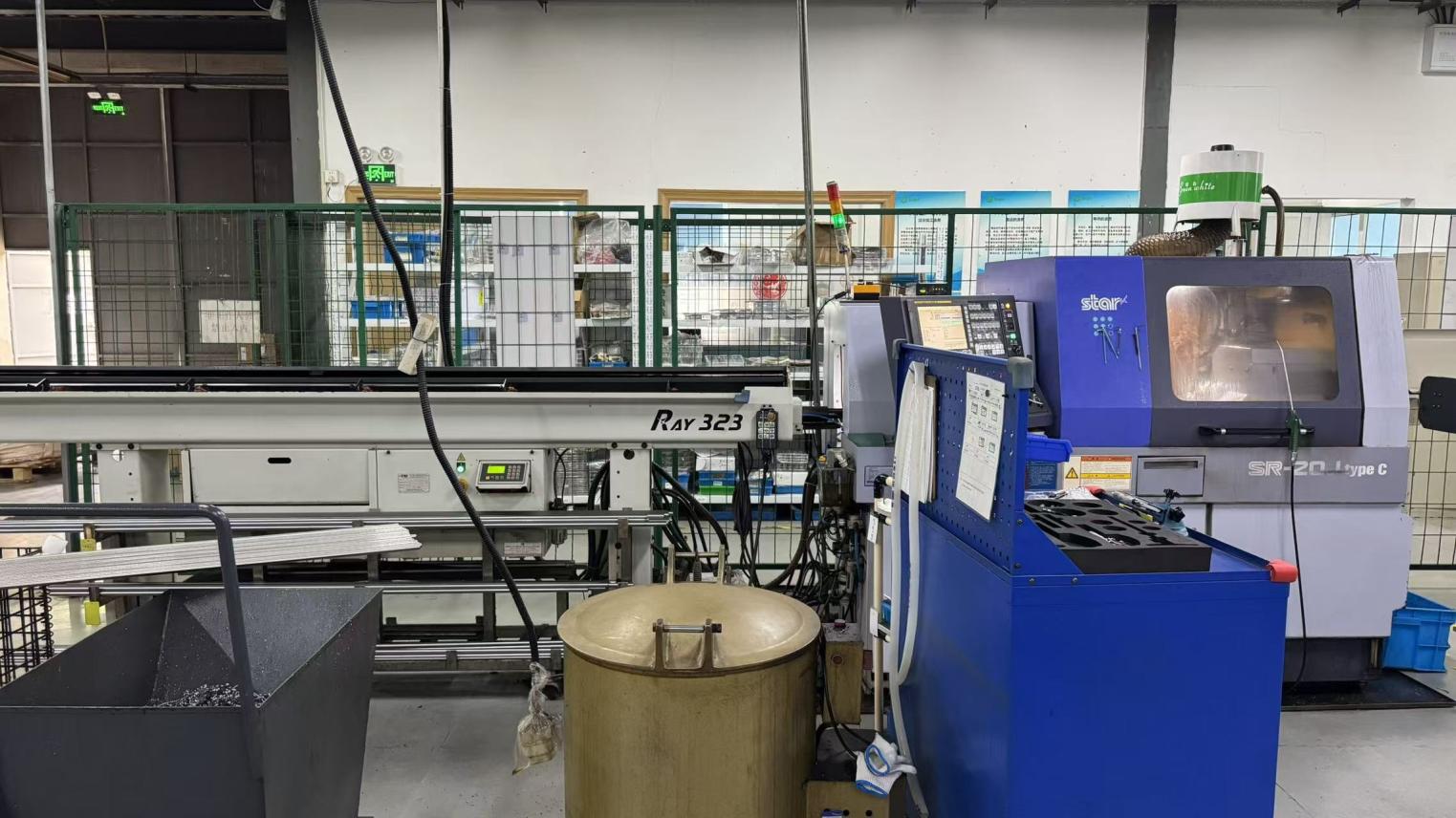
Original insights into our sterile processing, structural stress tests, and automated assembly workflows.
Direct technical answers regarding procurement, sterilization, customization, and local delivery in Vietnam.
Multi-functional orthopedic systems allow surgical teams to switch attachments (drills, saws, reamers) using a single handpiece. This reduces the capital required to purchase separate tools, reduces storage requirements, and minimizes maintenance complexity, which is highly beneficial for the high-volume public hospitals in southern Vietnam.
All our handpieces, saw blades, and drill attachments are designed to withstand repeating steam autoclaving cycles up to 135°C (2.2 bar) for 15-20 minutes. Battery packs should be wiped down with disinfectants or sterilized using low-temperature plasma sterilization methods depending on local hospital guidelines.
Yes. Our medical power tools are certified under ISO 13485 and comply with IEC 60601-1 electrical safety standards. We provide comprehensive documentation packets (including CE declarations, manufacturer authorization letters, and quality control reports) to streamline registration with the Ministry of Health in Vietnam.
We supply high-efficiency Nickel-Metal Hydride (Ni-MH) batteries (e.g., 9.6V 1800mAh) and advanced Lithium-ion (Li-ion) batteries (e.g., 11.1V 4000mAh). Under standard surgical duty cycles and proper maintenance, these batteries maintain high power retention for over 500 charge-discharge cycles.
Absolutely. We cooperate closely with medical equipment distributors in HCMC and neighboring provinces, offering custom branding options, technical service training, direct component replacements, and competitive bulk pricing agreements.
Browse our complete list of clinical-grade power tools, bone drills, sagittal reciprocating saws, and specialty surgical systems.
 BD Medical