Precision-engineered surgical tools fabricated via multi-axis high-accuracy CNC micro-metalworking.
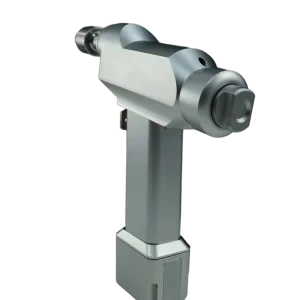
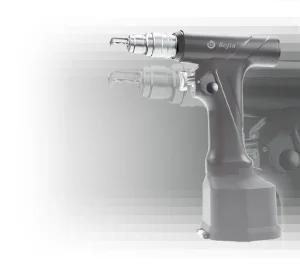
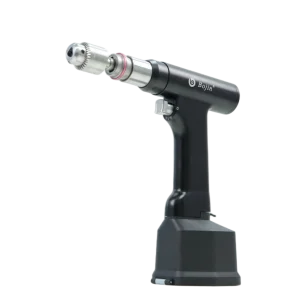
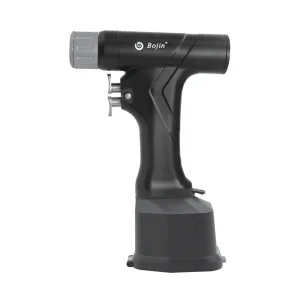
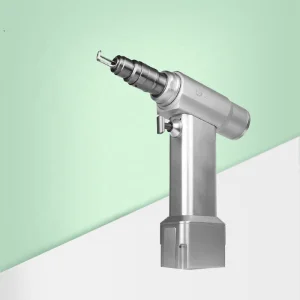
Modern orthopedic surgeries demand tool tolerances that exceed typical industrial machining capabilities. As a leading metalworking equipment factory and supplier specialized in surgical instrumentation, we bridge the gap between heavy metallurgy and micro-precision mechanics. The structural integrity, heat dissipation, and torque response of our surgical power drills, saws, and reamers are defined by the cutting-edge metal forming techniques utilized in our state-of-the-art facilities.
From CNC Swiss turning of medical-grade titanium and stainless steel to proprietary vacuum heat treatment processes, our manufacturing pipeline guarantees extreme wear-resistance and chemical passivation. This prevents dynamic metallurgical degradation under repeated autoclaving at high temperatures (up to 134°C) and corrosive chemical exposure, delivering a prolonged service life unmatched in the biomedical instrument sector.
The metalworking and manufacturing industries are undergoing a massive transition towards automation, digitalization, and additive hybrid solutions. For specialized fields like medical device fabrication, these macro trends drive direct improvements in reliability and customization. Keep pace with key developments:
Integration of 5-axis and 9-axis Swiss lathe technology allows complete processing of complex surgical drill geometries in a single setup. This reduces manual manipulation and minimizes tooling deviations.
Application of Physical Vapor Deposition (PVD) titanium nitride (TiN) and diamond-like carbon (DLC) coatings decreases friction coefficient, reduces wear-induced metal shedding, and improves thermal insulation.
Transition from brushed to brushless DC (BLDC) motors (originating from premium German technology) ensures lower electromagnetic interference, drastically reduced noise levels, and much lower thermal output during high-torque bone drilling.
Industrial buyers, B2B distributors, and healthcare purchasing organizations evaluate medical metalworking suppliers based on strict quality controls, standardized material composition, and traceable supply chains. Below are the standard metallurgical parameters utilized in the production of high-performance orthopedic power tools:
| Metal Alloy / Material Type | Common Applications | Tensile Strength (MPa) | Corrosion & Autoclave Resistance | Biocompatibility Standard |
|---|---|---|---|---|
| 316L Medical Grade Stainless Steel | Drill bits, saw blades, structural shafts | ≥ 485 | Excellent (Enhanced with passivation) | ISO 10993 Compliant |
| Ti-6Al-4V Grade 5 Titanium Alloy | Lightweight handpiece housings, implants | ≥ 860 | Outstanding (Natural oxide layer) | ASTM F136 Certified |
| 440C Martensitic Stainless Steel | High-hardness bearing components, gears | ≥ 1700 (Heat treated) | Moderate-High (Protected environment) | Industrial Standard |
| PEEK (Polyetheretherketone) | Thermal insulation spacers, light bushings | ≥ 100 | Outstanding (Unaffected by chemicals) | USP Class VI |
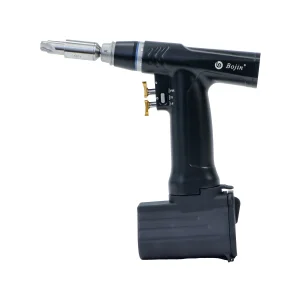
Selecting the correct material profile ensures that tools like the System 4000 Single-functional Cannulated Drill or the BJ5505 Cranial Bur operate consistently at speed velocities up to 1200 RPM without risk of fatigue failure or metallic contamination.
We provide specialized design, manufacturing, and assembly services that meet the rigorous needs of diverse clinical departments. Our high-precision metalworking capabilities enable target-specific solutions:
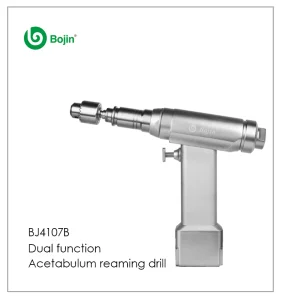
Requires heavy-torque output, low rotational speed, and steady cannulated architectures to accommodate guide wires. Examples include the BJ4107B/D/S Acetabulum Reaming Drill, optimized for continuous operations without dynamic runout.
Focuses on safety and precision cutoff mechanisms. The manufacturing process of our cranial drills employs automatic clutch release components to prevent soft tissue damage once bone perforation is complete.
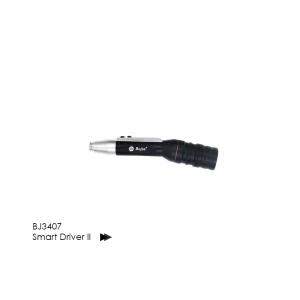
Features ultra-lightweight, ergonomic, pen-type tools like the BJ3407 Smart Driver. Ideal for maxillofacial, foot, hand, and ankle surgeries, providing micro-screws alignment at extremely fine thread pitches.
Entering global medical supply chains requires adherence to rigorous testing procedures and regulatory certifications. Our facility complies with the leading quality management guidelines, ensuring all metal components, electrical assemblies, and battery packs are certified safe for human clinical use.
Every orthopedic drill and accessory undergoes ISO-certified quality assurance controls. From raw material spectrum analysis to final dynamic runout tests, we enforce traceability across all manufacturing operations.


As clinical surgical workflows transition to robotic assistance and automated navigation, the hardware tools must adapt to digital intelligence. Our R&D team is pursuing a structured technical roadmap designed to integrate mechanical power tools into modern smart surgery ecosystems:
Implementing real-time microchip torque sensing inside the drill handpiece to automatically stop drilling when soft tissue boundary is detected.
Developing next-generation Li-ion battery cells that resist up to 500 autoclave cycles while maintaining constant discharge rates.
Creating virtual stress-test models of steel and titanium alloys during product design to eliminate physical micro-cracks before casting.
Designing quick-coupling dynamic tool adapters optimized for robotic end-effectors used in orthopedic navigation systems.
Find answers to technical, manufacturing, and procurement inquiries below.
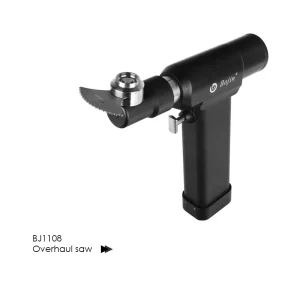
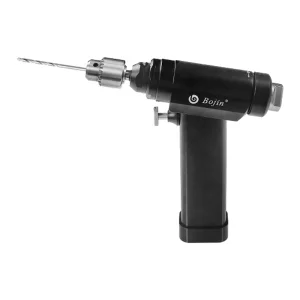
High-powered motor handpieces, specialized cranial access tools, and osteotomy saws for complex reconstruction surgeries.
Quality verification requires transparency. Our machining centers, mechanical clean rooms, and inspection facilities adhere to strict environmental standards. We operate micro-environmental controls to prevent foreign particle deposition on raw metallic structures during assembly.
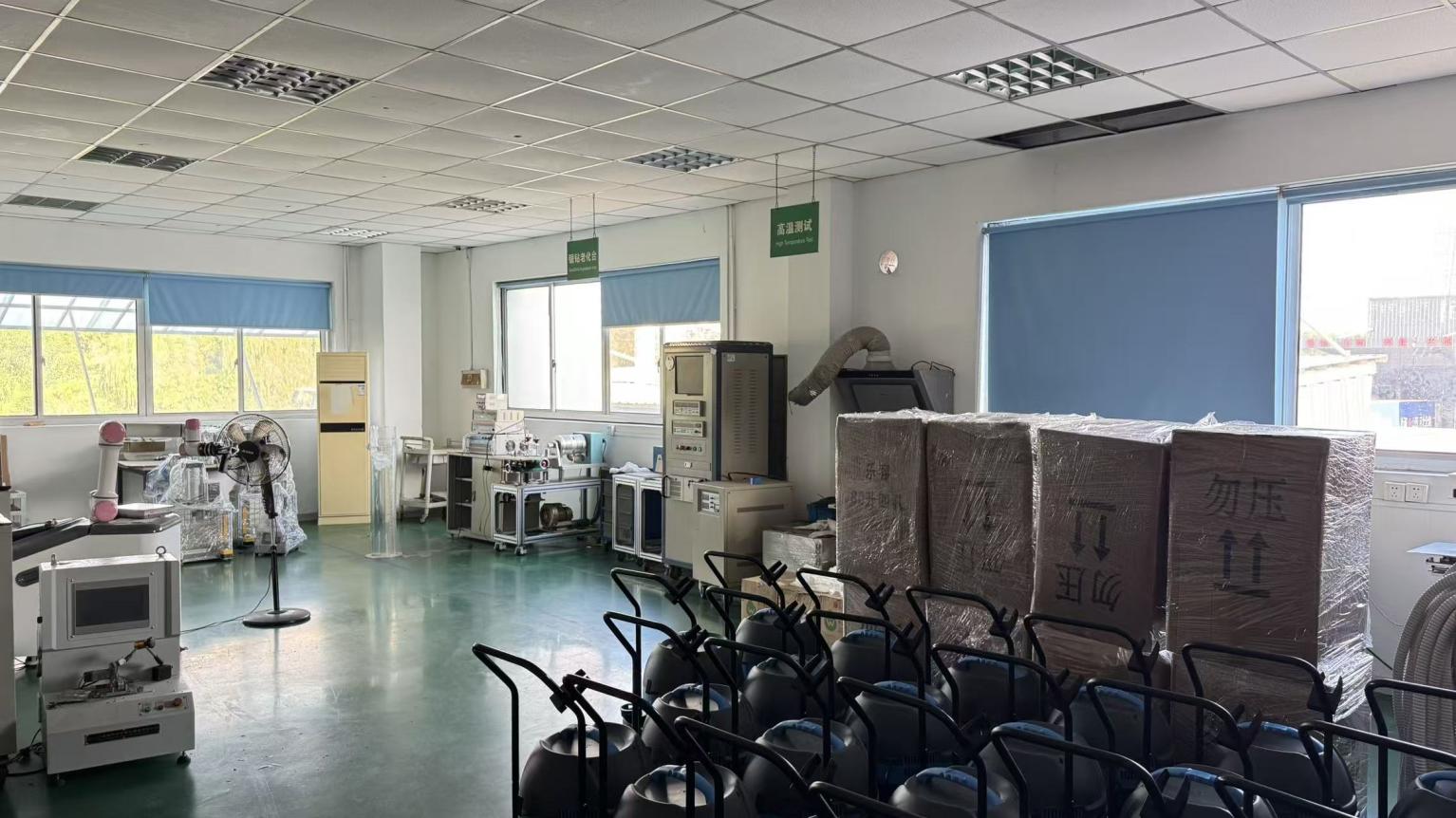
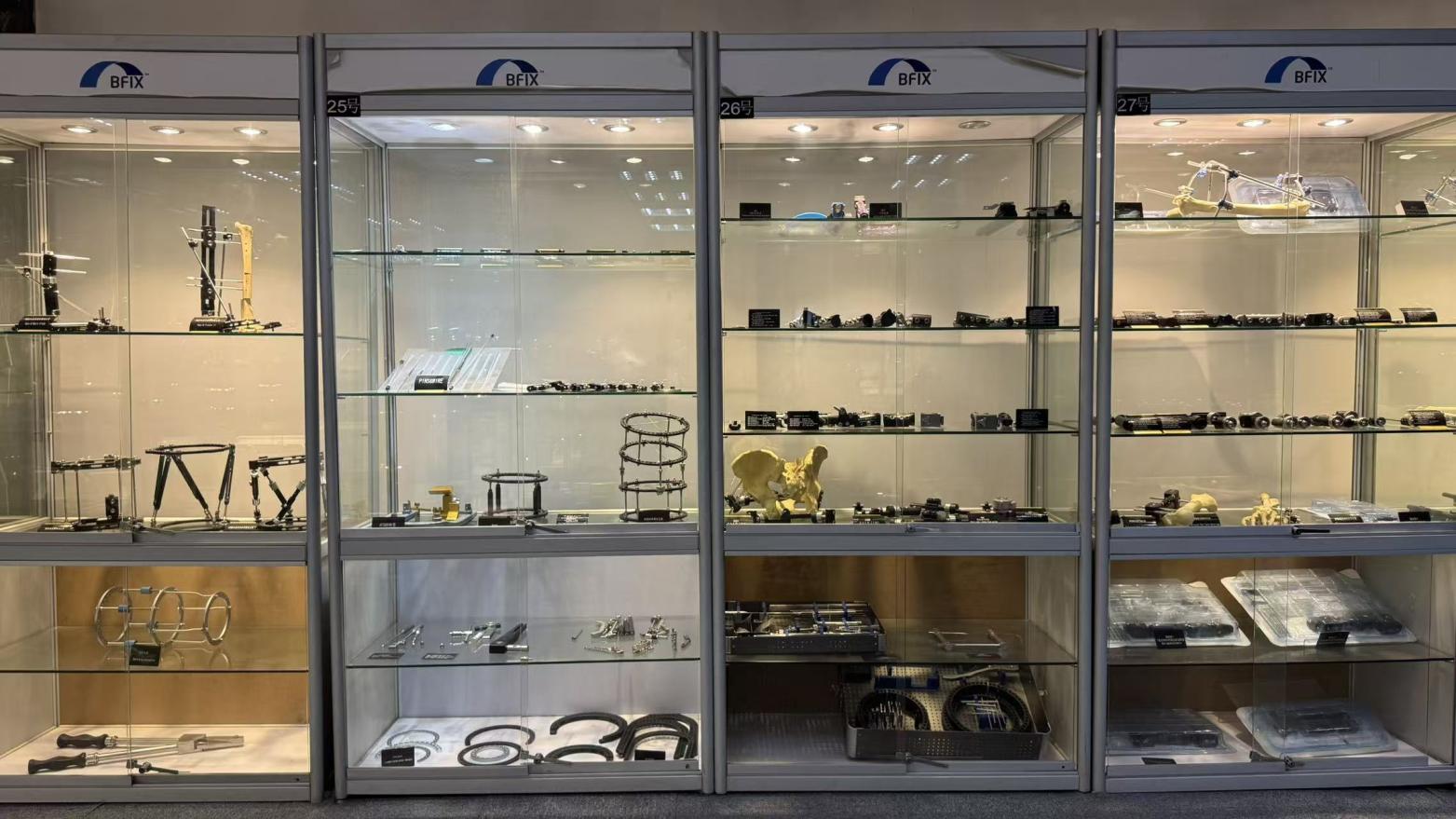
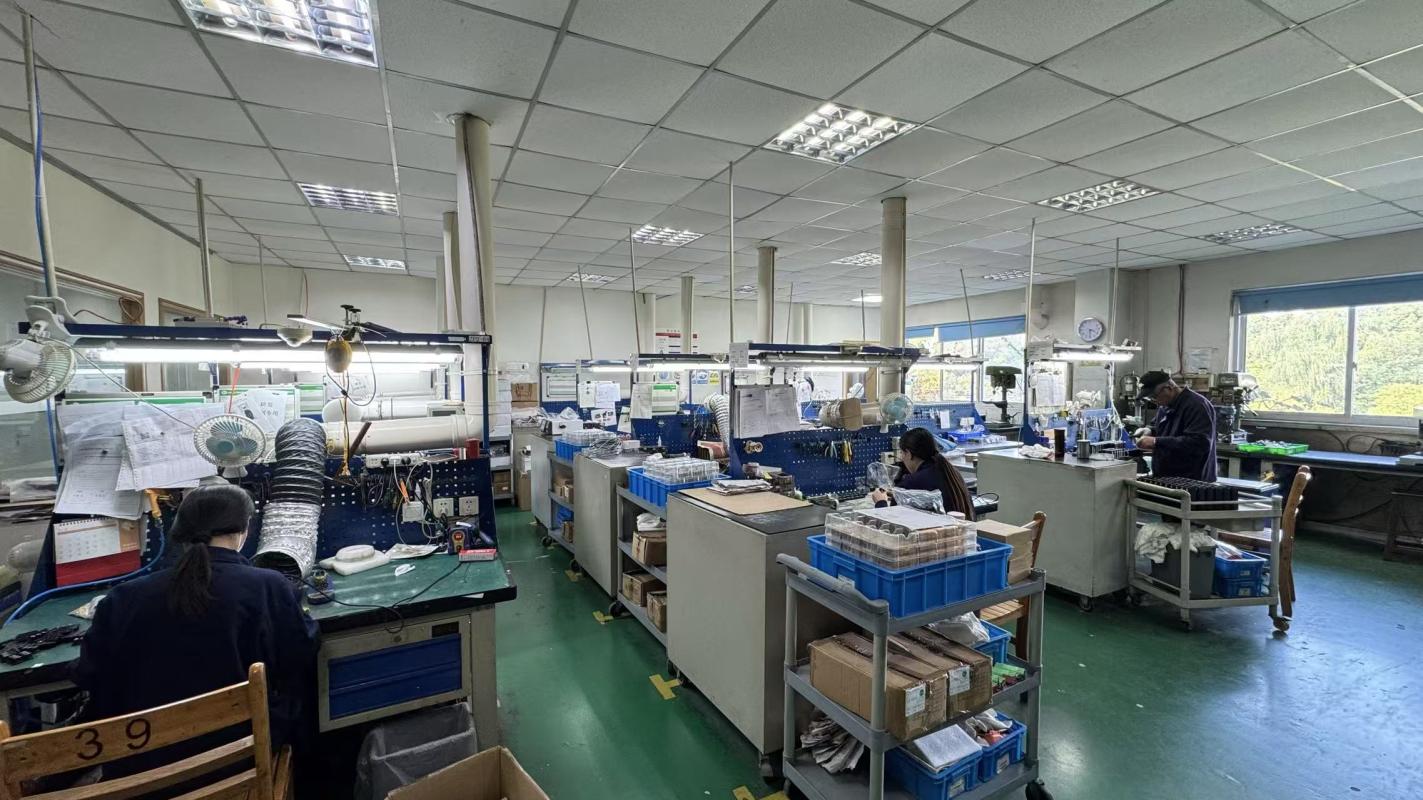
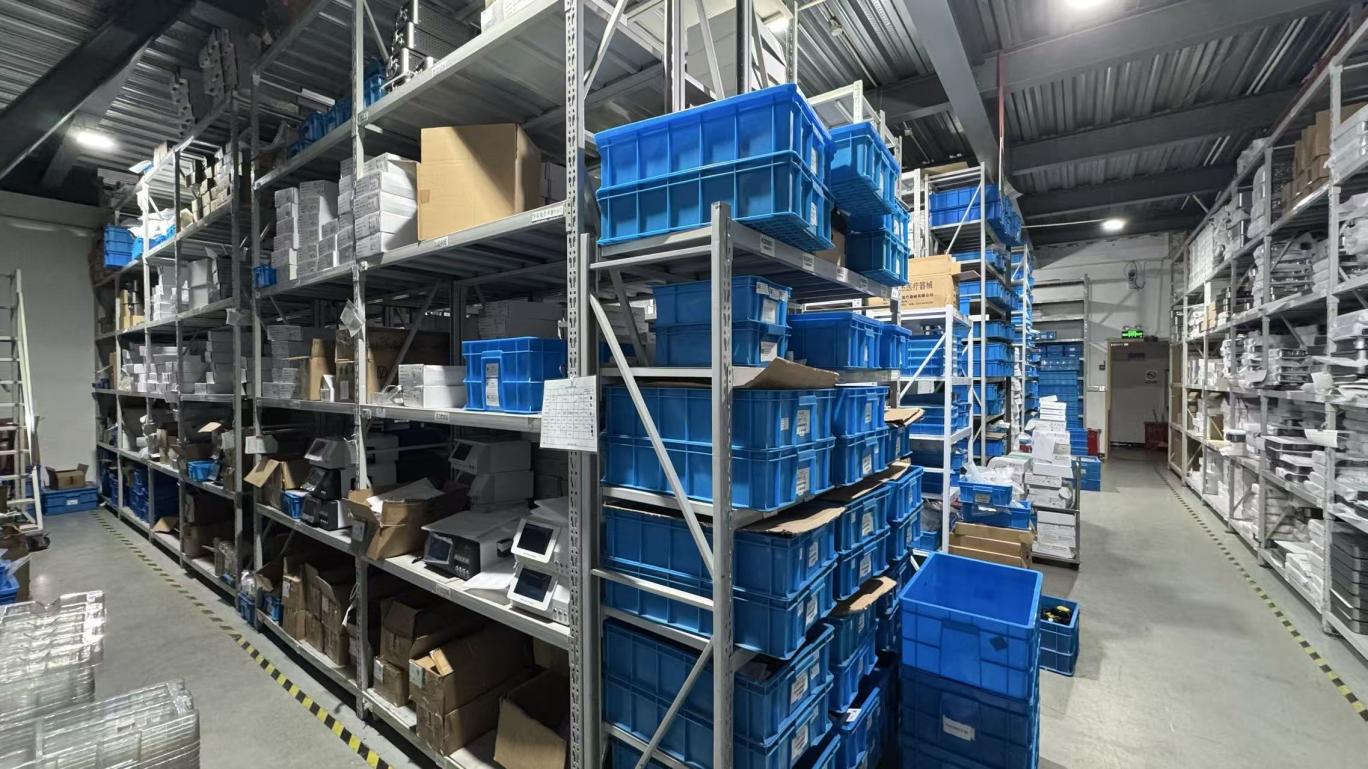
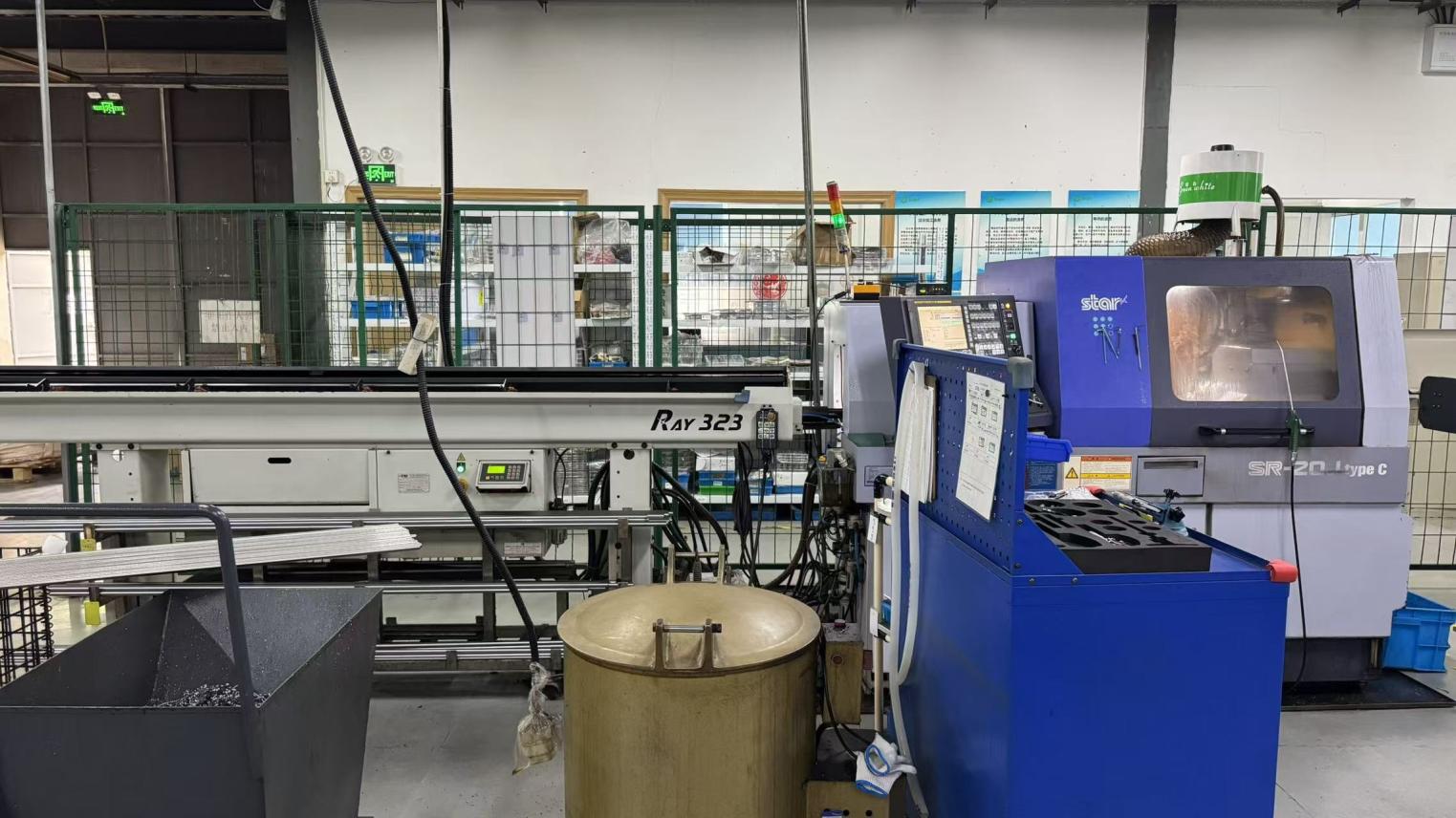
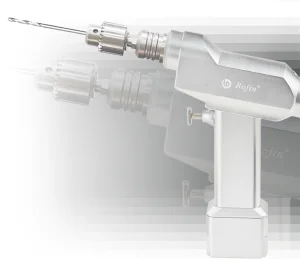
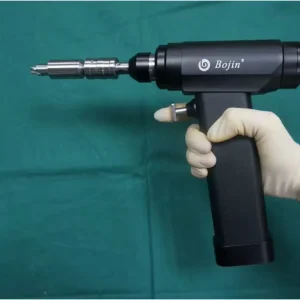
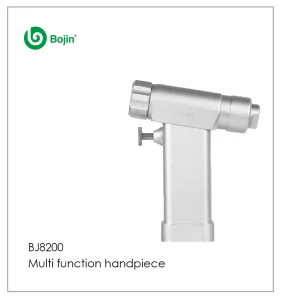
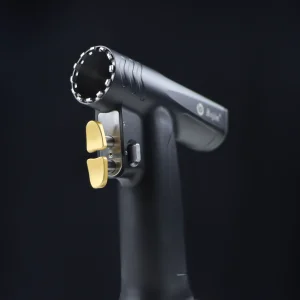
Images represent the specialized assembly line, precision CNC workstations, inspection systems, and cleanrooms within our manufacturing plant.
 BD Medical