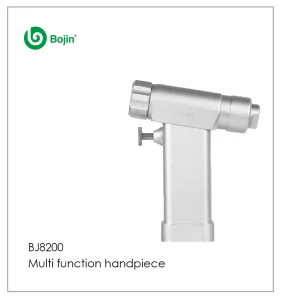
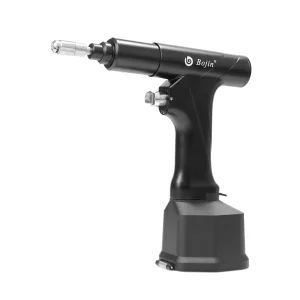
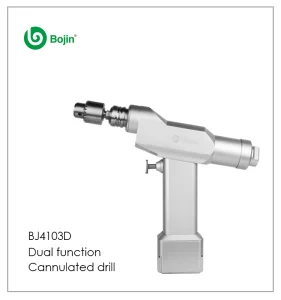
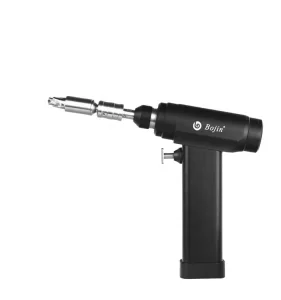
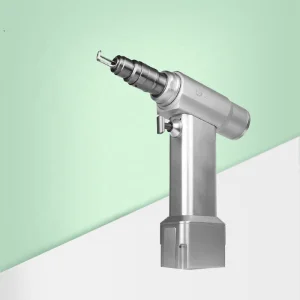
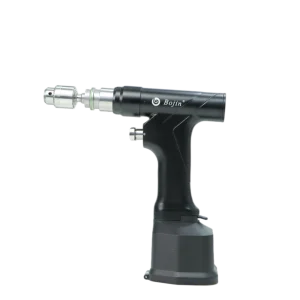
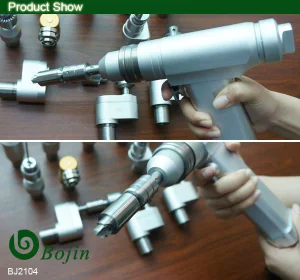
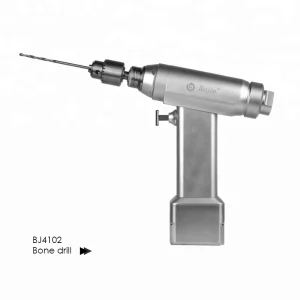
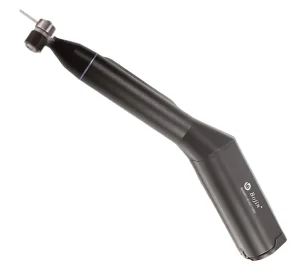
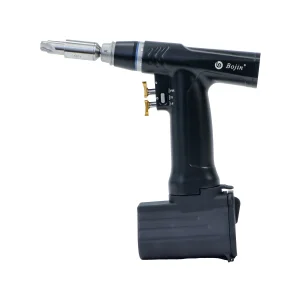
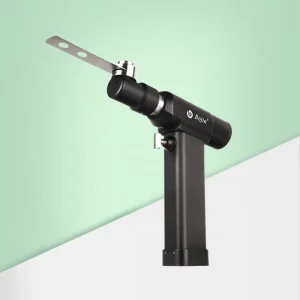
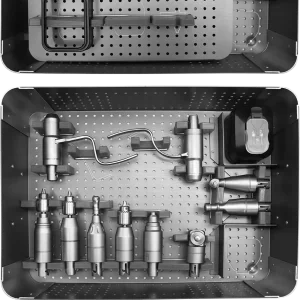
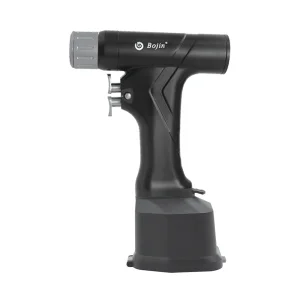
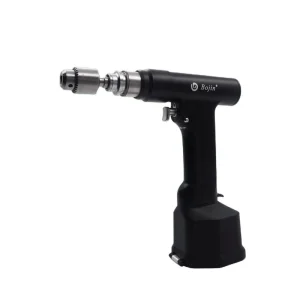
Explore our foundational range of heavy-duty cranial drills, small bone orthopedic power systems, and high-capacity battery units designed for intense trauma operations.
Autoclave Sterilizable Pack Compatibility
Super Rapid Charger Docks Cycle
Surgical Tools Equipped Globally
EMI & ESD Medical Protection
In modern hospital operating rooms (ORs), emergency trauma units, and field hospitals, the performance of motorized bone drills, cranial burs, and reciprocating saws hinges completely on the safety, reliability, and continuous output of their underlying power system. When purchasing portable chargers for medical surgical tools, global healthcare procurement departments, medical device OEMs, and orthopedic product exporters face complex supply chain dynamics. Unlike consumer-grade power stations, medical-grade battery packs and charger docks must support intense sterilization procedures (typically autoclaving up to 135°C), prevent thermal runaway, and offer instantaneous current outputs to power high-torque German brushless motors under dense bone resistance.
Currently, there is a distinct market demand shift toward integrated B2B power management systems. Major orthopedic hospital chains are moving away from proprietary, single-tool chargers to unified multi-slot portable charging stations capable of charging varying capacities of Ni-MH, Li-ion, and LFP tool batteries simultaneously. Exporters from China must cater to these regulatory mandates and strict environmental standards while ensuring cost-efficiency.
Batteries and charger interfaces must withstand intensive chemical sterilization or high-pressure steam autoclaving cycles without loss of electrical conductivity.
Modern hospital networks require unified charger hubs that safely manage drill batteries, cranial saw packs, and custom orthopedics tools on a single platform.
Intelligent microprocessors built into the chargers must evaluate battery cell health, cycle counts, and thermal anomalies before during, and after surgery.
Our comprehensive framework offers an industry-leading response to the modern hospital’s push for green, zero-downtime surgical environments. Traditional tools utilize external power cords connected directly to wall consoles, presenting physical tripping hazards in tight OR spaces and limiting surgeon mobility. The implementation of high-capacity, rechargeable lithium-ion battery modules coupled with sterile-pack portable chargers eliminates these bottlenecks entirely.
By designing chargers with automated voltage matching and temperature sensing, we help manufacturers of medical tool systems scale their products to remote military clinics, emergency rescue operations, and standard public hospitals. Our technology mitigates risks related to standard power grid failure by equipping the charging docks with external DC-input compatibility, permitting power from localized solar micro-grids, ambulance power outlets, or heavy-duty generator back-ups.
Our portable charging stations utilize advanced pulse-charging methodologies to restore battery capacity rapidly without building internal dendrites in lithium cells. This directly extends the service lifespan of orthopedic power tools by up to 40%. The system continuously communicates via SMBus protocols to verify that the connected tool's power pack is balanced and running within safe operational tolerances.
As we look toward the horizon of surgical intervention technologies, wireless energy transfer (inductive charging) inside sterilized storage trays represents the next paradigm shift. By removing exposed physical copper pins from chargers and battery packs, we completely eradicate any chance of contact corrosion, oxidation during autoclaving, or potential electrical short-circuiting caused by saline fluid ingress.
Furthermore, integrating AI-driven battery analytics directly into B2B tool chargers allows maintenance technicians to dynamically track when a battery is reaching the end of its reliable lifespan, replacing it before it experiences capacity drops during a critical surgical cut.
| Technology Phase | Charging Protocol | Autoclave Cycle Resiliency | Major B2B Application |
|---|---|---|---|
| Generation I (Current) | Constant Current / Constant Voltage (CC/CV) wired contact docks | Up to 250 steam autoclave cycles at 134°C | Orthopedic Bone Drills & Cranial Bur Systems |
| Generation II (Mid-term Transition) | Enclosed Smart Magnetic Contact Charging with SMBus Diagnostics | 500+ sterilization and high-heat drying runs | Universal Joint Surgery Power Tools & Trauma Saws |
| Generation III (Future Horizon) | Resonant Wireless charging trays integrated into sterilization containers | Indefinite lifetime due to seamless hermetic sealing | Micro-surgical power tools and robotic surgical handpieces |
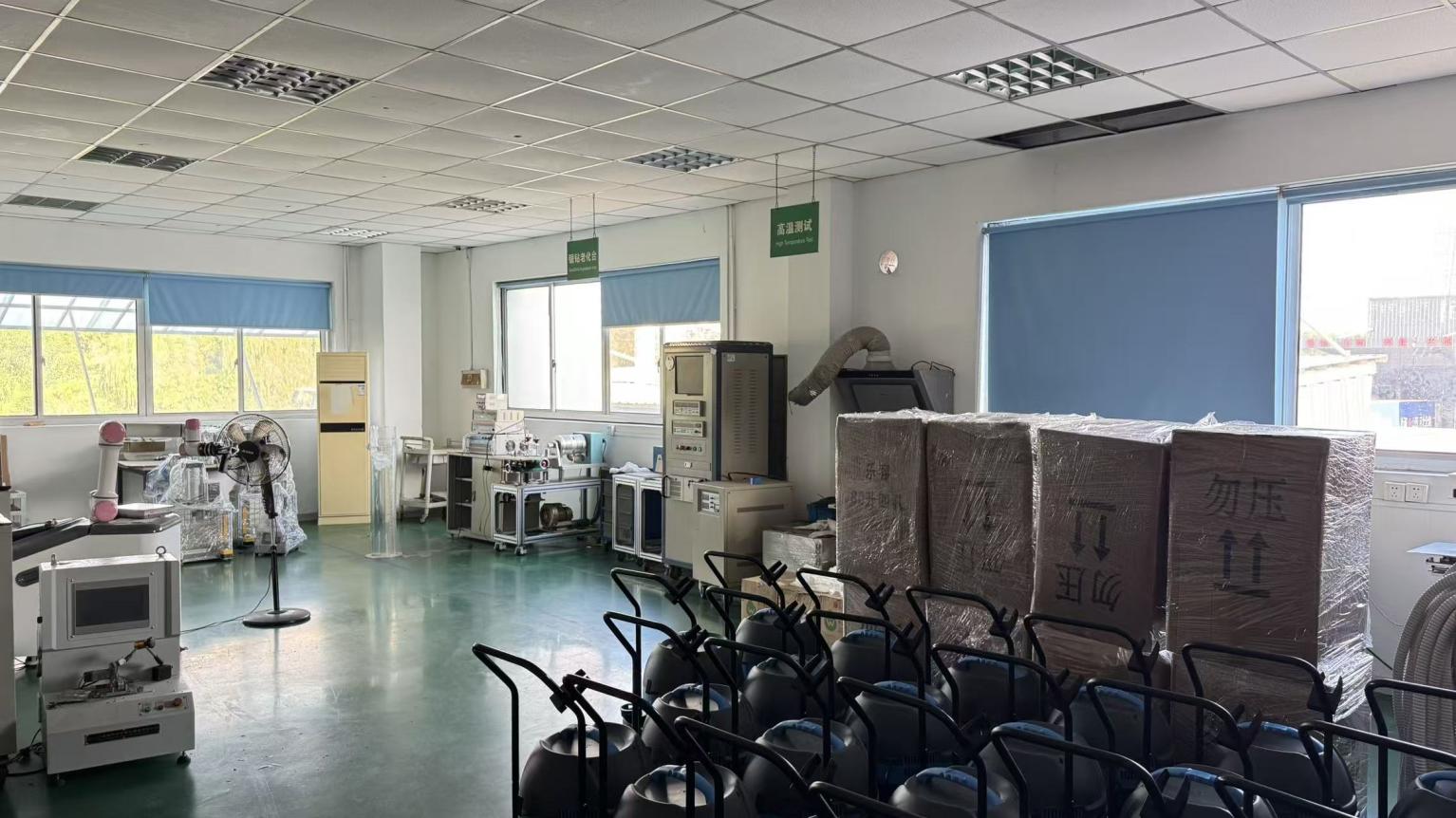
Take a closer look at our certified assembly lines, testing chambers, and precision diagnostic operations where we fabricate high-stability medical drills and battery chargers.
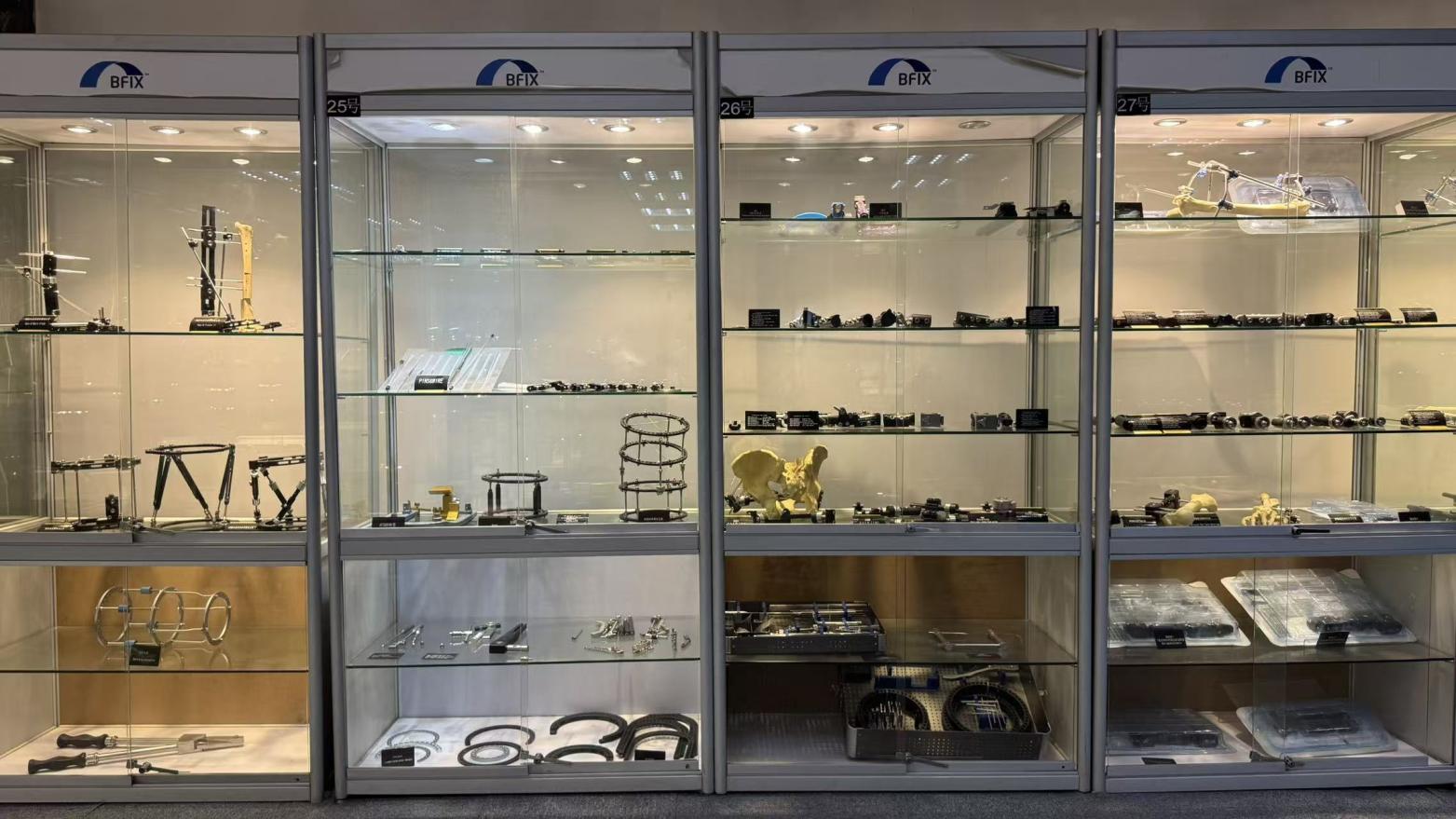
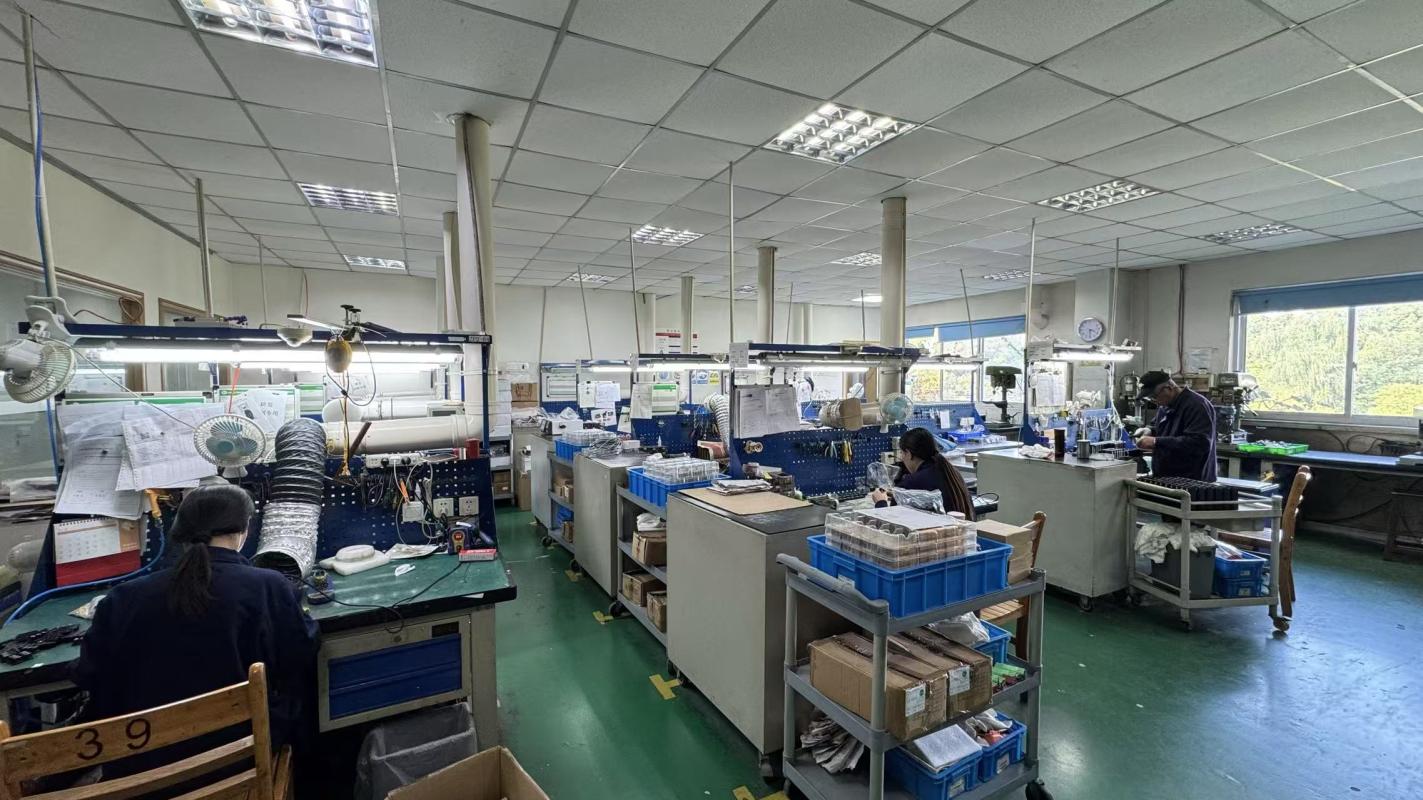
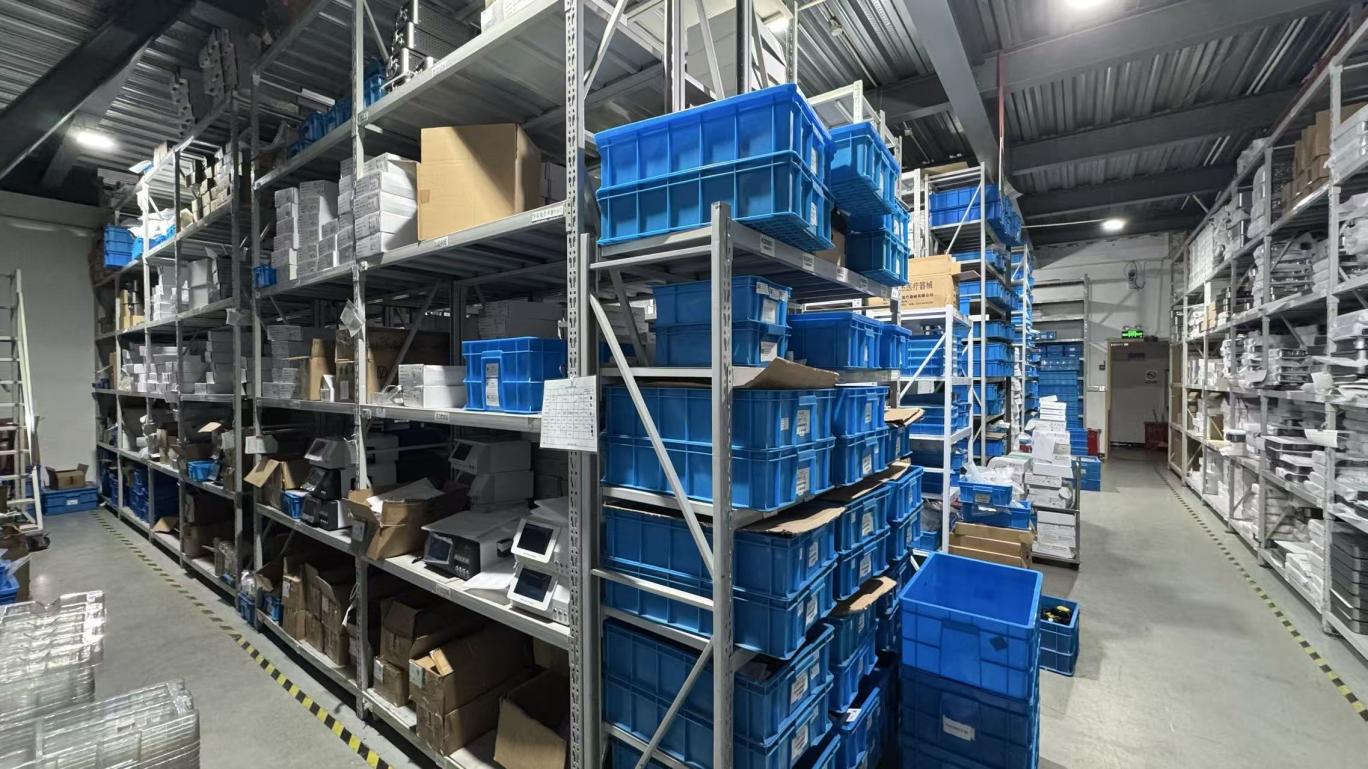
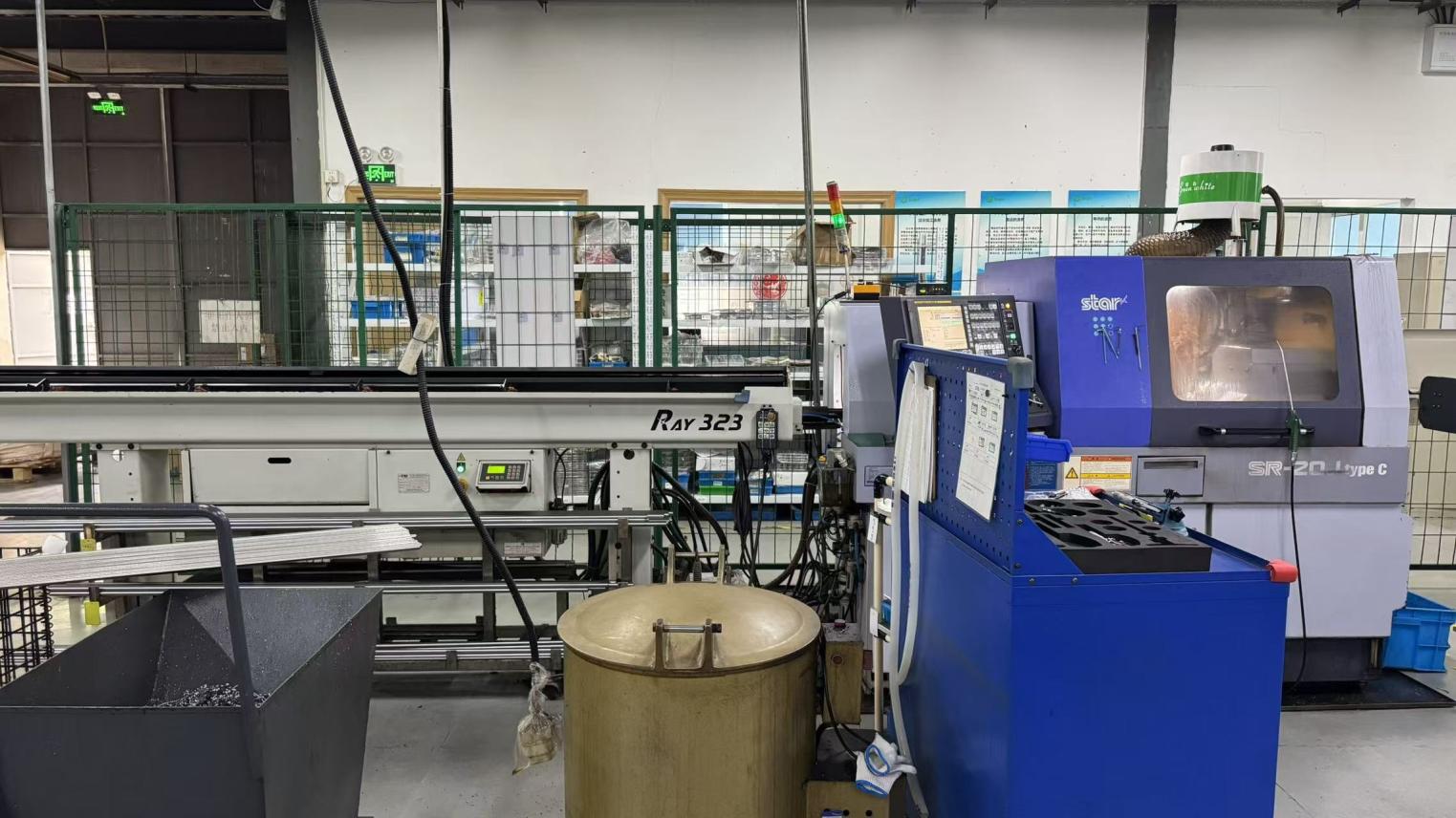
Operating within international markets requires meticulous adherence to national medical device directories. When distributing products in the European Union, the United States, or developing Asian-Pacific regions, securing ISO 13485 (Medical Devices Quality Management System) and IEC 60601 (General Requirements for Basic Safety and Essential Performance of Medical Electrical Equipment) is non-negotiable.
These regulatory guidelines protect the patient from electromagnetic interference and leakage current during surgical operation. Our production plant guarantees that every device, component, and charger output adheres strictly to these parameters, enabling smooth customs clearance and hospital administration approval.


Crucial engineering and procurement answers regarding safety certifications, autoclave resilience, and battery charger compatibility.
Our advanced lithium-ion battery packs are engineered with high-grade hermetic seals that isolate internal lithium-ion chemistry. They generally withstand 300 to 500 steam autoclaving cycles under typical standard parameters (134°C for 5-8 minutes) before showing any signs of capacity degradation.
Yes. Our medical charging systems support wide-range inputs of 100V to 240V AC at 50/60 Hz. This guarantees safe operations worldwide, in standard European grids, North American hospital outlets, and emergency diesel generator systems in field environments.
Absolutely. As a top-tier Chinese medical tool and charger supplier, we provide custom adapter bays, proprietary connector pins, and modified control boards matching standard international systems like Stryker, Synthes, ConMed, and Bojin handpieces.
IEC 60601-1 focuses specifically on the safety of medical electrical systems. Having this compliance verification ensures that the portable chargers are structurally isolated to prevent high electrical leakage currents, keeping both surgeons and patients safe from electrostatic shock during operations.
Complete your surgical suite with high-speed micro-oscillating saws, acetabular reamers, and custom adapter components engineered for trauma clinics.
 BD Medical