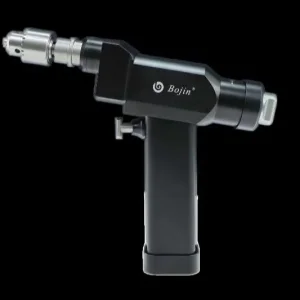
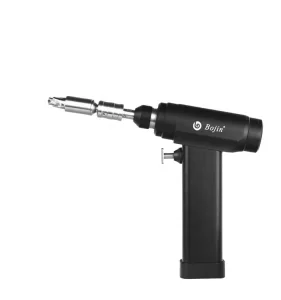
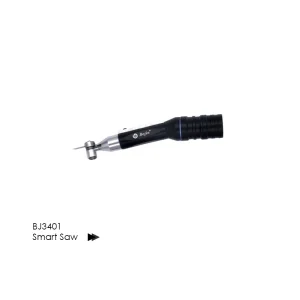
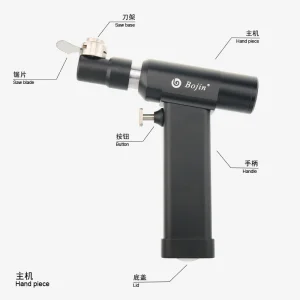
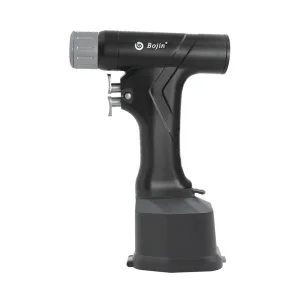
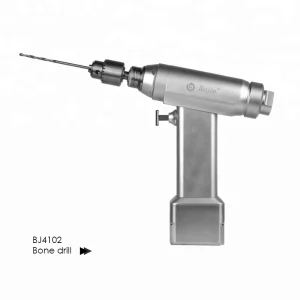
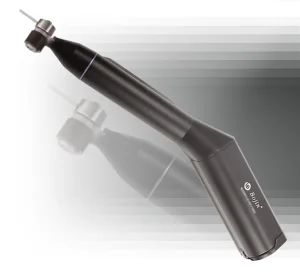
High-performance medical attachments engineered for orthopedic trauma, neurosurgery, maxillofacial reconstruction, and dental surgeries.
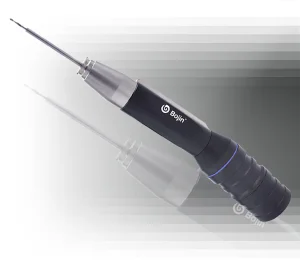
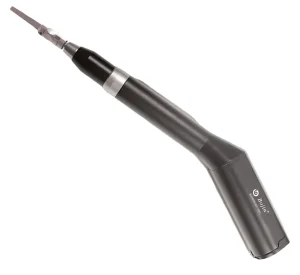
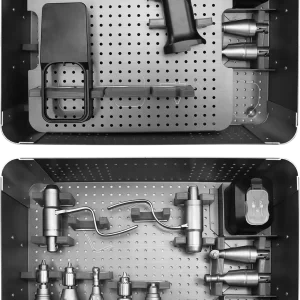
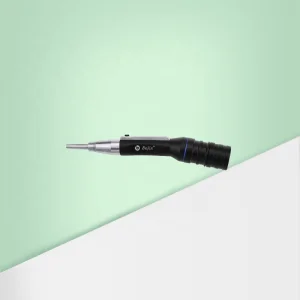
In the high-stakes arena of modern surgery, the power tool accessories market has undergone a significant paradigm shift. Historically, surgical power instruments were bulky, pneumatic, and lacked modular adaptability. Today, the demands of minimally invasive surgery (MIS), microsurgeries, and rapid trauma responses have necessitated a transition towards highly specialized, battery-driven, and autoclavable medical tool attachments.
As a premier OEM/ODM power tool accessories manufacturer, our mission lies at the intersection of metallurgy, ergonomic design, and electronic integration. Dynamic surgical attachments—including high-precision sagittal saws, reciprocating saws, and self-stopping cranial drills—require sub-millimeter concentricity and dynamic balancing. Medical professionals demand components that can survive harsh sterilization routines (up to 135°C autoclaving and chemical washes) without mechanical degradation or loss of structural integrity.
The transition from generic hardware to specialized surgical attachments is driven by three main factors:
Global hospital systems are actively standardizing on modular power hubs where a single handpiece operates multiple accessories—reductive drill chucks, high-torque reamers, cranial burs, and mini sagittal saws—thereby lowering Capex while boosting clinical flexibility.
Understanding the technical and regulatory parameters that guide hospital groups, medical device distributors, and orthopedic equipment brands.
Procuring surgical medical accessories requires strict adherence to international regulatory landscapes. Products must be produced within ISO 13485 certified facilities. Furthermore, complying with IEC 60601 electrical and thermal safety parameters ensures that tools operate without generating unsafe heat profiles during delicate cranial or orthopedic reaming operations.
Distributors seek versatile solutions. An OEM partner must offer multiple quick-coupling interfaces (e.g., AO, Hudson, Stryker, or Synthes-style connections) that easily snap onto modular handpieces. Universal connectivity minimizes the spatial footprints of sterilization trays and speeds up setup in intensive operating rooms.
Autoclave chambers expose instruments to extreme moisture, pressure, and temperature. Low-grade tooling corrodes, degrades internal gearboxes, and leads to runtime failures. B2B buyers mandate biocompatible materials like PEEK, titanium alloys, and high-nitrogen stainless steel (e.g., SUS 440C or 316L) to guarantee years of reliable use.
Purchasing agents cannot compromise on regulatory documentation. Our manufacturing pipelines are completely audited and conform directly to the following global systems:


How advanced digital production ecosystems control quality tolerances, keep pricing competitive, and guarantee on-time shipping.
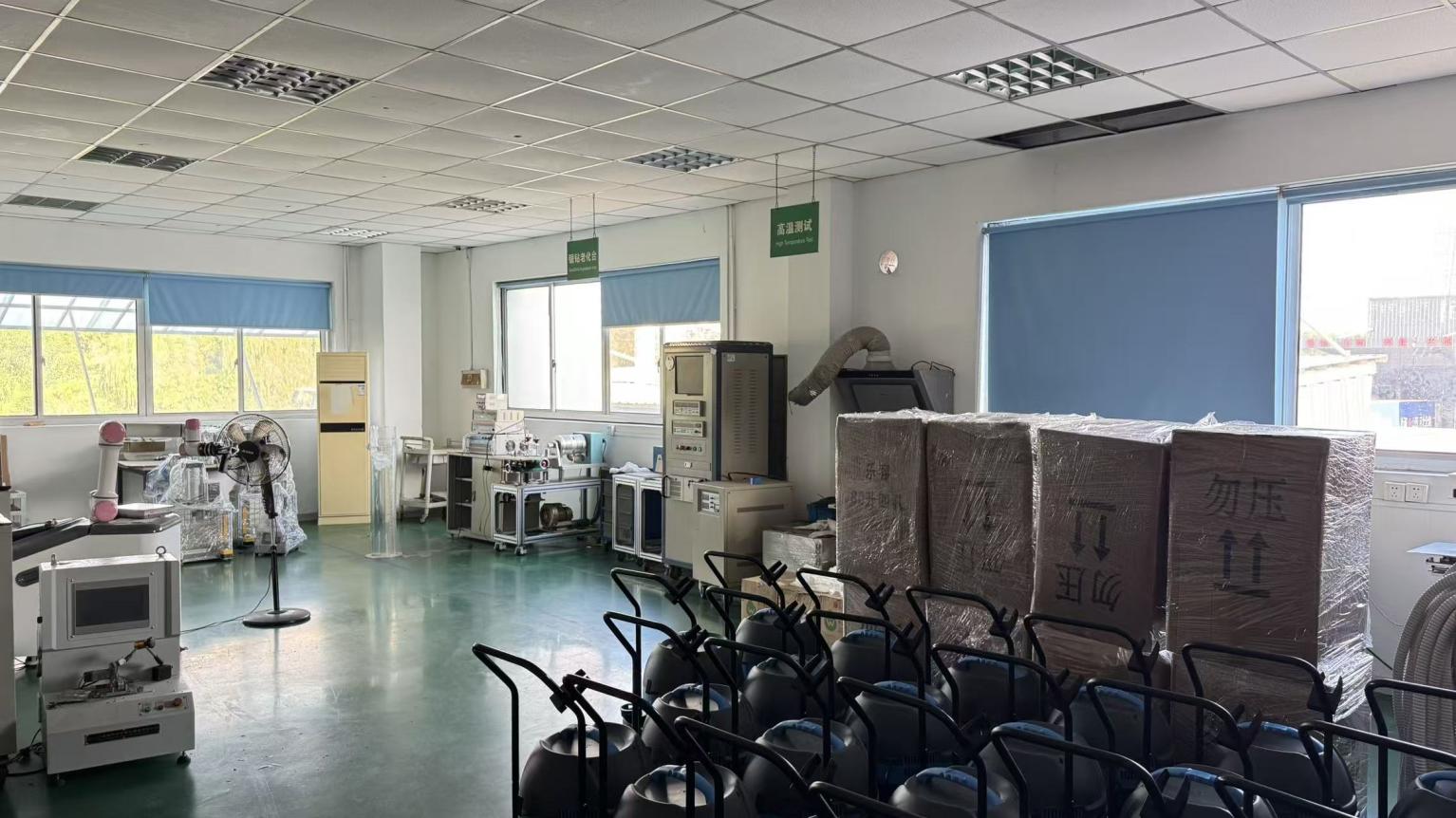
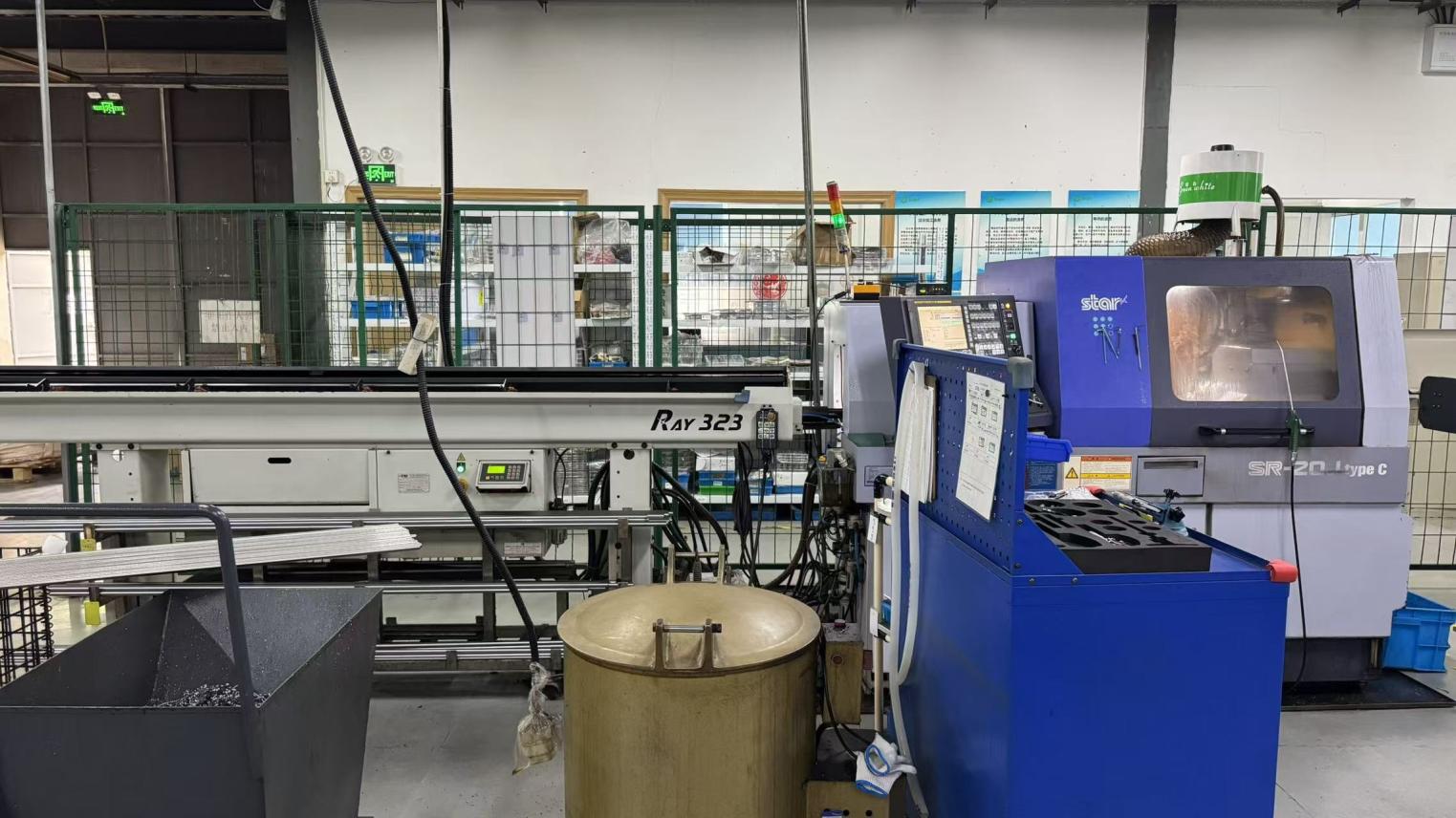
Figure 1: Automated CNC arrays producing surgical tool gear assemblies and coupling drives.
By leveraging Industry 4.0 paradigms, our production lines utilize multi-axis CNC machines and automated testing cells. For surgical power tool accessories, tolerances of a few microns determine whether a drill operates with low vibration or risks osteonecrosis due to friction heat. Automated grinding and polishing systems yield surface finishes that prevent bacterial adhesion, simplifying cleaning processes in hospitals.
Furthermore, digital twin testing simulates structural stress on oscillating saw blades and reciprocating accessories. By identifying shear stress limits prior to physical manufacturing, we decrease development times for custom OEM orders down to mere weeks.
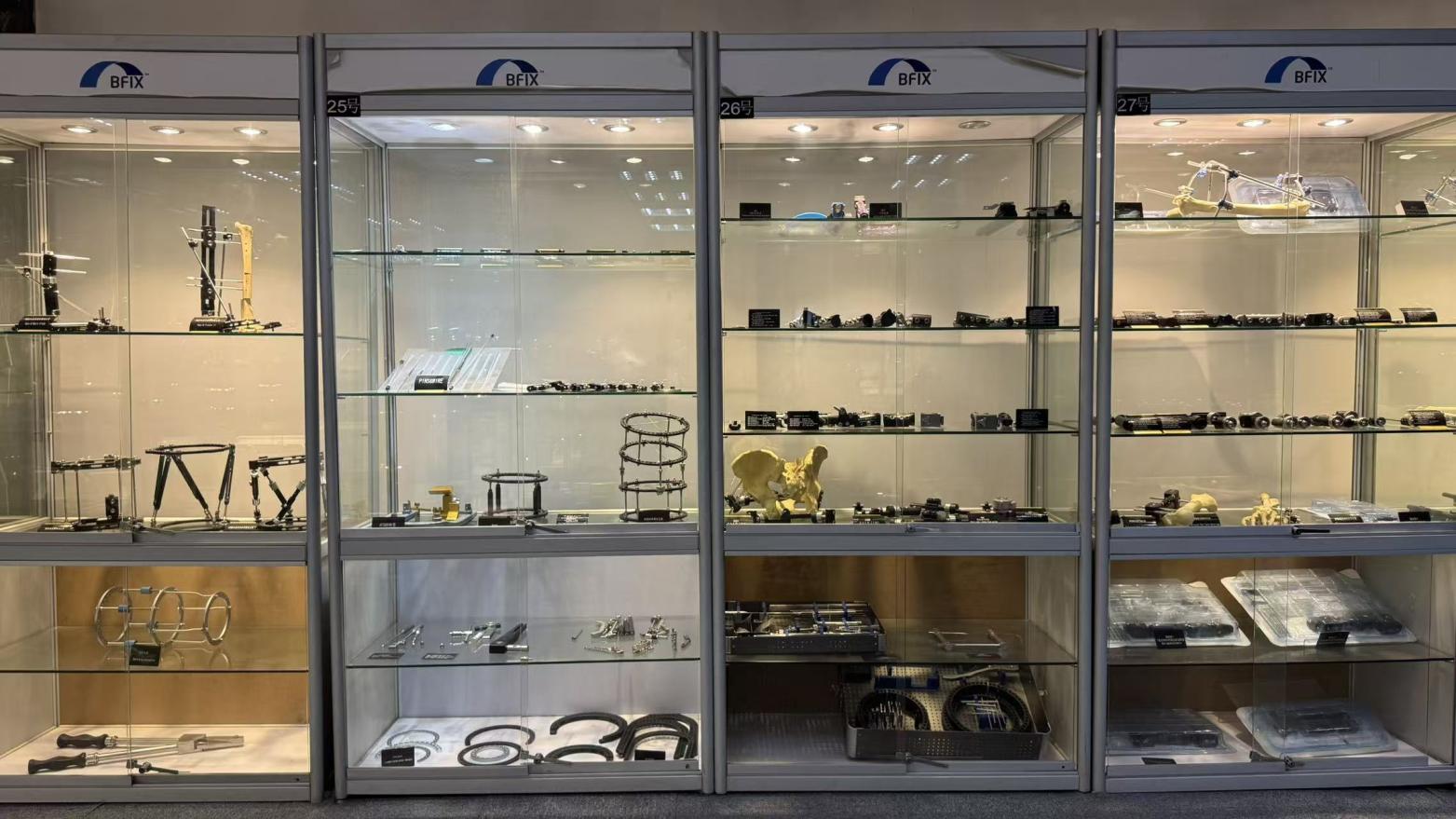
Figure 2: Comprehensive quality assurance testing for vibration, speed profiles, and motor insulation.
Every single batch of surgical drills, sagittal saws, and cranial burs undergoes severe lifecycle testing. We simulate real operating room environments using cleanroom assemblies. Our QA protocols include:
Matching specialized OEM accessories to the strict needs of various surgical departments.
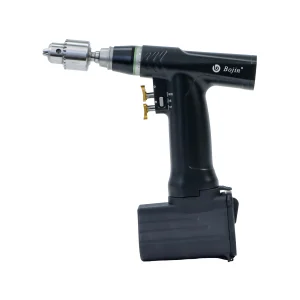
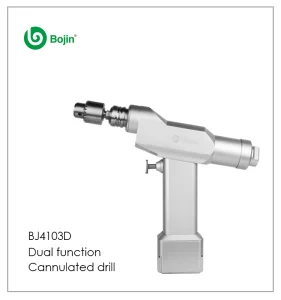
Trauma centers require robust tools capable of piercing thick cortical bone. High-torque systems, such as the BJ1303B Cannulated Drill, feature a hollow shaft that allows K-wires and guidepins to pass through smoothly. This design enables surgeons to insert screws and intramedullary nails with precision under real-time fluoroscopic imaging.
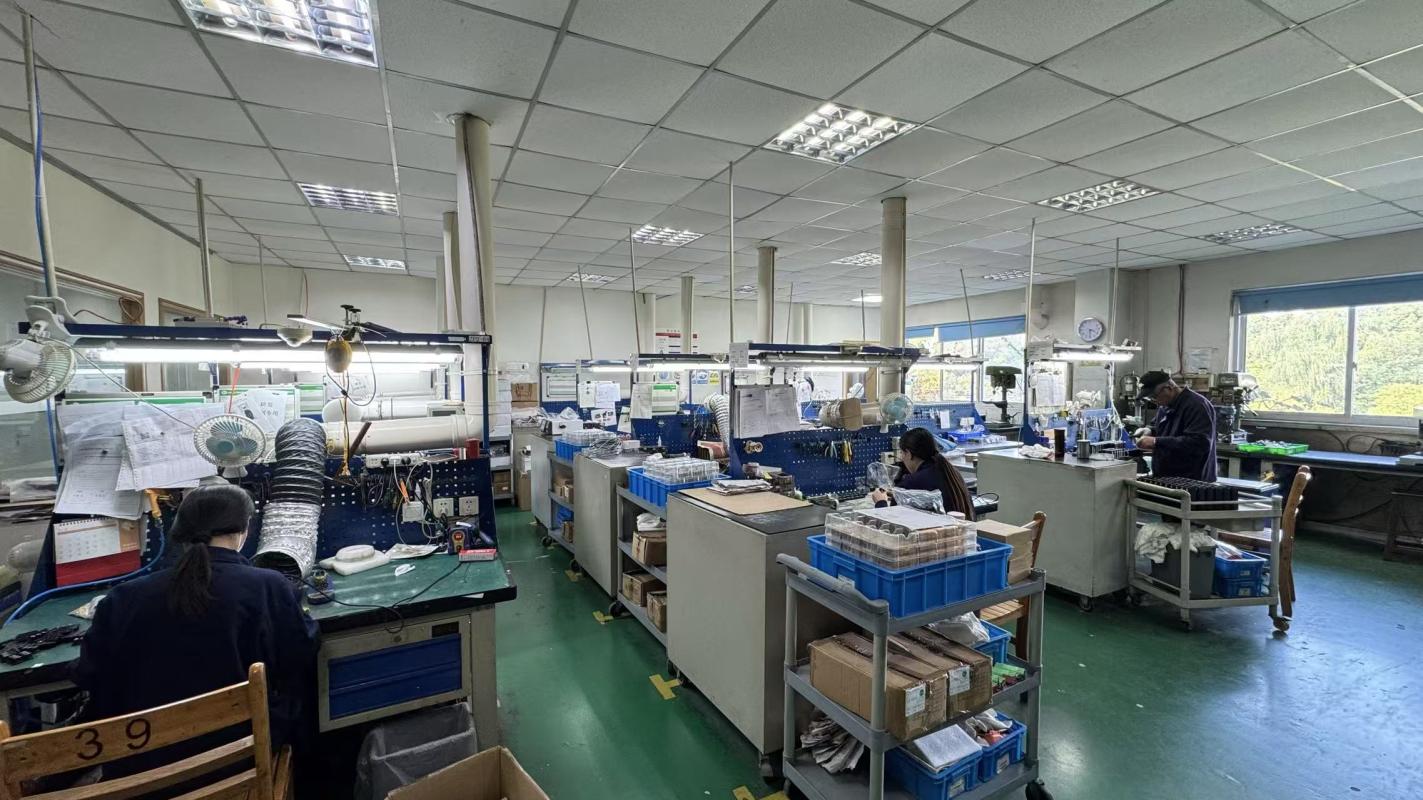
Craniotomies require absolute precision. Standard drills can damage soft brain tissue when crossing through the skull. Our high-precision self-stop cranial drills feature automatic clutch systems that stop the drill bit instantly when they contact soft tissue. This safety feature minimizes surgical risks and gives clinical teams peace of mind.
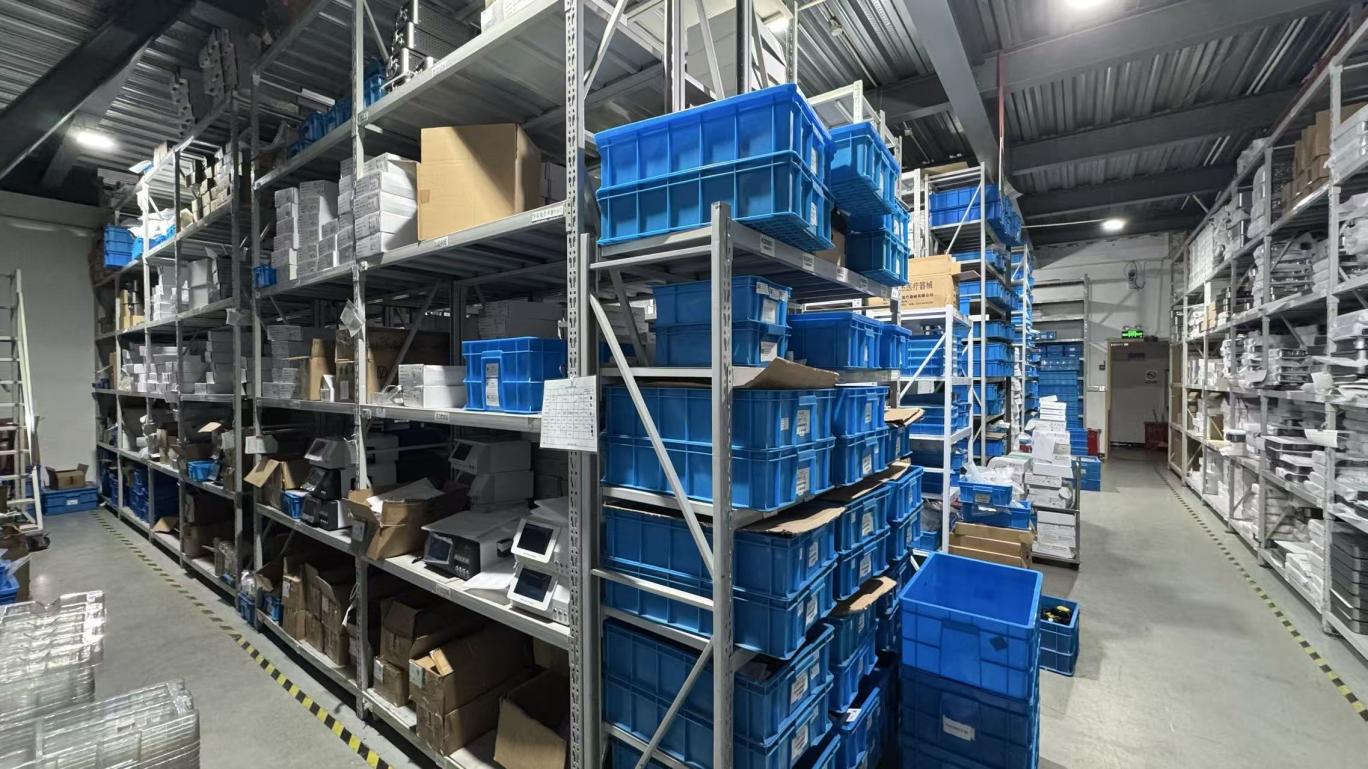
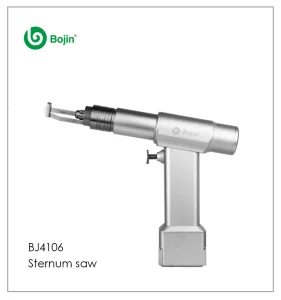
Accessing the heart during open cardiac surgeries requires quick and clean sternal cutting. Heavy-duty tools like the BJ1108 Sternum Overhaul Saw are built for rapid oscillating cuts, slicing through bone cleanly without fragmenting the sternum. Reliable waterproofing protects internal electronics from bodily fluids, ensuring uninterrupted operation.
The metallurgical decisions and internal designs that differentiate clinical tools from standard power gear assemblies.
Surgical instruments must be biostable to avoid sparking immune responses. We utilize 440C stainless steel for cutting edges, providing hardness and corrosion resistance, while 316L and Ti-6Al-4V titanium form the housings and structural components, reducing fatigue during long procedures.
Our premium units feature imported German brushless DC motors. These motors maintain high torque even at low speeds and do not require carbon brushes, which eliminates friction wear and carbon dust. This design extends the lifespan of our tools compared to traditional motors.
By using compact planetary gearheads, we achieve gear reduction ratios that allow surgeons to switch handpieces from high-speed drilling modes (up to 1,200 RPM) to high-torque reaming modes (ideal for acetabular preparation in hip replacements).
Detailed answers regarding OEM capabilities, technical specs, regulatory compliance, and logistics.
Explore our surgical power tools, designed for osteotomies, reconstructive surgeries, and cranial access.
 BD Medical