Advanced Clinical Instrumentation Configured for High-Accuracy Orthopedic & Cranial Access
In modern clinical environments, surgical power tools have evolved from simple mechanical bone cutting devices into highly integrated, ergonomic, and sterile motor workstations. Global healthcare facilities require surgical workstations that deliver continuous duty, variable-speed precision control, and autoclave safety profiles (such as 134°C sterilization compatibility). This transformation is driven by the rise of minimally invasive surgeries (MIS) and micro-surgical applications, which necessitate specialized motors operating in low-vibration environments.
From high-speed neurosurgical cranial access to heavy-duty orthopedic trauma reconstructions, the versatility of surgical power tools directly impacts patient outcomes. The global medical market expects tools to incorporate brushless DC motors, lithium-ion quick-charge battery systems, and self-stopping safety clutches. As surgical complexities mount, modern trauma suites and ambulatory clinics are looking to source CE-certified modular platforms that reduce instrumentation footprint while maximizing application diversity across joint replacement, neurosurgery, and maxillofacial reconstruction.
Autoclave Sterilization Limit
RPM Micro Driver Speeds
Biocompatible Alloys
Global Medical Certification
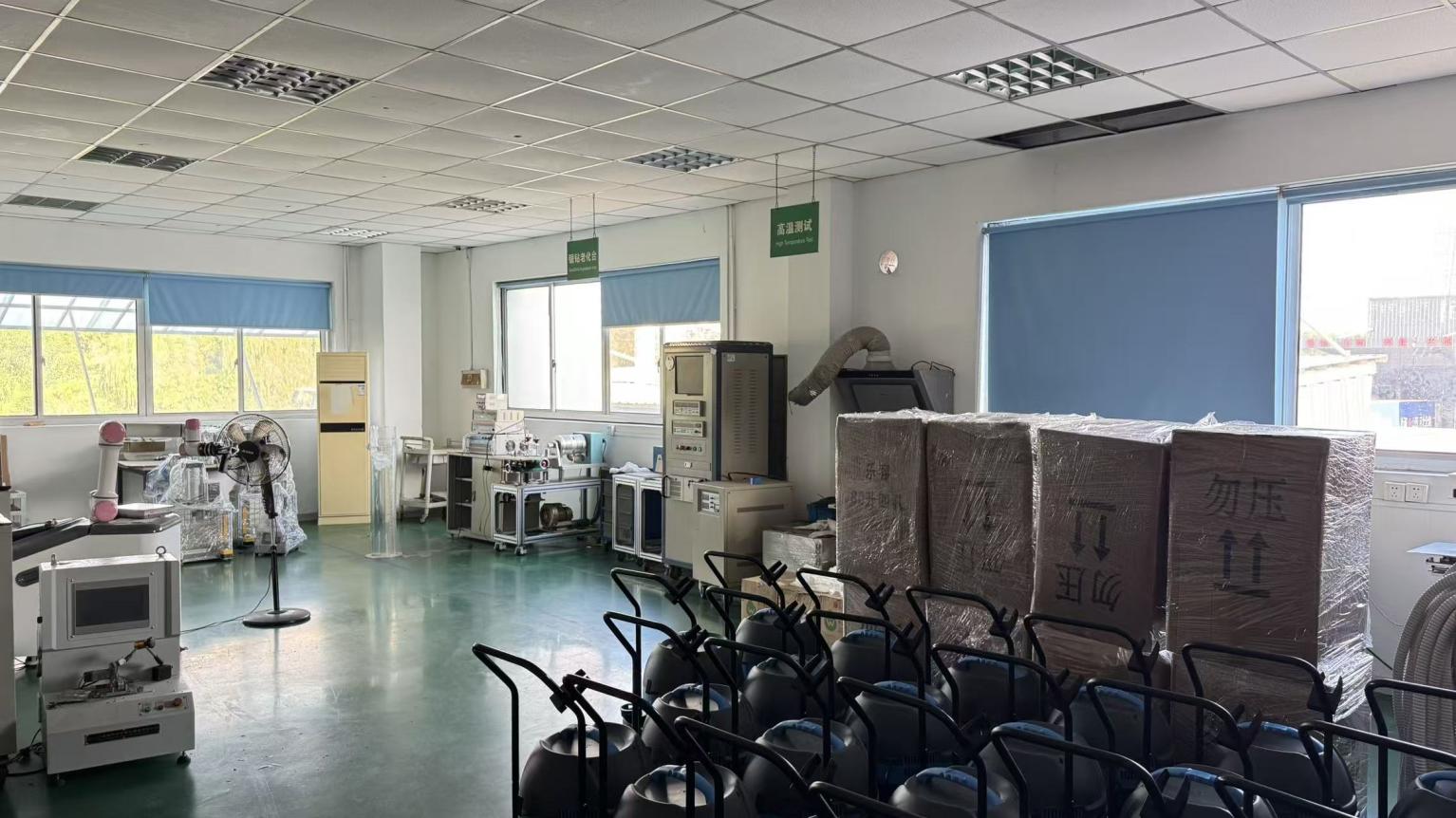
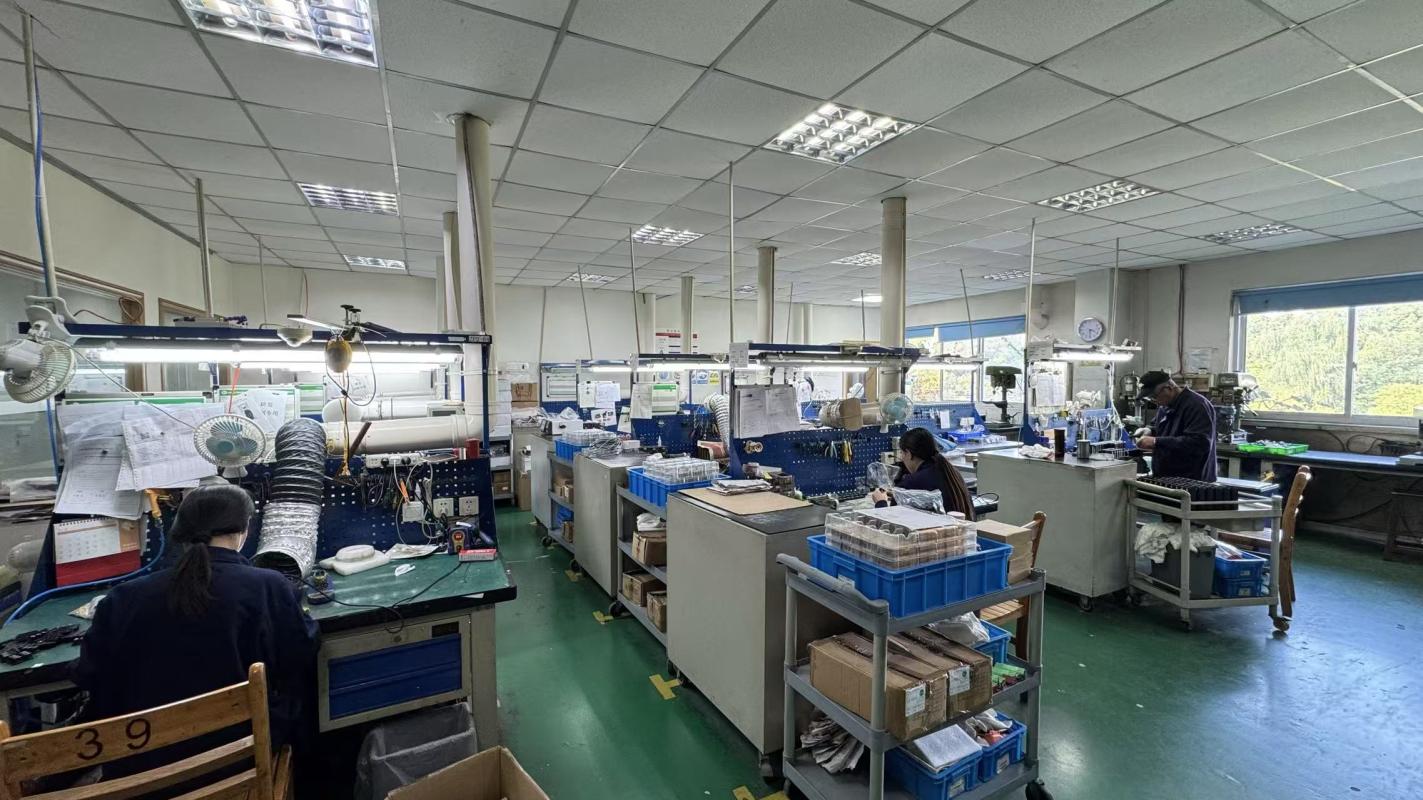
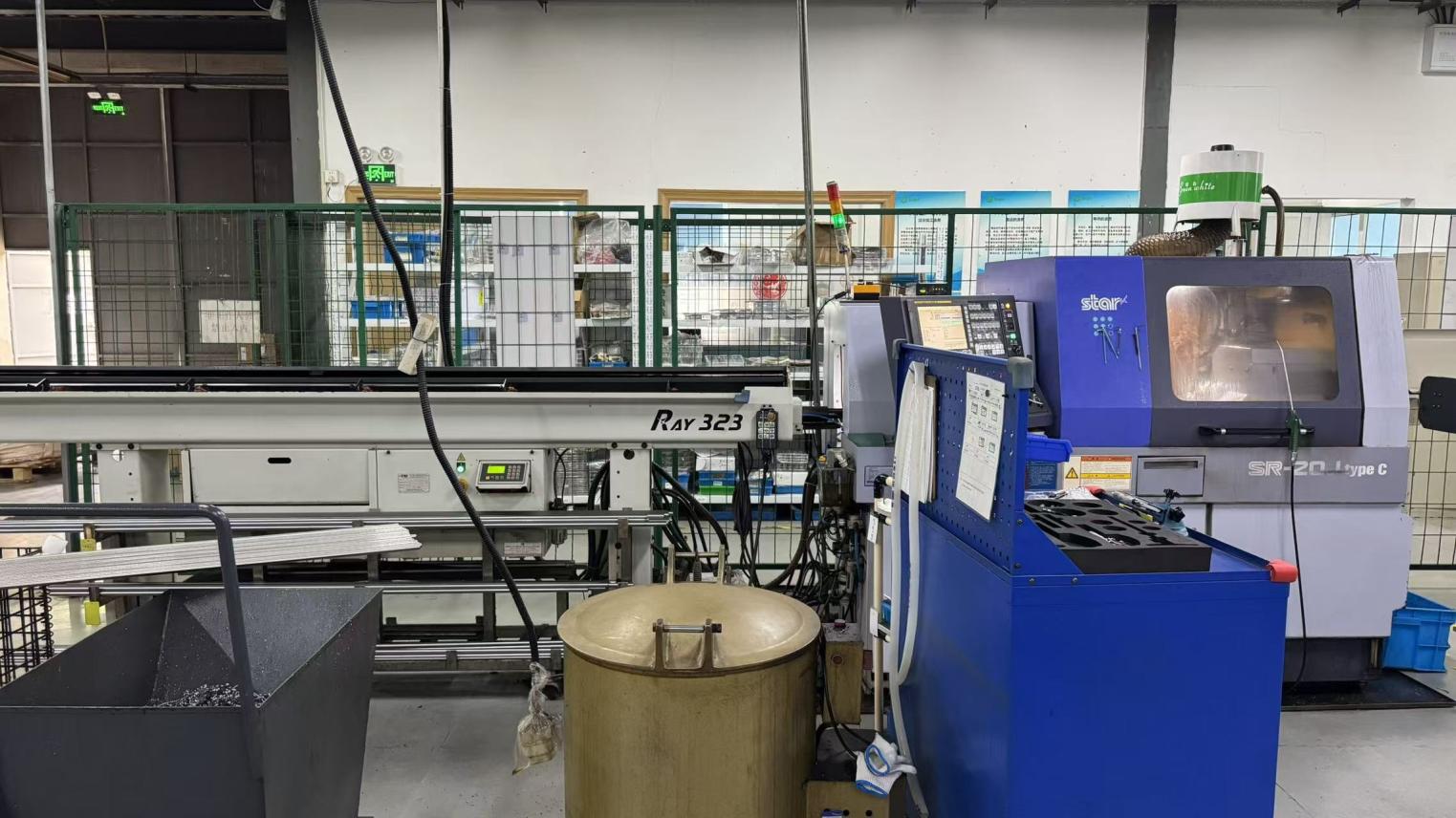
China's medical manufacturing sector has transitioned from assembly-focused operations to a state-of-the-art engineering hub, integrating advanced CNC machining, precision gear hobbing, and automated quality testing. Leveraging complete industrial supply chains, Chinese medical factories produce high-precision devices that match or exceed Western standard equivalents while offering optimized procurement costs. Our facilities implement strict cleanroom controls (Class 100,000 equivalent) to manufacture critical components, guaranteeing the absence of particulate contamination during surgical use.
To assure extreme reliability and longevity under rigorous sterilization cycles, our premier devices, such as the System 4000 series, utilize high-performance, German-engineered motors. Combining European motor design with local manufacturing efficiencies creates an ideal balance of durability and commercial viability.
Our operational processes comply with global medical device standards. Every workstation batch undergoes multi-phase dynamic verification testing, verifying rotational stability, thermal output, electromagnetic shielding, and moisture ingress protection.
Surgical power tools generate electrical, mechanical, and thermal energies. Compliant systems must align with IEC 60601-1 standards to protect patients and clinical staff against leakage currents, electromagnetic interference (EMI), and potential mechanical failures in high-oxygen environments. Our certified equipment undergoes extensive test validation under these strict frameworks, guaranteeing safe operation in critical surgical setups.

Defines the strict Quality Management System (QMS) requirements specifically for medical device manufacturing.

Demonstrates compliance with medical electrical equipment safety regulations and electromagnetic compatibility.
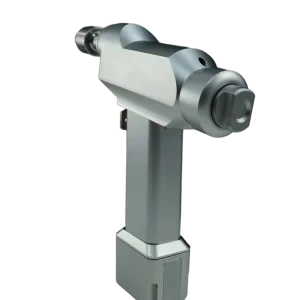
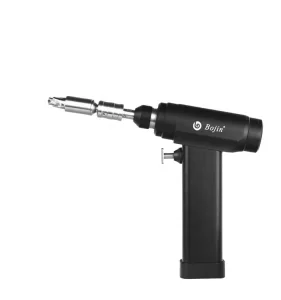
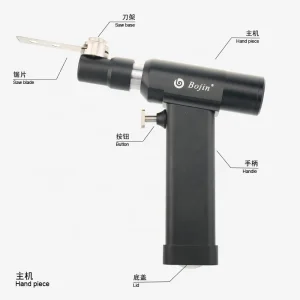
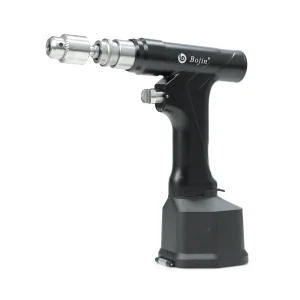
Our modular surgical workstation systems and power drills are engineered to perform across distinct surgical disciplines, each requiring custom speed ranges, torque vectors, and attachments:
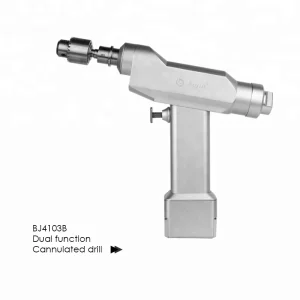
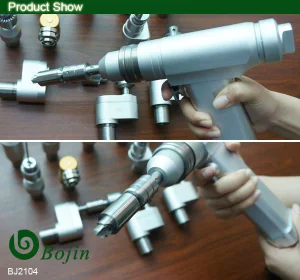
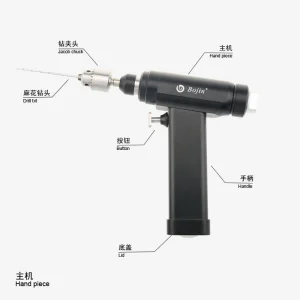
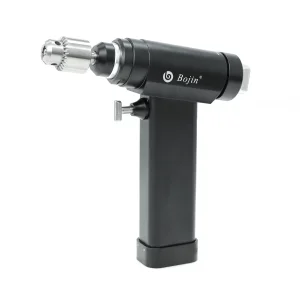
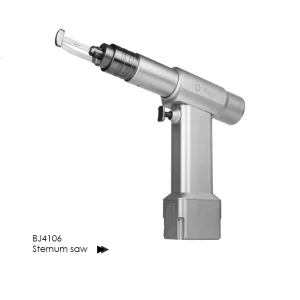
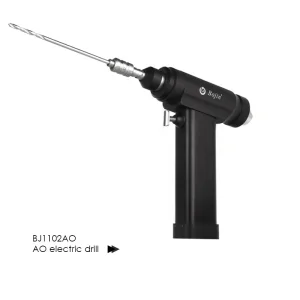
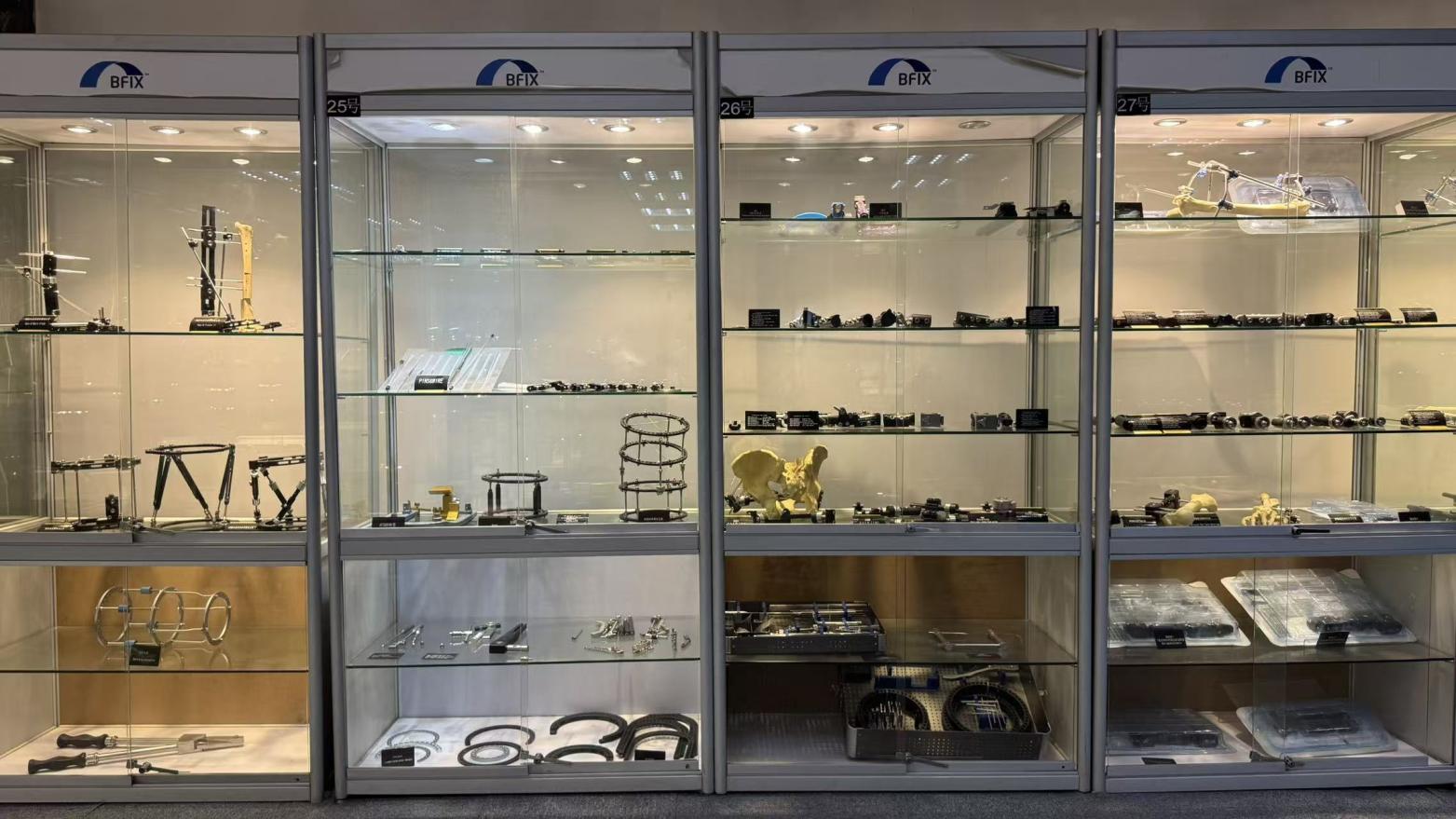
Cannulated drills like the BJ4103B are essential for inserting guide wires, intramedullary nails, and cannulated screws. They feature hollow inner shafts allowing precise insertion along guiding K-wires. High-torque sagittal and sternum saws execute planar bone resections during total knee and hip arthroplasties.
Cranial access demands safety features to prevent dura mater laceration. Self-stopping cranial drills automatically disengage the driving clutch when bone resistance decreases, protecting vital neurological tissues. Fast drilling and mill cutting attachments accommodate craniotomy procedures.
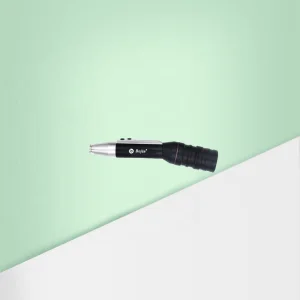
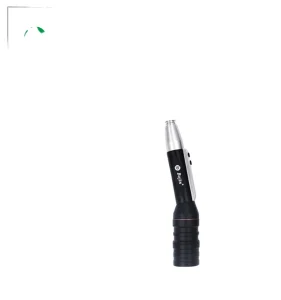
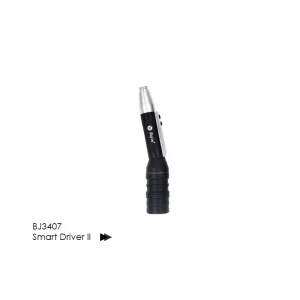
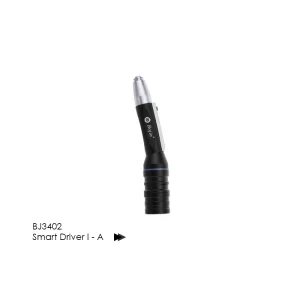
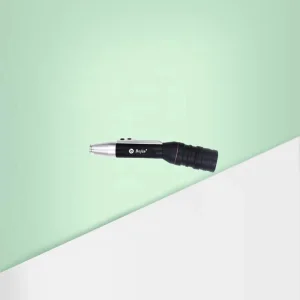
Maxillofacial, dental, and extremity reconstructive operations (hand/foot) require micro-driver systems, such as the System 3400 series. These handpieces employ pen-grip layouts, light alloy builds, and ultra-high-speed brushless motors to assure stability in delicate micro-fixation and precise osteotomies.
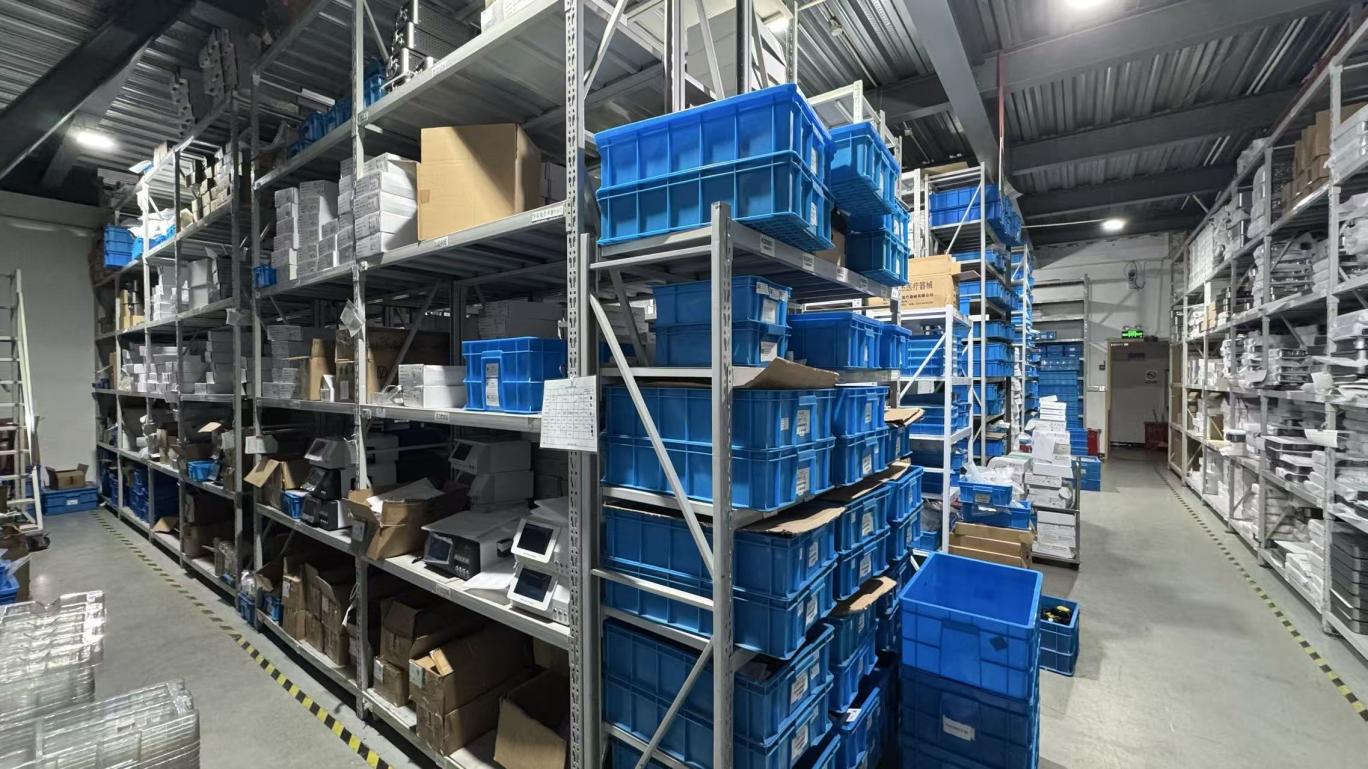
A closer look at our advanced manufacturing outputs and precision quality controls
Selecting a medical power tool provider requires evaluating technical configurations, supply-chain logistics, and life-cycle costs. B2B procurement professionals should prioritize these metrics:
Detailed technical advice for biomedical engineers, clinical purchasing agents, and distributors
High-Precision Clinical Power Tools & Micro-Driver Units for Specialty Operations
 BD Medical