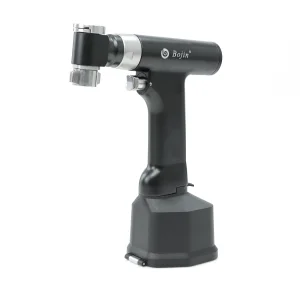
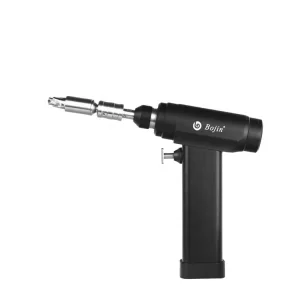
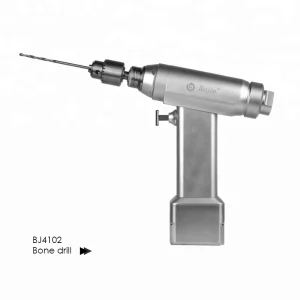
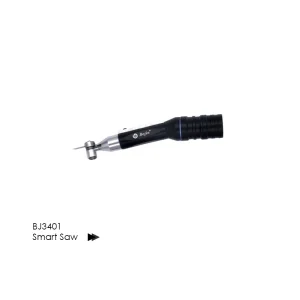
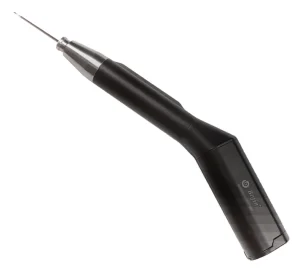
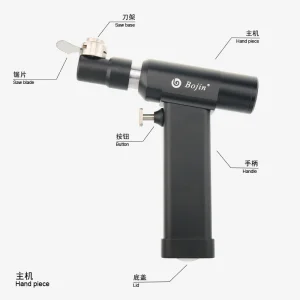
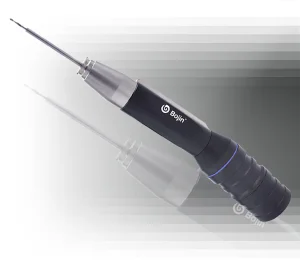
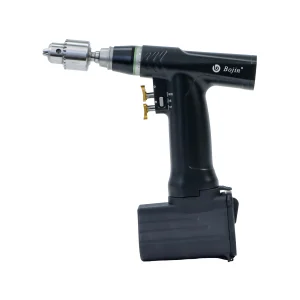
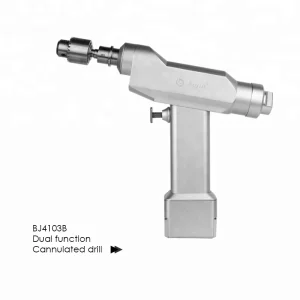
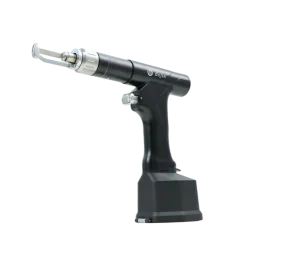
In modern orthopedic surgery, trauma intervention, and cranial craniotomy, precision and reliability are not merely performance indices—they are critical factors for patient safety. A high-performance surgical router or orthopedic drill must maintain consistent torque profiles while coping with bone densities that vary wildly from osteoporotic structures to hard cortical bone.
Our orthopedic power tools, including cranial drills, reciprocating saws, and cannulated reaming drills, are engineered using advanced motor dynamics and aerospace-grade alloys. These materials ensure that the runout tolerance remains strictly below 0.05 mm, minimizing soft-tissue injury and ensuring exact osteotomy lines.
By designing routers and micro-power drills with high rotational speeds (reaching up to 100,000 RPM for cranial routing and 1,200 RPM for drilling) paired with high thermal dissipation capabilities, we protect surrounding osteocytes from thermal necrosis during operation.
During bone resection, osteotomy, or joint replacement surgery, surgeons require tools that respond instantaneously to feedback. Key technical parameters integrated into our high-performance power tools include:
How our advanced production lines translate into cost efficiencies, consistent build quality, and unmatched clinical safety parameters.
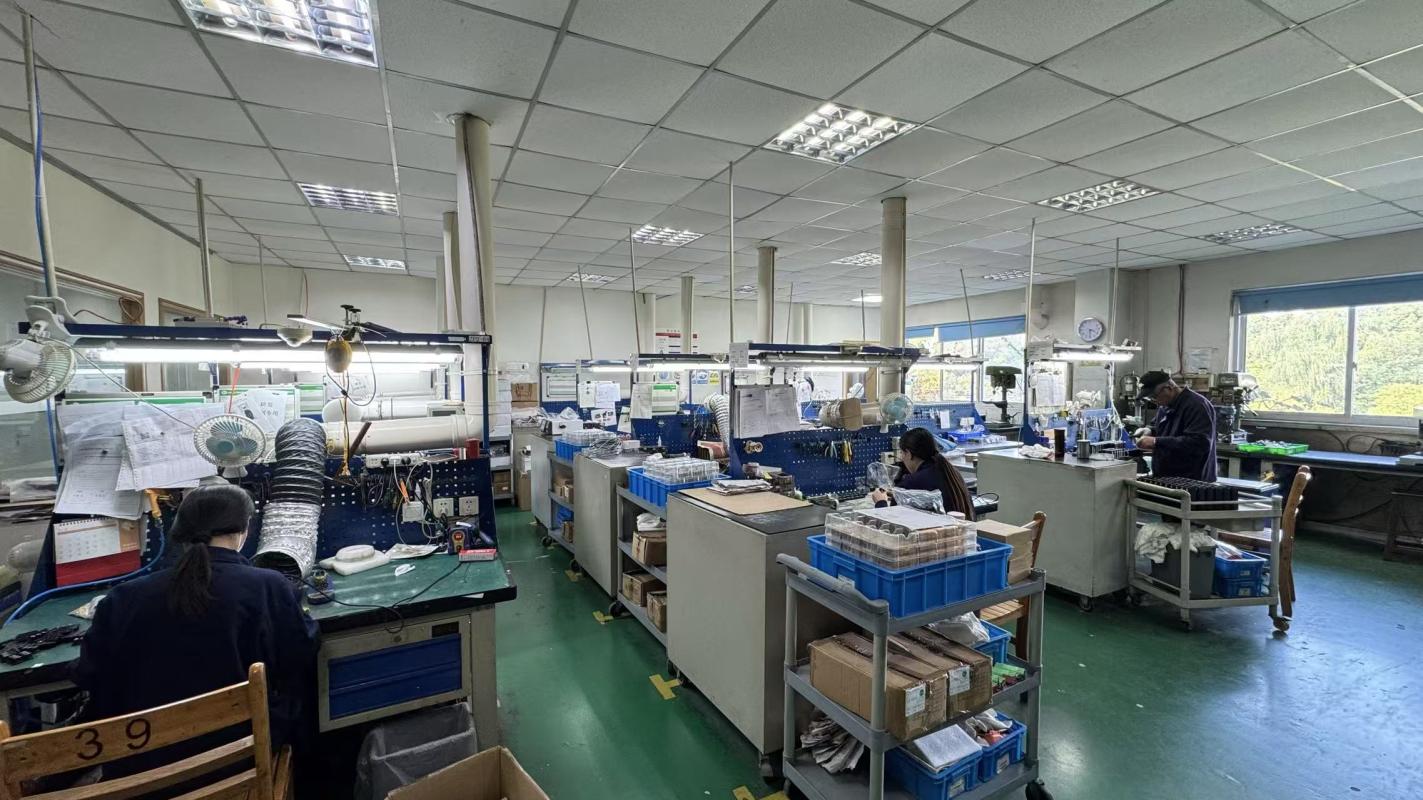
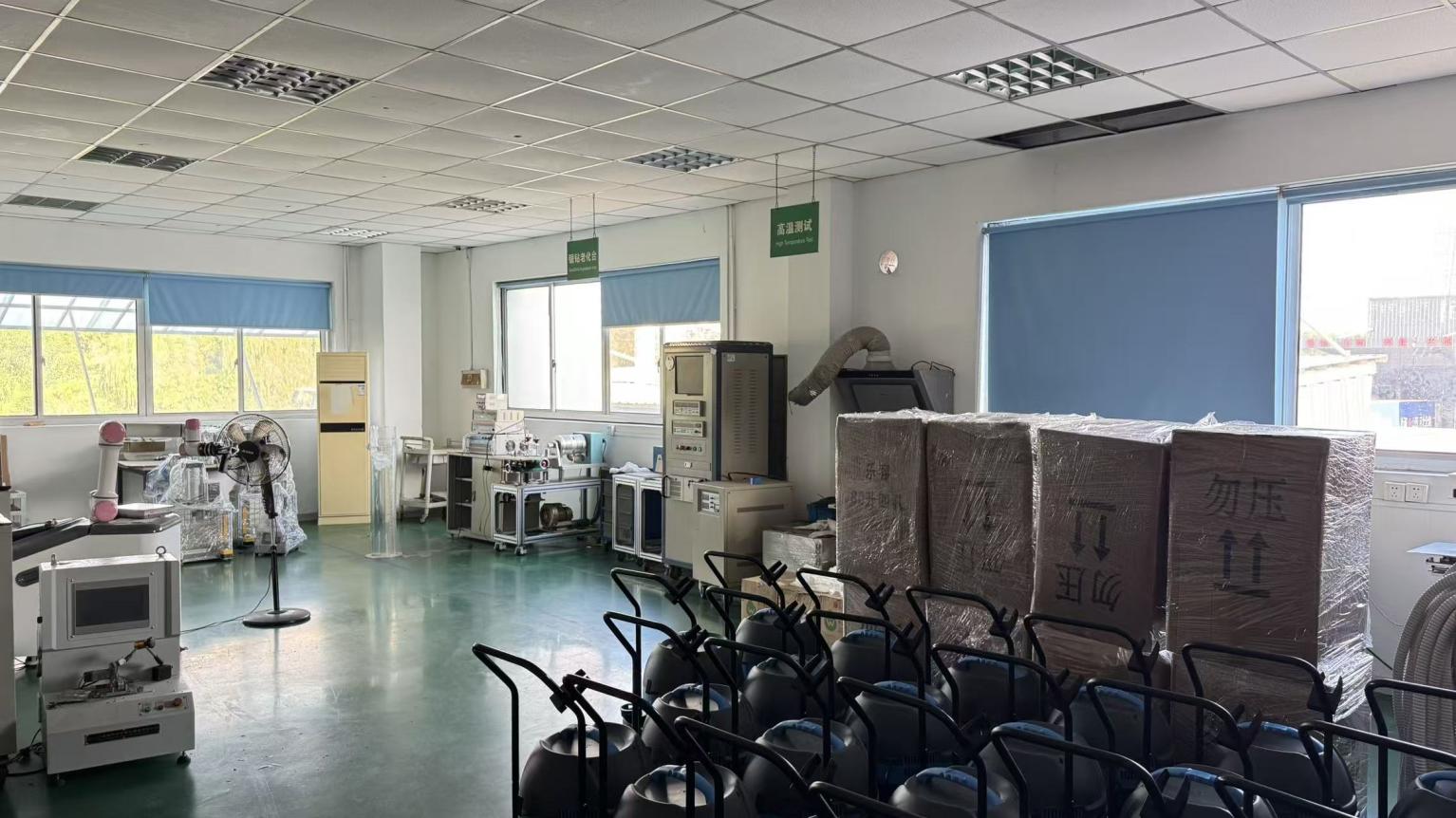
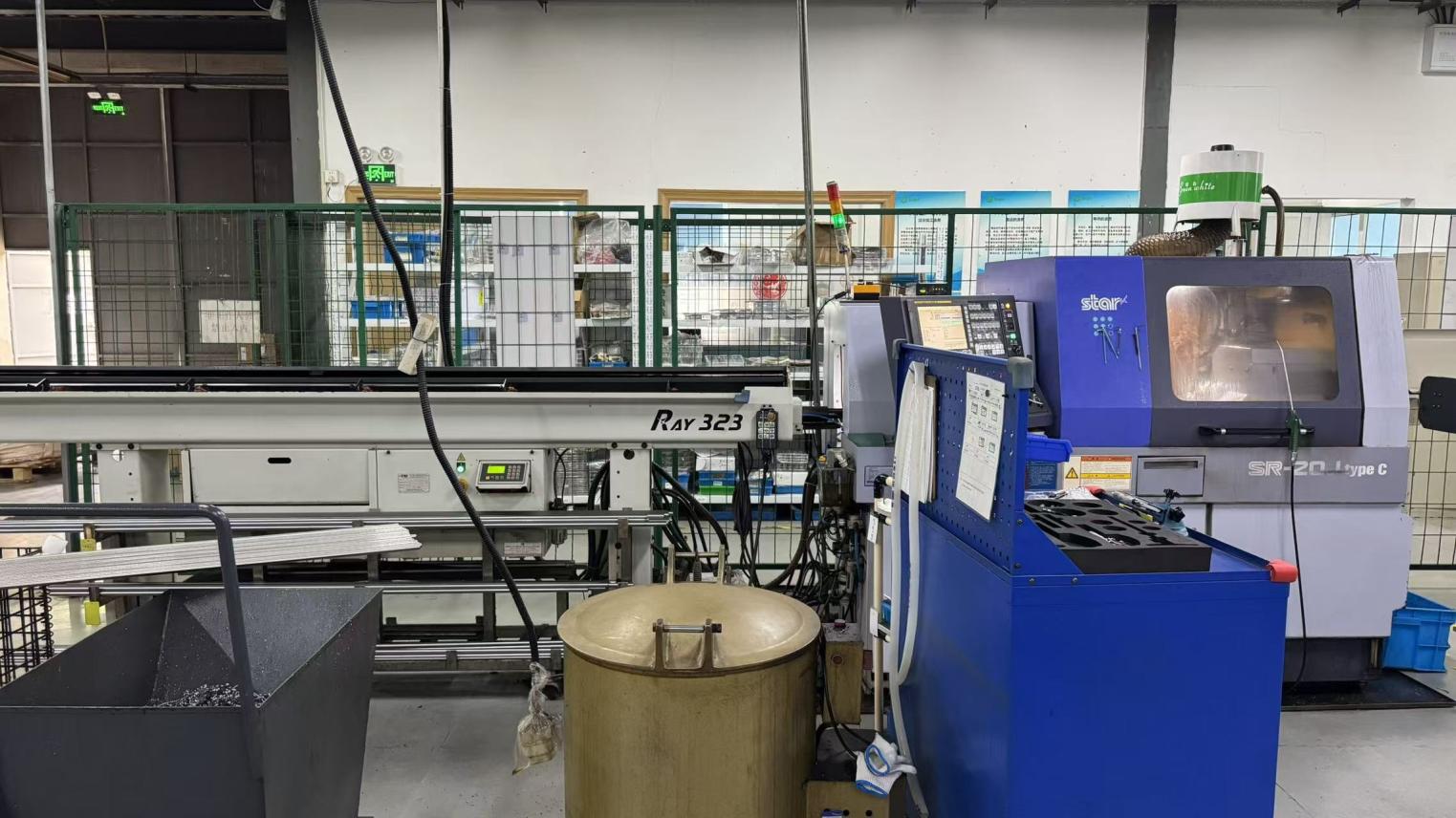
China's high-tech manufacturing corridors have evolved far beyond basic assembly. Today, our smart medical device factory in Shanghai integrates advanced vertical CNC milling stations, robotic winding for micro-brushless motors, and automated optical inspection (AOI) systems that verify microscopic details of every router attachment, gear housing, and chuck assembly.
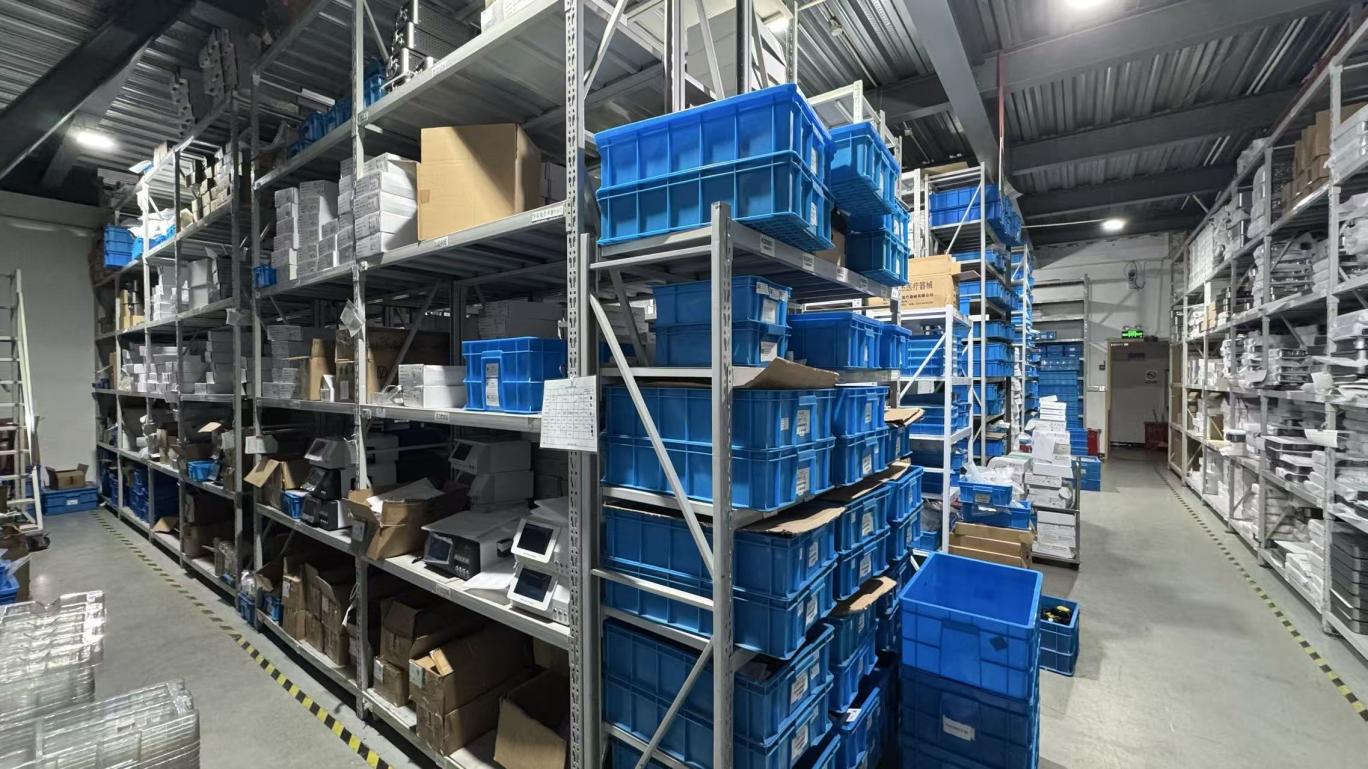
By leveraging a completely integrated regional supply chain, we control quality from the raw medical stainless steel (SUS 316L and titanium alloys) to the final sterilization package testing. This high concentration of industrial capacity reduces lead times by up to 40% compared to Western competitors, allowing global distributors to maintain leaner inventories.
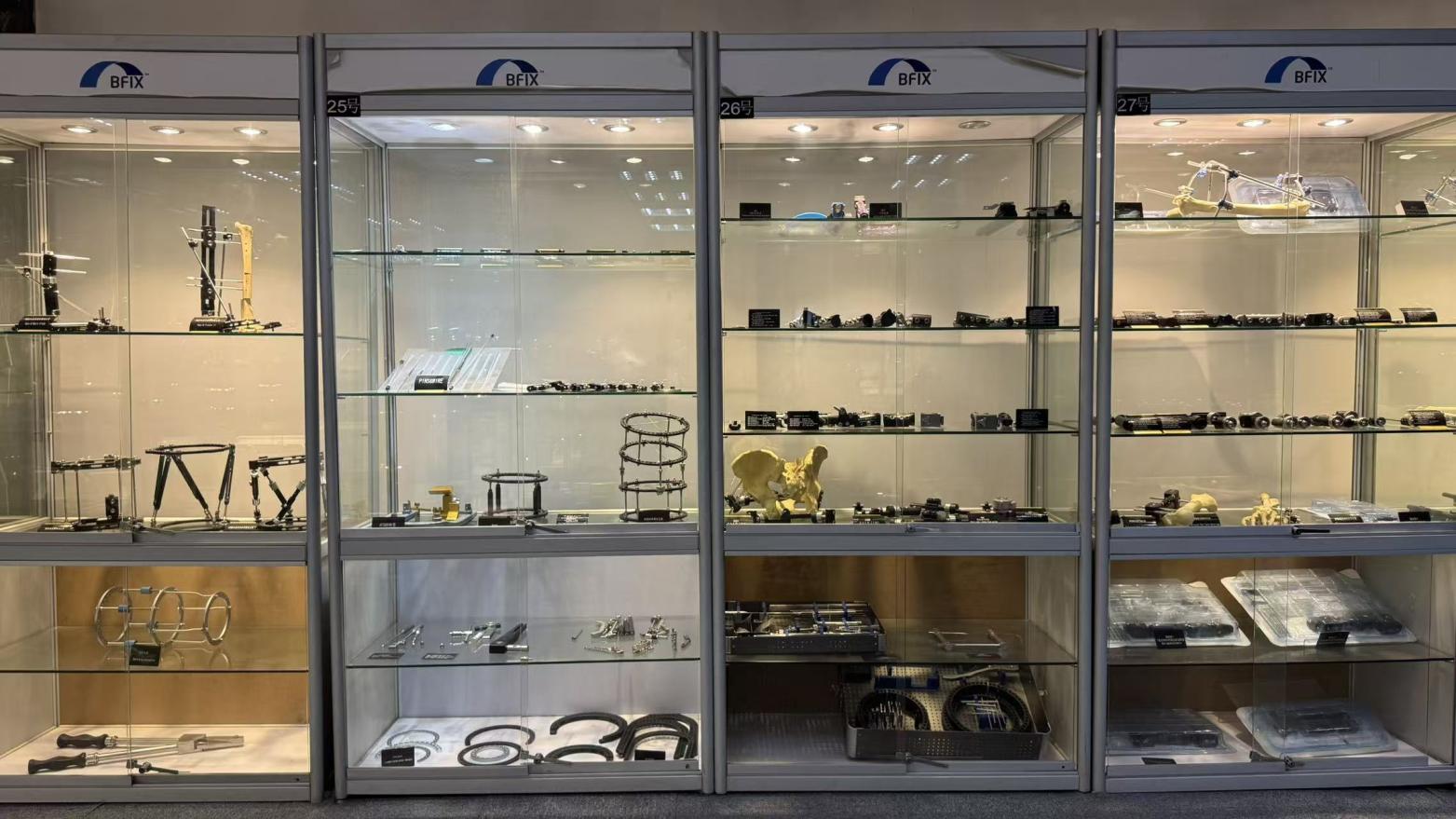
Our scale allows us to offer extensive customization options (OEM/ODM). Whether you require customized cannulated clearance limits, specific battery cell specifications, or specialized surgical attachments for dental or veterinary procedures, our engineering team can move designs from CAD models to physical prototypes in record time.
| Factor | Standard Suppliers | Our Shanghai Smart Facility |
|---|---|---|
| Motor Components | Generic OEM motors | Premium German core or custom-developed brushless motors |
| Runout Accuracy | < 0.15 mm | Strictly < 0.05 mm for high-precision micro-routing |
| Sterilization Index | 50 - 100 autoclaves | Over 500 validated autoclave cycles (134°C) |
| QA Testing | Batch sampling | 100% dynamic load testing and electrical safety audit |
Tracking the migration toward smart, connected, and highly energy-efficient systems for modern clinical settings.
Brushed motors generate carbon particles and exhibit severe wear over time, especially during sterilization. The transition to brushless technology reduces electromagnetic interference, drastically reduces heat emission, and doubles the operational lifespan of the handpieces.
Modern lithium-ion batteries are no longer passive energy blocks. They incorporate smart BMS chips that track charging cycles, cellular temperature, and voltage balance. This ensures surgeons never face power failures mid-operation and helps hospital bio-medical departments predict replacement cycles.
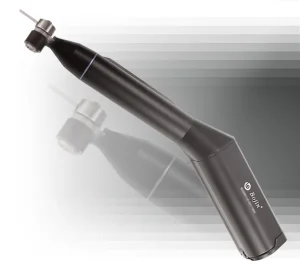
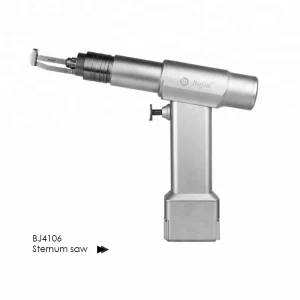
As trauma and neurosurgery move toward smaller incisions, handpieces have adapted. Micro sagittal saws, pen-style micro drills, and fine routing tools allow surgeons to work through micro-ports without sacrificing the torque required to resect bone structures efficiently.
Modern autoclaving processes subject surgical routers to pressurized, superheated steam. Advanced polymer compound seals and hermetic welding techniques prevent moisture ingress, protecting delicate sensors and control circuitry from corrosion and thermal stress.
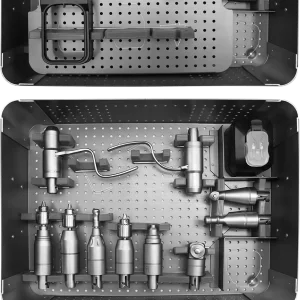
We deliver integrated equipment suites designed to support diverse surgical departments and distribution supply chains.
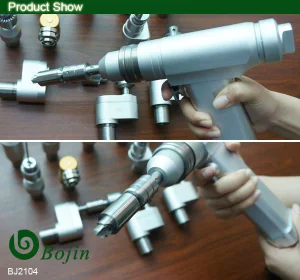
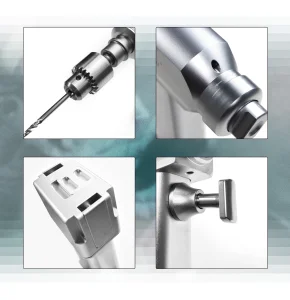
Emergency trauma operations require immediate, multi-functional tool readiness. Our quick-change coupling systems allow surgeons to switch between a high-torque cannulated drill, a bone saw, and a cranial router attachment on a single handpiece. This versatility reduces setup time in ER theaters, decreases sterilization loads, and lowers overall capital equipment expenditure.
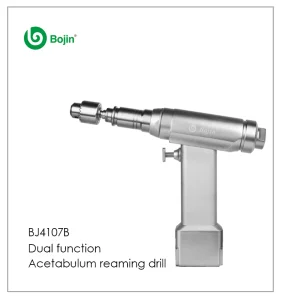
Acetabular reaming and total knee arthroplasty demand massive, sustained low-speed torque. The BOJIN BJ4107B/D/S series low-speed reamer delivers the exact mechanical ratio required to mill bone beds without stalling. Paired with high-capacity Li-ion batteries, it provides reliable energy to complete complex joint reconstructions without needing battery changes.
Neurosurgical interventions require absolute micro-control. Our specialized cranial drills (such as the BJ1104 and System 3400) integrate automatic stopping mechanisms (perforator protection) that cease rotation immediately upon penetrating the inner cranial plate. This protective margin guards the delicate dura mater against accidental contact.
Recognizing the rapid growth of veterinary clinics globally, we offer custom-sized micro surgical power drills and sagittal saws suitable for small animals and canine orthopedic reconstructions. These tools deliver the identical reliability of human-grade devices scaled for veterinary budgets and anatomical parameters.
Our commitment to patient safety is backed by international medical standards and audited production lines.
Medical power systems require stringent regulatory pathways before clinical adoption. Our production facilities and product ranges strictly follow the ISO 13485 quality management systems, assuring traceability from raw components to medical end-users.
Furthermore, our systems are certified under IEC 60601 electrical and thermal safety standards, mitigating hazards like electric leakage, electromagnetic incompatibility with life support devices, and accidental thermal tissue burns.


Comprehensive technical answers to critical questions from medical engineers, hospital procurement officers, and international distributors.
All BOJIN handpieces (except the battery pack) are fully autoclavable up to 135°C (275°F) with saturated steam at 2.2 bar pressure. The recommended exposure time is 15-20 minutes. Battery packs should be chemically sterilized or sterilized via cold gas methods to preserve battery cell life cycles.
We employ high-precision CNC multi-axis grinders and Swiss-made bearings in our motor mount assembly. Each batch of surgical bone drills and cranial routers undergoes strict laser dial indicators inspection to verify structural runout under loaded conditions.
Brushless DC (BLDC) motors eliminate contact brushes, eliminating carbon debris contamination, minimizing rotor heat, and avoiding friction losses. This yields a 30% increase in torque efficiency, double the operational lifespan, and significantly quieter performance (under 60 dB).
Our cranial drills and perforator attachments feature a mechanical clutch system. When the drill tip pierces the inner cortex table and encounters a decrease in tissue resistance, the clutch automatically disengages the drive shaft, preventing injury to the brain tissue.
Yes. As established global exporters, we provide comprehensive documentation packs, including ISO 13485 certification, CE declarations of conformity, IEC 60601 test reports, material safety data sheets (MSDS) for lithium batteries, and regional registration documentation (FDA/MDR compliance files).
Standard tool orders are dispatched within 7-14 working days. Custom configurations—such as custom packaging, logo etching, or modified tool interfaces—typically require 30 to 45 days, depending on engineering and regulatory validation requirements.
A transparent look at our production controls, raw material machining, and sterilization testing procedures.
 BD Medical