Engineered for high load tolerance, extreme precision, and seamless clinical integration.
An Industry Study on Mechanical Safety, Structural Rigidity, and Orthopedic Traumatology Standards
Modern surgical environments demands absolute rigidity and mechanical stability. Whether securing a patient's skull during complex neurosurgery using heavy-duty cranial clamps, or maintaining anatomical reduction in trauma settings with external fixator clamps, the underlying physics remains identical. Clamping technology must prevent slip under heavy dynamic loads while preserving structural integrity without micro-fracturing bone substrates.
As a leading CE Certified Heavy-Duty Clamps Factory & Supplier, we understand that high-torque surgical clamps and power tools must operate in complete harmony. High-torque drilling, reciprocating bone osteotomies, and sternotomy systems impose massive rotational, axial, and lateral vibrations onto standard clamping systems. Our engineering department specializes in eliminating mechanical resonance through advanced material science and structural dampening interfaces.
Integrating ISO 13485-certified design paradigms ensures that our clamps and orthopedic systems withstand the rigorous autoclave environment (typical cycles at 134°C under high pressure) without degrading structural tolerances. We ensure every unit provides a minimum safety margin of 2.5x the rated dynamic load capacity.
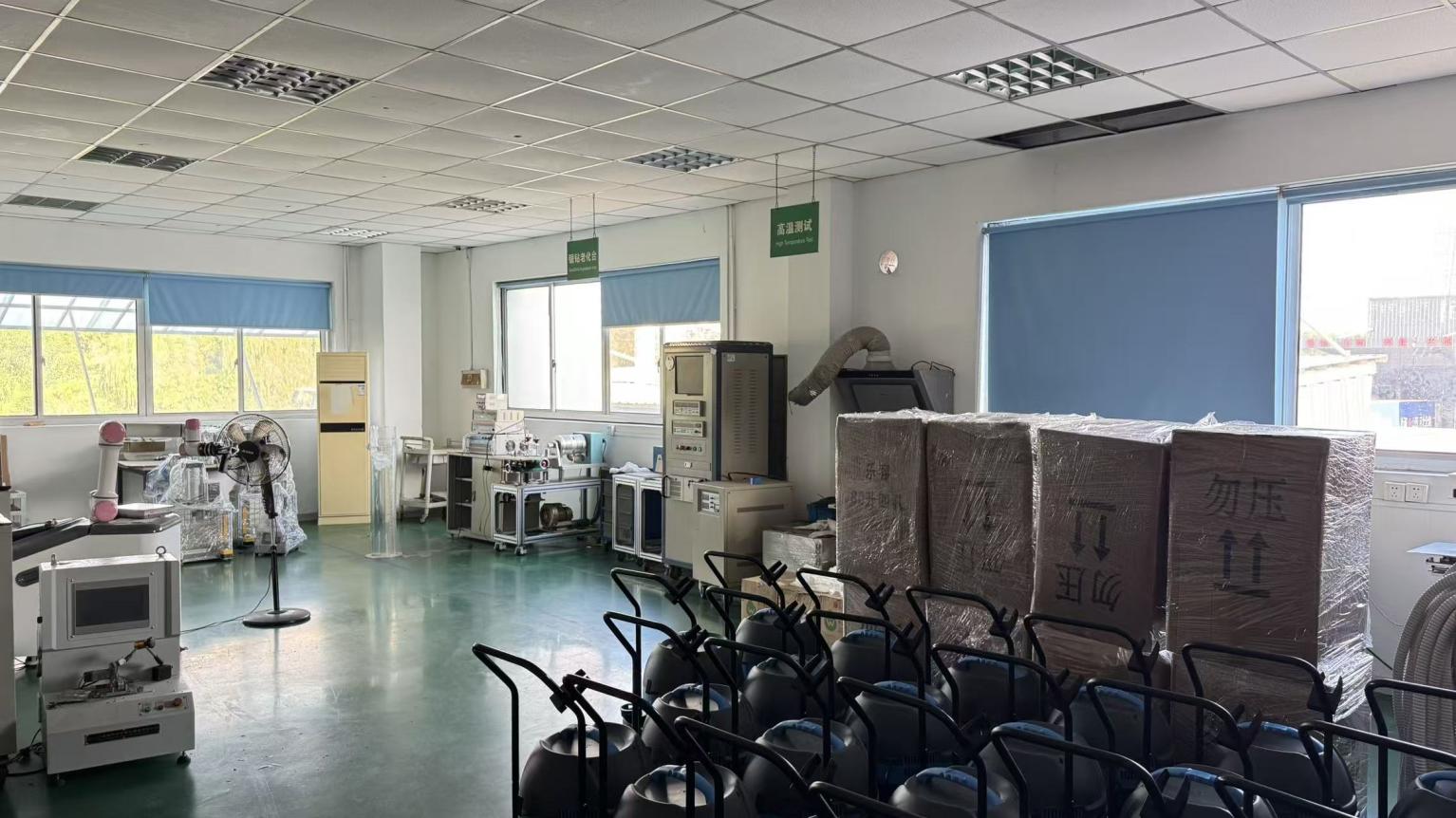
Cross-Border Standards, Medical Directives, and Manufacturing Quality Audits
We source medical-grade Grade 5 Titanium (Ti-6Al-4V) and 316LVM Surgical Stainless Steel. These high-tensile alloys offer maximum corrosion resistance and excellent fatigue strength under repetitive load cycling during osteosynthesis and external fixation procedures.
Our battery-driven tools and electric drill controllers comply fully with IEC 60601-1 and IEC 60601-1-2 standards. This ensures high electromagnetic compatibility (EMC), preventing interference with sensitive operating theater monitors and ICU instrumentation.
Using advanced Finite Element Analysis (FEA), we simulate complex physical stress profiles. This includes heavy mechanical clamping loads on bone shafts and high-speed torsional resonance in heavy-duty cranial drill systems, reducing structural failure risks to <0.01%.


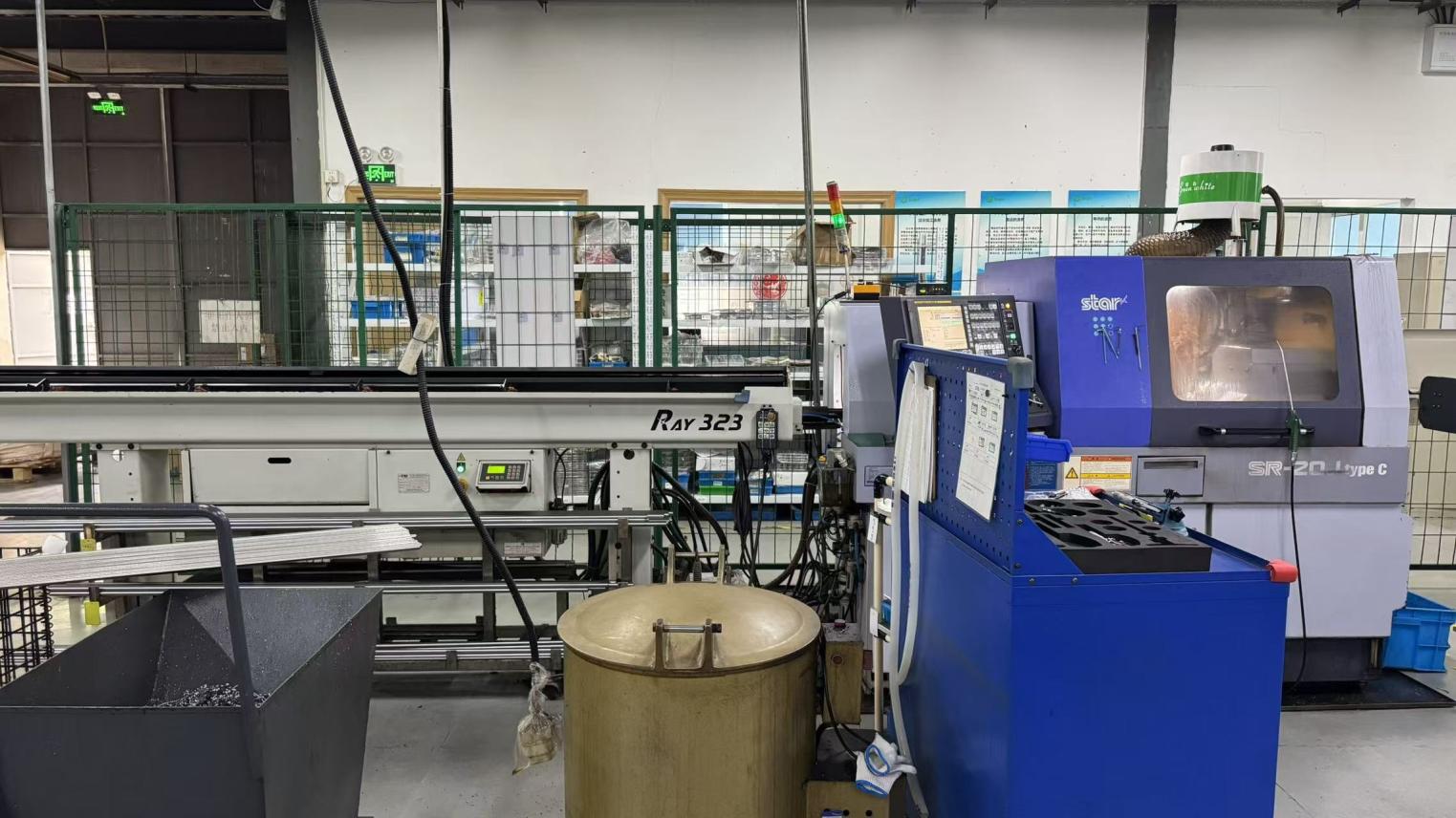
Authentic quality assurance and raw material processing stages from our primary facility
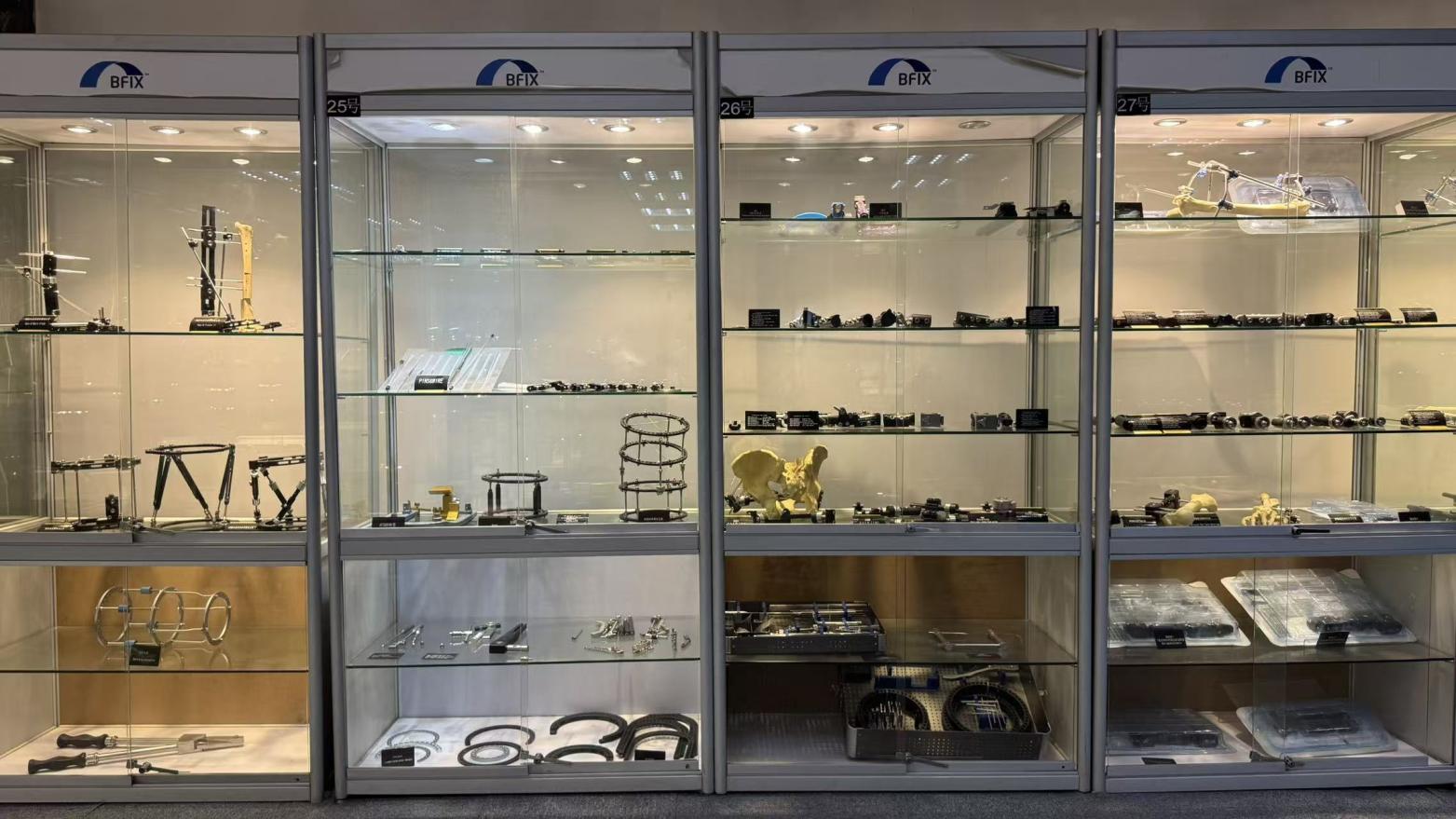
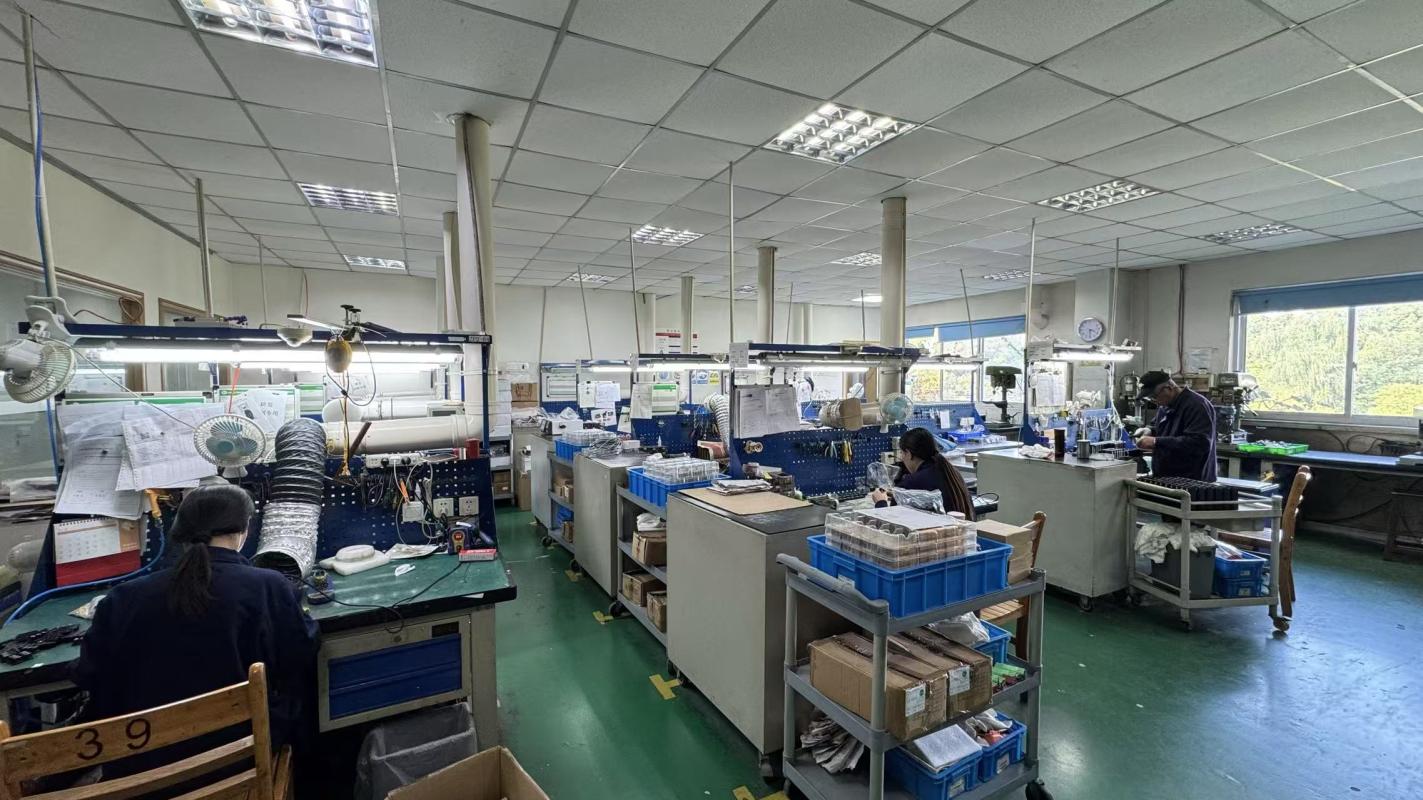
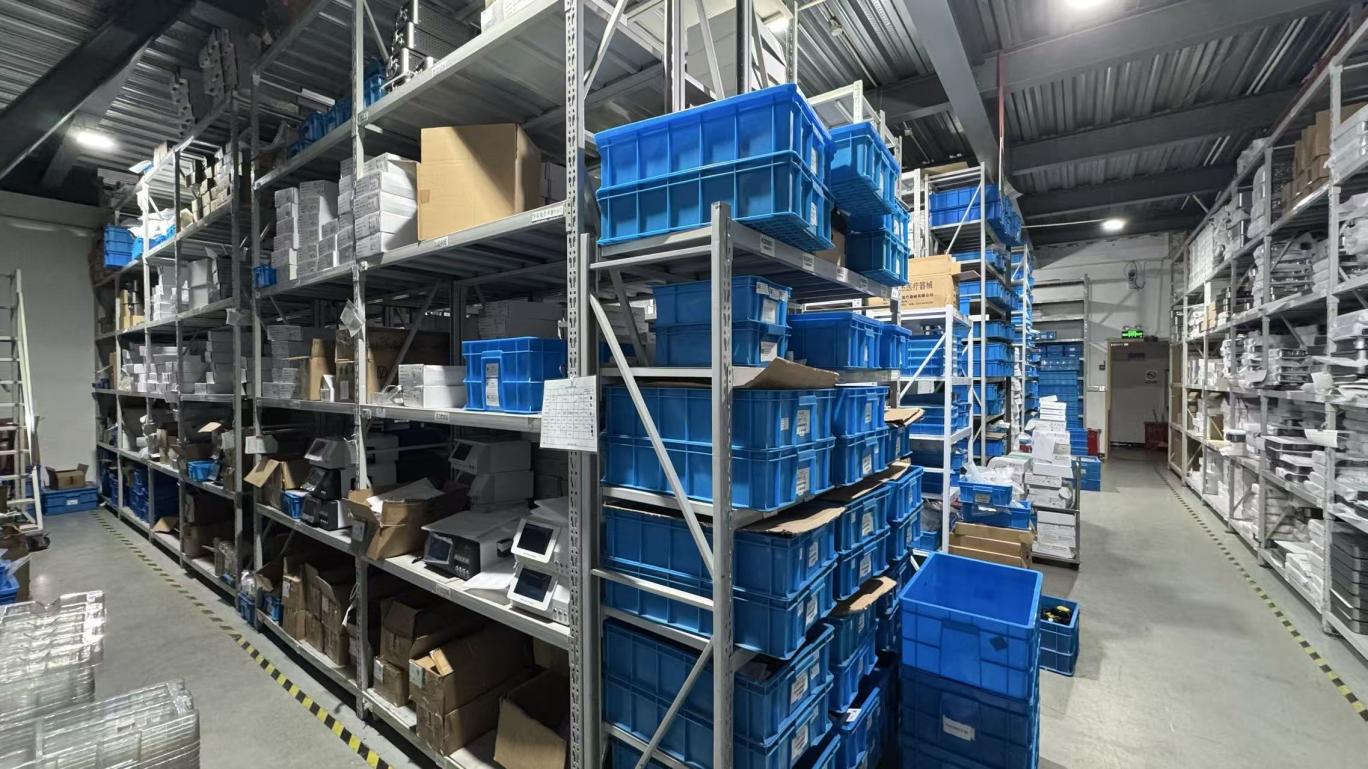
Meeting Diverse Healthcare Environments from Advanced Trauma Units to Field Hospitals
Navigating global healthcare markets requires strict adherence to regional regulatory pathways. In the EU, compliance with the Medical Device Regulation (MDR 2017/745) is paramount, demanding exhaustive clinical evaluations, robust Post-Market Clinical Follow-up (PMCF), and comprehensive technical documentation. For the North American market, our products align with FDA requirements, utilizing rigorous risk-management models aligned with ISO 14971.
By securing both CE and ISO 13485 accreditations, we facilitate streamlined import and verification cycles for clinical distributors worldwide. Our localization support goes beyond documentation; we provide specialized translation kits, sterilization guidelines customized to local clinical habits, and technical manuals that meet diverse regional safety frameworks.
From highly controlled, ultra-clean urban operating rooms to demanding, resource-constrained field medical facilities, our clamping systems and orthopedic drills perform reliably under variable ambient pressures and humidity. Our structural engineering targets specific localized clinical use-cases:
The Evolution of Intelligent Mechanical Fixation and High-Efficiency Surgical Tooling
We are actively testing embedded micro-piezoelectric sensors inside our heavy-duty external fixator clamps. These sensors transmit real-time bone-healing tension data to surgeon interfaces, allowing clinical teams to assess load distribution and structural union without requiring frequent radiographs.
To reduce overall tool weight while maintaining extreme torsional strength, we are transitioning to selectively laser sintered (SLS) titanium structural clamp bodies. This lowers mass by 35% without compromising mechanical integrity, reducing surgeon fatigue during prolonged procedures.
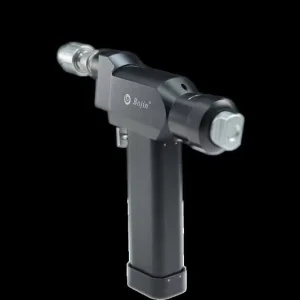
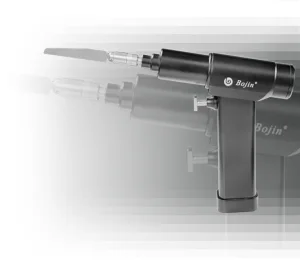
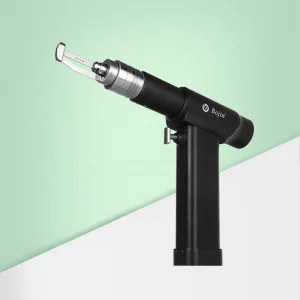
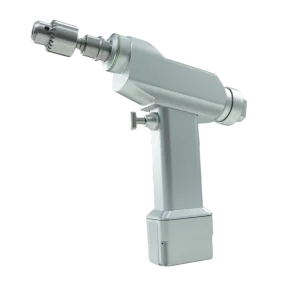
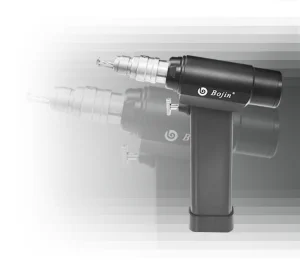
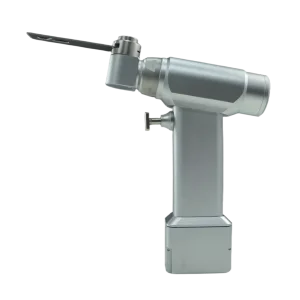
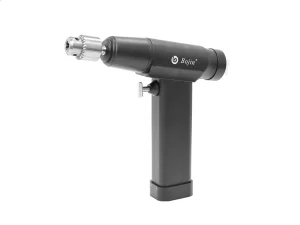
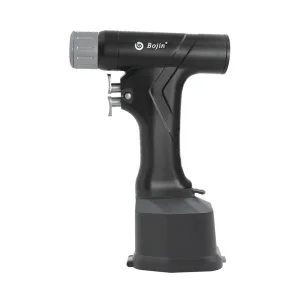
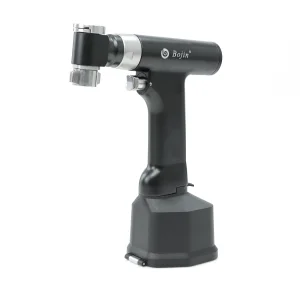
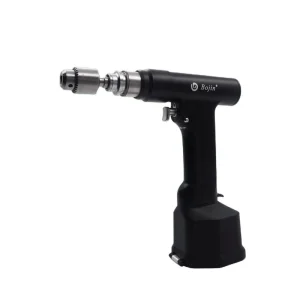
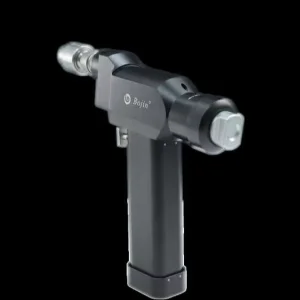
The next generation of our medical drills, including the BJ5600 and BJ1303B systems, will integrate smart, sensor-driven brushless DC motors. These intelligent units detect bone density variations, automatically adjusting torque outputs to prevent thermal necrosis during cortical drilling.
Addressing Common Inquiries from Purchasing Departments, Biomedical Engineers, and Regulatory Managers
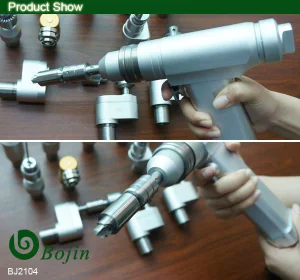
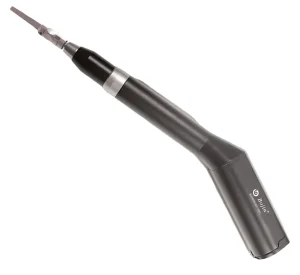
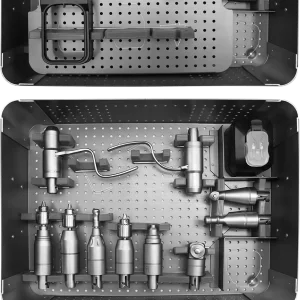
Premium attachments, heavy-duty modular kits, and specialty bone saws
 BD Medical