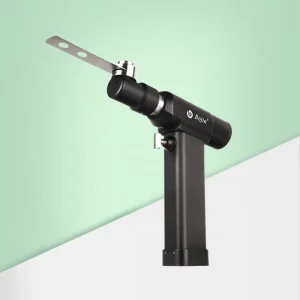
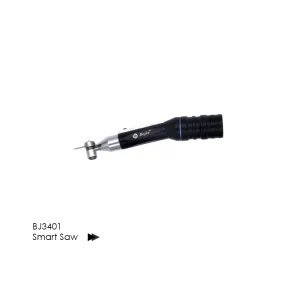
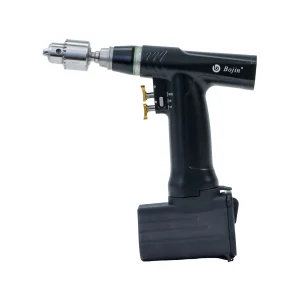
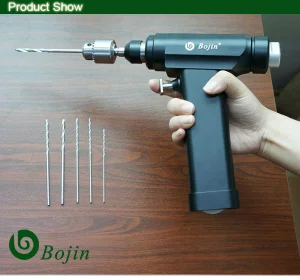
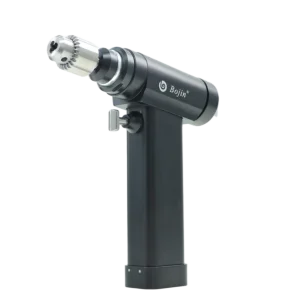
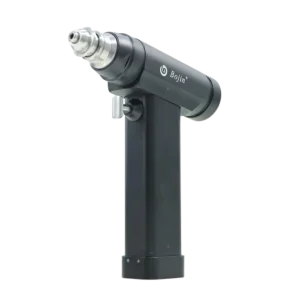
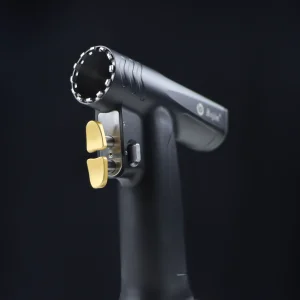
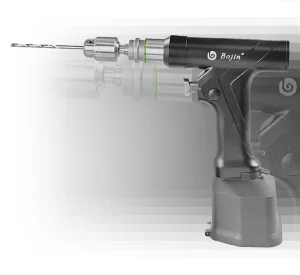
High-precision orthopedic bone drills, surgical saws, and modular handpieces manufactured to rigorous global medical specifications.
In the highly demanding field of orthopedic and traumatological surgery, the definition of a "compact power drill" transcends consumer-grade parameters, transforming into a complex medical instrument. The global medical market has experienced a significant paradigm shift, migrating from cumbersome, tethered pneumatic drive systems to ultra-lightweight, ergonomic, battery-powered bone drills and reciprocating saws. These instruments are engineered to operate with extreme torque stability and low micro-vibrations, allowing surgeons to execute highly complex osteotomies and fixation procedures with absolute precision.
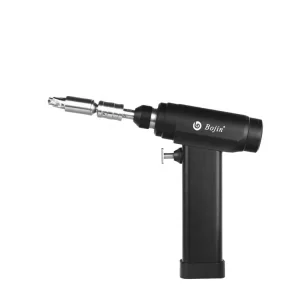
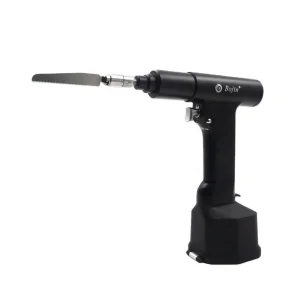
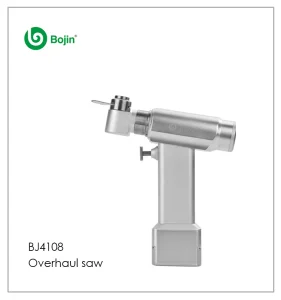
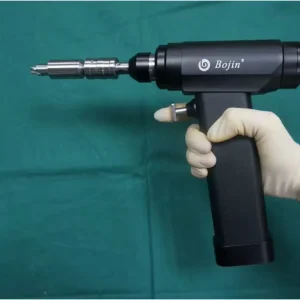
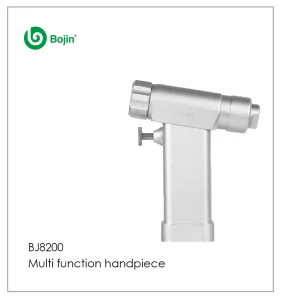
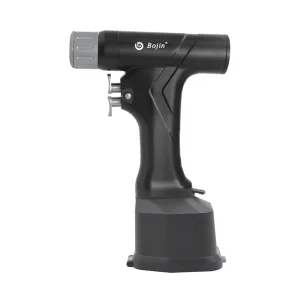
Technological advancements in brushless DC (BLDC) motors—particularly German-engineered micro-motors—have enabled factories to manufacture handpieces that reduce thermal necrosis risks during bone drilling. These compact surgical drills integrate multi-functional modular attachments, turning a single handpiece into a cannulated drill, a sagittal saw, an acetabulum reamer, or a cranial burr within seconds. The optimization of lithium-ion battery chemistry (such as 11.1V, 4000mAh configurations) ensures sustained discharge rates and prolonged runtime inside the sterile zone of modern operating theaters.
"Modern compact surgical drills are no longer just mechanical rotary tools; they are intelligent, sensor-driven orthopedic systems capable of providing real-time tactile and speed adjustments during delicate surgical interventions."
Global sourcing directors, hospital purchasing boards, and medical equipment distributors must adhere to strict regulatory checklists when evaluating compact power drill factories and exporters. The fundamental baseline for entry into developed healthcare markets is compliance with international standards. Medical devices must undergo comprehensive safety, performance, and environmental evaluations to achieve CE certification (in accordance with the Medical Device Regulation - MDR) and meet electrical safety directives.
All surgical drill housings, triggers, and coupling mechanisms must endure repeated high-pressure steam autoclaving cycles at 135°C without compromising structural integrity or electrical insulation.
Compatibility with standard AO, Small AO (SAO), and Hudson couplings ensures seamless integration with existing surgical drill bits, reamers, and pin drivers used worldwide.
Robust dynamic sealing technology shields vital motor parts and electronics from moisture and blood ingress during demanding clinical irrigation phases.
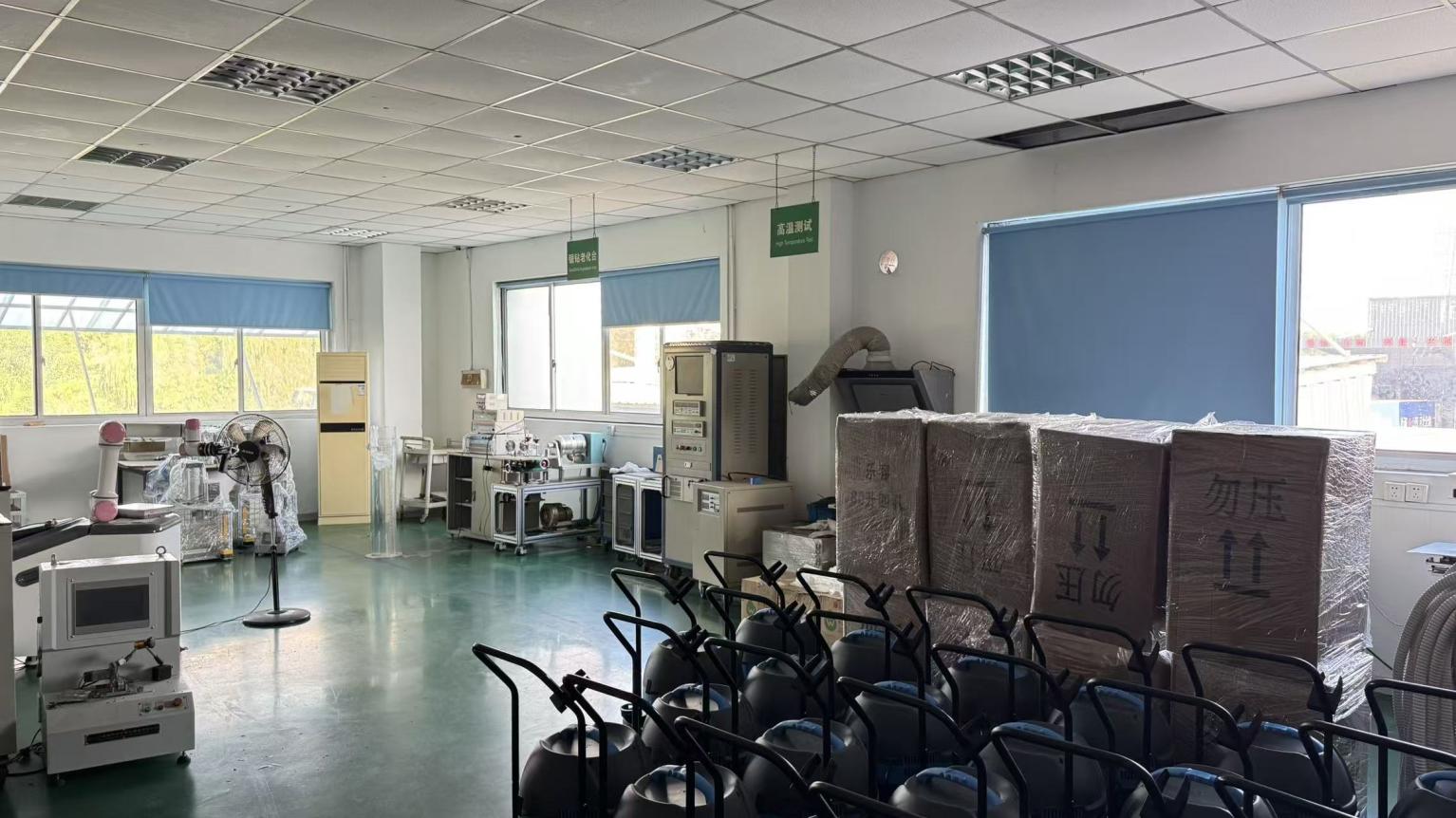
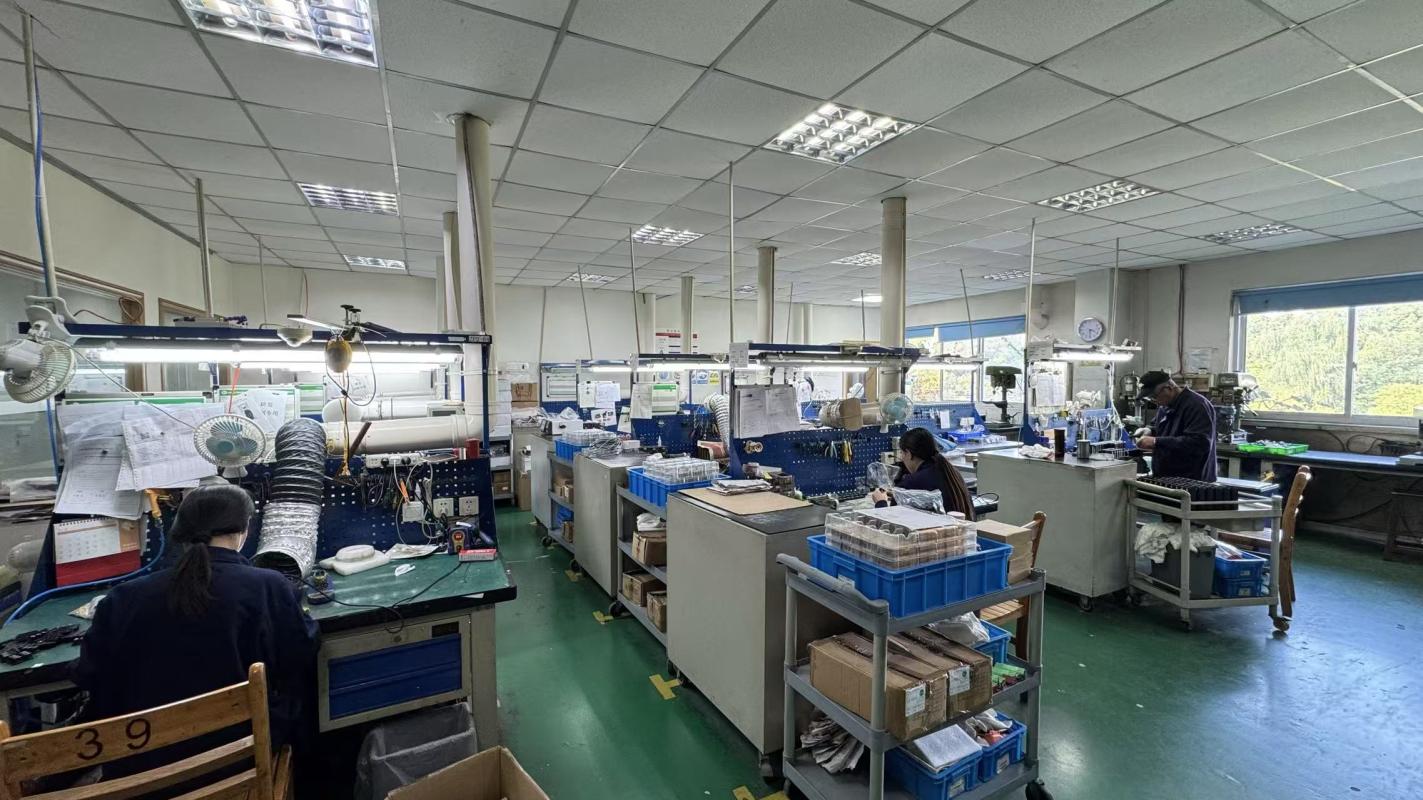
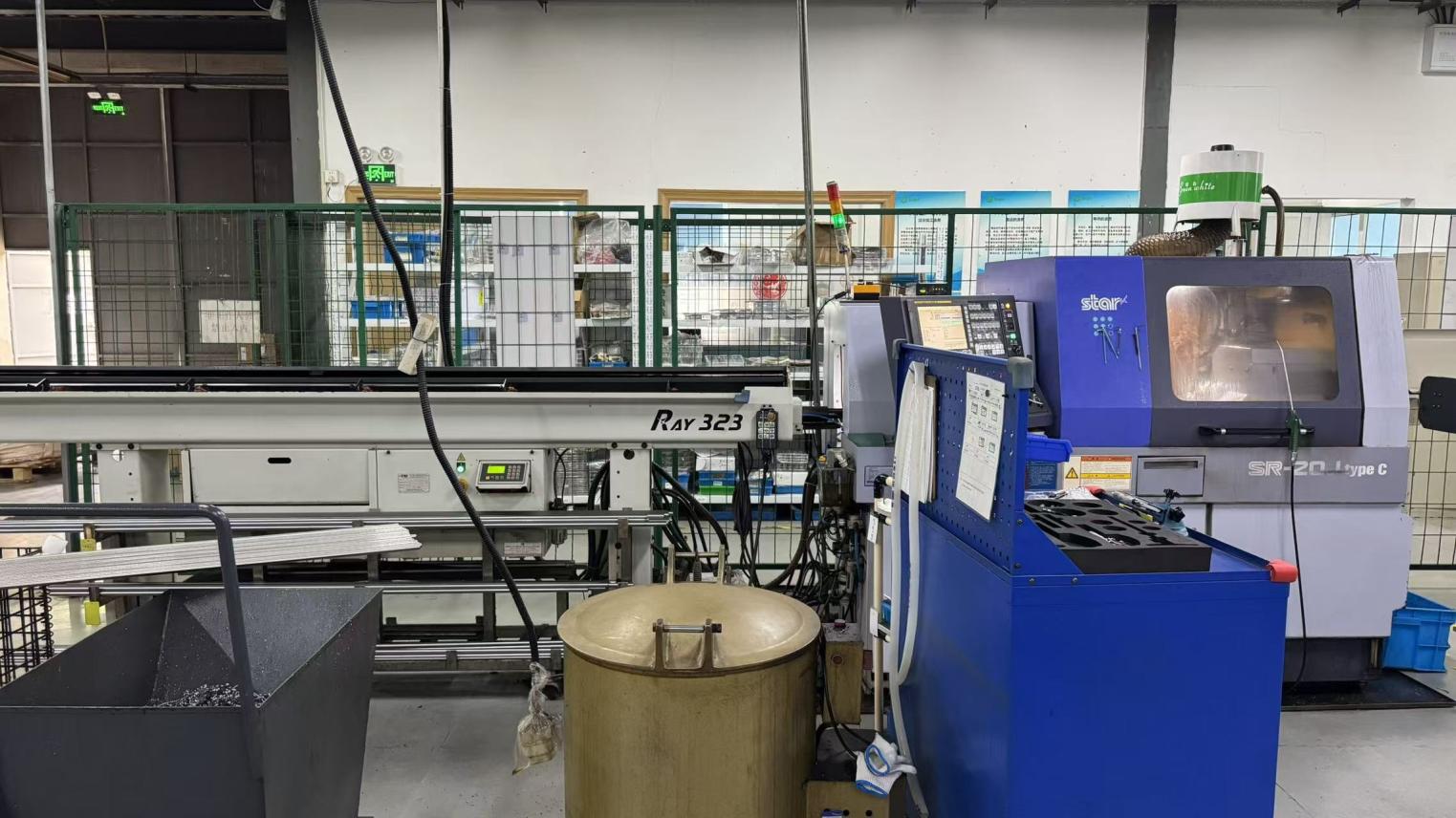
The consolidation of advanced manufacturing clusters in China, particularly in industrial tech hubs like Shanghai, has redefined the export landscape of medical-grade power tools. Leading manufacturers have transitioned to Factory 4.0 standards, characterized by robotic assembly line components, multi-axis CNC machines for micro-tolerance milling, and automated environmental chambers for rigorous thermal testing. This high degree of manufacturing integration guarantees exceptional batch-to-batch repeatability and consistency.
Furthermore, China's extensive local supply chain for high-performance lithium-ion cells, brushless motors, and aircraft-grade aluminum alloy extrusion enables manufacturers to offer shorter lead times and optimized pricing structures. By managing components from raw materials to final sterilization validation under one roof, these factories offer resilient supply chains capable of scaling production quickly to meet sudden global procurement demands.


Industrial and medical power tools differ significantly in speed, torque control, and sterilization capabilities. In traumatology, bone drills must provide sufficient torque to penetrate cortical bone without exceeding temperatures that could cause thermal necrosis. In cranial surgeries, electric craniotomes require built-in automatic stop mechanisms that disengage the burr the moment it penetrates the inner table of the skull, protecting soft brain tissue underneath.
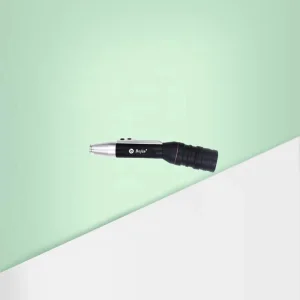
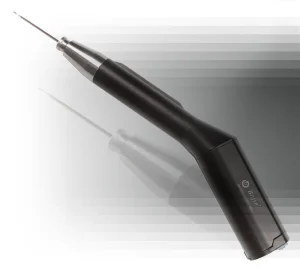
For micro-surgery systems, such as those used in hand, foot, dental, and maxillofacial procedures, a pen-shaped driver design is critical. This format offers ergonomics that minimize surgeon fatigue during long reconstructive operations. For large bone procedures—like total hip or knee arthroplasties—surgeons rely on modular systems featuring heavy-duty acetabular reamers and sternotomy saws that slice through bone with minimal vibration.
Professional engineering and regulatory answers to assist B2B procurement managers and clinical biomedical engineers.
Medical-grade drills are manufactured from biocompatible, corrosion-resistant metals such as grade 316L stainless steel or titanium alloys. They must conform to strict standards, including ISO 13485 (Medical Quality Management Systems) and IEC 60601 (Basic Safety and Essential Performance of Medical Electrical Equipment). Crucially, they are engineered to endure repeated autoclaving cycles at 135°C and must seal internal brushless motors against fluids and tissue debris.
The CE mark indicates that the product complies with EU health, safety, and environmental standards. Under the European Medical Device Regulation (MDR 2017/745), surgical drills are classified as active therapeutic or diagnostic devices. Obtaining CE certification validates that the factory's production and design dossiers meet strict risk assessment requirements, allowing legal distribution throughout the European Economic Area.
High-quality surgical power tools generally utilize brushless DC (BLDC) motors, often sourced from specialized manufacturers in Germany. Brushless motors eliminate physical brushes, which reduces friction, heat generation, mechanical wear, and electrical noise. This design ensures highly controllable torque at low speeds and extends the handpiece's lifespan.
Surgical procedures require consistent, uninterrupted power. Lithium-ion batteries (typically rated around 11.1V with capacities like 4000mAh) deliver the necessary voltage stability to maintain constant torque, even when cutting through dense bone. Medical-grade battery packs must also incorporate safety circuitry to prevent overcharging and thermal runaway, and they must withstand sterilization processes.
AO (Arbeitsgemeinschaft für Osteosynthesefragen) couplings are standard quick-connection interfaces used globally for orthopedic surgical tooling. SAO (Small AO) is a scaled-down version designed for micro-implants and pediatric surgeries. Having standard AO or SAO coupling adapters built into a handpiece allows surgeons to quickly swap drill bits and reamers without using external keys or chucks.
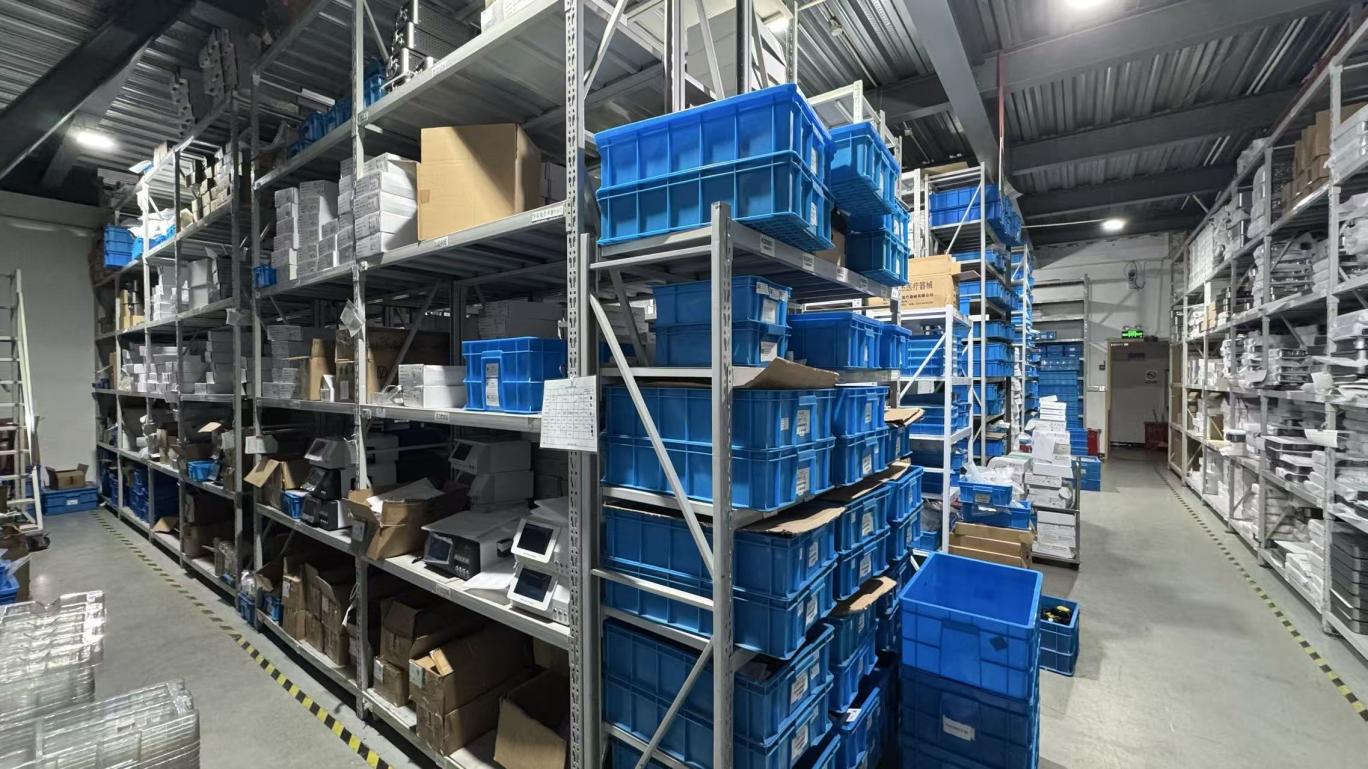
Reputable exporters maintain a comprehensive inventory of replacement components, including batteries, sterile attachments, and motor units. Many use specialized logistics partners to handle customs clearance for medical equipment and provide complete technical dossiers (including testing and quality validation records) to prevent regulatory delays at destination ports.
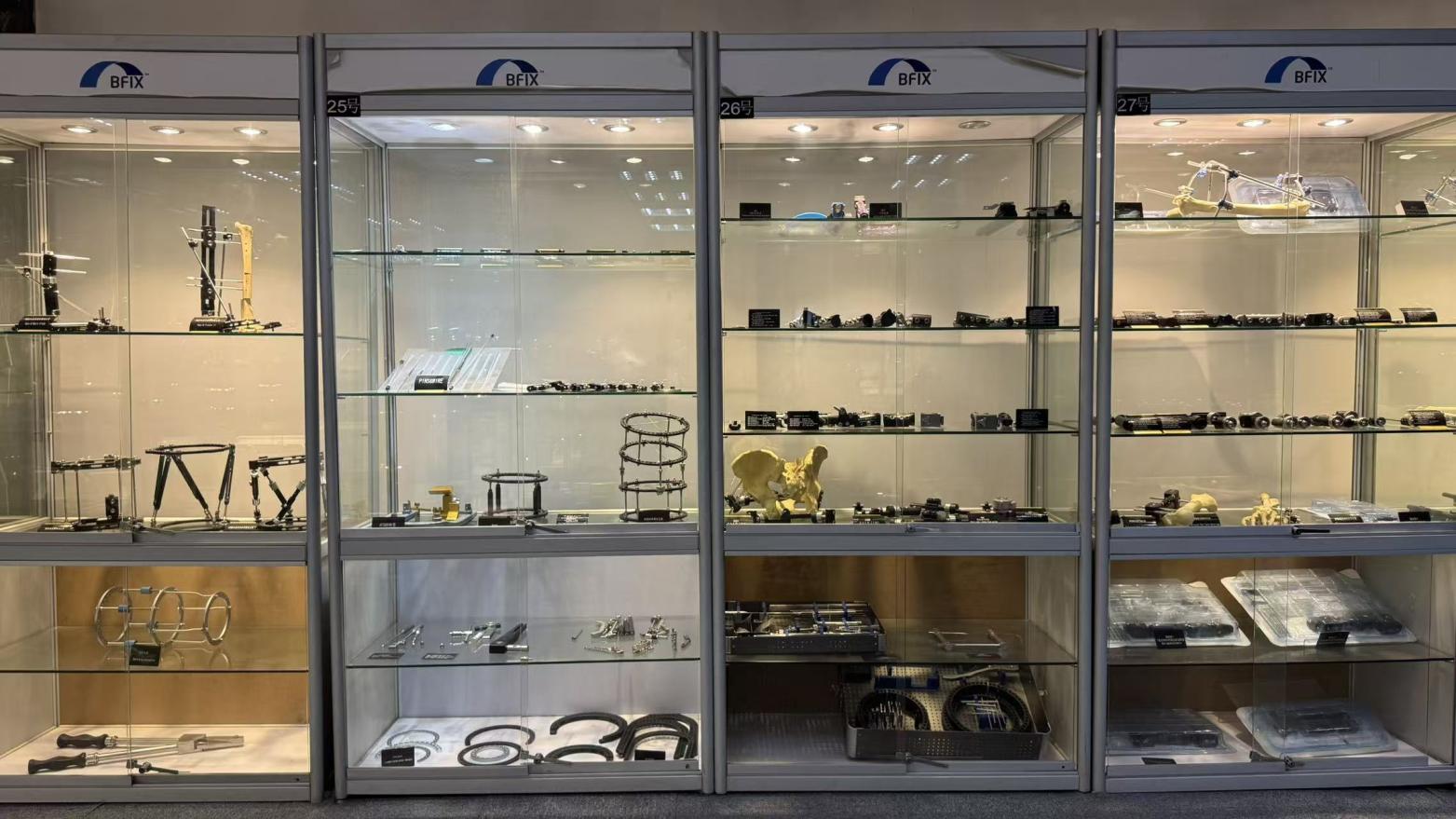
A further selection of neurosurgery cranial drills, orthopedic saws, and multi-functional brushless attachments.
 BD Medical