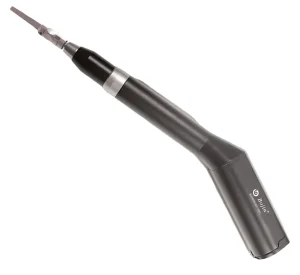
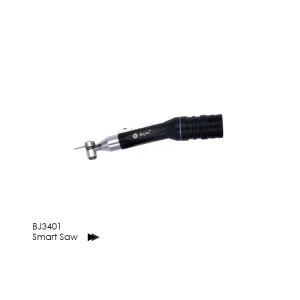
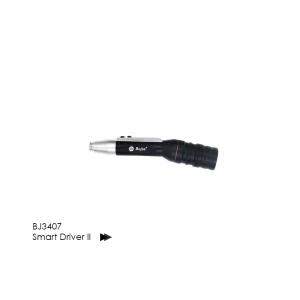
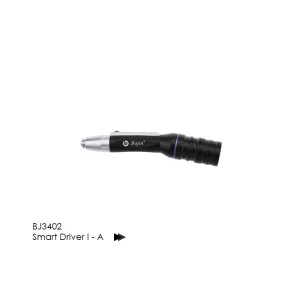
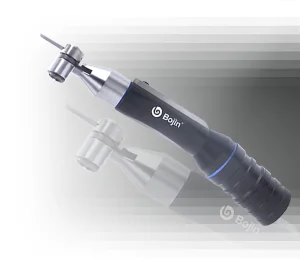
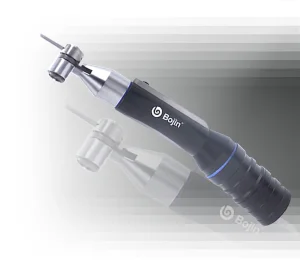
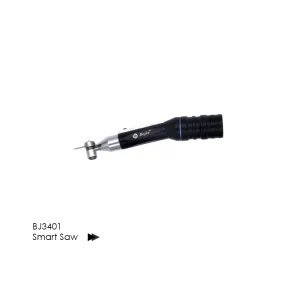
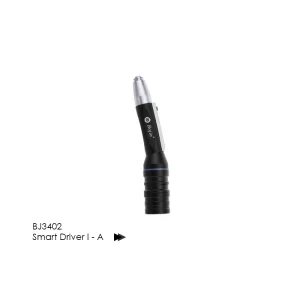
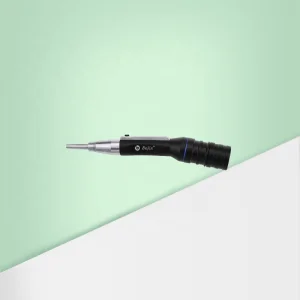
High-torque, rapid-change micro bone tools optimized for tight operating windows and modern bone preservation protocols.
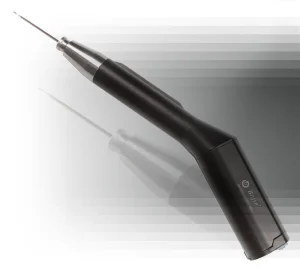
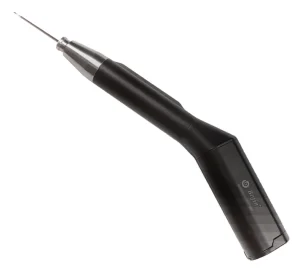
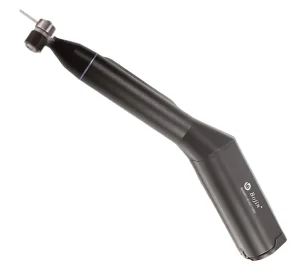
The Tokyo metropolitan region holds the status of one of the world's most sophisticated and demanding medical technology markets. Driven by a super-aging demographic shift, wherein over 29% of the national population is aged 65 and above, the clinical demand for advanced orthopedics has experienced unprecedented growth. Specialized clinical settings such as municipal hospitals, university networks (like Tokyo University Hospital and Keio University Hospital), and private micro-surgical institutions are continuously updating their surgical portfolios to handle complex, minimally invasive bone reconstruction procedures.
In this local clinical environment, small bone orthopedic power tools are vital for high-precision interventions including osteotomies, osteosynthesis, orthognathic revisions, and detailed carpal/tarsal reconstruction. Exporters operating within or seeking to serve Tokyo's Kanto district must prioritize device profiles that ensure thermal preservation of bone tissue, extreme vibration damping, and intuitive weight balancing. The surgical workflow demands shift away from bulky, pneumatic systems to lightweight, wireless, lithium-powered surgical instruments that enable hand-held agility in tight anatomic corridors.
“Precision is not merely a technical metric; in small bone surgery, it is the key variable for preventing osteonecrosis and securing secondary bone healing. For Tokyo hospitals, technology must match the highest domestic engineering standards.”
Brushless DC motors reduce heat dissipation, ensuring the dynamic handpiece remains comfortable for surgeons and safe for delicate bone tissues.
Smart lithium-ion platforms sustain stable speed profiles without sudden drop-offs, even during high-density cortical bone penetration.
Advanced polymers and hermetically sealed casings resist corrosive degradation during intensive high-pressure steam sterilization cycles (134°C).
The micro-surgical device vertical has rapidly evolved from mechanical drive-shaft assemblies to integrated digital handpieces. Contemporary small bone surgeries require power tools that minimize bone margins while optimizing recovery periods. This requires small bone drills, sagittal saws, and reciprocating drivers to offer variable acceleration curves and customized torque control profiles.
Procuring surgical instrumentation for the Tokyo market requires navigating stringent regulatory mechanisms managed by the Ministry of Health, Labour and Welfare (MHLW) and the Pharmaceuticals and Medical Devices Agency (PMDA). Medical technology buyers must balance structural cost efficiencies against the strict regulatory checks mandated under Japan's PMDA guidelines.
Exporting structures need to offer detailed manufacturing documentation, certified sterilization safety data sheets, and comprehensive traceability histories. Device safety must adhere strictly to international standards, primarily ISO 13485 (Medical Devices Quality Management Systems) and IEC 60601 (General Requirements for Basic Safety and Essential Performance of Medical Electrical Equipment). Exporters who can offer structured support with these certification steps provide direct value to importers by streamlining regulatory approvals.


In addition to quality certifications, global logistics networks require high predictability. Procurement departments expect medical equipment consignments to be packed in shock-dampening, moisture-sealed containers, accompanied by comprehensive warranty support, replacement motors, and fast servicing channels. Establishing localized regional partnerships within the Kanto plain facilitates high-quality post-sales support and minimizes diagnostic down-times.
To support high surgical throughputs, medical systems need modular instrument ecosystems. The modern trend pivots toward interchangeable surgical configurations that address orthopedic trauma, neurosurgical micro-craniotomies, and cosmetic maxillofacial adaptations within a single unified control unit. This multi-tool approach offers significant capital-expenditure advantages for procurement groups.
By employing high-tensile titanium alloys alongside specialized medical-grade PEEK (Polyetheretherketone) composites, manufacturers can balance weight reductions with thermal resistance. Reduced handpiece weight diminishes hand fatigue during long surgeries and controls heat conduction to the outer casing, maintaining a comfortable skin-contact temperature.
From an operational standpoint, having a standardized charging layout that handles multiple lithium batteries in parallel ensures that surgical teams have fresh power sources ready throughout long, consecutive surgical schedules. Fast-charging batteries are crucial for keeping emergency operations moving without delay.
The future of small bone surgery lies in smart connectivity. Next-generation smart drivers are designed to transmit real-time telemetry data (such as RPM limits, torque resistance, and battery status) directly to operating room control boards or surgical navigation networks. This integration allows clinical systems to monitor bone density and adjust speed settings automatically during delicate cuts, reducing the risk of tissue damage.
For international buyers in Tokyo, importing from developers who invest in forward-compatible systems ensures long-term utility. As surgical robotics gain adoption, power handpieces must be engineered to interface with robot arms, utilizing digital communication interfaces. Our manufacturing roadmap focuses on these connected clinical environments, ensuring our systems remain compatible with tomorrow's surgical technologies.
Detailed technical answers regarding certifications, local shipping to Tokyo, and hardware specs.
Our small bone power tools are manufactured under strict ISO 13485 quality systems and comply with IEC 60601 electrical safety requirements. The ISO 13485 (Cert. No. SX 2182378-1) and IEC 60601 (Cert. No. CN22QF7O 001) documentations are available to assist with domestic import clearances and PMDA licensing reviews.
We work with specialized medical logistics networks to ship via temperature-controlled, air-freight transport directly to Haneda or Narita airports. All shipments include complete commercial invoices, certificates of origin, and technical data sheets to ensure smooth clearance through Tokyo customs.
Yes. The hermetically sealed brushless motor assemblies and composite casing structures are rated for repeated autoclaving at temperatures up to 134°C (under 2.2 bar pressure). This prevents fluid ingress and protects internal electronics from heat cycles.
Our lithium-ion power packs are designed to support 60-90 minutes of continuous operation under full surgical load. This is sufficient for multiple procedures. We supply fast-charging base stations that recharge cells to 100% capacity within 40 minutes.
Explore our technical portfolio of smart drivers, mini saws, and dental-maxillofacial drill assemblies.
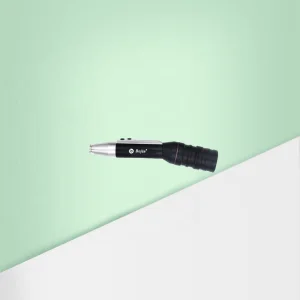
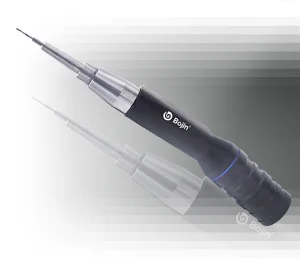
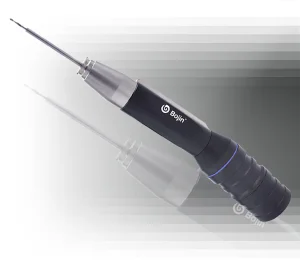
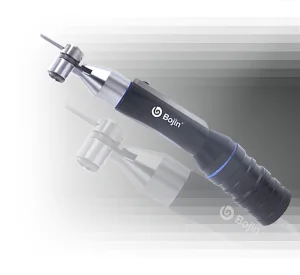
Seeking specific torque outputs, custom adapter modules, or PMDA licensing paperwork? Our engineering division is ready to assist your procurement team.
Send Inquiry Now BD Medical