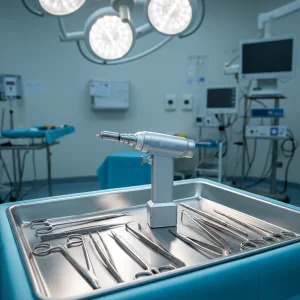
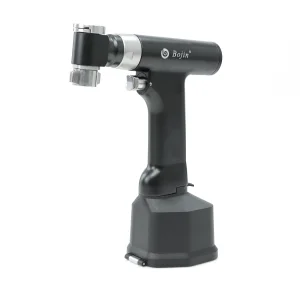
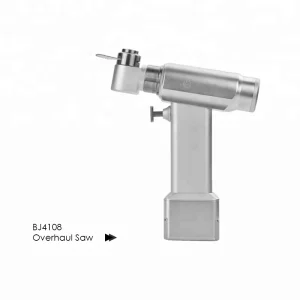
Optimized configurations supporting rapid attachments for trauma, reconstruction, and arthroplasty procedures.
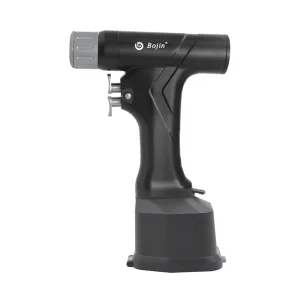
How demographic realities and regulatory paradigms shape the demand for high-reliability modular systems.
Japan currently faces one of the highest rates of population aging globally. This demographic shifts the surgical profile toward geriatric orthopedics, particularly fragility fractures, osteoarthritis, and joint revisions. For municipal general hospitals (自治体病院) and secondary care clinics, managing surge capacity in orthopedic theatres requires reliable, rapid-turnaround surgical power tools.
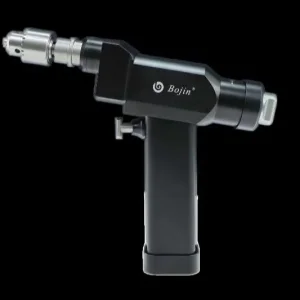
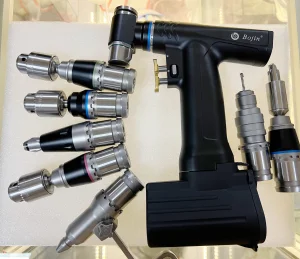
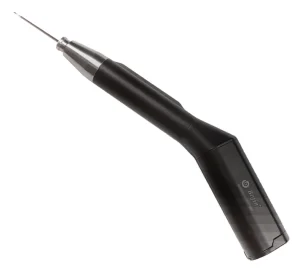
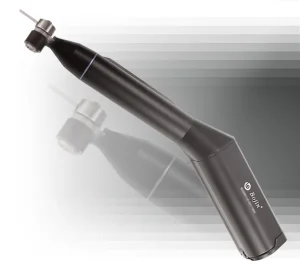
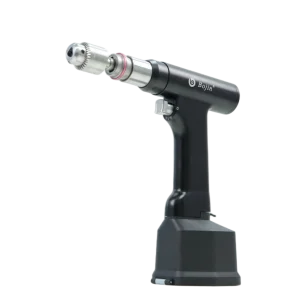
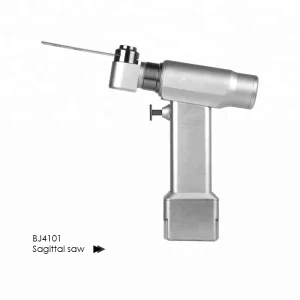
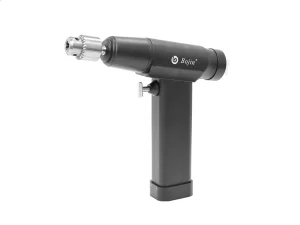
A major bottleneck in these high-throughput theatres is the physical footprint of single-use, specialized handpieces. The integration of "Basic Level (Multi-function)" systems addresses this by using a singular, robust brushless motor drive unit combined with modular quick-connect attachments (oscillating saw, sagittal saw, k-wire driver, and reaming configurations). This reduces initial capital expenditure (CapEx) and minimizes autoclave space requirements, presenting a highly optimized solution for Japanese health institutions operating under the DPC (Diagnosis Procedure Combination) reimbursement model.
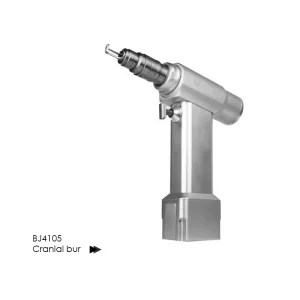
In traditional medical procurement, "basic level" was often associated with compromised durability or manual motor interfaces. Today, under modern engineering standards, our Basic Level systems refer to standardized, high-density modular units powered by brushless DC motors (BLDC). These units skip unnecessary digital readouts and focus on mechanical longevity, high-temperature resistance, and consistent torque delivery. By using standardized coupling mechanisms, a single handpiece easily transitions from a high-speed cranial burr to a high-torque acetabular reamer.
Trauma & Emergency response (DMAT): Disaster Medical Assistance Teams (DMAT) in Japan require lightweight, long-battery-life instruments that operate without reliance on continuous grid power. The dual-battery hot-swap system ensures operations can continue in harsh emergency settings.
Secondary Regional Care Facilities: Standard surgical suites benefit from the multi-function system's low maintenance footprint. Service technicians can troubleshoot a single modular drive line instead of multiple dedicated single-use instruments, lowering overall maintenance overhead.
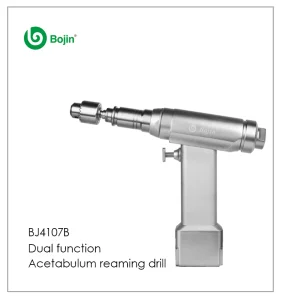
Joint Arthroplasty Support: The low-speed high-torque acetabulum reamer configuration provides surgeons with the tactile feedback needed for precise bone bed preparation, reducing the risk of thermal necrosis.
Why sourcing from our vertically integrated China facility provides strategic advantages for Japanese distributors.
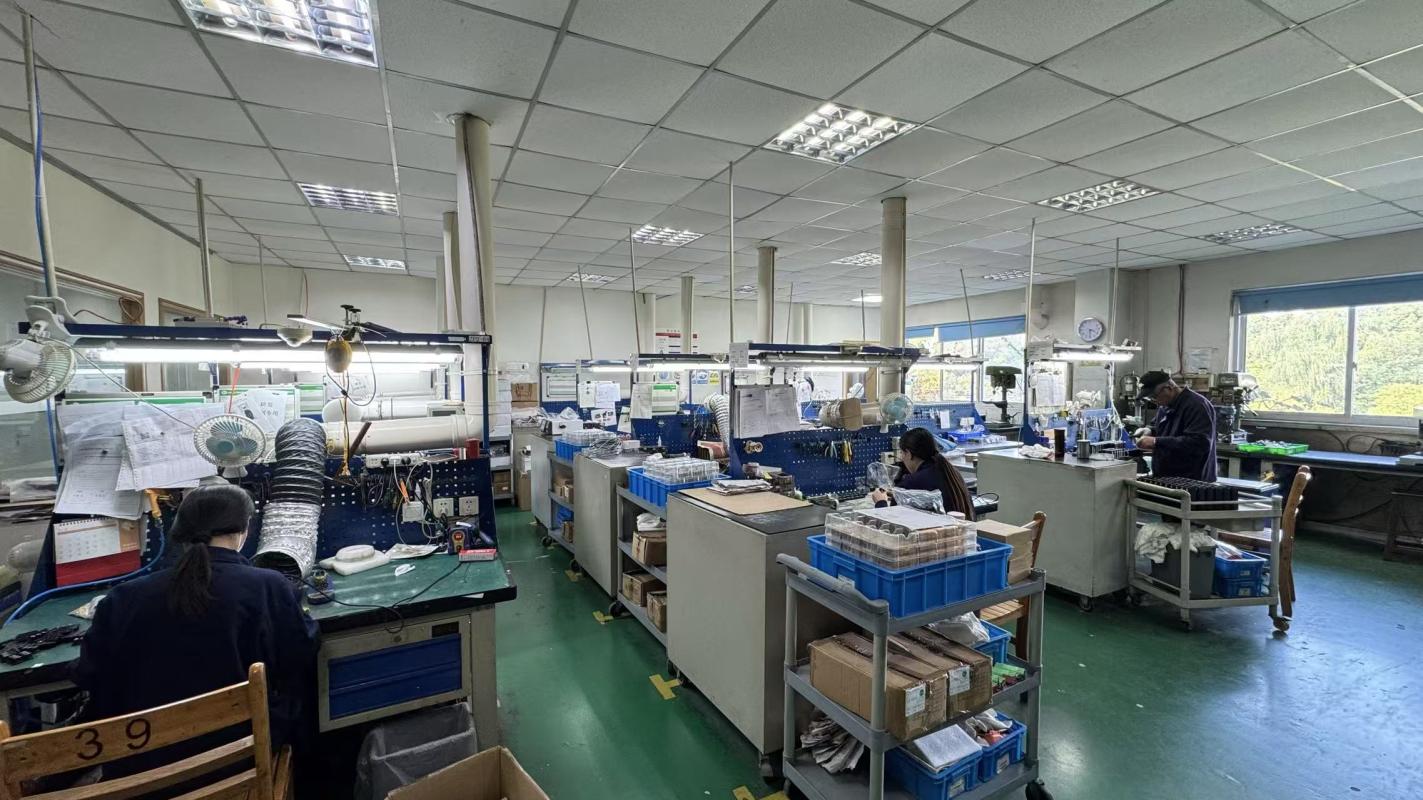
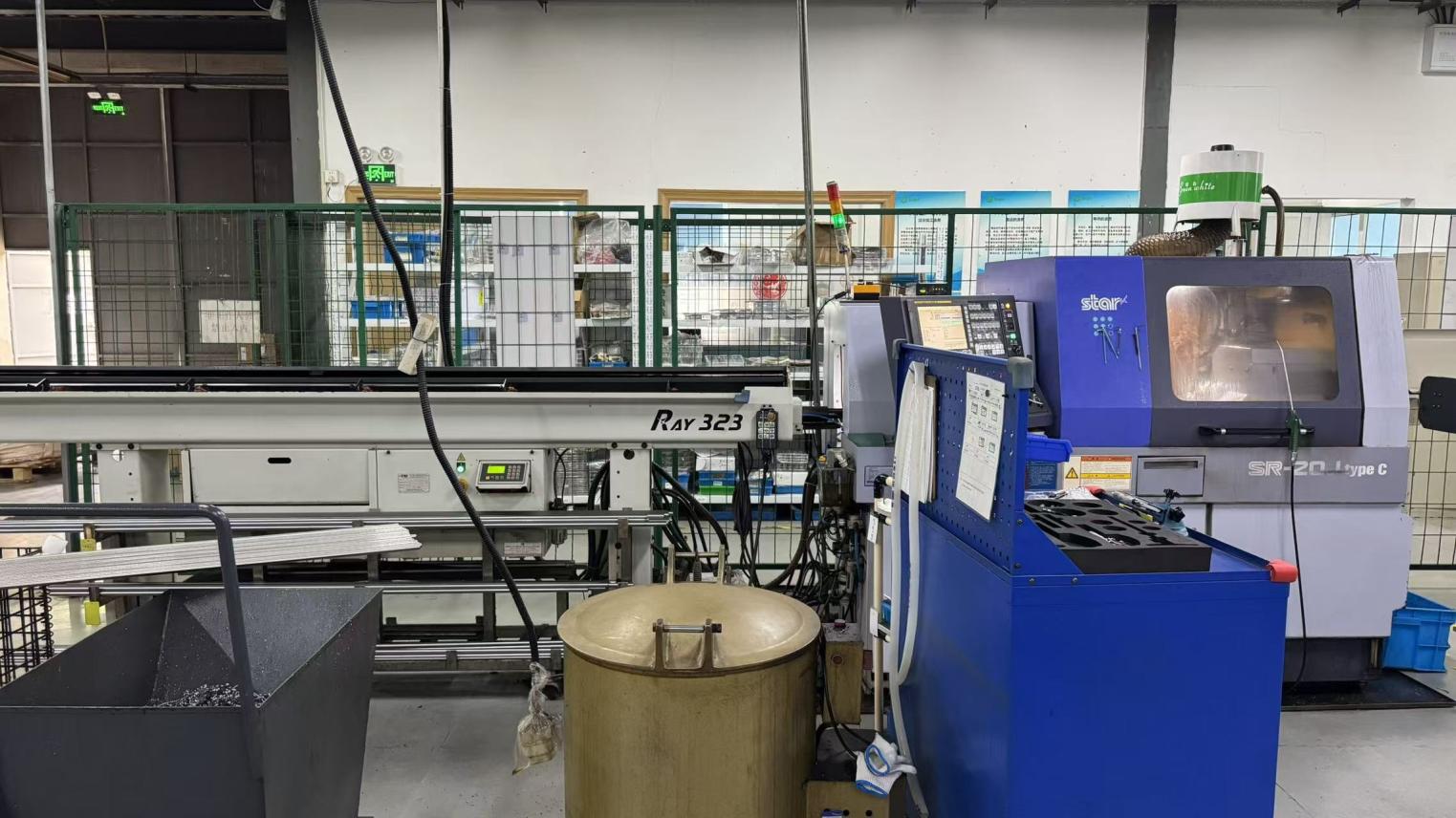
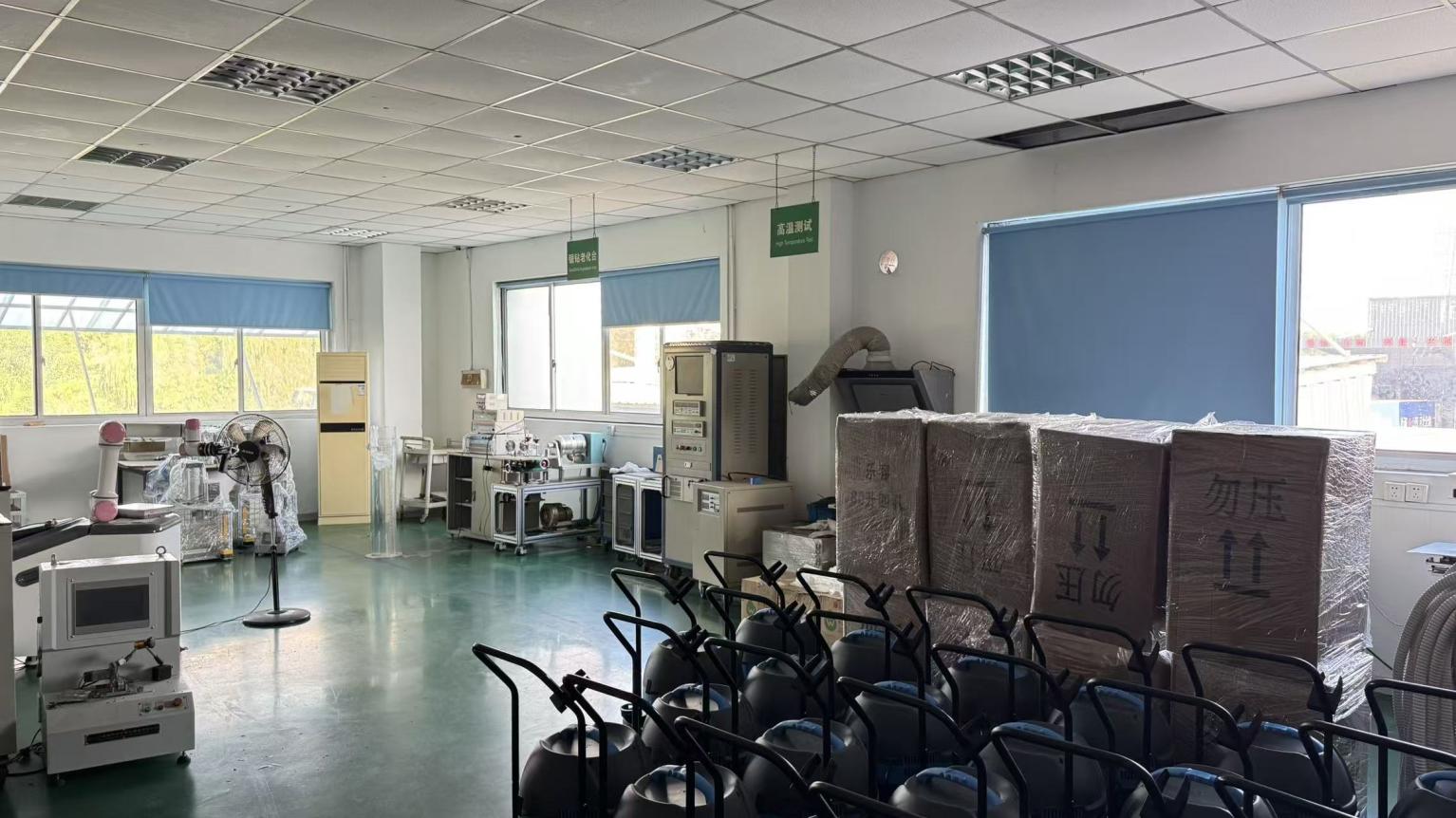
As supply chains face global pressures, our production facility in Shanghai offers Japanese medical device partners a reliable and fast alternative to European and American OEMs. Our factory leverages localized raw material sourcing (high-grade surgical steel, advanced medical polymers) and high-precision CNC machining centers to ensure quick order-to-delivery turnarounds.
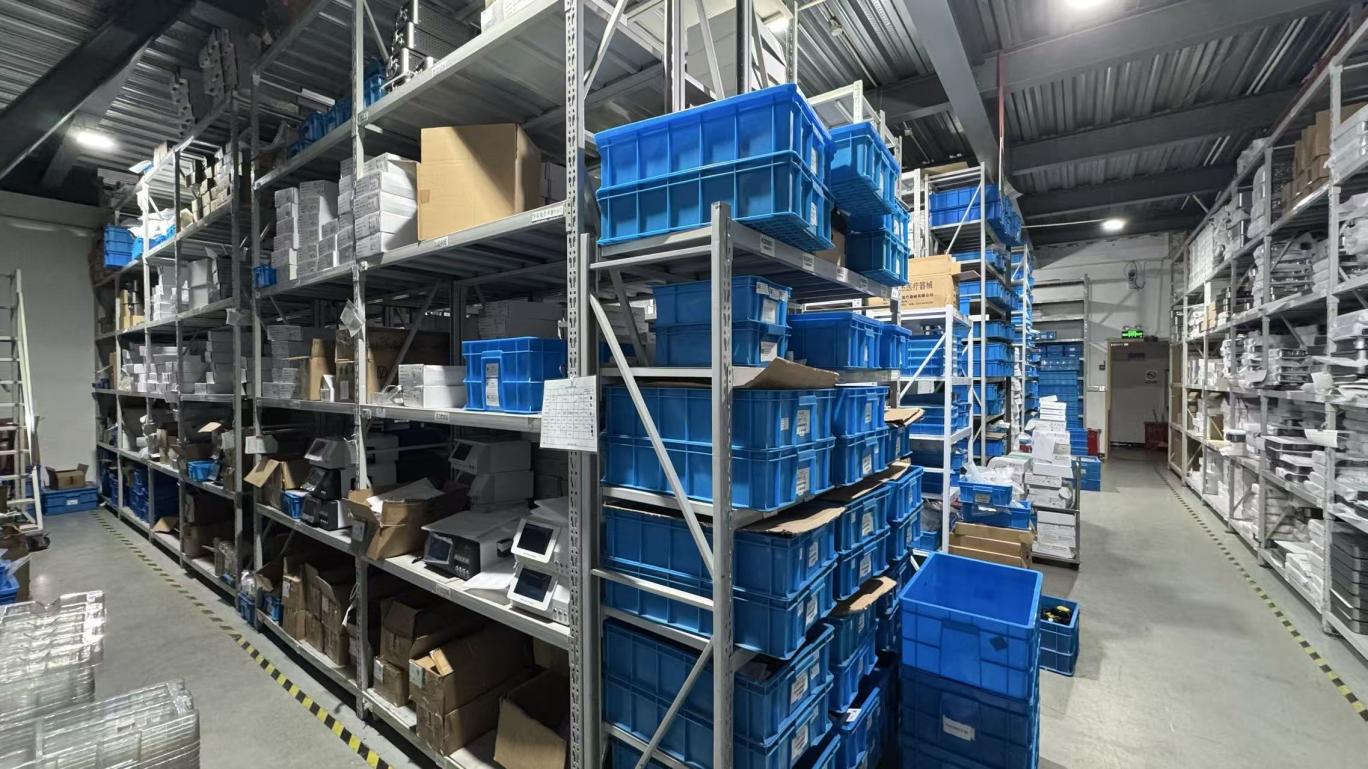
Our vertical integration covers motor design, controller calibration, and CNC housing machining, allowing us to keep replacement parts in stock and maintain short lead times. We offer customized OEM/ODM services, adapting torque curves, shaft lengths, and attachment couplings to align with the specific preferences of Japanese orthopedic surgeons.
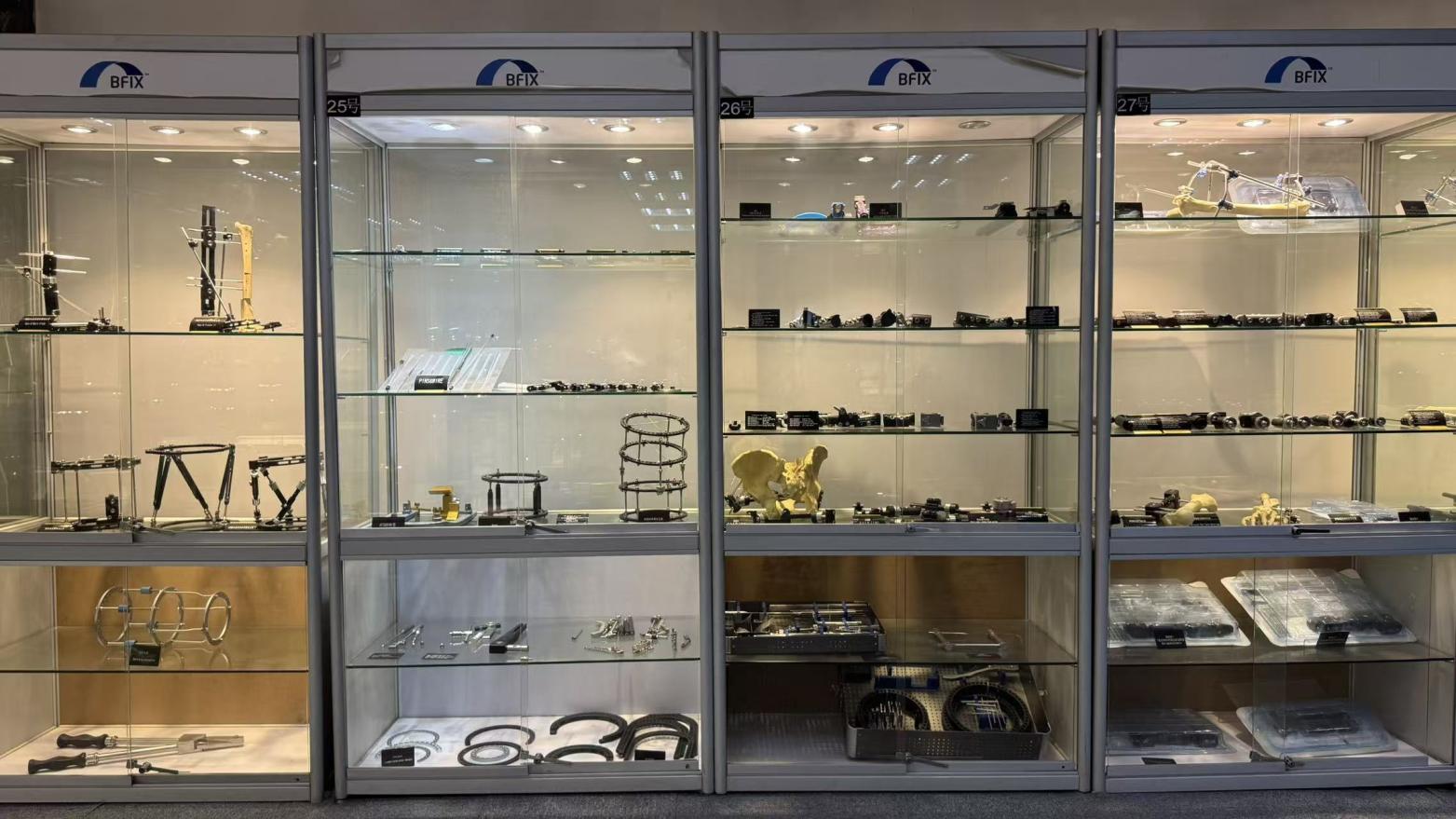
Our engineering team focuses on three key technical goals to extend the lifespan of our surgical handpieces:
Our production lines operate under strict international medical device standards to ensure smooth regulatory pathways and PMDA registration preparedness.


Transparent display of internal components, testing protocols, and mechanical layouts.
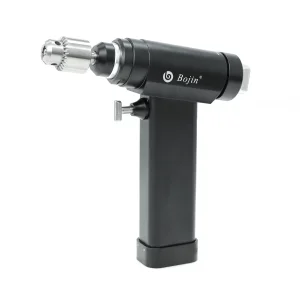
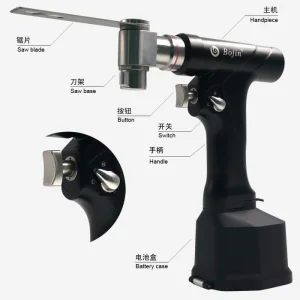
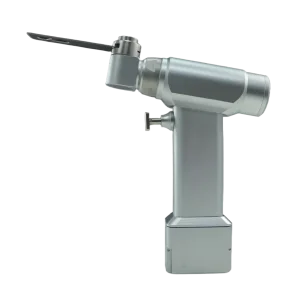
Detailed selection of replacement handpieces, modular drivers, and heavy-duty trauma tools compatible with our main system console.
Answers to common regulatory, sterilization, compatibility, and supply chain questions for the Japanese market.
 BD Medical