High-precision orthopedic power tools designed for clinical safety, high torque, and lifetime reliability.
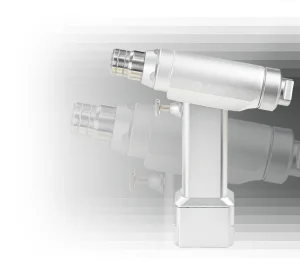
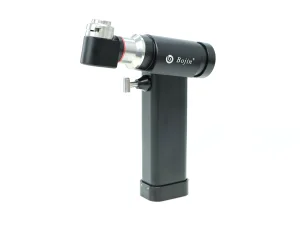
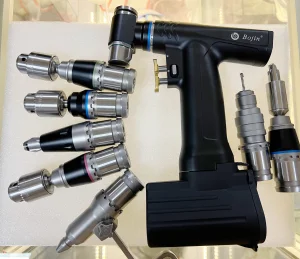
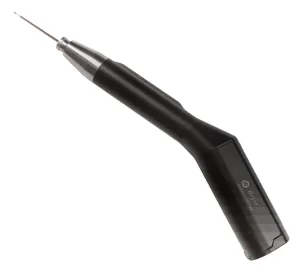
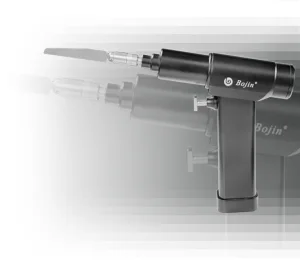
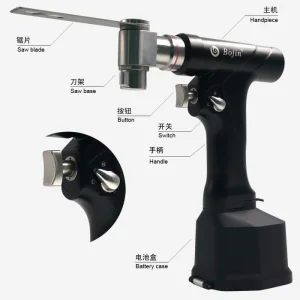
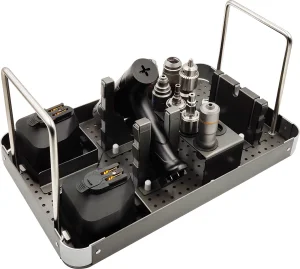
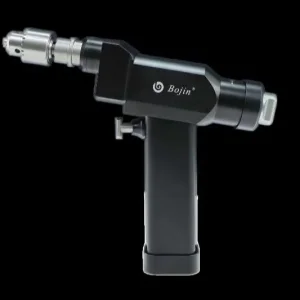
The global market for precision surgical cutting tools has witnessed unprecedented expansion due to rising clinical demands, aging populations, and advancements in joint reconstruction therapies. Precision cutting tools designed for surgical operations—most notably motorized reciprocating saws, cannulated drills, and acetabulum reaming drills—serve as the foundation for modern trauma surgeries, total hip/knee arthroplasty, and cardiothoracic procedures. In surgical environments, accuracy translates directly to patient outcome safety, minimized osteonecrosis risks, and rapid post-operative recovery.
Unlike standard industrial cutting tools, medical-grade precision cutting devices must operate under strict biological constraints. The surgical interface requires minimal thermal elevation, high rotational stability, and complete resilience to high-temperature steam sterilization (autoclaving). Consequently, manufacturers globally are focusing on integrating advanced brushless DC motors, lithium-ion battery packs with continuous current management, and modular quick-connect couplings to dynamically handle complex procedures.
Compliance is the entry ticket to this global industrial segment. As major medical systems adopt digital surgical planning, power tool requirements shift towards smarter feedback loops. Global exporters must align design methodologies with harmonized medical safety standards, including ISO 13485 quality systems and IEC 60601 electrical safety requirements, to navigate strict regulatory landscapes across the European Union (MDR), North America (FDA), and expanding Asian healthcare systems.
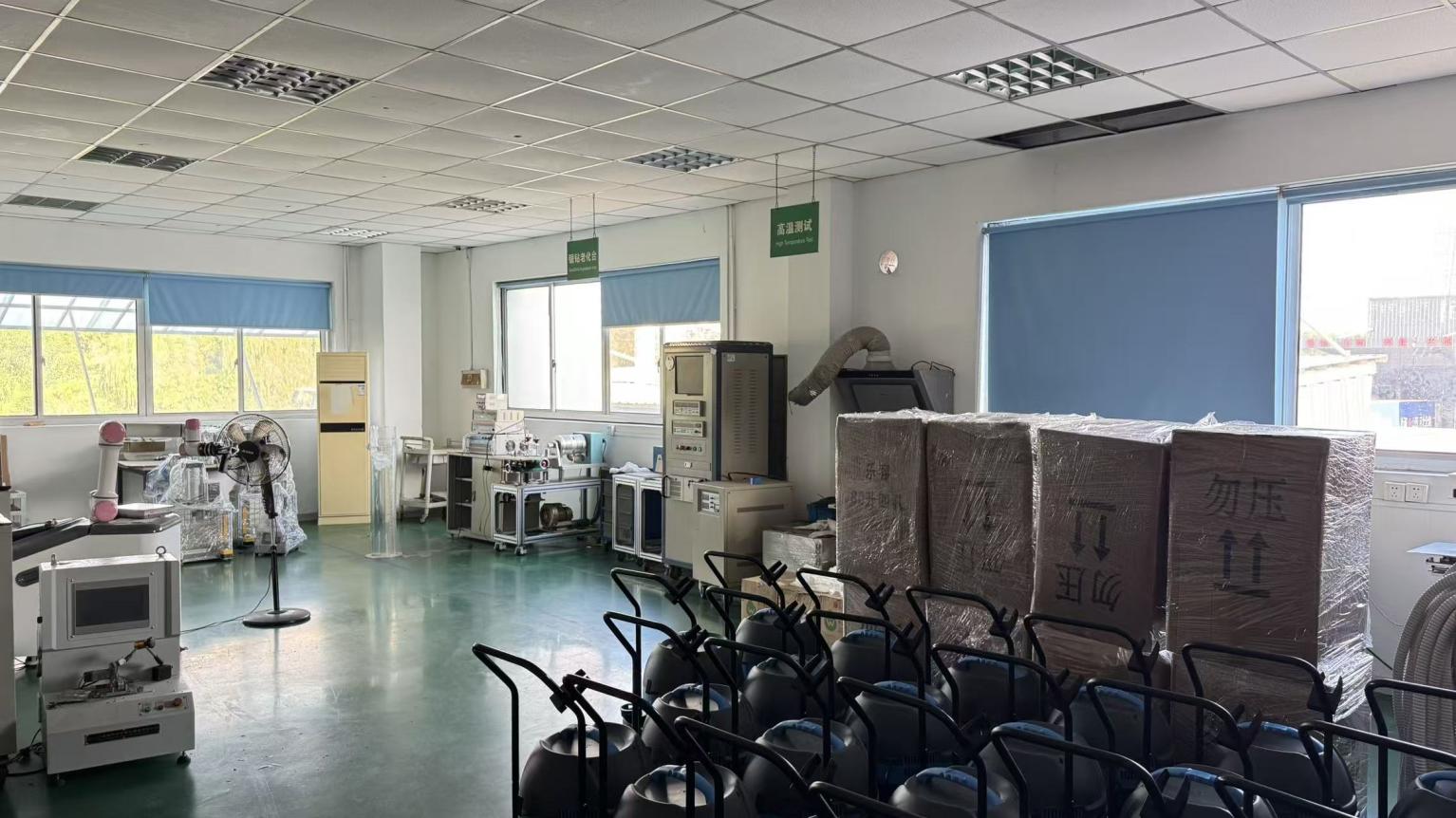
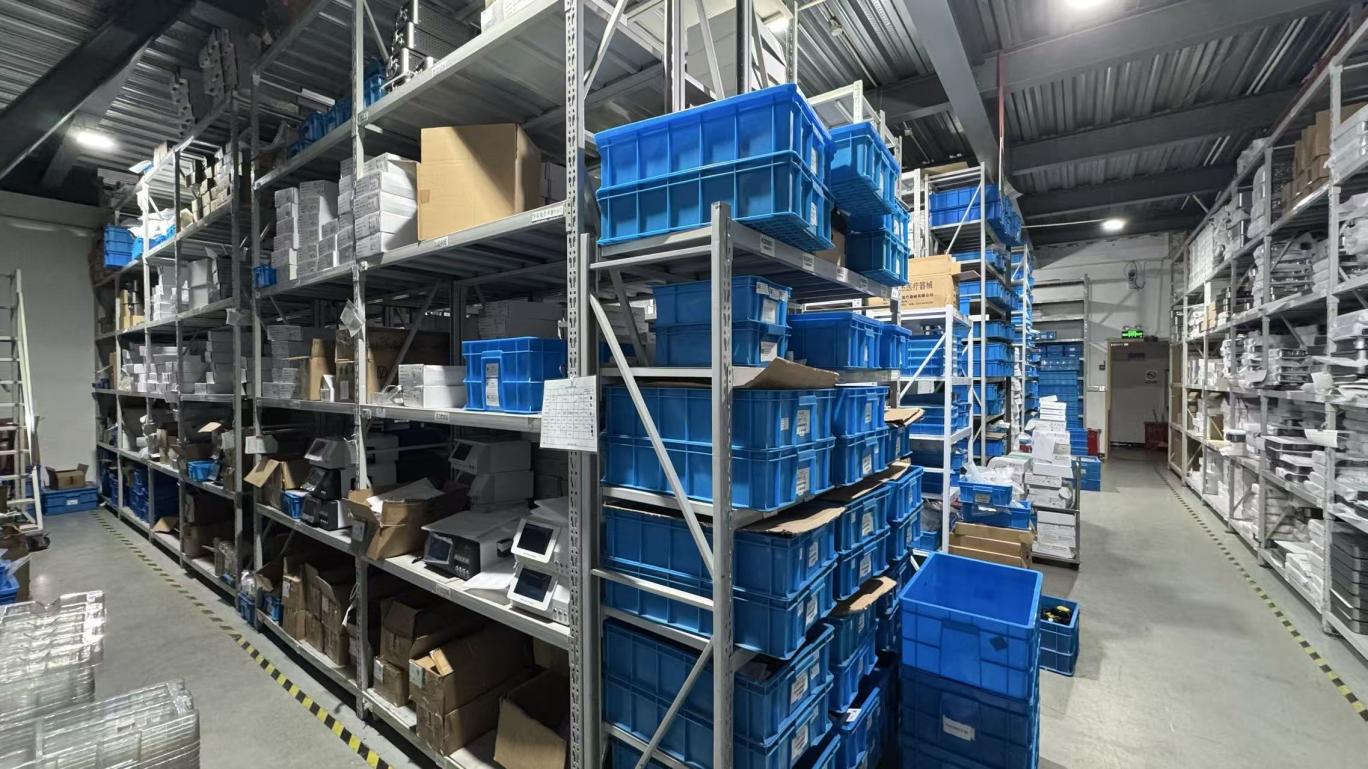
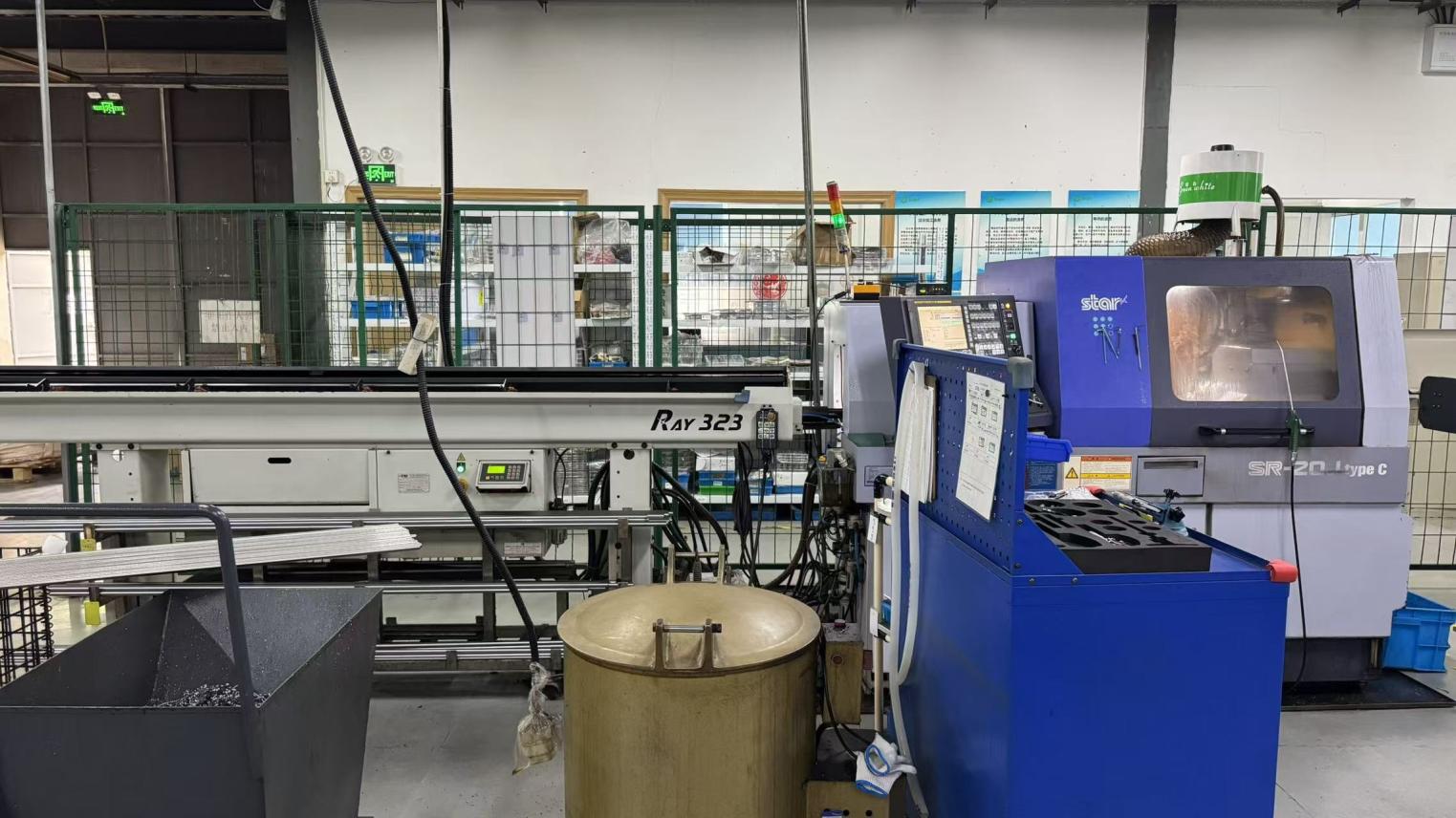
China has solidified its position as a dominant hub for manufacturing and exporting medical-grade precision cutting tools. By merging vast industrial supply chains with advanced automated machining hubs, Chinese factories deliver orthopedic power tools that rival global competitors in performance while providing significant cost optimization. The core advantage stems from comprehensive cluster manufacturing, where raw medical-grade materials, precision Swiss-type CNC lathes, heat treatment facilities, and advanced testing labs reside within tight geographic areas.
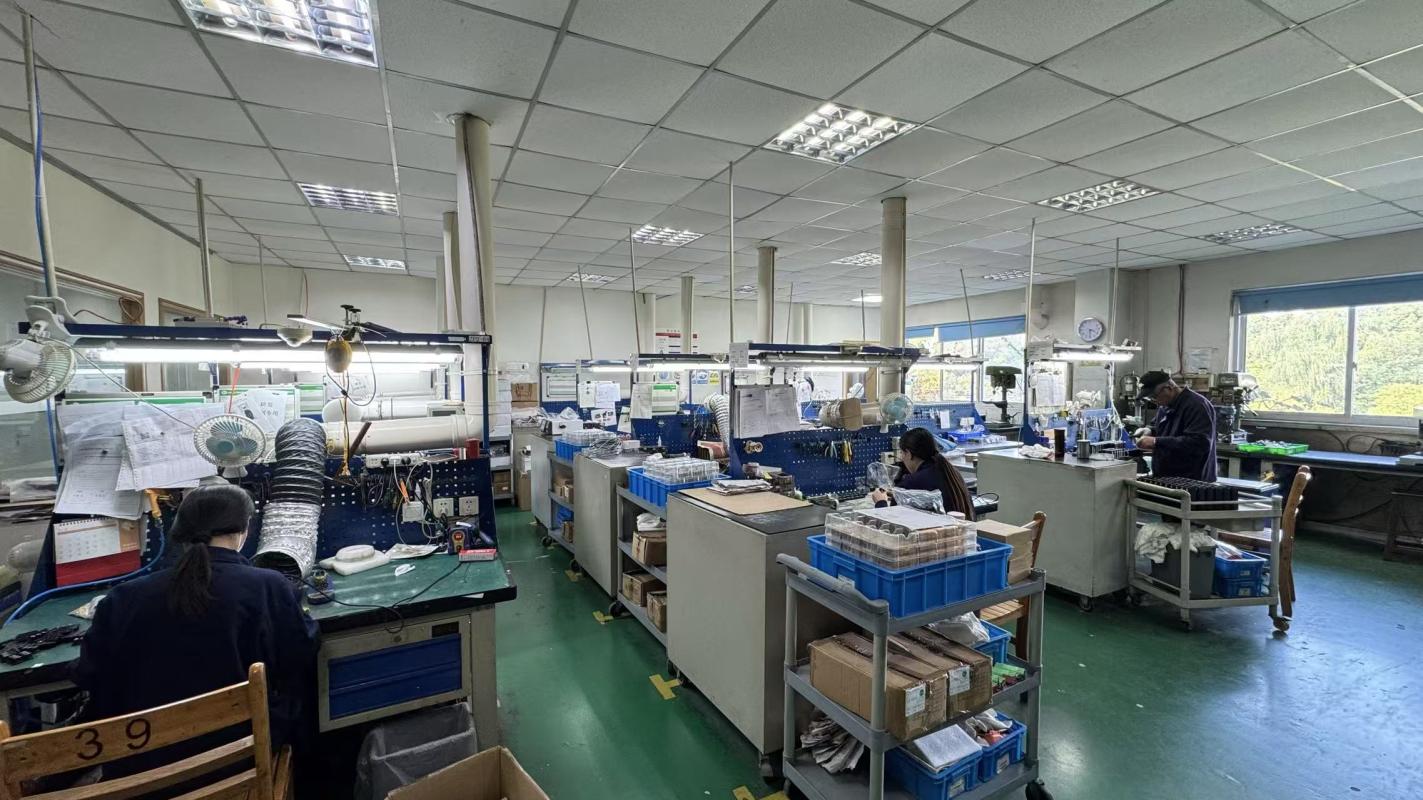
Furthermore, Chinese manufacturers have made monumental leaps in key components, notably integrating German-designed motors to optimize power-to-weight ratios in sagittal and sternum saws. The production pipelines benefit from highly optimized cycle times, allowing rapid tooling adjustments and scale production for bulk hospital bids or OEM/ODM distribution channels. The application of automatic grinding processes ensures each cutting edge, reamer tooth, and drill tip maintains sub-micron consistency across large-scale batches.
Quality control systems within these factories have evolved. Modern assembly lines incorporate multi-phase verification protocols, testing axial load tolerances, thermal dissipation, and waterproof ingress (IPX7 ratings). This structured approach minimizes field failures and ensures that exported medical tools perform reliably from day one under diverse operating conditions.
Exploring the core technological drivers behind high-precision surgical resection systems.
Equipped with advanced brushless DC motors and imported German drives, ensuring consistent torque delivery through dense cortical bone structures without stalling.
Engineered using specialized seals and corrosion-resistant alloys, ensuring the entire instrument survives repeated 134°C autoclave sterilization cycles.
Lithium-ion battery platforms optimized for runtime efficiency, reducing down-time in multi-stage orthopedic trauma procedures.
Orthopedic surgeries are highly specialized, and the choice of cutting tool directly determines surgical ergonomics and cut quality. Understanding these localized application scenarios is essential for global procurement agents sourcing systems for dedicated surgical departments:
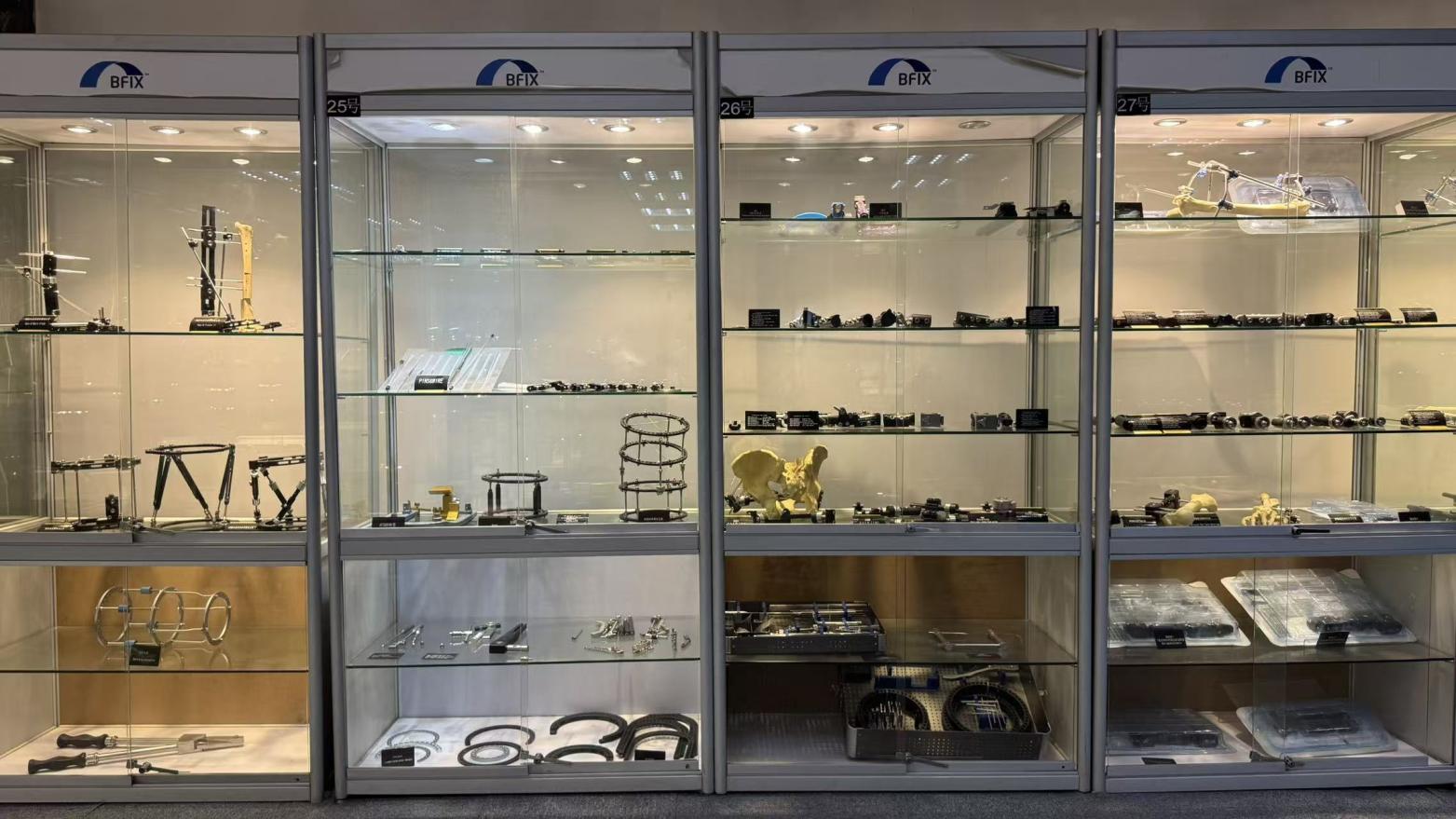
The orthopedic cutting industry is transitioning toward lightweight, smart-sensing, and multi-functional modular platforms. One system that can transition from a sagittal saw to a high-speed drill or a reamer with quick-release coupling saves considerable cost and sterile storage space. B2B procurement agents, hospital distributors, and government tender buyers must evaluate manufacturers using multi-dimensional criteria beyond mere price points.
Critical Verification Checklist for B2B Sourcing:


Essential answers on quality standards, sterilizing protocols, and performance parameters for orthopedic systems.
Compliance requires adherence to ISO 13485 (Medical Devices Quality Management System) and safety standards such as IEC 60601. These regulate manufacturing procedures, material biocompatibility, electrical safety, electromagnetic compatibility, and risk management systems.
Standard batteries cannot withstand high temperature and pressure. Therefore, manufacturers design either: (a) non-autoclavable battery packs used with a sterile transfer funnel, or (b) specially sealed, heat-resistant batteries engineered to endure steam autoclaving at 134°C.
Brushless DC (BLDC) motors offer higher efficiency, superior torque-to-weight ratios, lower operating noise, and significantly longer operational lifespans because they lack carbon brushes that wear down over time.
With complete manufacturing ecosystems, Chinese medical power tool factories can easily adjust shaft configurations, drill couplings (e.g., Jacobs, AO, Stryker interfaces), custom branding, and battery housing designs rapidly and cost-efficiently.
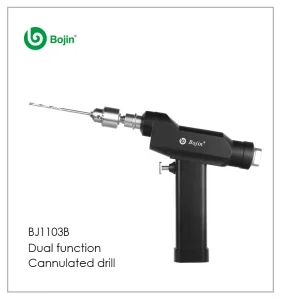
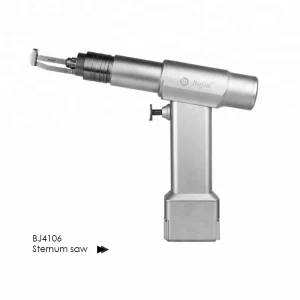
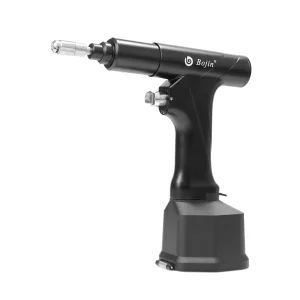
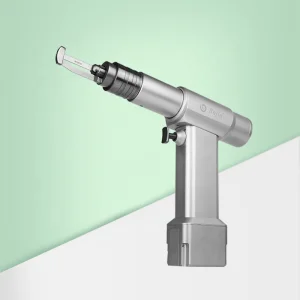
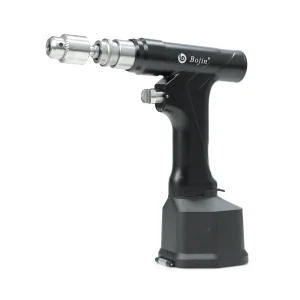
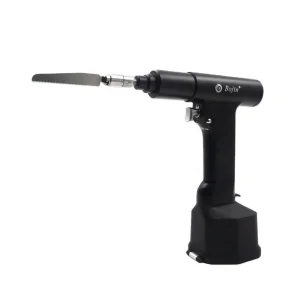
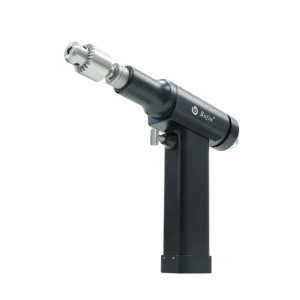
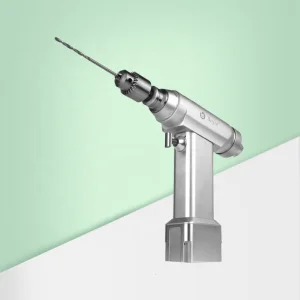
Explore our core collection of heavy-duty sagittal saws, reciprocating saws, and orthopedic drills.
 BD Medical