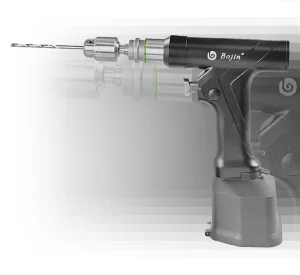
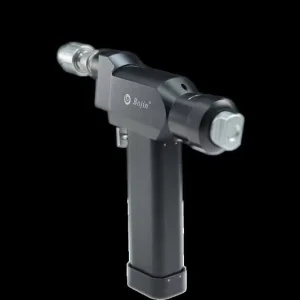
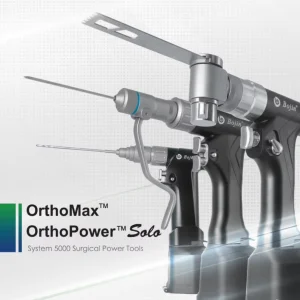
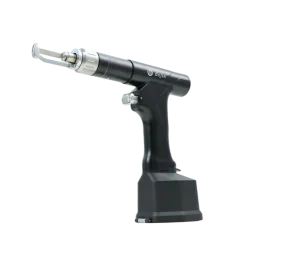
Select, hospital-grade surgical drills, sagittal saws, and multi-functional attachment toolkits engineered for operating efficiency.
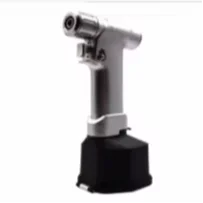
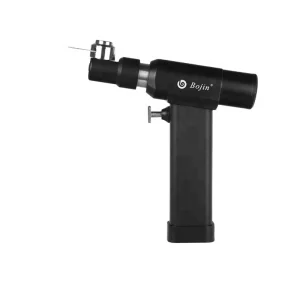
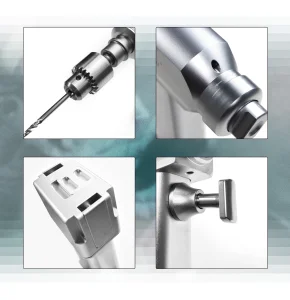
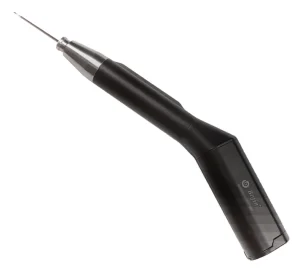
In modern surgical environments, efficiency, precision, and cost-effectiveness are paramount. The emergence of medical-grade multi-function tool kits has revolutionized operating rooms by integrating drilling, sawing, reaming, and wire-driving capabilities into a single, high-performance handpiece system. Traditional operating settings required dedicated single-function tools for each surgical segment, inflating capital expenditures and sterilization turn times. Today, orthopedic power tools leverage modular attachments, enabling immediate intraoperative transition between clinical stages.
From trauma orthopedics to veterinary procedures, surgical teams demand handpieces that strike the ultimate balance of ergonomics, high torque output, thermal efficiency, and sterilization durability. Utilizing premium components—such as German brushless motors and micro-engineered gearboxes—top-tier manufacturers like Shanghai Bojin deliver high-power surgical systems capable of undergoing repetitive 134°C autoclave sterilization cycles without structural or functional degradation.

For global procurement managers, OEM distributors, and hospital purchasing directors, sourcing orthopedic power tools from established Chinese manufacturing hubs has transitioned from a cost-saving measure to a strategic competitive advantage. Key factors driving this industry shift include:
"The core of modern orthopedic manufacturing lies in the ability to balance ultra-precise torque outputs with the physical resilience needed to survive high-pressure steam sterilization. This intersection is where Chinese clinical-grade manufacturing excels."
The global multi-functional orthopedic tool market is experiencing a profound technological paradigm shift. Moving forward, the industry is aligning along several core development trajectories:
Modern surgical power systems are increasingly incorporating real-time feedback loops. Smart bone drills utilize specialized load sensors to detect bone density variations, automatically adjusting speed or stopping torque when navigating delicate biological regions, such as the distal cortex, to avoid soft tissue injury.
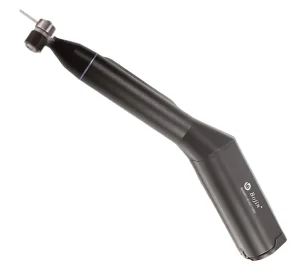
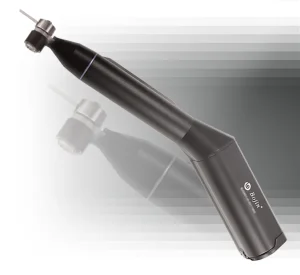
Historically, high-torque bone drills were bulky, leading to user fatigue during prolonged reconstructive procedures. With the implementation of advanced planetary gear systems and lighter materials (such as aviation-grade aluminum and carbon fiber housings), systems like the BJ3401-II series pack high-speed cutting capability into ultra-compact, pen-style footprints optimized for hand, foot, and maxillofacial surgery.
Traditional Nickel-Metal Hydride (NiMH) batteries are rapidly giving way to specialized lithium-ion cells with higher power density and integrated smart charge-management chips. These intelligent power systems prevent memory effect degradation, double the operational runtime per charge, and withstand the vacuum-steam pressure conditions of modern autoclaving.
How versatile multi-functional power systems integrate into various clinical settings and distribution models.
Enables orthopedic surgeons to rapidly swap between high-speed drilling (for bone screws) and high-torque reaming (for intramedullary canal preparation) during complex hip or knee arthroplasties. Fast attachment changes minimize patient time under anesthesia.
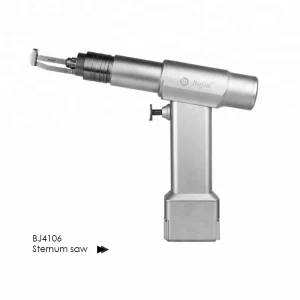
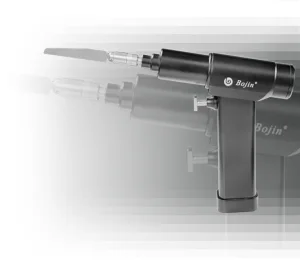
Provides specialized sternum and reciprocating saws featuring customized blade guards. High-capacity power units (such as the BJ4106) deliver fast, low-vibration cuts through dense bone tissue, which helps reduce postoperative bone healing times.
Standardizing on modular, multi-functional surgical systems reduces a hospital's capital outlay for specialized power units, streamlines sterilizer utilization, and simplifies medical staff training programs across surgical departments.

Importing medical devices requires thorough validation of raw materials, manufacturing protocols, and electrical safety performance. Global procurement managers evaluating suppliers should review the following key parameters:
Surgical handpieces must be machined from high-grade biocompatible metals—such as 316L medical stainless steel or titanium alloys. The housing must resist corrosion from alkaline detergents, saline solutions, and high-temperature steam sterilization environments.
A high-quality orthopedic power tool should tolerate at least 500 to 1,000 autoclave cycles (typically at 134°C / 2.3 bar for 4-18 minutes) without insulation breakdown or motor degradation. Standardizing on high-grade internal seals prevents water vapor from entering the electrical motor cavity.
Look for motor systems that deliver high speed and torque (such as German brushless motors). Brushless systems eliminate carbon dust contamination risks in sterile fields, operate with less mechanical friction, and generate less heat during extended use.

Shanghai Bojin maintains rigorous compliance standards, ensuring its surgical power tool range is manufactured under strict quality controls for reliability in demanding medical applications.

Medical Devices Quality Management System Standard
Certificate No: SX 2182378-1
Standard for Medical Electrical Equipment Safety
Certificate No: CN22QF7O 001Expert technical answers to common questions about buying, sterilizing, and maintaining orthopedic tool kits.
Brushless motors use electronic controllers instead of carbon brushes to spin the rotor. This design eliminates mechanical friction, reduces heat generation, eliminates carbon dust particle release, and extends the overall service life of the handpiece. These features make brushless motors ideal for sterile, high-precision surgical environments.
Directly after a surgical procedure, remove all quick-connect attachments, batteries, and accessories. Wipe the handpiece casing down with a soft, damp cloth and neutral cleaning solution. Do not submerge the tool in water or place it in an ultrasonic cleaner. Sterilize the handpiece in an autoclave chamber (typical settings are 134°C for 4 to 18 minutes, depending on hospital protocols). Always allow the components to cool completely to room temperature before reuse.
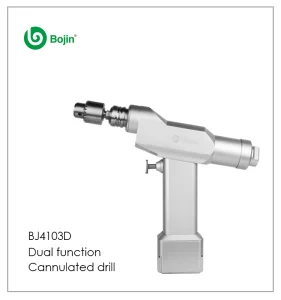
A cannulated drill features a hollow central channel along its longitudinal axis. This lumen allows surgeons to slide the drill over a pre-positioned K-wire or guide wire, ensuring high precision when drilling channels for hollow bone screws during fracture repair procedures.
Yes. Smaller veterinary patients, such as companion animals, benefit from compact, pen-style orthopedic tools (like the BJ3401 series). Larger animals, including equine patients, require higher torque outputs, making standard trauma power tools suitable for these veterinary surgical procedures.
Reputable manufacturers typically offer a 1 to 2-year warranty on the handpiece system, with separate warranties for batteries and accessories. High-quality suppliers also provide spare parts, calibration support, and training resources to local service centers to ensure smooth maintenance operations.
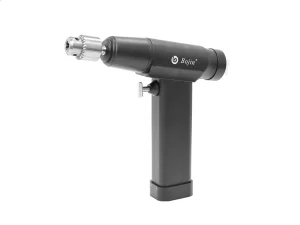
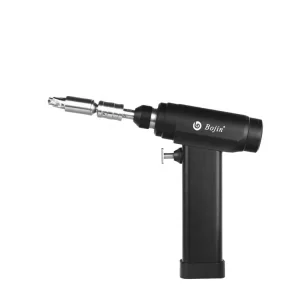
Autoclavable trauma drills, micro-saws, and heavy-duty battery-operated surgical systems built for reliability.
 BD Medical