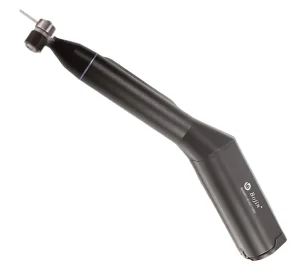
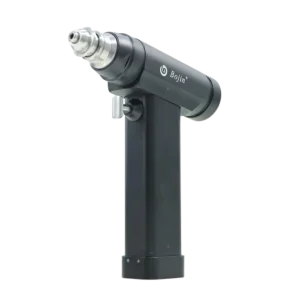
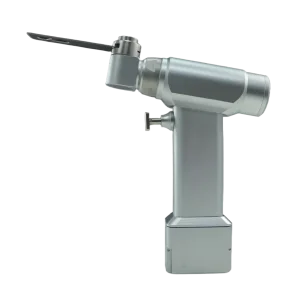
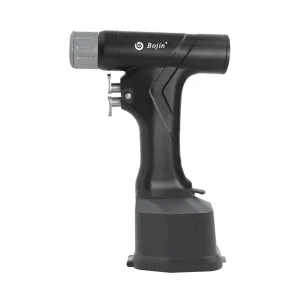
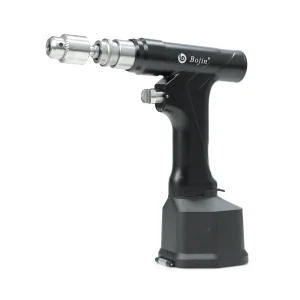
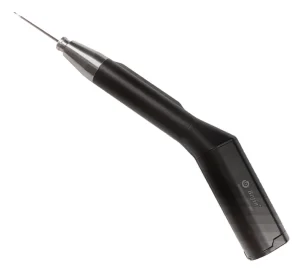
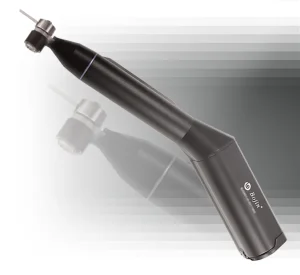
Engineered for High Precision, Enhanced Ergonomics, and Consistent Surgical Interventions
Large bone surgical power tools—comprising sagittal saws, reciprocating saws, reamers, and heavy-duty bone drills—are the backbone of high-stakes orthopedic procedures like Total Joint Arthroplasty (TJA), traumatology stabilization, and cardiothoracic surgeries. Operating in environments where high torque, structural stability, and thermal control are paramount, these instruments dictate surgical outcomes.
Over the past decade, the transition from pneumatic systems to brushless DC (BLDC) battery-driven designs has revolutionized operating theaters. Clinical needs emphasize the prevention of osteonecrosis by minimizing thermal dissipation at the bone interface. Modern medical drills mitigate risk via intelligent torque regulation, maintaining high speed without exceeding critical thermal threshold parameters.
Furthermore, sterilization challenges demand that power systems withstand rigorous autoclave processes (up to 135°C at elevated pressures) without degrade in electrical insulation, structural seal integrity, or motor life.
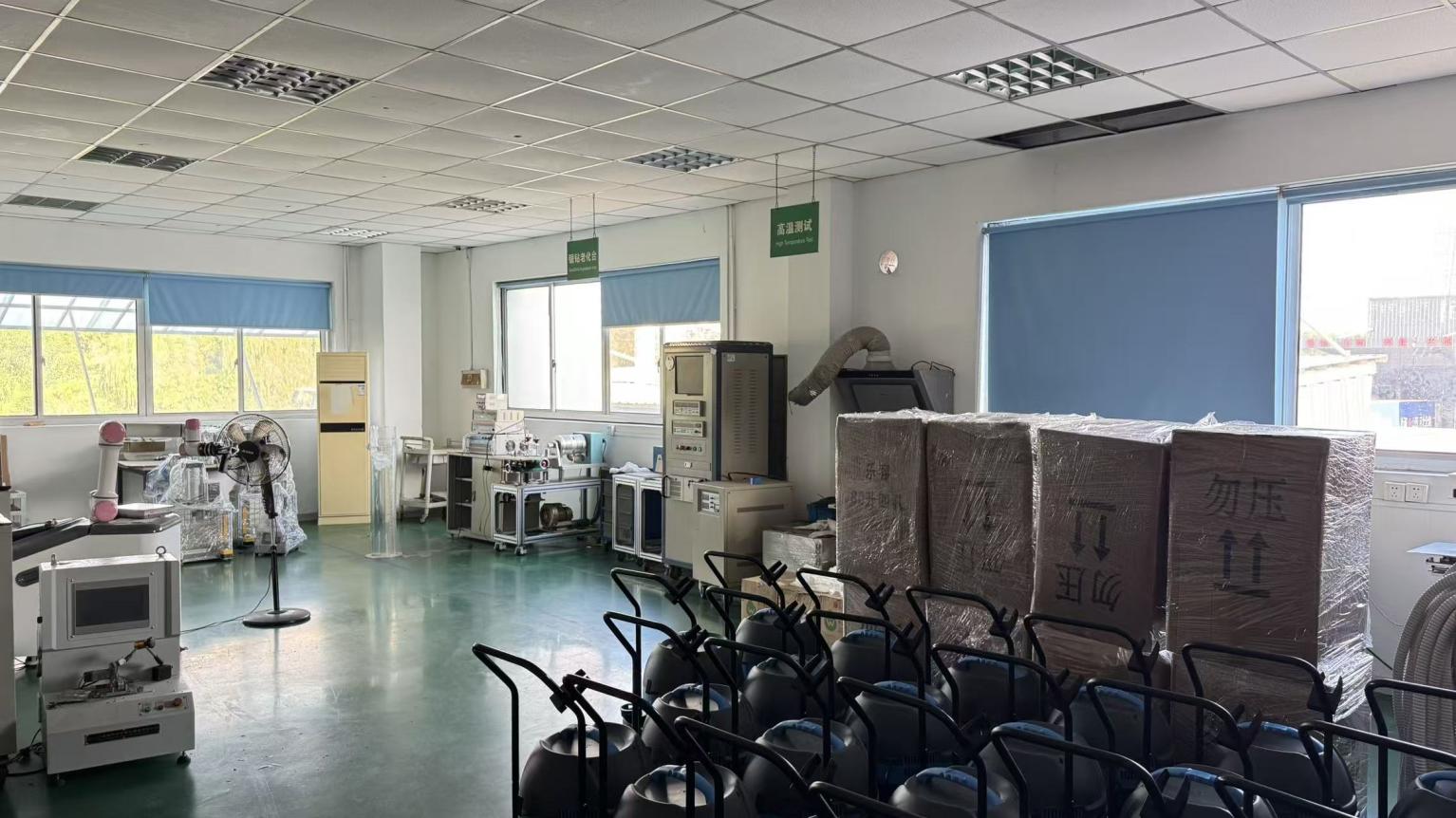
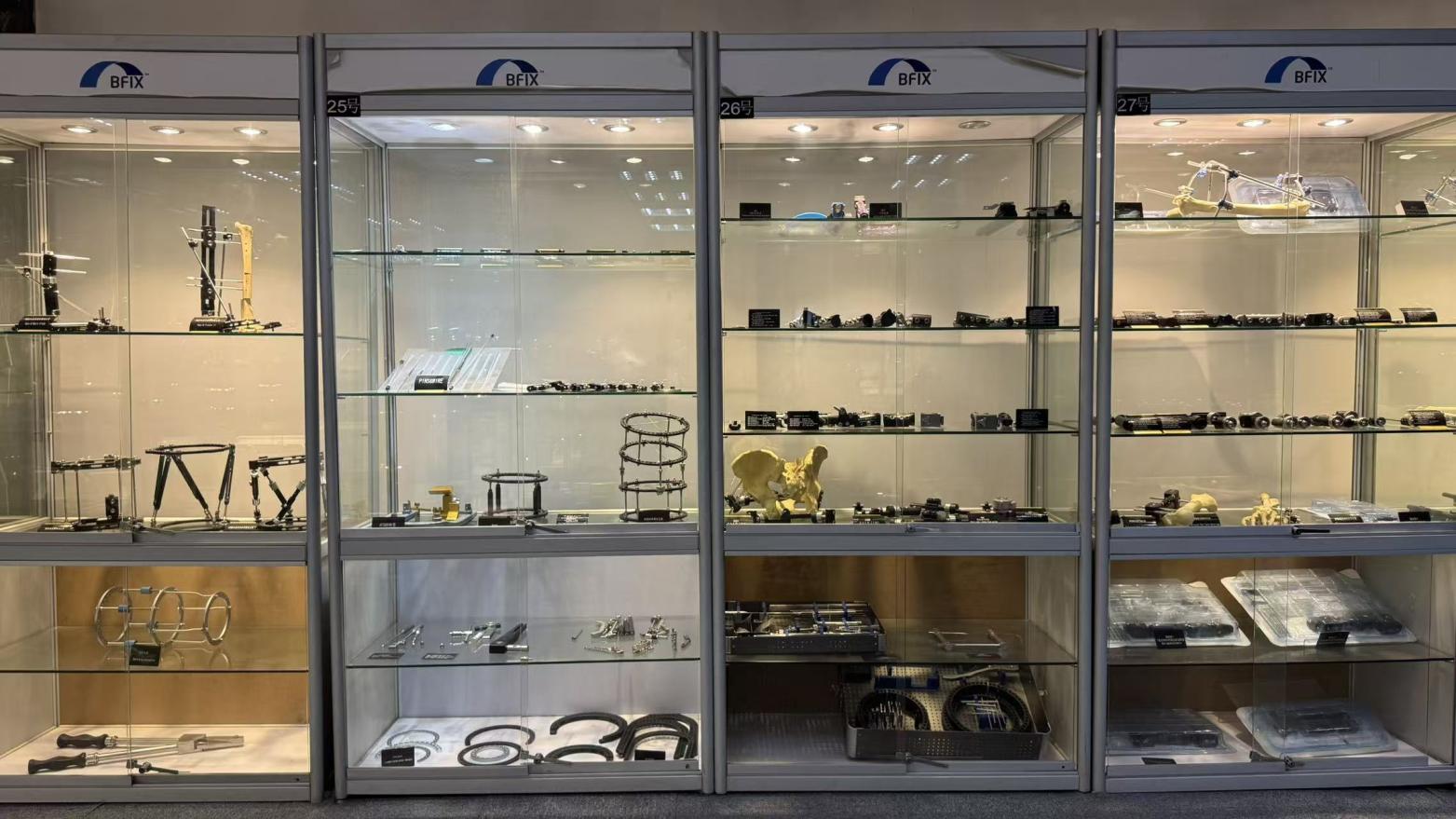
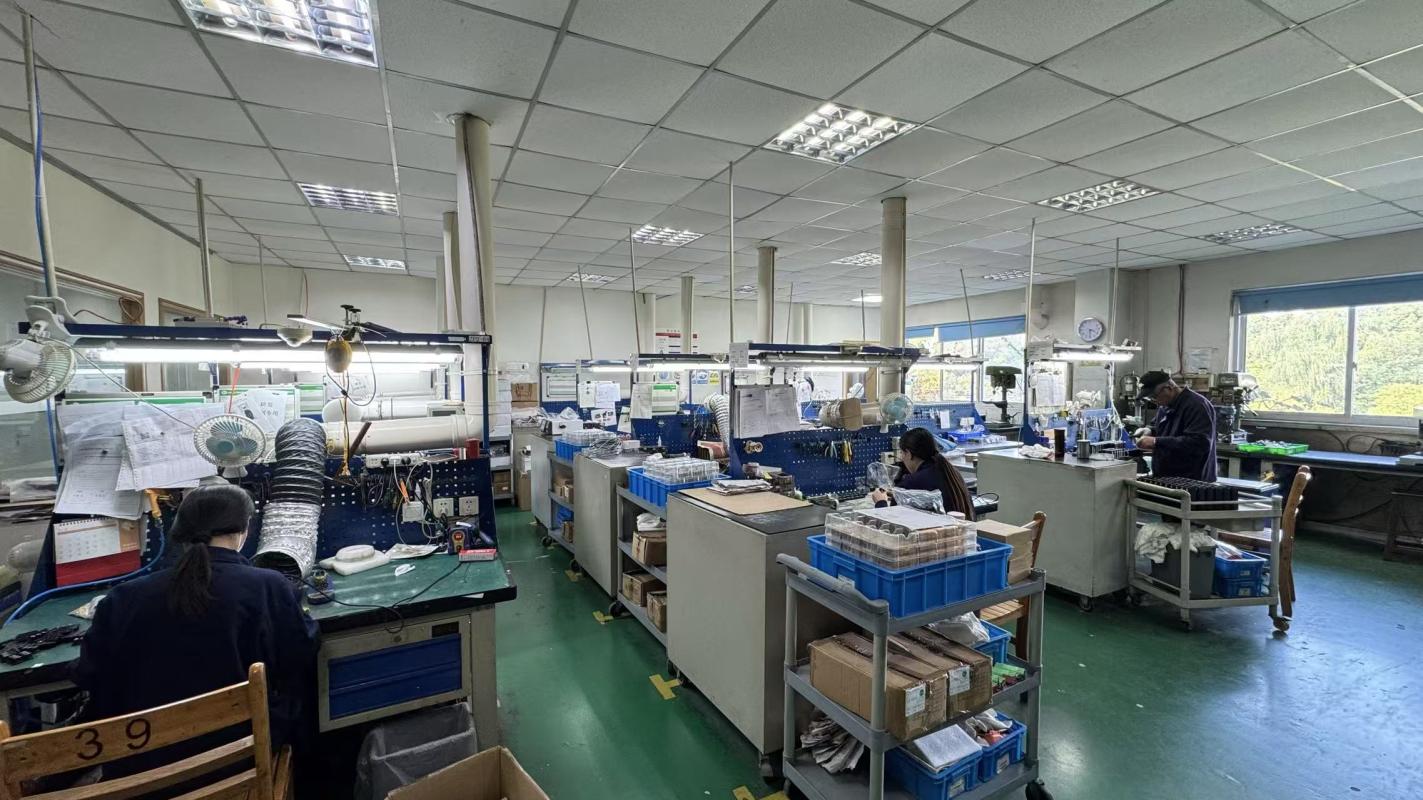
Unveiling the Integrated Supply Chain, Metallurgy Research, and High Precision Machining Ecosystem
Utilizing high-grade surgical stainless steel (sus 316L & 440C) and lightweight aerospace aluminum alloys, ensuring maximum corrosion resistance during harsh chemical sterilization.
Chinese OEM/ODM giants integrate highly efficient German motors and high-capacity Li-ion batteries to deliver superior torque-to-weight ratios compared to traditional heavy handpieces.
From component verification using coordinate measuring machines (CMM) to load testers simulating real bone impedance, tools undergo a standardized multi-point QA checklist.
Understand the technical differences between high-speed trauma drills and high-torque joint reaming systems
| System Classification | Typical Applications | Drill Speed Range (RPM) | Maximum Torque output (N·m) | Sterilization Limit |
|---|---|---|---|---|
| Trauma Surgical Drills | Plate osteosynthesis, intramedullary nailing, K-wire insertion | 0 - 1200 / 0 - 1500 (Stepless) | > 3.5 N·m | Autoclave 135°C / 1.6 Bar |
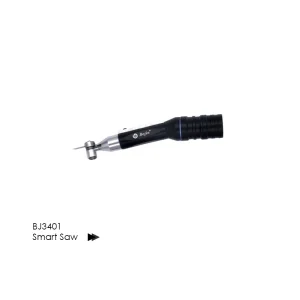
| Large Bone Sagittal Saws | Total Knee/Hip Arthroplasty bone resections | 0 - 15000 OSC/min | High Oscillation Thrust | Autoclave 135°C / 1.6 Bar |
| Acetabular Reaming Systems | Hip socket expansion, intramedullary canal reaming | 0 - 300 / 0 - 380 (High Torque) | > 9.5 N·m | Autoclave 135°C / 1.6 Bar |
| Cardiothoracic Sternum Saws | Coronary artery bypass, open heart surgery access | 0 - 12000 OSC/min | Optimized Cutting Limit | Autoclave 135°C / 1.6 Bar |
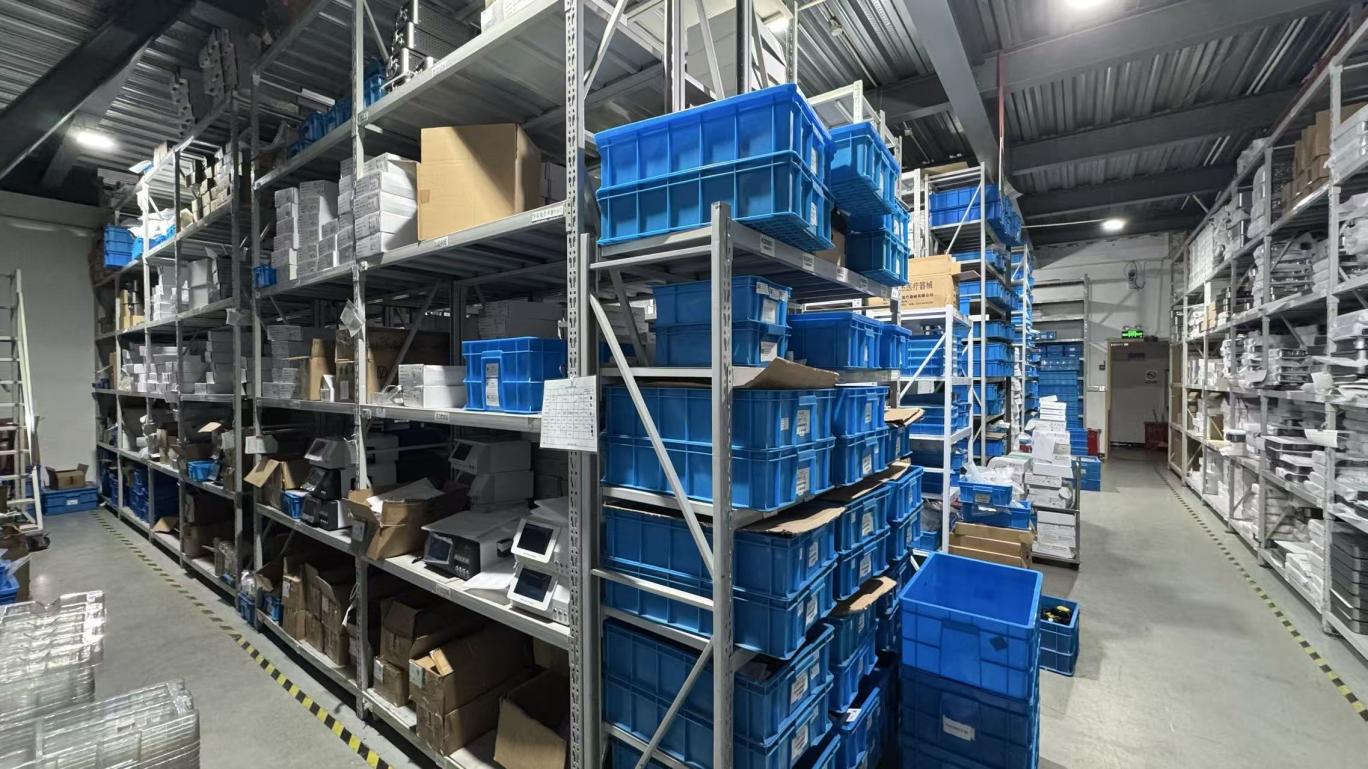
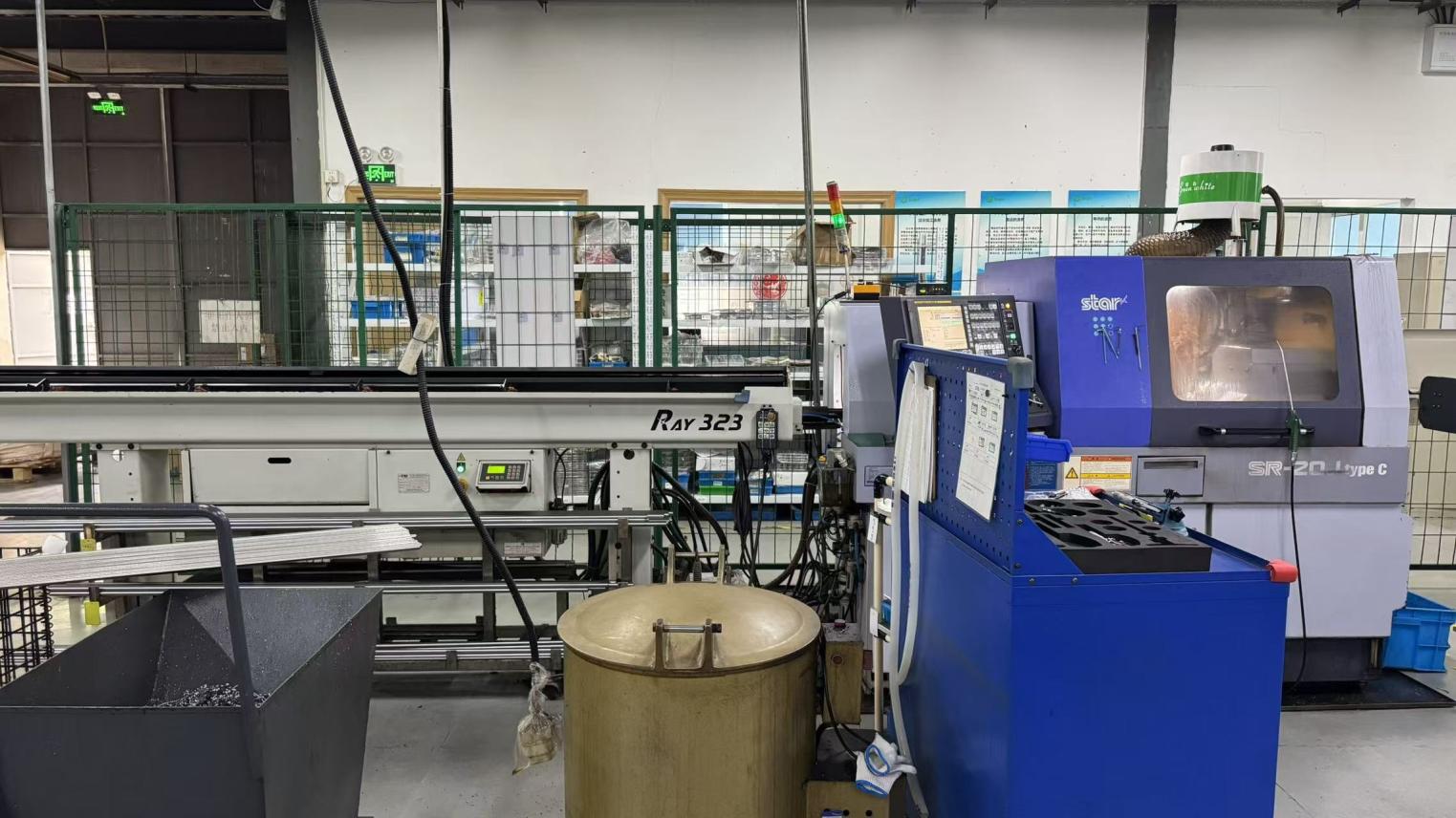
Navigating the regulatory landscape of medical device exports requires extensive engineering alignment. Top-tier Chinese manufacturers act as strategic growth partners, providing comprehensive registration dossiers (Technical Files for CE MDR, 510k submissions for FDA, and SFDA documentation).
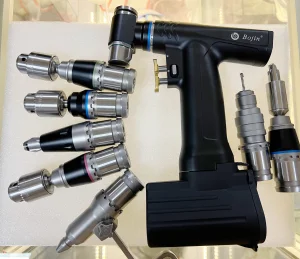
Our factories operate certified Class 100,000 cleanrooms and utilize advanced CNC machining centers to ensure part-to-part consistency. By implementing customizable attachment interfaces (e.g., AO, Hudson, Zimmer, Jacobs chuck, and Synthes quick couplings), we ensure our systems adapt to existing global surgical portfolios without interruption.
Furthermore, with integrated lithium-ion battery intelligence (featuring internal safety microchips to prevent overcharging or sudden current drops), modern medical centers enjoy uninterrupted procedures and a lifespan exceeding 1000 sterilization cycles.
A structured auditing framework for procurement directors evaluating medical power tool exporters
Confirm the handpiece has an IPX7 or IPX8 liquid ingress protection rating. It must prevent moisture entry during both chemical disinfection and autoclave cycles to protect internal brushless motors.
Verify that the motor controller compensates for resistive torque load dynamically. A system drop under bone density resistance can compromise incision accuracy.
All patient-contact materials must have clear biocompatibility certs. Anodized layers must remain chemically inert under steam sterilization processes.
Clinical, Technical, and Logistical Clarifications for Professional Buyers
Maximize Operating Room Adaptability with Quick-Change Mechanisms and Ergonomic Styling
Surgical instruments manufactured under rigid, verified international medical compliance

Quality management systems standard designed for medical device manufacturing and assembly verification.
SX 2182378-1
Compliance certification verifying medical electrical equipment safety under severe surgical parameters.
CN22QF7O 001 BD Medical