Choosing a Basic Level Hammer Drill is less about chasing maximum power and more about matching capability to real work. For homeowners, maintenance teams, and occasional installers, this tool can handle brick, block, masonry anchors, wood, and metal without the weight of a professional rotary hammer. The Global Power Tools Market reports from Grand View Research and Fortune Business Insights both identify cordless tools as a major growth area, driven by portability and easier jobsite use. That trend matters in a small garage. A compact drill fits beside a toolbox, while its battery avoids a cable across the floor.
Performance still requires judgment. A basic hammer drill usually combines rotary drilling with a light percussion action. It is suitable for small holes in brick or concrete, but it may struggle with thick reinforced concrete. The U.S. National Institute for Occupational Safety and Health warns that vibration exposure deserves attention, especially during repeated tool use. Short sessions, sharp bits, firm handling, and hearing and eye protection remain practical safeguards. Small choices matter.
Kenny Koehler, editor-in-chief of Pro Tool Reviews, has repeatedly emphasized a useful buying principle: “Match the tool to the task.” That idea explains the appeal of a Basic Level Hammer Drill. It offers enough force for common repairs without encouraging unnecessary bulk or cost. Yet the choice is not perfect. Battery platforms, chuck quality, impact rate, and user technique can change results dramatically. A cheaper model may save money today, then frustrate you on the first hard wall. Examine the specifications. Test the grip. Think about tomorrow’s job, not only today’s price.
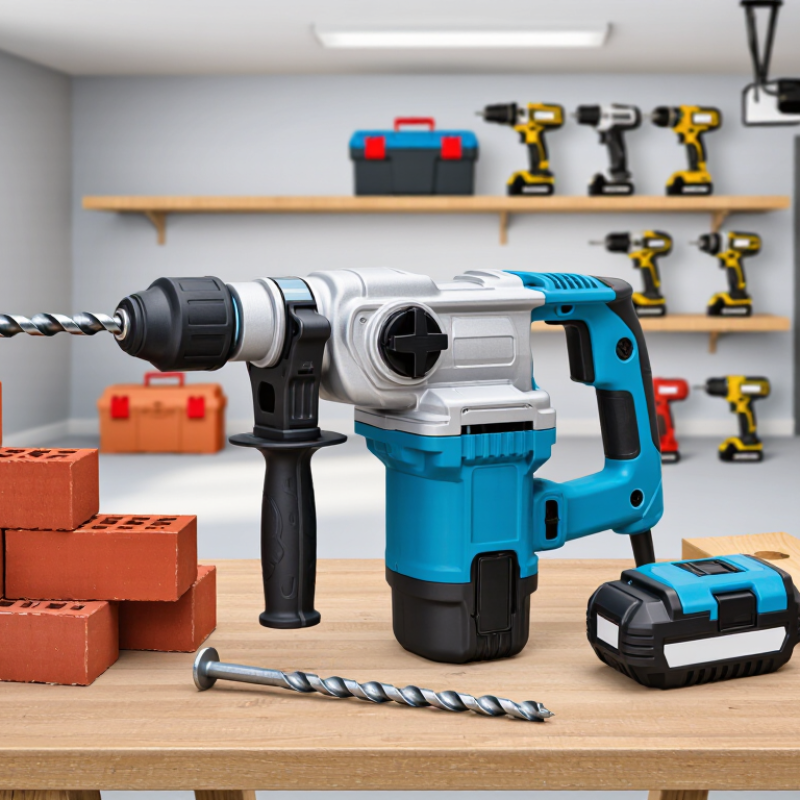
A basic-level hammer drill is defined by practical capability, not a long feature list. It usually combines rotary drilling with a simple impact mode for brick, block, and light masonry. Its motor often suits household repairs, shelving, small anchors, and occasional renovation work. The tool should feel balanced in one hand, with a clear trigger and a mechanical mode selector.
A useful benchmark is control. Many entry-level models offer two speeds, a keyed or keyless chuck, and modest impact performance. That is enough for a six-millimeter masonry bit meeting a dusty wall. It is not designed for continuous concrete drilling.
The U.S. National Institute for Occupational Safety and Health links prolonged hand-arm vibration with discomfort and injury risks. Therefore, lower vibration and manageable weight matter more than impressive packaging claims. Basic does not mean careless.
Market data adds context, but it needs careful reading. Grand View Research reported continued growth in the global power tools market, with cordless equipment among the expanding segments through 2030. That trend reflects convenience, not automatic superiority. Battery models may reduce cable clutter, yet charging delays and battery replacement costs remain real drawbacks. I would inspect the clutch feel, side-handle stability, and ventilation slots before choosing one. A low price can be attractive. Still, a weak chuck or vague selector may turn a simple weekend task into frustrating rework.
It combines rotary drilling with a simple impact function. It suits brick, block, light masonry, shelves, wall anchors, and small repairs.
The motor spins the chuck while internal plates create rapid forward taps. These pulses help a carbide masonry bit break through brick or block.
Use normal drilling for wood, metal, and plastic. Turn off impact before drilling these materials.
Usually, no. It may handle a small hole, but dense concrete and long sessions can overheat the motor.
Look for balanced handling, a clear trigger, a stable side handle, and a precise mode selector. A weak chuck can cause frustrating rework.
Mark the spot with a pencil and begin slowly. Keep the drill straight, use steady pressure, and withdraw the bit briefly to clear dust.
Yes. Hand-arm vibration and tool weight can fatigue your hands. Check the vibration rating and pause during extended work.
Cordless tools reduce cable clutter, but charging delays and replacement battery costs remain practical drawbacks. Convenience is not automatic superiority.
Wear eye and hearing protection, remove loose clothing, and keep both hands on the tool when possible. Disconnect power before changing bits.
Do not force the bit aggressively. Excessive pressure can slow drilling and overheat the motor. I once rushed a hole and damaged its edge. Test one hole.
A Basic Level Hammer Drill is a practical power tool designed for everyday drilling and light hammering tasks. It combines a standard rotating drill function with a pulsing hammer action, allowing users to create holes in materials such as wood, metal, brick, and light masonry. This combination makes it suitable for common home improvement projects, including installing shelves, assembling furniture, mounting fixtures, and completing basic repair work. While it may not be intended for heavy construction or continuous professional use, it offers useful performance for occasional tasks.
Its simple controls and straightforward operation make a Basic Level Hammer Drill a comfortable choice for first-time users who want to learn basic drilling techniques without managing complicated settings. Before choosing one, users should consider its power, speed control, hammering strength, chuck compatibility, weight, grip comfort, and included accessories. It is also important to match the tool’s capabilities with the materials and frequency of use to ensure safe, efficient, and satisfactory results.

 BD Medical