Choosing a Heavy-Duty Angle Grinder is about more than chasing the highest wattage. In a fabrication shop, a grinder may cut steel plate in the morning, then remove weld slag from a tight corner after lunch. That work tests motor strength, heat control, vibration, guard adjustment, and comfort over repeated use. A powerful tool can still be the wrong choice if it feels tiring or awkward after ten minutes.
Safety and reliability deserve equal weight. The U.S. Bureau of Labor Statistics reported 2.6 million nonfatal workplace injuries and illnesses among private-industry workers in 2023. That figure covers many hazards, not angle grinders alone, but it underscores why tool handling and jobsite practices matter. OSHA’s guidance on portable abrasive wheel tools also highlights safeguards such as suitable guards and proper wheel use. Check the manual, and match each wheel to the grinder’s rated speed.
There is no universal winner. A corded model may suit long bench sessions, while a cordless grinder can be easier to move between work areas. This guide compares heavy-duty options by power, control, durability, safety features, and value—not just bold claims on a product box. Specifications vary by model and market, so verify them before buying. The small details matter.
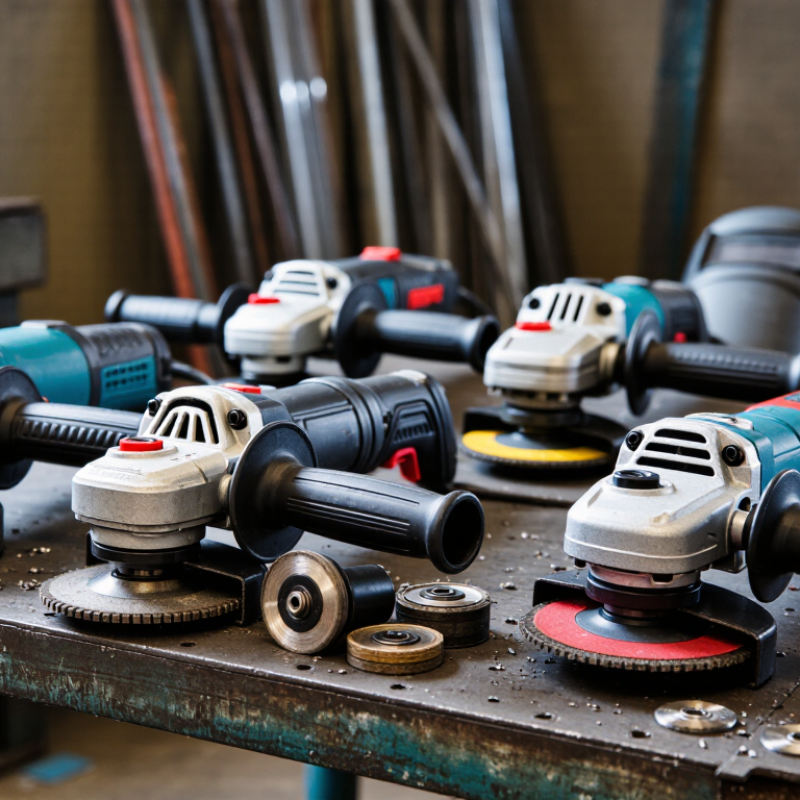
Heavy-duty angle grinders differ by wheel size, power source, and duty cycle—not just motor wattage. A 4½- or 5-inch model suits weld cleanup, trimming, and controlled cuts in tight spaces. It is easier to guide along a bracket edge. A 7- or 9-inch grinder removes material faster on thick steel or masonry, but its weight and kickback require firm two-handed control. More reach, less finesse.
Corded models suit long shop shifts where outlets are nearby. Cordless models work well on scaffolds or remote repair jobs, especially for shorter tasks; repeated heavy grinding drains batteries quickly. Pneumatic grinders can suit high-use workshops with adequate compressor capacity, though hose drag and air demand are easy to underestimate. Match the wheel type and rated speed to the tool specifications, and keep the guard and side handle installed.
The U.S. Bureau of Labor Statistics’ Employer-Reported Workplace Injuries and Illnesses, 2023 recorded 2.6 million nonfatal cases in private industry, or 2.4 per 100 full-time workers. These figures cover all industries and tools, not grinders specifically; they underline the value of task fit and safe handling. OSHA’s hand-and-power-tool guidance also stresses guarding and proper tool use. I wouldn’t choose by peak power alone: balance, restart behavior, and how the grinder feels under load matter on site.
A 4½- or 5-inch grinder suits weld cleanup, trimming, and tight cuts. It is easier to guide along a bracket edge. Small and manageable.
A 7- or 9-inch grinder removes material faster from thick steel or masonry. Its extra reach reduces finesse. Use both hands and expect more kickback.
Corded models suit long shop shifts near reliable outlets. Cordless models help on scaffolds or remote repairs. Heavy grinding can drain batteries quickly. Short sessions are different.
Pneumatic grinders suit busy workshops with enough compressor capacity. However, air demand can be underestimated. Hose drag may also restrict movement around a workbench.
Soft-start reduces the initial jolt during switch-on. Overload protection can limit damage during sustained work. Restart protection prevents automatic startup after power returns. Keep the guard and side handle installed.
Match the disc type, diameter, and rated speed to the tool. Inspect every disc for cracks or visible damage before work. A larger disc is not automatically better.
Check the rated power, speed, duty cycle, guard adjustment, and switch design. Test the balance if possible. Gloves can change the grip noticeably. Specifications cannot predict every hand.
Choose a balanced tool with a two-position side handle. Anti-vibration features may reduce discomfort during extended work. A heavy body can feel stable, but overhead use becomes tiring fast. This trade-off is easy to miss.
Choosing the right Heavy-Duty Angle Grinder starts with matching its type and power source to the work ahead. Larger, more powerful models can handle demanding cutting and grinding tasks, while compact options offer better maneuverability in tighter spaces. Compare key specifications such as motor power, disc size, speed, weight, and vibration levels to find a model suited to your materials and expected workload.
Features such as adjustable guards, comfortable handles, effective dust protection, and overload safeguards can improve control and durability. Consider how often you will use the grinder, how long each task will take, and whether portability or sustained power matters most. For safer, more reliable operation, use compatible discs, inspect the tool before each job, keep ventilation openings clear, and follow the manufacturer’s operating and maintenance instructions.

 BD Medical