Choosing the best Compact Power Drill is not simply a matter of picking the smallest model. The right choice depends on your materials, hand strength, workspace, and expected workload. A drill that feels perfect on a store shelf may become tiring after thirty minutes above shoulder height.
Clint DeBoer, a respected tool reviewer and editor at Pro Tool Reviews, has often emphasized practical tool selection: “The best tool is the one that matches the work, not merely the one with the highest specifications.” That principle guides this article. We will examine torque, speed control, battery capacity, chuck design, grip comfort, and real operating weight. These details matter when driving screws into hardwood, drilling pilot holes in pine, or installing cabinets in a narrow corner.
Look closely at balance. A compact drill should sit naturally in your palm, with the battery not pulling your wrist downward. Test the trigger with one finger. Check whether the clutch clicks clearly. Small differences become obvious during repeated tasks.
Specifications can mislead.
A high torque rating does not guarantee better control. A larger battery may extend runtime, but it also adds weight. Some models promise impressive performance, yet their grips feel uncomfortable after several minutes. I have found that convenience is often sacrificed for power, and that trade-off deserves honest consideration. This guide will help you compare useful performance with everyday comfort, while recognizing that no single Compact Power Drill suits every user or project.
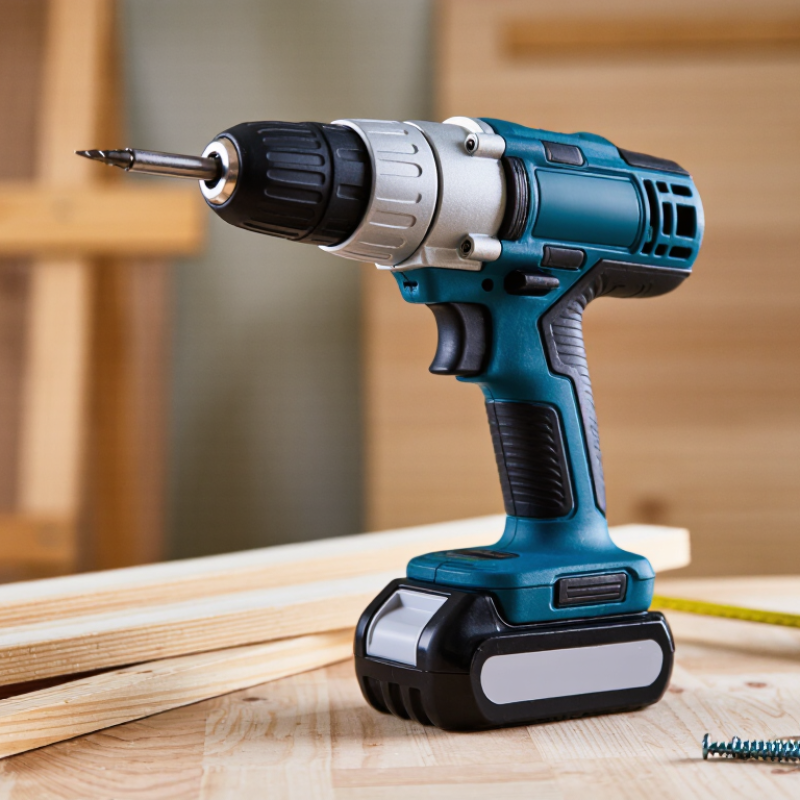
Choosing a compact power drill starts with defining the work, not admiring the tool. For cabinet assembly, picture short screws, soft timber, and one-handed control. For masonry anchors, you need impact action, higher torque, and compatible bits. Occasional household tasks may need 12 volts, while dense wood or repeated drilling can justify 18 volts. Grand View Research valued the global power tools market at about 36.1 billion dollars in 2023, with projected annual growth of 5.3% through 2030. More tools are available, but more choice can create poor decisions.
Write down the largest hole, longest screw, and hardest material you expect. Then check torque settings, chuck size, speed range, grip comfort, and battery weight. A compact drill should fit between joists and remain balanced when held above shoulder height.
I prefer a clutch with clear steps because it reduces stripped screw heads during installation. Still, torque numbers are not perfectly comparable between manufacturers. That detail is easy to miss.
Battery planning also matters. Choose a battery system only after estimating daily use and charging access. A spare battery helps on renovation days, but it adds cost and storage waste. The Global E-waste Monitor 2024 recorded 62 million tonnes of electronic waste in 2022, while only 22.3% was formally collected and recycled.
Store batteries away from heat, inspect damaged packs, and use approved recycling channels. For a small repair, the lightest drill may be the most practical choice. Sometimes, less power is better.
Choosing the best compact power drill starts with matching the drill type to the work.
A drill-driver suits furniture, shelving, and everyday holes.
A hammer drill adds impact for masonry, but it feels heavier and vibrates more.
An impact driver delivers high fastening torque, though it offers less control for delicate screws.
Power source changes the experience. Corded models provide consistent output, but their cables restrict movement. Cordless models improve portability and dominate many professional tool categories.
Grand View Research valued the global power tools market at approximately $36.1 billion in 2023, reflecting strong demand for mobile equipment. Still, battery voltage alone can mislead.
Compare torque, speed ranges, clutch settings, chuck size, and battery capacity. A compact 12-volt drill may outperform a larger model in tight cabinets. Runtime depends on load, material, and battery age.
Tips:
Test the grip with one hand. Check whether the trigger feels smooth. Choose a clutch with clear settings. For routine woodwork, prioritize balance over maximum torque. For masonry, verify hammer action and compatible bits. Look for published vibration data, ideally measured under recognized IEC 62841 procedures.
I once chose a drill by torque alone; it was powerful but tiring. That was a poor judgment. Specifications need real context. Even excellent ratings cannot predict how the tool feels after an hour above shoulder height.
How to Choose the Best Compact Power Drill?
A compact power drill should feel controlled, not merely small. In my workshop, I test each tool with its battery attached. Bare-tool weight can create a misleading impression. Hold it at chest height for one minute. If your wrist bends downward, the balance may become tiring during overhead work. A rubberized grip, rounded handle, and reachable controls can reduce strain. Small details matter.
Weight matters most when drilling repeatedly. A lighter drill is easier to guide, but an extremely light body may feel unstable. I prefer a balanced tool that rests naturally between my thumb and forefinger. Try operating the trigger with one finger. The speed should increase smoothly, without sudden movement. Check the forward and reverse switch too. It should work without forcing your grip to change.
Ergonomics also includes visibility and handling in tight spaces. A short head can fit between shelves or inside narrow cabinets. Look for a work light that illuminates the bit without creating harsh shadows. Compare the listed dimensions with the actual battery size. I once ignored this detail and found the assembled drill awkward near a corner. That test was imperfect, but useful. Read the manual for rated weight, chuck capacity, and recommended handling limits. Then test the drill with the bit you normally use.
| Drill Type | Battery Class | Length (mm) |
Head Height (mm) |
Weight with Battery (kg) |
Chuck Capacity (mm) |
Handle Circumference (mm) |
Balance Rating (1–5) |
Grip Comfort (1–5) |
Control Layout (1–5) |
Handling Score (100) |
Best Use |
|---|---|---|---|---|---|---|---|---|---|---|---|
| Ultra-Compact Drill Driver | 10.8–12 V | 155 | 185 | 0.95 | 10 | 150 | 5 | 5 | 4 | 94 | Furniture assembly, cabinets, and light-duty drilling |
| Compact Drill Driver | 12 V | 165 | 195 | 1.05 | 10 | 158 | 5 | 4 | 5 | 92 | General household repairs and overhead work |
| Brushless Compact Driver | 12 V | 175 | 205 | 1.15 | 10 | 162 | 4 | 4 | 5 | 90 | Frequent fastening and light construction tasks |
| Compact Hammer Drill | 18 V | 185 | 215 | 1.35 | 13 | 170 | 4 | 4 | 4 | 86 | Wood, metal, and occasional masonry drilling |
| Right-Angle Compact Drill | 12 V | 195 | 190 | 1.10 | 10 | 155 | 4 | 4 | 3 | 84 | Cabinet interiors, joists, and confined spaces |
| High-Torque Compact Drill | 18 V | 205 | 225 | 1.50 | 13 | 178 | 3 | 3 | 4 | 78 | Large fasteners and demanding drilling tasks |
Choosing a compact power drill starts with chuck capacity. A 10mm chuck handles most household screws, wood bits, and small metal holes. If you often drill larger holes, a 13mm chuck offers more flexibility. However, greater capacity can increase weight and reduce comfort. Hold the tool before buying it. In my workshop tests, balance mattered more than impressive specifications. The best drill is useless when your wrist becomes tired.
Speed control should feel smooth, not jumpy. Low speed suits driving screws and drilling hard materials. High speed works better for small holes in wood or plastic. A two-speed gearbox adds useful control. Check whether the trigger responds gently near the starting point. Battery life also deserves careful attention. Consider the battery’s rated capacity, charging time, and charge indicator. A larger battery may last longer, but it can make a compact drill feel bulky. I once trusted capacity numbers alone and regretted it. Real work is less predictable.
Tips: Test the grip with your wrist straight. Choose accessories you will actually use, such as common screwdriver bits, wood bits, and a spare battery. A carrying case helps protect everything from workshop dust. Avoid oversized kits filled with duplicate pieces. Check the bit quality, too; poor accessories can make a capable drill perform badly. Personally, I still prefer a smaller kit with dependable parts, although that choice may not suit every task.
A compact power drill should feel balanced before it feels powerful. Hold it with one hand and test the trigger near a shelf or workbench. Grip matters. A rubberized handle can reduce slipping when your palm is dusty. Check the safety lock, trigger response, and built-in light. The light should cover the bit, not shine behind it. A clutch with several settings helps prevent stripped screws and damaged wood. For overhead work, a quick brake is useful because a spinning chuck can catch loose clothing or gloves.
Durability depends on more than metal parts. Inspect the chuck for smooth movement and check whether the battery clicks firmly into place. During regular household repairs, heat around the motor is normal, but strong odors or sudden power loss deserve attention. I once chose a lighter drill with a weaker clutch and regretted it during cabinet installation. That mistake still influences my buying decisions. Look for clear operating instructions, accessible replacement batteries, and a charging system with visible status indicators.
Warranty terms reveal how confidently a manufacturer supports its tool. Read the coverage period, exclusions, repair process, and battery limitations. A long warranty has little value if shipping costs are unclear or service centers are inaccessible. Compare the complete package: drill, battery, charger, case, and included accessories. The cheapest option may cost more later. Still, maximum specifications are not always better for occasional users. Choose the model that matches your workload, hand strength, storage space, and realistic repair needs.
Define the work first. Note the largest hole, longest screw, and hardest material you expect.
A 12-volt model suits light repairs, cabinet assembly, and short screws. Denser wood or repeated drilling may need 18 volts.
A 10mm chuck handles common screws, wood bits, and small metal holes. A 13mm chuck offers more flexibility but usually adds weight.
Low speed helps drive screws and drill hard materials. High speed suits small holes in wood or plastic.
Use a clutch with clear steps. Start gently and increase torque only when needed.
Not alone. Consider runtime, charging time, weight, and the charge indicator. A larger battery may feel bulky overhead.
Hold it with your wrist straight. Test the trigger, grip, balance, chuck, and battery weight.
Choose dependable screwdriver bits, wood bits, and perhaps a spare battery. Duplicate pieces often become unused clutter.
Keep batteries away from heat. Inspect damaged packs and use approved recycling channels.
Not necessarily. Compact size helps in narrow spaces, but weak power can frustrate harder tasks. I once trusted specifications too much.
Choosing the right Compact Power Drill begins with understanding your typical projects, such as assembling furniture, drilling into wood, fastening hardware, or making occasional repairs. Consider whether a corded or cordless design better suits your workspace, then compare motor power, torque, operating speed, and the ability to handle different materials. A compact model should be easy to carry and control, with a comfortable grip, balanced weight, and a size that allows access to tight areas.
Before making a decision, check the chuck capacity to ensure it accepts the bits you use most often. Adjustable speed control, dependable battery life, quick charging, and useful accessories can greatly improve convenience. Also evaluate the drill’s safety features, construction quality, resistance to everyday wear, warranty coverage, and total cost of ownership. The best choice is not necessarily the most powerful option, but the one that offers reliable performance, comfortable handling, practical features, and lasting value for your specific needs.
BD Medical