Choosing the right Mid-Level Corded Drill requires more than comparing wattage and retail prices. A drill may feel powerful in a showroom, yet struggle when drilling through hardwood, masonry, or thick metal. Real performance depends on motor efficiency, chuck quality, speed control, gearbox durability, and operator comfort. Small details matter, including a two-metre cable, a firm side handle, and a trigger that remains responsive after repeated use.
Industry data provides useful context. Grand View Research reported that the global power tools market was valued at approximately USD 32.63 billion in 2023, with continued growth expected through 2030. However, such market reports often combine corded and cordless products. That limitation deserves attention. It prevents buyers from treating broad market growth as proof that every corded model offers better value. The U.S. Occupational Safety and Health Administration also emphasizes proper guarding, inspection, secure workpieces, and suitable personal protective equipment for portable power tools. Safety is not an optional feature.
A practical evaluation should therefore connect specifications with real workshop conditions. Look for variable speed, a metal or reinforced chuck, overload protection, and balanced weight. Test the grip with gloves if possible. Listen for harsh gearbox noise. It often signals poor refinement. Independent reviews, manufacturer documentation, and warranty terms can strengthen the decision, but none replaces hands-on judgment. Even experienced users sometimes overvalue maximum power and overlook vibration. This guide examines those trade-offs, using technical evidence while acknowledging one uncomfortable truth: the “best” drill depends on the material, workload, and user behind the trigger.
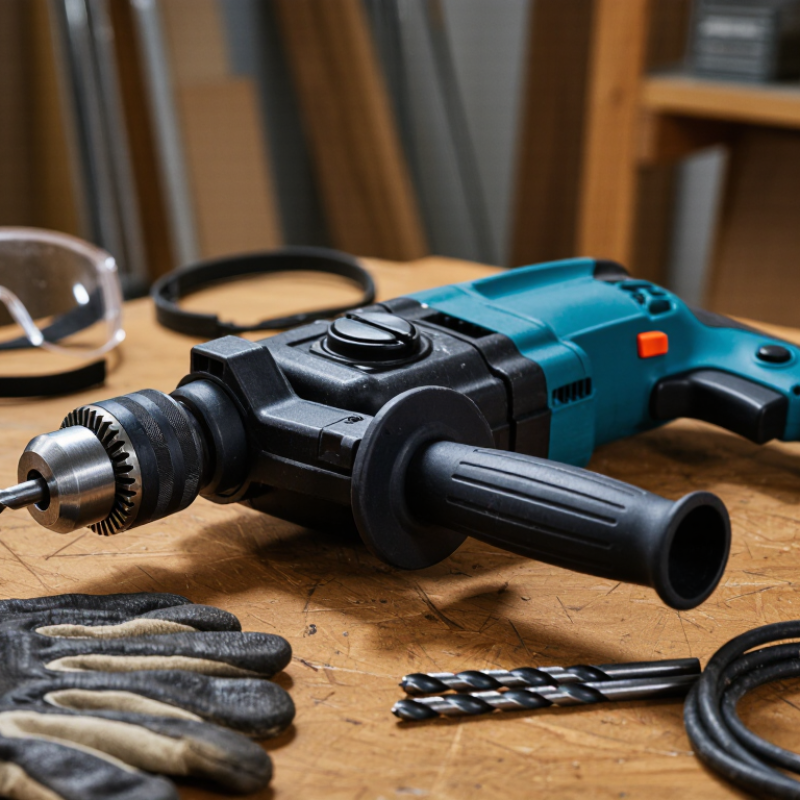
Define the job before comparing a mid-level corded drill. According to Grand View Research’s 2024 Power Tools Market report, the global market was valued at about $45 billion in 2023. That growth reflects varied users, not one universal specification. For home renovation and light trade work, identify the materials, hole sizes, daily runtime, and available outlet capacity. A 6–10 amp motor usually provides practical power for wood, plastic, and occasional masonry. More power can also mean more weight and heat.
Torque matters. Choose a variable-speed trigger, a reliable reversing switch, and a keyed or keyless chuck that matches your bits. A 13-millimeter chuck accepts common larger bits, while a 10-millimeter chuck may suit lighter work. The International Electrotechnical Commission’s IEC 62841 safety standard emphasizes requirements for hand-held motor-operated tools, including mechanical and electrical safety. Check whether the drill’s documentation identifies applicable testing and protection features.
Hold the tool before buying. After five minutes, an awkward handle becomes obvious. I prefer a balanced body, a long flexible cable, and a side handle that locks firmly during masonry drilling. Noise and vibration deserve attention, too; published specifications often omit how tiring a tool feels in use. A common mistake is choosing maximum wattage for occasional tasks. I have made that mistake. The drill worked, but precision suffered when fatigue changed my grip. Requirements should include control, serviceability, and realistic working intervals, not power alone.
How to Choose the Best Mid-Level Corded Drill?
Motor power is a useful starting point, but wattage alone can mislead. A mid-level corded drill usually offers 600–900 watts of input power. That range suits wood, plastic, masonry, and routine metalwork. Check torque delivery, not only the number printed on the label. The International Energy Agency reported that electric motor systems consume over 40% of global electricity. Efficient power transfer therefore matters during long drilling sessions. A hot housing or strong burning smell is a warning sign.
Speed control determines accuracy. Look for a variable trigger, a two-speed gearbox, and a lock-on button for steady work. Slow speed, around 500–800 rpm, helps with large bits and metal. Higher speed, often 2,000 rpm or more, suits small bits in wood. According to the 2024 Global Power Tools Market report by Statista Market Insights, the sector continues expanding, but market growth does not guarantee better control. Test the trigger with one hand. It should respond smoothly, without sudden jumps.
Tips: Match capacity claims to your material. A drill rated for 35 mm in wood may handle only 13 mm in masonry. Use sharp bits and let the tool cut. Excessive pressure creates heat. I once trusted a generous capacity chart and underestimated vibration; that was poor judgment. Choose a keyed or keyless chuck with minimal wobble, and inspect the side handle before buying. Small details matter.
A mid-level corded drill should feel controlled before it feels powerful. Hold it with one hand and check whether the handle twists your wrist. Small details matter. The grip should remain secure with dusty or sweaty hands. A balanced tool reduces fatigue during repeated holes. Test the trigger gently. It should increase speed smoothly, without sudden jumps. A lock-on switch can help with long tasks, but it must release easily.
The chuck deserves careful inspection. A keyless chuck saves time, while a keyed design can hold larger bits more firmly. Tighten a bit and watch its alignment from the side. Visible wobble suggests poor chuck accuracy or an incorrectly seated bit.
I once judged a drill only by its solid metal housing. That test was incomplete. Internal gearing, ventilation, and the power-cord strain relief also affect service life. Check whether the cooling vents stay clear during use. A rigid cord connection may prevent damage when the drill is placed on a workbench.
Build quality is not just weight. Excessive weight can become a weakness overhead. Listen for grinding sounds, uneven vibration, or a hot smell after several minutes. These signs deserve attention, even when the drill performs well initially.
My practical preference is a drill that feels predictable, not merely forceful.
How to Choose the Best Mid-Level Corded Drill?
Safety deserves more attention than headline power. The U.S. Consumer Product Safety Commission’s NEISS data has consistently linked power tools with hundreds of thousands of emergency-room injuries each year. Choose a drill with a two-stage trigger, spindle lock, side handle, overload protection, and a grounded, undamaged cord. A variable-speed trigger improves control when starting a bit on smooth metal. I still prefer a slower first pass. It feels less impressive, but it prevents wandering. OSHA’s 29 CFR 1910.242 also requires tools to remain safe and properly maintained, making cord inspection a practical buying test.
Check the accessory kit carefully. A depth stop, belt hook, side handle, and compatible chuck key can matter more than extra wattage. Avoid accepting dull bits as “free value.” They create heat, vibration, and uneven holes. Warranty length is useful, but read its exclusions. Coverage may omit worn brushes, damaged cords, or commercial use. The U.S. Federal Trade Commission advises consumers to review written warranty terms, not rely on sales claims. For maintenance, blow dust from vents after use, inspect the plug weekly, and keep the chuck clean and lightly lubricated according to the manual. The Power Tool Institute recommends disconnecting corded tools before cleaning or changing accessories. I sometimes overlook storage conditions; damp workshops quietly shorten tool life.
Use this practical evaluation model to compare corded drills by safety, included accessories, warranty coverage, and ease of maintenance. The percentages represent recommended decision weights, not brand-specific test results.
How to use the chart: Prioritize drills with dependable safety controls, useful accessories, clear warranty terms, and accessible maintenance points. Ergonomics and handling remain important, but the core selection should first focus on safe operation and long-term usability.
Choosing the best mid-level corded drill begins with your work, not the highest advertised power. For shelves, timber framing, metal brackets, and occasional masonry, a 6–8 amp motor offers a practical balance. Variable speed matters more than raw speed. It helps start a screw cleanly and prevents overheating a small metal bit. A 13-millimetre keyed or keyless chuck accepts common workshop accessories. Check the cord length too. A short cable becomes irritating on ladders.
Budget should follow usage. Fortune Business Insights valued the global power tools market at approximately $36.8 billion in 2023, with continued growth forecast through 2032. That figure shows strong demand, but it does not prove that an expensive drill suits your projects. Spend more on a durable gearbox, overload protection, and a comfortable side handle. These features affect control during repeated drilling. OSHA’s Hand and Power Tools guidance also emphasizes guarding, inspection, and secure handling. A heavy drill can still be the wrong choice.
I once chose a drill by wattage alone. That was a mistake. It felt powerful, yet its trigger was difficult to control on thin steel. For light repairs, a 5–6 amp model may be enough. For dense hardwood or frequent masonry work, consider 7–8 amps and hammer action. Compare noise, balance, chuck grip, and replacement-part availability. Hold the tool before buying, if possible. Your wrist will notice. Industry reports describe market direction; your project decides value.
A 600–900 watt motor suits wood, plastic, masonry, and routine metalwork. More power can increase weight and heat. For light repairs, 5–6 amps may be enough. I once chose maximum power and regretted the tiring weight.
Choose a variable-speed trigger and, ideally, a two-speed gearbox. Slow speeds around 500–800 rpm suit large bits and metal. Higher speeds suit small bits in wood. The trigger should respond smoothly, without sudden jumps.
A 13-millimeter chuck accepts many common workshop bits. A 10-millimeter chuck can suit lighter tasks. Choose keyed or keyless operation based on your preference. Check for minimal wobble before buying.
Capacity ratings vary by material. A drill rated for 35 millimeters in wood may handle only 13 millimeters in masonry. Use sharp bits and moderate pressure. Let the bit cut.
Hammer action helps with frequent masonry drilling. It may be unnecessary for shelves, timber, plastic, or thin metal. Choose based on actual projects, not impressive specifications. Too much tool can reduce control.
Look for a balanced body, comfortable handle, and firmly locking side handle. A flexible, longer cable helps on ladders and distant outlets. Hold the drill for five minutes if possible. Your wrist will notice.
A hot housing, burning smell, excessive vibration, or chuck wobble needs attention. Inspect the cord, trigger, chuck, and side handle regularly. Stop when control becomes uncertain. Fatigue changes grip.
Match spending to your workload and working intervals. Prioritize a durable gearbox, overload protection, control, and replacement-part availability. A higher price does not guarantee a better fit. I have learned this slowly.
Choosing the right Mid-Level Corded Drill begins with clearly defining your projects, materials, and expected workload. Consider the motor’s power, adjustable speed control, and drilling capacity to ensure the tool can handle wood, metal, masonry, or other common materials. A dependable chuck design should hold bits securely while allowing quick changes, and a comfortable, balanced body can reduce fatigue during extended use. Build quality is also important because durable construction supports reliable performance over time.
Before making a purchase, review essential safety features, included accessories, warranty coverage, and maintenance requirements. Features such as a secure trigger, stable side handle, and overload protection can improve control and user confidence. Finally, compare the drill’s performance with your budget and the demands of your typical projects. The best choice is not necessarily the most powerful option, but the one that offers suitable capacity, convenient handling, dependable construction, and practical long-term value.
BD Medical