7 Best Multi-Function Workbenches for Every Workshop

Time:2026-10-11 Author:Madeline
0%

A good workshop begins with a dependable surface. The right Multi-Function Workbench can support cutting, assembly, sanding, repairs, and careful measurement without taking over the entire room. For home makers and experienced tradespeople, flexibility matters because every project demands something different.

This guide examines seven workbenches designed for varied workshop needs. We considered weight capacity, worktop strength, height adjustment, storage, clamping options, portability, and overall build quality. A solid bench should stay stable when a hand plane meets hardwood. It should also provide useful space for screws, drills, measuring tools, and unfinished parts.

Real workshop conditions shaped this selection. We looked beyond attractive product photos and focused on daily usability. A foldable model may save space, but it might feel less rigid during heavy work. A large steel bench can offer excellent stability, yet moving it through a narrow garage may become frustrating. These trade-offs deserve honest attention.

No single bench suits every craftsperson. Some users need drawers and cabinets, while others value a lightweight surface they can carry outdoors. Even the best design can have weaknesses. Assembly instructions may be unclear, or the included clamps may feel too basic. That is worth noting, not hiding.

The following options balance practical performance, durability, and workshop convenience. Whether you build furniture, maintain bicycles, or handle small repairs, this guide can help you choose with greater confidence. Measure your available space first. Then consider how you actually work, not how you imagine working.
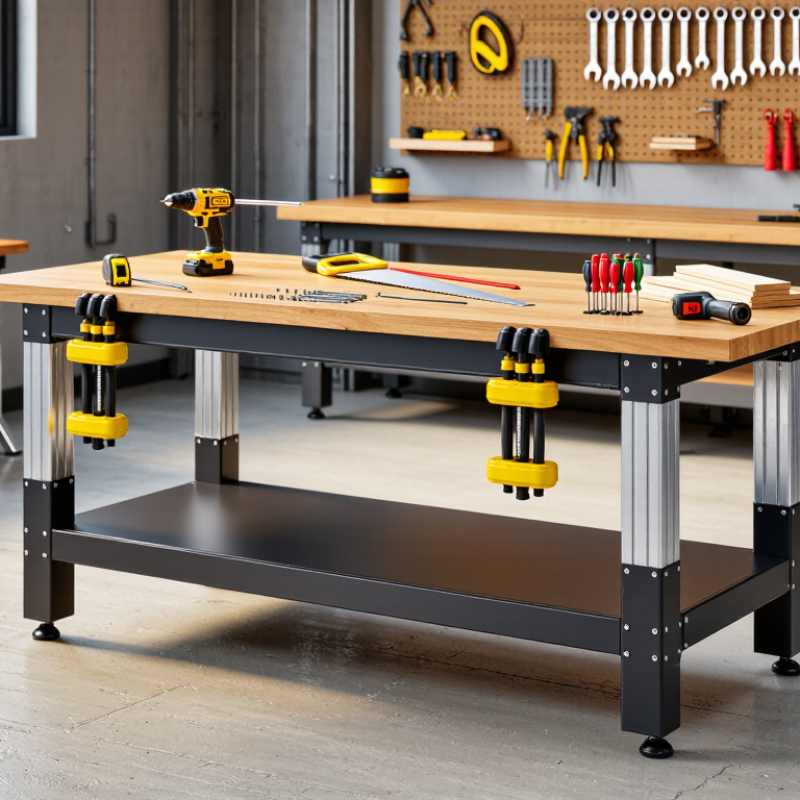
7 Best Multi-Function Workbenches for Every Workshop

What Defines a Multi-Function Workbench

What Defines a Multi-Function Workbench

A multi-function workbench does more than provide a flat surface. It supports cutting, assembly, sanding, clamping, and light repairs in one controlled area. In my workshop, the most useful benches adapt quickly between tasks. A replaceable top, integrated vise, storage shelves, and adjustable supports make that possible. Stability matters more than appearance. A beautiful bench that shakes during drilling soon becomes frustrating.

A practical design should match the user’s tools and working height. Thick surfaces reduce vibration, while treated metal or sealed wood handles regular workshop wear. Check the stated load capacity before placing heavy machinery on the bench. Also inspect the locking points, casters, and electrical access. Small details often decide whether a bench feels dependable. I once overlooked poor cable routing, and the workspace became cluttered within days.

Tips: Choose a bench with enough depth for your largest project. Test its height while standing naturally. Keep frequently used tools within easy reach. Leave clear space around moving parts. If the bench includes wheels, engage every brake before work begins. Storage is helpful, but overcrowded drawers can limit legroom and reduce access. A modular system may seem ideal, yet too many attachments can weaken focus and slow setup. Better is not always more.

What Defines a Multi-Function Workbench?

A versatile workbench combines several practical capabilities in one station. This chart shows the typical priority given to seven core functions when evaluating a multi-function workbench, using a five-point workshop utility scale.

Higher scores indicate features that generally contribute more to everyday workshop versatility, safety, and efficiency. Actual suitability depends on the user's tools, materials, available space, and projects.

Key Features for Different Workshop Tasks

The seven best multi-function workbenches should match the tasks performed every week. A repair bench needs a rigid top, integrated vise, and clear tool access. For cutting and assembly, dog holes and replaceable sacrificial panels matter more.

A 2024 U.S. Bureau of Labor Statistics report recorded about 2.6 million nonfatal workplace injuries and illnesses in private industry. That figure reinforces the need for stable surfaces, rounded edges, and controlled working heights.

Height adjustment supports detailed electronics work and heavier mechanical repairs. The National Institute for Occupational Safety and Health recommends reducing awkward postures through better workstation design. Even a 50-millimeter adjustment can change wrist and shoulder comfort during long sessions. Locking casters help mobile workshops, but they must stay firmly engaged during sawing or drilling. Small drawers also help. Loose screws become trip hazards surprisingly fast.

Load capacity should exceed the heaviest planned project, not merely the bench’s average load. A steel frame suits pressing and clamping, while a hardwood or composite top absorbs vibration during hand-tool work. Check the vise mounting area carefully. It often receives the most force. Some benches include power outlets, lighting, or dust collection ports, yet these features can crowd the work surface. That is a weakness worth admitting. The best choice may be less multifunctional, but more dependable for your actual tasks.

Seven Workbench Types and Their Primary Uses

A workbench should match the work, not just fill an empty corner. In my experience, the right height reduces wrist strain and improves accuracy. The general-purpose bench handles repairs, cutting, drilling, and hand tools. A cabinetmaking bench suits joinery, planing, and chiseling, with a heavy top and reliable vise. An assembly bench supports measuring, clamping, and fitting larger projects. Its open surface keeps parts visible and organized. Stability matters.

A mobile workbench serves workshops that change layout often. Locking casters are essential, especially when using power tools. A folding workbench fits small garages and temporary work areas. It stores easily, but its lighter frame may limit heavy shaping tasks. An electronics workbench supports soldering, testing, and delicate repairs. It needs a clean surface, bright task lighting, cable control, and static-conscious materials. Keep liquids away.

A metalworking bench is built for grinding, drilling, filing, and controlled fabrication. It should resist heat and include a firmly mounted vise. Good ventilation and suitable protective equipment remain necessary. A woodworking bench may also support sanding and finishing, but dust management cannot be ignored. I once underestimated how quickly fine dust covered nearby tools. That mistake changed my layout. Check load ratings, anchor unstable benches, and leave enough clearance for long materials. Measure twice.

How to Compare Stability, Storage, and Work Surface Design

7 Best Multi-Function Workbenches for Every Workshop

Stability should be tested, not guessed from thick steel or a heavy frame. Apply pressure near each corner and watch for rocking, twisting, or delayed movement. A bench that shifts under a hand drill can ruin precise cuts and strain your wrists. I prefer four adjustable feet, a braced lower frame, and a worktop that stays flat under uneven loads. Watch the flex.

The NIOSH Revised Lifting Equation uses 51 pounds as a recommended limit only under ideal lifting conditions. It is not a workbench load rating, but it offers a useful ergonomic reference. BLS 2023 injury data continues to identify sprains, strains, and tears among the most common days-away-from-work cases. That makes height and access important. Frequently used tools should sit between knee and shoulder level, while heavier items belong close to the waist. Drawers that require deep bending often look efficient but perform poorly.

Storage should support workflow, not merely add capacity. Shallow drawers keep screws visible, while open shelves suit bulky clamps and power tools. Surface design also changes accuracy. A replaceable top handles glue, oil, and accidental cuts better than a delicate finished panel. I once chose maximum storage and ignored knee clearance. That shortcut failed. Leave space for a stool, cables, and one unfinished project. A perfect bench is unlikely; a stable, reachable, repairable one is more useful.

Choosing the Right Workbench for Your Workshop Needs

Choosing the Right Workbench for Your Workshop Needs

A multi-function workbench should match your tasks, not simply look versatile. Measure your available floor space, doorway width, and storage needs before shopping. Fit matters more. A compact bench suits electronics, model-making, and light repairs. Woodworking demands deeper surfaces, strong vises, and reliable resistance to vibration. Metalwork usually needs a heavier frame, grounding provisions, and a heat-resistant top.

Adjustability deserves careful attention. The National Institute for Occupational Safety and Health recommends a 51-pound load constant only under ideal lifting conditions. That figure is not a target for daily handling. It is a warning to reduce awkward lifting and reach distances. Choose a height that keeps your elbows near the work surface. A seated task may need 28 to 30 inches, while standing assembly often works better around 36 to 40 inches. These ranges are practical starting points, not universal rules.

Look for tested load ratings, replaceable surfaces, integrated lighting, and cable management. A mobile base adds flexibility, but its locked casters must prevent movement during sawing or drilling. The Health and Safety Executive’s work-related musculoskeletal disorder reports repeatedly identify force, repetition, and awkward posture as major contributors to injury. Test before buying. Place a real tool on the surface and imitate your most common movement. I would not trust a glossy specification sheet alone; it can hide poor access, limited knee clearance, or a bench that feels unstable. One compromise may be necessary. A perfect workbench is uncommon.

FAQS

How do I choose the right workbench type?

Match the bench to your main tasks. General benches suit repairs, cutting, drilling, and hand tools. A cabinetmaking bench needs a heavy top and firm vise.

What makes a workbench stable?

Test it physically. Press near each corner and watch for rocking, twisting, or delayed movement. Four adjustable feet and a braced frame help. Watch the flex.

Is a mobile workbench suitable for power tools?

Yes, if its casters lock firmly. Test movement before sawing or drilling. A bench that shifts can spoil cuts and strain your wrists.

Which workbench suits a small garage?

A folding bench saves floor space and stores easily. Its lighter frame may limit heavy shaping. I once expected too much from a compact frame.

What height should a workbench have?

Standing assembly often works around 36 to 40 inches. Seated tasks may need 28 to 30 inches. These are starting points, not fixed rules.

How should storage support workshop work?

Shallow drawers keep screws visible. Open shelves hold bulky clamps and power tools. Leave knee clearance, cable space, and room for one unfinished project.

What features matter on an electronics workbench?

Use a clean surface, bright task lighting, cable control, and static-conscious materials. Keep liquids away. Small details prevent frustrating repairs.

What should I consider for woodworking or metalworking?

Woodworking needs vibration resistance, strong vises, and dust control. Metalworking needs heat resistance, a firm vise, ventilation, and suitable protective equipment. Dust spreads quickly.

Conclusion

A Multi-Function Workbench is designed to support a wide range of workshop activities, combining a durable work surface with practical features such as adjustable height, built-in storage, clamping options, tool organization, and mobility. This guide explains what makes a workbench versatile and how different features can improve tasks including woodworking, repairs, assembly, crafting, electronics, and general maintenance.

It introduces seven workbench types and their primary uses, helping readers understand which designs are best suited to specific projects. It also compares important factors such as stability, weight capacity, storage space, surface materials, work area size, and ease of movement. By considering workshop size, project requirements, available tools, and future needs, readers can confidently choose a workbench that improves organization, efficiency, safety, and comfort in their workspace.

Madeline

Madeline

Madeline is a dedicated marketing professional with a wealth of expertise in our company's core offerings. With a keen understanding of the industry, she brings a unique perspective to her role, consistently delivering high-quality content that highlights the superior aspects of our products. As......