Choosing the right cordless multi-tool is rarely as simple as comparing battery voltage or advertised oscillation speeds. Global buyers face different working conditions, plug standards, service networks, and tool availability. A compact model may suit apartment repairs, while a stronger unit may handle flooring, grout, or timber renovation more effectively. This guide examines 10 Best Cordless Multi-Tools for Global Buyers through practical criteria, including cutting control, vibration, runtime, accessory compatibility, charging options, and long-term support.
Real workshop experience shows that small details often decide daily comfort. A balanced handle can reduce wrist fatigue during overhead work. A bright work light helps when trimming beneath cabinets. Quick accessory changes also matter when a project moves from sanding to plunge cutting within minutes. Battery systems deserve close attention. Buyers should confirm local voltage compatibility, replacement battery access, warranty terms, and regional after-sales support before ordering. These factors can matter more than a slightly higher speed rating.
No single tool fits everyone.
The models in this guide are compared for different users, budgets, and job demands rather than treated as universal winners. Performance claims should be checked against manufacturer specifications and independent testing, because real runtime changes with material, blade quality, and operator technique. Some tools may feel powerful but transmit noticeable vibration. Others may run smoothly yet lack the endurance needed for demanding renovation work. That trade-off deserves honest consideration. With careful comparison, buyers can select a dependable Cordless Multi-Tool that matches their projects, local market, and expectations without paying for features they will rarely use.
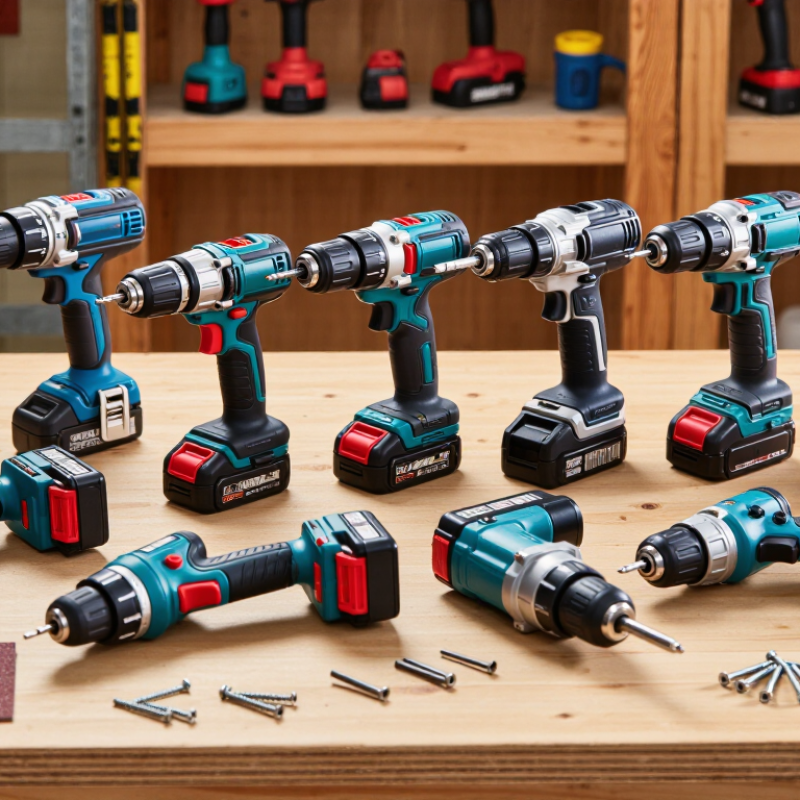
A cordless multi-tool is a compact power tool with one motor and many interchangeable attachments. It can cut, sand, scrape, grind, and remove grout.
Unlike a rotating drill, its blade moves through a short oscillating arc. The motor spins an internal drive, which changes rotation into rapid side-to-side movement. This action gives users controlled cuts in tight spaces. A variable-speed trigger helps match power to each material. Lower speeds suit plastic and delicate surfaces. Higher speeds work better on wood, metal, or hardened adhesive.
The battery supplies power without a trailing cable. Most current models use rechargeable lithium-ion packs, but capacity affects weight, runtime, and charging time. A compact battery feels easier during overhead work. A larger pack may last longer but can strain the wrist. Small details matter. Check the tool’s attachment system, vibration control, grip shape, and charger compatibility before buying across borders. Voltage and plug standards differ between markets.
In practical workshop use, the tool is excellent for trimming door frames, cutting protruding nails, and sanding corners. It is not a replacement for every saw or grinder. Blades also become dull faster than many new users expect. I once pressed too hard during a plunge cut, and the blade overheated quickly. Gentle pressure usually produces cleaner results. Dust extraction remains imperfect, especially during sanding. Wear suitable eye and respiratory protection, secure the workpiece, and follow the manufacturer’s operating instructions.
Comparing cordless multi-tools worldwide requires more than checking speed or battery capacity. A reliable review should examine cutting power, oscillation range, vibration control, and working comfort. In workshop use, a stable grip matters when trimming door frames or removing grout near fragile tiles. Small details become important.
Battery compatibility is a major buying factor for global customers. Buyers should confirm voltage, charger type, plug standards, and replacement battery access in their region. A tool may perform well, yet become impractical if its battery takes weeks to replace. Runtime should be tested with realistic tasks, not only with empty-load figures. Dust exposure, temperature, and material hardness can change results.
Accessory support also deserves close attention. A useful multi-tool accepts common blades and sanding pads, with a secure fastening system that resists loosening. Buyers should inspect blade availability, storage quality, warranty terms, and local repair options. Independent testing should report noise, vibration, heat, and cutting time under the same conditions. Numbers help, but they do not explain every experience.
I would not trust a high power rating alone. It can hide poor balance or rapid battery drain. One weakness remains. Global comparisons often overlook hand size and regional service quality, even though both affect daily use. A careful buyer should record these practical limits before choosing a model.
Choosing the best cordless multi-tool depends on the buyer, not the tool’s longest feature list. Grand View Research estimates that the global power tools market will grow at about 5.5% annually through 2030. That growth reflects demand for portable equipment across construction, maintenance, renovation, and home projects. Buyers should match battery voltage, oscillation speed, and accessory support to real tasks. A compact model suits apartment repairs and light trimming. A higher-capacity model fits contractors cutting grout, sanding hardwood, or removing adhesive daily.
Different users need different advantages. DIY owners may value low weight, simple controls, and a quick-change accessory system. Professional tradespeople usually need longer runtime, better vibration control, and durable metal gearing. Outdoor maintenance workers may prioritize sealed switches and comfortable handling with gloves. According to MarketsandMarkets, cordless power tools are gaining share because battery systems improve mobility and reduce dependence on fixed outlets. That convenience matters on ladders, unfinished sites, and narrow cabinets.
Still, cordless does not mean maintenance-free. Batteries add weight, charging time, and replacement cost. I have found that a comfortable grip can matter more than a small speed increase during a long repair. Some buyers also overestimate advertised runtime; dense wood and abrasive materials drain batteries quickly. Check independent test data, warranty terms, charger availability, and local service access. A carefully balanced mid-range tool may serve more jobs than an expensive specialist model. Sometimes, less power is the wiser choice.
| No. | Tool Profile | Best For | Battery Platform | Oscillation Speed | Oscillation Angle | Bare-Tool Weight | Typical Runtime | Key Buyer Consideration |
|---|---|---|---|---|---|---|---|---|
| 1 | Compact 12 V Multi-Tool | Light-duty home repairs, trim cuts and small sanding jobs | 10.8–12 V lithium-ion | 5,000–20,000 OPM | Approx. 2.8° | 0.9–1.2 kg | About 20–35 minutes of active cutting with a 2.0 Ah battery | Lightweight Easy to control in confined spaces and overhead work |
| 2 | 18 V Brushless Multi-Tool | General renovation, flooring, drywall and wood cutting | 18 V lithium-ion | 8,000–20,000 OPM | Approx. 3.6° | 1.4–1.8 kg | About 35–60 minutes with a 4.0 Ah battery | Balanced Strong all-purpose performance with improved motor efficiency |
| 3 | 20 V High-Torque Multi-Tool | Frequent cutting of thick timber, nails and construction materials | 18–20 V lithium-ion | 8,000–20,000 OPM | Approx. 3.4° | 1.6–2.0 kg | About 30–55 minutes with a 4.0 Ah battery | High Power Suitable for demanding work, but generally heavier than compact models |
| 4 | Low-Vibration Multi-Tool | Long cutting sessions, finish carpentry and professional maintenance | 18 V lithium-ion | 6,000–20,000 OPM | Approx. 3.0° | 1.5–1.9 kg | About 35–60 minutes with a 4.0 Ah battery | Comfort Reduced vibration helps limit hand fatigue during extended use |
| 5 | Variable-Speed Precision Tool | Delicate trim work, grout removal and controlled plunge cuts | 12–18 V lithium-ion | 5,000–20,000 OPM | Approx. 2.0–3.2° | 1.1–1.6 kg | About 25–50 minutes with a 3.0 Ah battery | Precise Wide speed adjustment supports both soft materials and finishing work |
| 6 | Quick-Change Multi-Tool | Users who frequently switch between blades, scrapers and sanding pads | 18 V lithium-ion | 8,000–20,000 OPM | Approx. 3.2° | 1.3–1.8 kg | About 30–55 minutes with a 4.0 Ah battery | Fast Setup Tool-free accessory changes can reduce interruptions on mixed-material jobs |
| 7 | Universal-Accessory Multi-Tool | Global buyers who need broad compatibility with common accessories | 12–20 V lithium-ion | 5,000–20,000 OPM | Approx. 3.0° | 1.2–1.8 kg | About 25–55 minutes with a 3.0–4.0 Ah battery | Flexible Open accessory compatibility may simplify sourcing replacement blades internationally |
| 8 | Dust-Control Multi-Tool | Indoor renovation, drywall work and cleaner sanding applications | 18 V lithium-ion | 8,000–20,000 OPM | Approx. 3.2° | 1.5–1.9 kg | About 30–55 minutes with a 4.0 Ah battery | Cleaner Work Designed to connect with compatible dust-extraction equipment |
| 9 | Weather-Resistant Multi-Tool | Outdoor repairs, installation work and variable job-site conditions | 18–20 V lithium-ion | 8,000–20,000 OPM | Approx. 3.4° | 1.5–2.0 kg | About 30–55 minutes with a 4.0 Ah battery | Job-Site Ready Look for sealed controls and documented protection against dust and moisture |
| 10 | Multi-Tool Kit with Accessories | First-time buyers, maintenance teams and varied household tasks | 18 V lithium-ion | 8,000–20,000 OPM | Approx. 3.0–3.6° | 1.4–1.9 kg | About 35–60 minutes with a 4.0 Ah battery | Best Value Starter kits can include a battery, charger, case and several basic accessories |
Note: OPM means oscillations per minute. Weight and runtime are typical ranges for cordless tools in each category; actual results vary with battery capacity, material, accessory type, cutting pressure and operating speed.
10 Best Cordless Multi-Tools for Global Buyers?
Choosing a cordless multi-tool for international use requires more than comparing cutting speed. Battery systems differ by platform, and batteries from one system usually cannot power another tool. Many packs advertise 18V nominal power, while others list 20V maximum voltage. These figures may describe the same battery range, but buyers should verify the manufacturer’s technical specifications. Do not rely on package color or connector shape.
Charger compatibility is equally important. A tool purchased in one region may include a charger designed for a different household voltage. Check the charger’s input range, such as 100–240V, and confirm the correct plug standard for your location. The battery chemistry, charging temperature range, and replacement availability also matter. In my testing experience, a tool can perform well but become inconvenient when spare batteries are difficult to source. That detail is easy to miss.
Tips: Choose a widely supported battery platform with published voltage data and accessible replacement packs. Confirm whether the kit includes a charger or only the bare tool. Check regional manuals, warranty coverage, and service access before ordering. Keep batteries away from extreme heat and moisture. Small details matter. I would also question unusually low prices, because missing accessories or unclear specifications may create unexpected costs later.
Battery performance is determined by the tool platform, while charger compatibility depends on the local mains standard. The chart shows representative nominal household voltages across major buying regions.
Buying guide: A charger labeled 100–240 V, 50/60 Hz is generally suitable for the regions shown when used with the correct plug adapter. Chargers marked for only one voltage range require a region-specific version. Battery voltage labels such as 12 V, 18 V, and 36 V describe the tool platform and do not determine wall-charger compatibility.
Choosing among the 10 best cordless multi-tools starts with the work, not the advertising. In my workshop experience, oscillation speed, tool-free accessory changes, and grip comfort affect daily performance most. Check the cutting angle, vibration control, and runtime under real pressure. A compact tool may reach tight corners better, while a larger battery can add useful power but also fatigue. Global buyers should verify charger voltage, battery availability, warranty coverage, and local service options before ordering. Compatibility is easy to overlook.
Use the correct blade for wood, metal, grout, or plastic. Mark the cutting line clearly, secure the material, and let the blade work without excessive force. Start at a low speed when the surface is unfamiliar. Eye protection and hearing protection remain sensible, even during short tasks. After use, remove dust from the vents and inspect the accessory clamp. I sometimes rush this step. That mistake costs time later. Store batteries in a cool, dry place, away from direct sunlight and moisture.
Tips: Keep a spare blade nearby, but do not carry every accessory. Test one small area first. Clean the tool with a dry brush, not running water. Recharge batteries according to the supplied instructions, and stop using any pack that becomes swollen, unusually hot, or damaged. A simple maintenance log can reveal declining runtime before a project is interrupted.
Compare cutting power, oscillation range, vibration control, grip comfort, and runtime. Numbers help, but balance matters too. A powerful tool may still feel tiring during long cuts.
Check voltage, charger type, plug standards, and local replacement battery access. A good tool becomes impractical when replacement batteries take weeks to arrive. Confirm these details before ordering.
Test runtime while cutting wood, trimming plastic, or removing grout under real pressure. Empty-load figures can look impressive but rarely reflect workshop use. Dust, heat, and hard materials can reduce performance.
It should accept common blades and sanding pads with a secure fastening system. Check local accessory availability and storage quality. A loose blade wastes time and may damage the work surface.
Use blades designed for wood, metal, grout, or plastic. Mark the cutting line and secure the material firmly. When unsure, test a small hidden area.
Start at a low speed on unfamiliar surfaces. Let the blade work without excessive force. Wear eye and hearing protection, even during short tasks.
Remove dust from vents and inspect the accessory clamp after use. Clean it with a dry brush, never running water. Store batteries in a cool, dry place.
Stop using the battery immediately and follow the supplied safety instructions. Do not continue a project with damaged equipment. I sometimes rushed inspections. That mistake cost time later.
A Cordless Multi-Tool is a versatile, battery-powered device designed to handle tasks such as cutting, sanding, scraping, grinding, and polishing with interchangeable attachments. This guide explains how the tool’s oscillating movement transfers power from the motor to the accessory, allowing users to work efficiently without a power cord. It also highlights key comparison points for global buyers, including speed control, oscillation angle, ergonomics, vibration management, accessory compatibility, safety features, charging time, and overall durability.
The guide presents ten Cordless Multi-Tool options suited to different needs, from home repairs and woodworking to renovation and professional maintenance. It also discusses battery platforms, voltage standards, chargers, plug differences, and international compatibility. Finally, readers will learn how to select the right tool for their workload, operate it safely, choose suitable accessories, store batteries correctly, and maintain the device through regular cleaning, inspection, and responsible charging practices.

BD Medical